
Natural Stone Sealing in Georgia: What You Must Know Before Installing
Natural Stone Sealing in Georgia: What You Must Know Before Installing
When it comes to enhancing the beauty and durability of your natural stone surfaces, proper sealing is a crucial step that every homeowner, contractor, and designer should consider. In Georgia, where humidity and temperature fluctuations can affect stone materials, understanding the nuances of natural stone sealing is essential for ensuring the longevity and performance of your surfaces. This article will delve into the importance of sealing natural stone, the best practices for installation, and the factors to consider before proceeding with your project.
Why Choose Natural Stone?
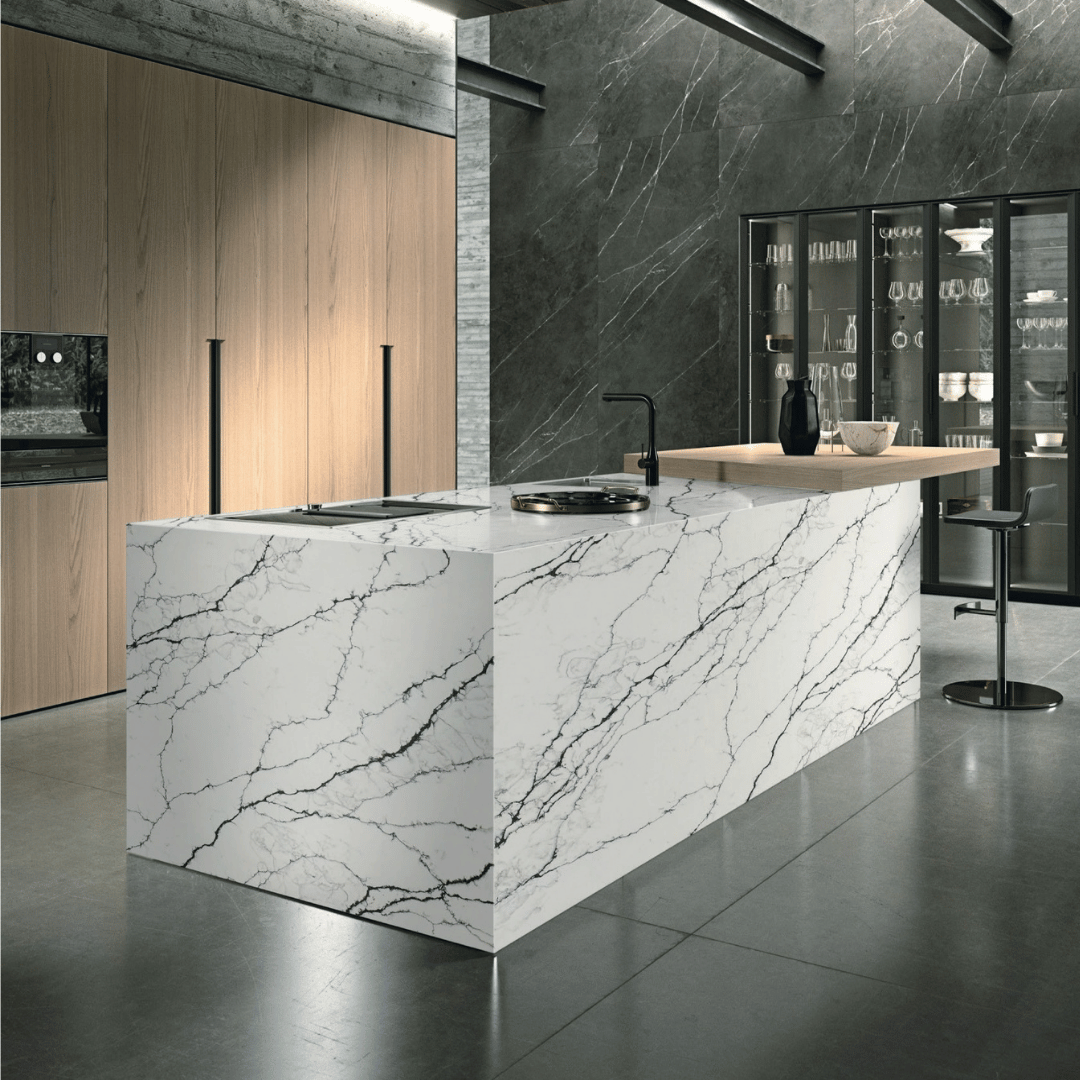
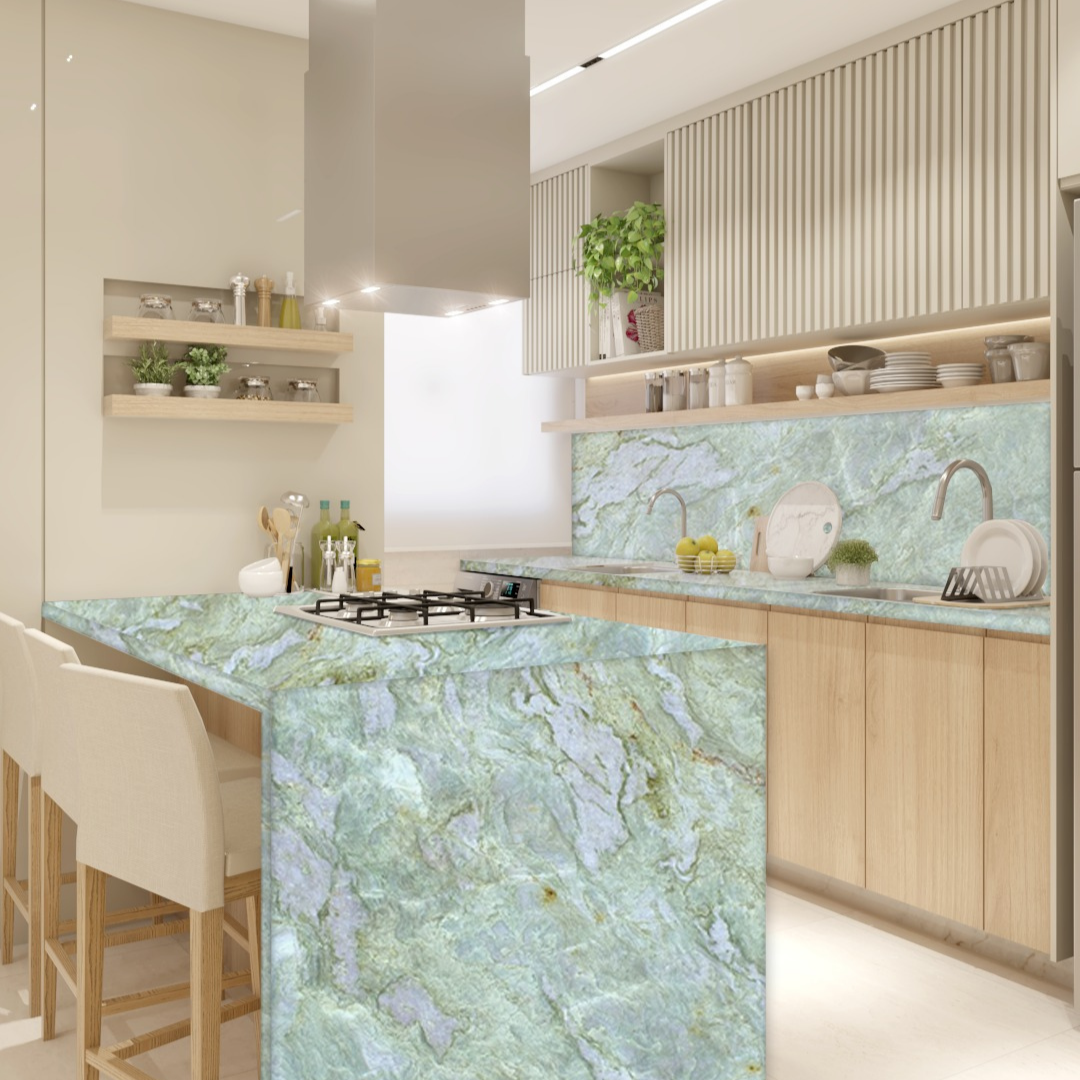
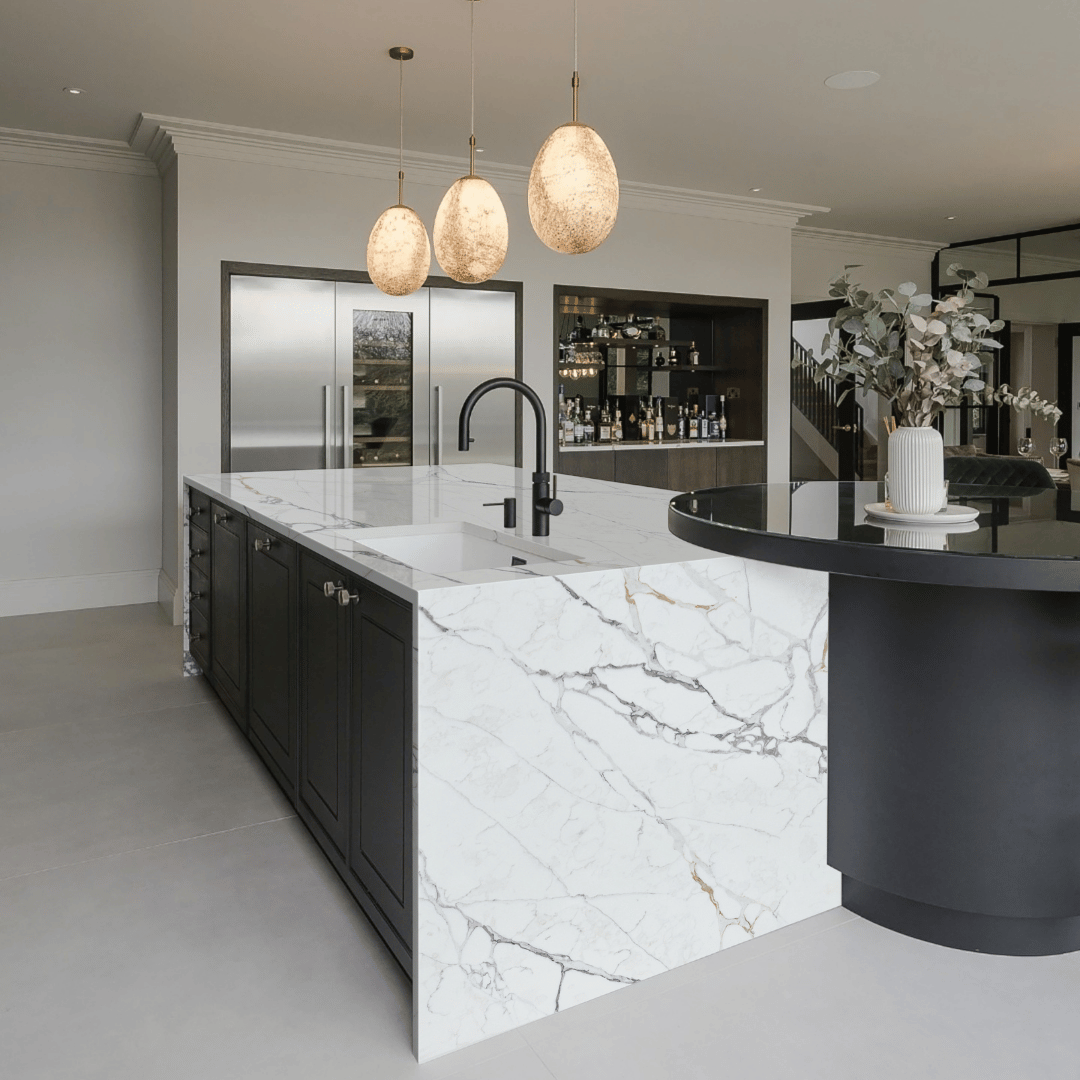
Natural stone offers timeless elegance and unique beauty, making it a popular choice for countertops, flooring, and various architectural applications. Unlike synthetic materials, each slab of natural stone is one-of-a-kind, showcasing its own colors, patterns, and textures. However, the porous nature of natural stone can make it susceptible to staining and damage if not properly sealed. Therefore, understanding the sealing process is vital for maintaining the stone’s aesthetic appeal and functionality.
The Importance of Sealing Natural Stone
Sealing natural stone surfaces provides a protective barrier that helps to prevent stains, moisture penetration, and surface deterioration. Here are some key benefits of sealing:
- Stain Resistance: Natural stones like granite, marble, and limestone are porous and can absorb liquids, leading to unsightly stains. A quality sealant can help repel spills from wine, oil, and other substances.
- Moisture Protection: In humid climates like Georgia, moisture can seep into the stone, causing mold and mildew growth. Sealing helps to reduce this risk.
- Durability: Properly sealed stone surfaces are less likely to suffer from wear and tear, scratches, and other forms of damage, ensuring they last longer.
- Enhanced Appearance: Sealing can enhance the natural colors and patterns of the stone, giving it a polished and vibrant look.
Types of Sealers
There are two primary types of sealers used for natural stone: penetrating sealers and topical sealers. Understanding the differences between these sealers can help you choose the right one for your project.
- PENETRATING SEALERS: These sealers penetrate deep into the stone’s pores, providing long-lasting protection while allowing the stone to breathe. They are ideal for countertops and flooring that require a natural look and feel.
- TOPICAL SEALERS: Topical sealers form a protective layer on the surface of the stone. They offer a high-gloss finish and are ideal for surfaces that need extra protection against wear. However, they may require more frequent reapplication.
When to Seal Natural Stone
Determining when to seal your natural stone surfaces depends on several factors, including the type of stone, its location, and the level of use. Here are some general guidelines:
- New Installations: Newly installed natural stone should be sealed immediately after installation to protect it from stains and moisture.
- Existing Surfaces: If you have existing stone surfaces, test for water absorption by placing a few drops of water on the surface. If the water is absorbed within 10-15 minutes, it’s time to seal.
- Frequency of Sealing: Depending on the type of stone and sealer used, resealing may be necessary every 1-3 years. Always follow the manufacturer’s recommendations.
Factors to Consider Before Installing Natural Stone
Before installing natural stone surfaces in your home or project, there are several factors to consider to ensure a successful outcome:
- Climate: Georgia’s climate can be humid and hot, which can affect the longevity of natural stone. Choose a stone that is suitable for such conditions.
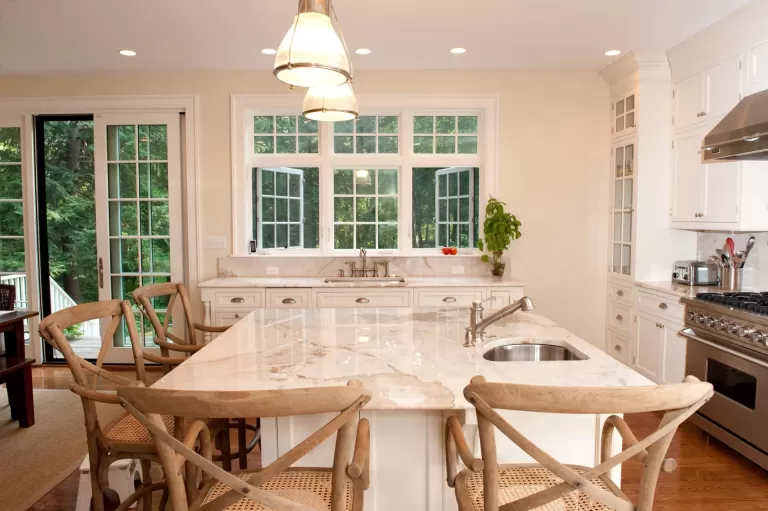
- Usage: Consider how the stone will be used. High-traffic areas like kitchens may require more durable stone and sealing options.
- Maintenance: Understand the maintenance requirements of the specific type of stone you choose, including how often it needs to be sealed and cleaned.
- Professional Installation: Engaging a reputable stone fabricator or installer ensures that the stone is properly sealed and installed according to best practices.
Final Thoughts
Sealing natural stone is a critical step in maintaining its beauty and functionality, especially in environments like Georgia where humidity and temperature can impact its performance. By understanding the importance of sealing, the types of sealers available, and the factors to consider before installation, you can make informed decisions that will enhance the longevity of your natural stone surfaces.
For the best results, partner with professionals who specialize in natural stone and sealing processes. Contact Builder Stone Global today to learn more about our premium quartz, porcelain, and natural stone offerings and to schedule a consultation with our surface specialists.
Frequently Asked Questions
1. How often should I seal my natural stone?
The frequency of sealing depends on the type of stone and usage, but generally, it should be done every 1-3 years.
2. Can I seal my natural stone myself?
Yes, but for optimal results, it’s recommended to hire a professional who understands the sealing process and products.
3. What happens if I don’t seal my natural stone?
Without sealing, natural stone can absorb stains, moisture, and become damaged, leading to costly repairs.
4. Is there a difference between sealers for different types of natural stone?
Yes, different stones may require specific types of sealers based on their porosity and composition.
5. How do I know if my stone needs sealing?
Perform a water test by placing drops of water on the surface. If it absorbs quickly, it needs sealing.
6. What are the best cleaning products for sealed natural stone?
Use pH-balanced cleaners specifically designed for natural stone to avoid damaging the sealant.
7. Can sealing change the appearance of my natural stone?
Sealing can enhance the colors and patterns of your stone, but it shouldn’t significantly change its appearance.
8. Are there any risks to sealing natural stone?
Using improper products or application techniques can lead to issues, which is why professional help is recommended.
For further inquiries or to explore our selection of natural stone, please contact our team or check our live inventory for available slabs.