Guide to Choosing Between Quartz and Quartzite for Clients
Guide to Choosing Between Quartz and Quartzite for Clients
When it comes to selecting the right materials for countertops, surfaces, and architectural designs, understanding the differences between quartz and quartzite is crucial for professionals guiding their clients. Both materials offer unique benefits and aesthetic qualities, but they also have distinct characteristics that can influence the decision-making process. In this comprehensive guide, we will explore how knowledge of quartz vs. quartzite helps professionals provide informed recommendations to their clients, ensuring they choose the best material for their specific needs. This article will cover the properties, applications, maintenance, and advantages of each material while offering expert insights to elevate your understanding.
Understanding Quartz and Quartzite
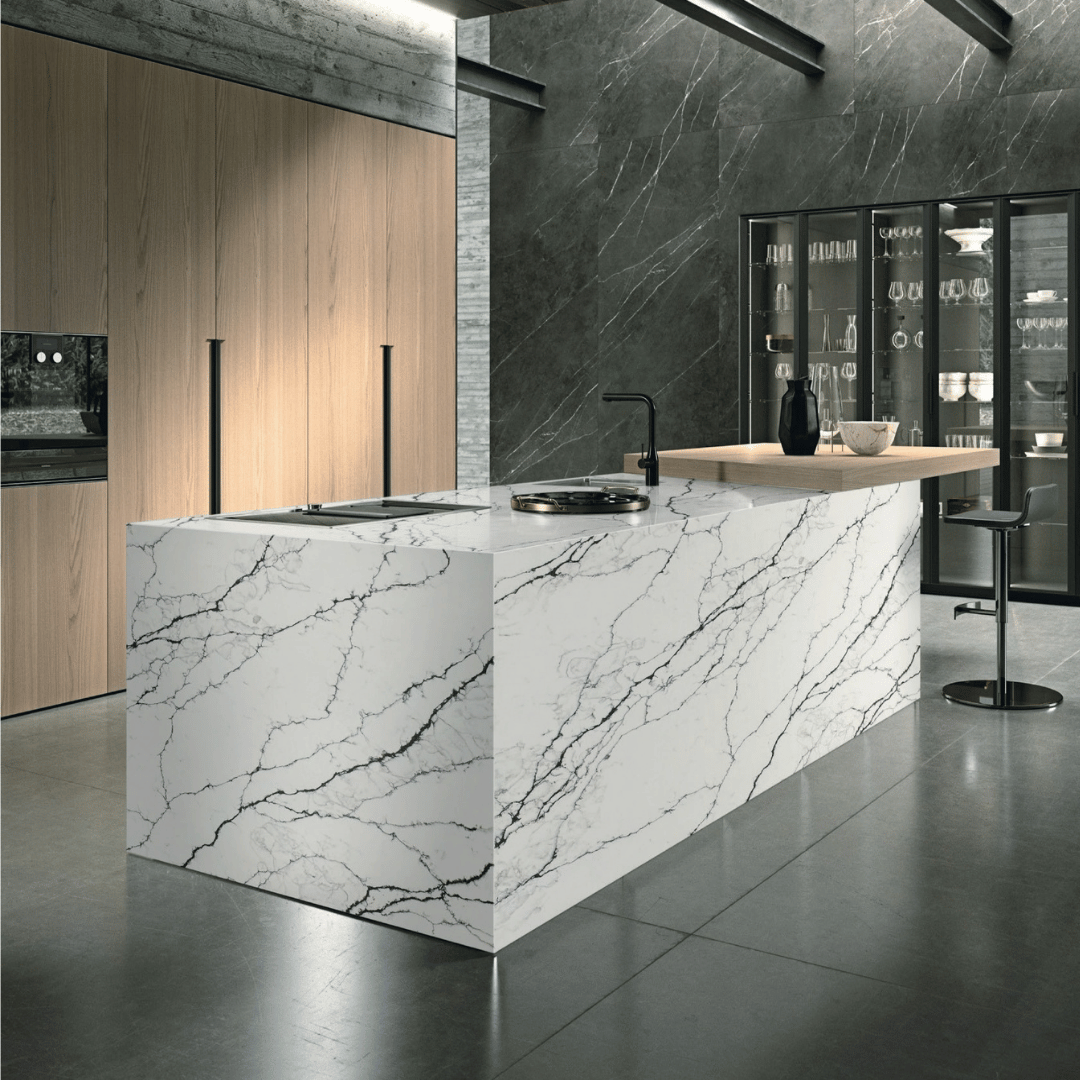
Quartz is an engineered stone made from approximately 90-95% crushed natural quartz crystals combined with resins, polymers, and pigments. This composition results in a non-porous surface that is highly resistant to stains and scratches. Quartz comes in a wide variety of colors and patterns, allowing for customization that meets the aesthetic preferences of homeowners and designers alike.
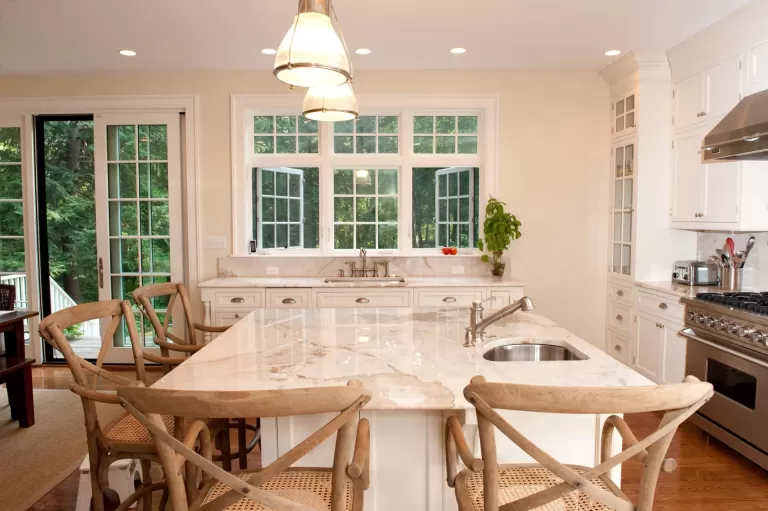
On the other hand, quartzite is a natural metamorphic rock formed from sandstone and subjected to high pressure and heat over time. This process transforms the sandstone into a dense, durable material. Quartzite is known for its unique veining and natural beauty, making it a popular choice for those seeking a more organic appearance.
Key Differences Between Quartz and Quartzite
Understanding the differences between quartz and quartzite is essential for professionals advising clients. Here are some key distinctions:
| Feature | Quartz | Quartzite |
|---|---|---|
| Composition | Engineered stone (90-95% quartz crystals, resins) | Natural stone (metamorphic rock) |
| Porosity | Non-porous | Generally porous, requires sealing |
| Color Variety | Wide range of colors and designs | Natural colors with unique veining |
| Durability | Highly durable, resistant to scratches | Very durable, can chip or crack under impact |
| Maintenance | Easy to clean, no sealing required | Requires sealing to maintain stain resistance |
| Cost | Typically less expensive | Can be more costly due to quarrying and processing |
As demonstrated in the table above, these materials have different characteristics that may influence a client’s decision based on their specific needs and preferences.
Advantages of Quartz
Professionals should highlight the advantages of quartz when discussing options with clients:
- Versatility: Quartz can mimic the look of natural stone, providing a broad range of design possibilities. This versatility makes it suitable for various applications, from kitchen countertops to bathroom vanities.
- Durability: With its high resistance to scratches, stains, and heat, quartz is ideal for busy households and commercial spaces. This durability ensures longevity and minimal maintenance.
- Non-Porous Surface: The non-porous nature of quartz prevents bacteria growth, making it a hygienic choice for food preparation areas.
- Ease of Maintenance: Unlike natural stones that require sealing, quartz surfaces are easy to clean with mild soap and water, making upkeep simple.
Advantages of Quartzite
Conversely, quartzite offers its own set of benefits that professionals should communicate to clients:
- Natural Aesthetic: Quartzite’s unique veining and colors provide an organic beauty that is hard to replicate, making it a sought-after choice for high-end designs.
- Heat Resistance: Quartzite can withstand high temperatures, making it an excellent choice for kitchen countertops where hot pots and pans are frequently placed.
- High Durability: Quartzite is incredibly hard and resistant to wear, making it a suitable option for high-traffic areas.
- Unique Patterns: Each slab of quartzite is unique, offering a one-of-a-kind appearance that adds value to any space.
Maintenance and Care for Quartz and Quartzite
Understanding the maintenance requirements of both materials is crucial for providing clients with realistic expectations:
Caring for Quartz
Quartz surfaces require minimal maintenance:
- Wipe down with mild soap and water.
- Avoid harsh chemicals that can damage the resin.
- No sealing is necessary.
Caring for Quartzite
Quartzite requires more attention:
- Regular sealing is recommended to protect against stains.
- Clean with pH-balanced cleaners to avoid etching the surface.
- Use coasters and cutting boards to prevent scratches.
Choosing the Right Material for Your Project
When advising clients on whether to choose quartz or quartzite, consider the following factors:
- Project Type: For busy kitchens or commercial spaces, quartz may be the better option due to its durability and ease of maintenance.
- Aesthetic Preference: If a natural look with unique veining is essential, quartzite might be the preferred choice.
- Budget Considerations: Discuss the cost differences, as quartz is generally more affordable than quartzite, which may influence the decision.
- Long-Term Maintenance: Ensure clients understand the maintenance requirements for each material to align with their lifestyle and expectations.
Expert Tips for Professionals
To further assist clients in their decision-making process, consider these expert tips:
Conclusion
In summary, understanding the differences between quartz and quartzite is essential for professionals guiding clients in selecting the right materials for their projects. By highlighting the unique advantages and maintenance requirements of each material, you can empower your clients to make informed decisions that align with their design vision, lifestyle, and budget. For those in Norcross and the greater Atlanta area seeking premium quartz and quartzite slabs, Builder Stone Global offers an extensive selection of high-performance surfaces that cater to a variety of architectural needs.
Frequently Asked Questions
1. What is the main difference between quartz and quartzite?
Quartz is an engineered stone made from quartz crystals and resins, while quartzite is a natural stone formed from sandstone. Quartz is non-porous, whereas quartzite is generally porous and requires sealing.
2. Is quartz more expensive than quartzite?
Typically, quartz is less expensive than quartzite due to the manufacturing process of engineered stone compared to the quarrying of natural stone.
3. How do I maintain quartz surfaces?
Quartz surfaces require minimal maintenance; simply clean with mild soap and water, and no sealing is needed.
4. Does quartzite require sealing?
Yes, quartzite is porous and should be sealed regularly to prevent staining and enhance durability.
5. Can quartz be used outdoors?
While quartz can be used outdoors, it may not be as UV resistant as quartzite, which is more suitable for outdoor applications.
6. Are there color limitations with quartz?
No, quartz offers a wide range of colors and patterns due to its engineered nature, allowing for extensive customization.
7. How can I tell if a slab is quartz or quartzite?
Quartz slabs often have a consistent pattern and color, while quartzite features unique veining and natural imperfections.
8. What are the best applications for quartz and quartzite?
Quartz is ideal for busy kitchens and bathrooms due to its durability, while quartzite is perfect for high-end designs and areas requiring a natural aesthetic.