The Complete Guide to Comparing Quartz, Porcelain, Granite, and Quartzite for Kitchen Use
The Complete Guide to Comparing Quartz, Porcelain, Granite, and Quartzite for Kitchen Use
Choosing the right material for your kitchen surfaces is a pivotal decision that impacts both the functionality and aesthetic appeal of your culinary space. As a leading quartz slab distributor in Norcross, GA, we understand the nuances of surface materials. In this comprehensive guide, we will delve into the characteristics, benefits, and drawbacks of quartz, porcelain, granite, and quartzite, empowering you to make an informed choice for your kitchen. Whether you’re a homeowner, interior designer, or contractor, this guide is designed to provide you with the expertise you need to elevate your space with premium quality surfaces.
1. Understanding the Materials
Before diving into the comparisons, it’s essential to understand what each material is and its unique properties:
1.1 Quartz
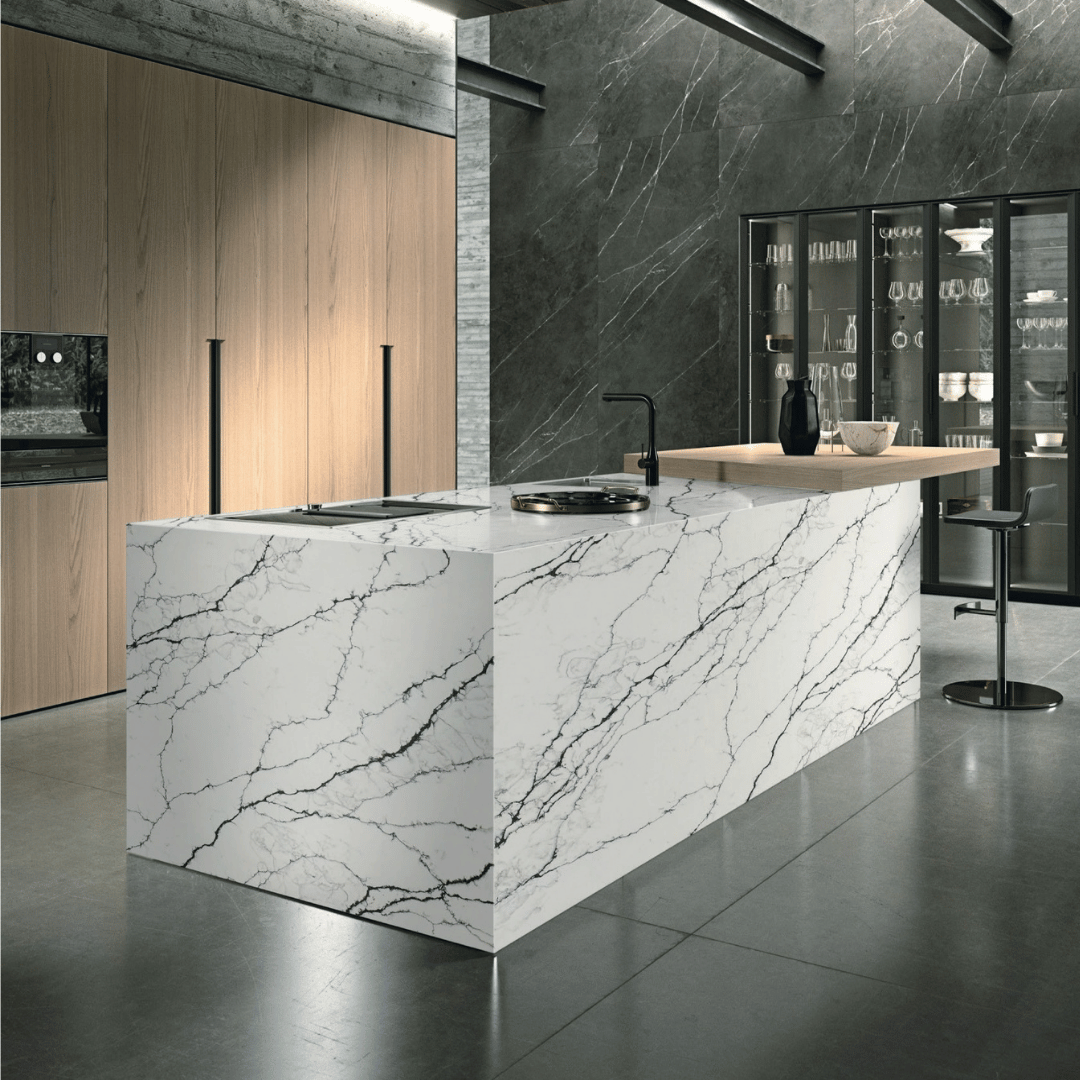
Quartz is an engineered stone made from approximately 90-95% crushed natural quartz crystals mixed with resins and pigments. This combination results in a non-porous surface that is highly resistant to stains and scratches. Its uniform appearance offers a modern aesthetic, making it a popular choice for contemporary kitchens.
1.2 Porcelain
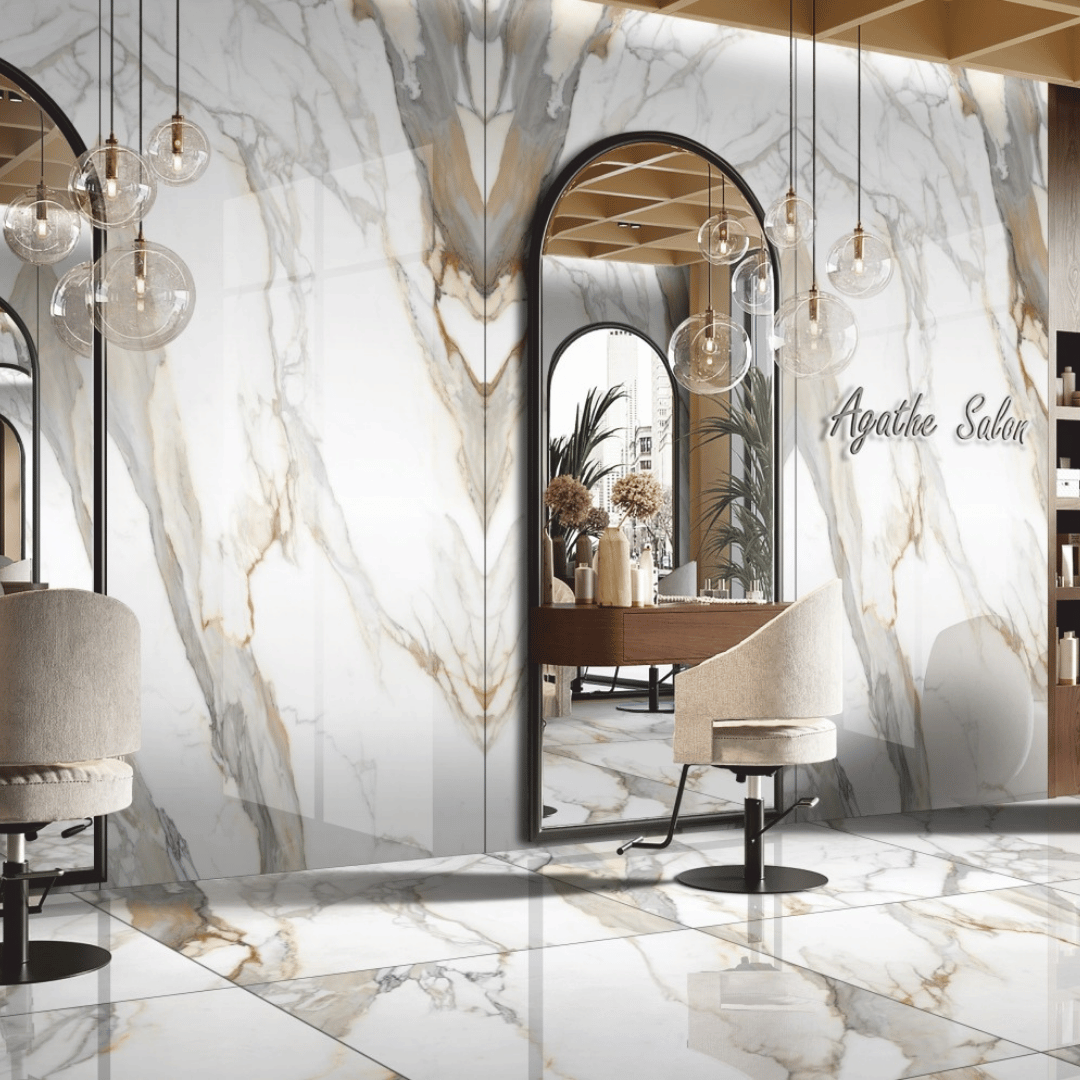
Porcelain is a type of ceramic made from a refined clay that is fired at high temperatures. This process creates a dense, durable, and water-resistant material. Porcelain slabs can mimic the appearance of natural stone, providing versatility in design while ensuring long-lasting performance.
1.3 Granite
Granite is a natural stone that is renowned for its beauty and durability. Formed from cooled magma, it is available in a wide range of colors and patterns. Granite is porous and requires sealing to prevent stains, but its natural variations and unique patterns contribute to its charm.
1.4 Quartzite
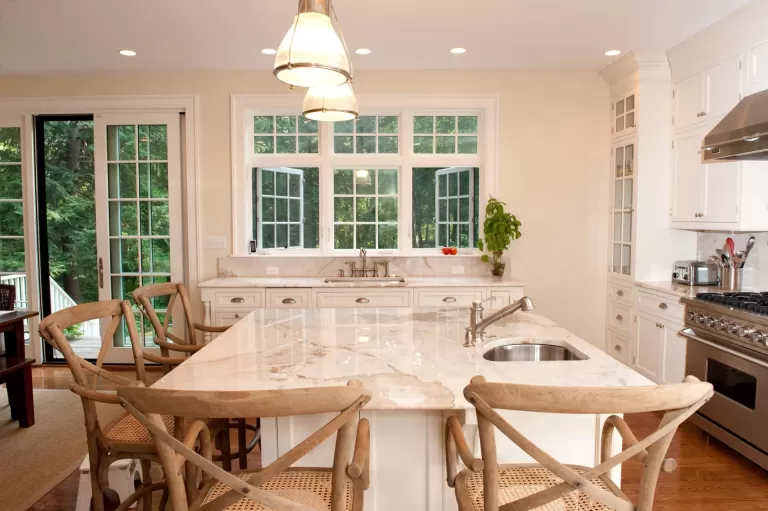
Quartzite is a metamorphic rock derived from sandstone, making it incredibly hard and durable. It is often confused with quartz due to its name but is a completely natural stone. Quartzite offers stunning aesthetics with its unique veining and colors, making it an excellent choice for high-end kitchen designs.
2. Key Comparisons
When comparing these four materials, several factors come into play, including durability, maintenance, aesthetics, and cost. The following table summarizes the key characteristics:
| Feature | Quartz | Porcelain | Granite | Quartzite |
|---|---|---|---|---|
| Durability | High | Very High | High | Very High |
| Stain Resistance | Excellent | Excellent | Good (requires sealing) | Good (requires sealing) |
| Scratch Resistance | High | Very High | High | Very High |
| Heat Resistance | Good | Excellent | Excellent | Excellent |
| Maintenance | Low | Low | Moderate (requires sealing) | Moderate (requires sealing) |
| Cost (per sq. ft.) | $50-$100 | $40-$100 | $50-$150 | $60-$120 |
This table illustrates that while all four materials offer durability and aesthetic appeal, they differ significantly in terms of maintenance and cost. For instance, if you seek a low-maintenance option, quartz or porcelain may be preferable.
3. Aesthetic Considerations
The visual appeal of your kitchen surfaces is crucial to creating the desired atmosphere. Here’s how each material stacks up:
3.1 Quartz
Quartz surfaces are available in a wide variety of colors and patterns, thanks to the versatility of resins. This allows for custom designs that can match any kitchen theme. The non-porous nature of quartz also ensures a uniform look without the natural variations found in stone.
3.2 Porcelain
Porcelain can mimic the appearance of natural stone, wood, or even concrete, making it a versatile option for various design aesthetics. Its ability to be printed with intricate designs allows for stunning visuals that can enhance modern kitchen styles.
3.3 Granite
The natural beauty of granite is unmatched, with each slab offering unique patterns and colors. This individuality is a significant draw for many homeowners. The depth and richness of granite can add a luxurious feel to any kitchen space.
3.4 Quartzite
Quartzite is known for its striking visual appeal, often featuring dramatic veining and rich colors. Its natural beauty makes it a favorite among designers looking to create high-end, luxurious kitchens. The unique patterns in quartzite can serve as a stunning focal point.
4. Durability and Maintenance
Durability is a critical factor in choosing kitchen surfaces, especially in high-traffic areas. Here’s how each material performs:
4.1 Quartz
Quartz is highly durable, resistant to scratches, stains, and impact. Its non-porous surface means it does not harbor bacteria, making it a hygienic choice for kitchens. Cleaning quartz is easy, requiring only soap and water.
4.2 Porcelain
Porcelain is incredibly durable, withstanding high heat and heavy use. It is also resistant to moisture and stains, making it an ideal choice for kitchens. Regular cleaning with mild detergents will keep porcelain looking new.
4.3 Granite
While granite is durable, it is porous and requires regular sealing to maintain its resistance to stains. It can withstand heat and scratches, but homeowners must be cautious with acidic substances that can etch the surface.
4.4 Quartzite
Quartzite is one of the hardest surfaces available, offering exceptional durability. Like granite, it requires sealing to prevent staining. However, it is highly resistant to scratches and heat, making it a robust option for busy kitchens.
5. Cost Analysis
Understanding the cost implications of each material is vital for budgeting your kitchen renovation. Here’s a breakdown:
- Quartz: Ranges from $50 to $100 per square foot, depending on the brand and design.
- Porcelain: Typically costs between $40 to $100 per square foot, making it a cost-effective option for many homeowners.
- Granite: Prices range from $50 to $150 per square foot, influenced by the rarity of the stone and the complexity of the installation.
- Quartzite: Generally priced between $60 and $120 per square foot, reflecting its premium nature as a natural stone.
When considering costs, it’s essential to factor in both material and installation expenses. Partnering with a reliable kitchen countertop slab supplier can also help you navigate these costs effectively.
6. Expert Tips for Choosing the Right Material
Here are some additional tips:
- Assess Your Cooking Habits: If you cook frequently, opt for heat-resistant materials like porcelain or quartzite.
- Consider Aesthetic Preferences: Choose a material that complements your kitchen design. For a modern look, quartz or porcelain may be ideal, while granite and quartzite suit traditional styles.
- Evaluate Maintenance Needs: If you prefer low-maintenance options, quartz and porcelain are excellent choices.
- Consult with Experts: Visit our Norcross showroom to see materials in person and receive expert guidance.
7. Conclusion
Choosing the right surface material for your kitchen is a decision that influences both functionality and style. Quartz, porcelain, granite, and quartzite each offer unique benefits and considerations. By understanding these materials’ characteristics, you can make an informed choice that aligns with your needs and preferences. For premium quality surfaces and expert advice, contact Builder Stone Global today to speak with our surface specialists.
8. FAQs
What is the most durable kitchen countertop material?
Porcelain and quartzite are among the most durable materials, offering exceptional resistance to scratches and heat.
How do I maintain granite countertops?
Granite countertops require regular sealing to prevent stains and should be cleaned with mild soap and water.
Is quartz more expensive than granite?
Quartz generally ranges from $50 to $100 per square foot, while granite can cost between $50 and $150, depending on the stone’s rarity.
Can porcelain countertops crack?
While porcelain is highly durable, it can crack under extreme impact. However, it is less likely to scratch or stain compared to natural stones.
What are the best colors for quartz countertops?
Neutral colors, such as whites, grays, and beiges, are popular choices. However, quartz is available in a broad spectrum of colors to match any kitchen design.
How does quartz compare to quartzite?
Quartz is engineered and non-porous, while quartzite is a natural stone known for its unique patterns and requires sealing.
Can I use acidic cleaners on granite?
It is advisable to avoid acidic cleaners on granite as they can etch the surface. Use pH-balanced cleaners instead.
Are there eco-friendly options for countertops?
Yes, some manufacturers offer eco-friendly quartz made from recycled materials. Additionally, natural stones like granite and quartzite are sustainable options.