Stone Trends That Are Already Over in Atlanta (And What Replaced Them)
Stone Trends That Are Already Over in Atlanta (And What Replaced Them)
As the architectural and design landscape continues to evolve, so do the trends in materials, particularly when it comes to stone. In Atlanta, a city known for its rich history and modern development, certain stone trends have seen their heyday come and go. This article explores the stone trends that are already over in Atlanta and highlights the innovative materials and designs that have taken their place.
1. The Decline of Overly Textured Surfaces
In the past, heavily textured stone surfaces, such as rough-hewn granite and excessively patterned quartz, were popular for both residential and commercial spaces. These materials often created a rustic appeal but have fallen out of favor due to their maintenance challenges and the desire for cleaner aesthetics.
What has replaced them? Smooth, polished finishes are now the go-to option, offering a sleek and sophisticated look. Homeowners and designers favor materials like HD quartz and large format porcelain slabs, which provide a modern feel while being easier to clean and maintain.
2. Heavy Dark Stones
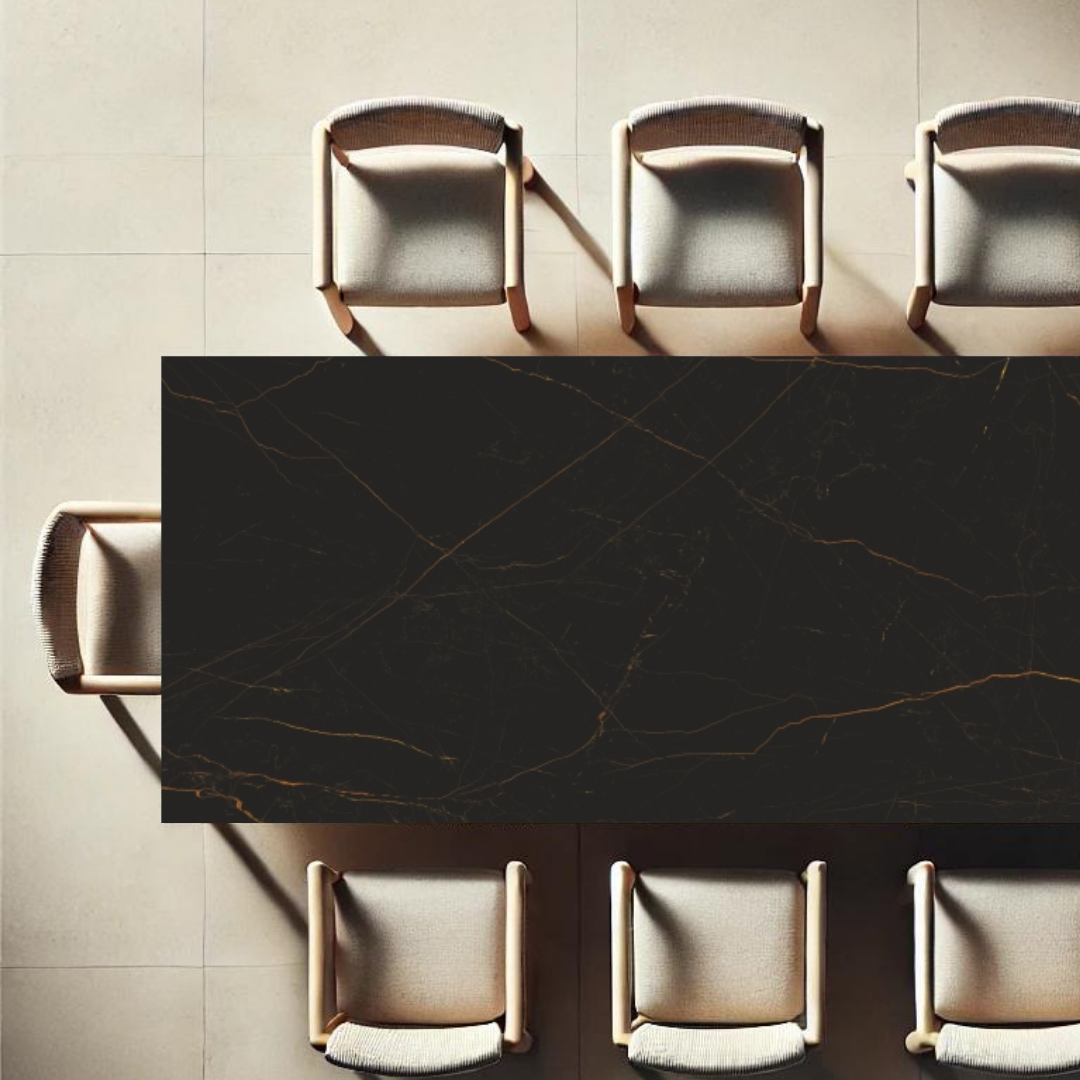
Heavy dark stones, such as black granite and dark slate, previously dominated kitchen and bathroom designs. Their dramatic look was often seen as luxurious. However, the trend has shifted as homeowners seek lighter, brighter spaces that create an illusion of larger areas.
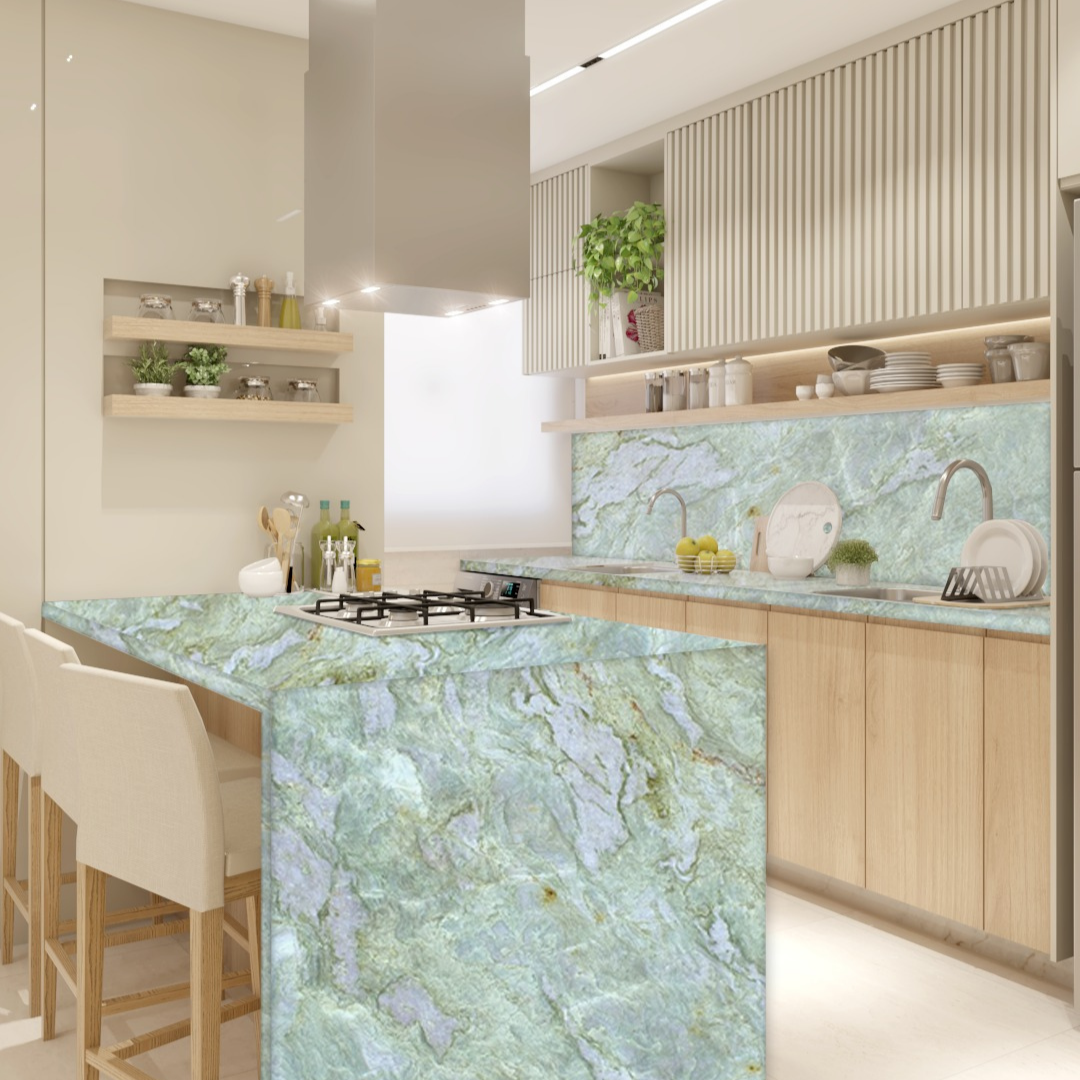
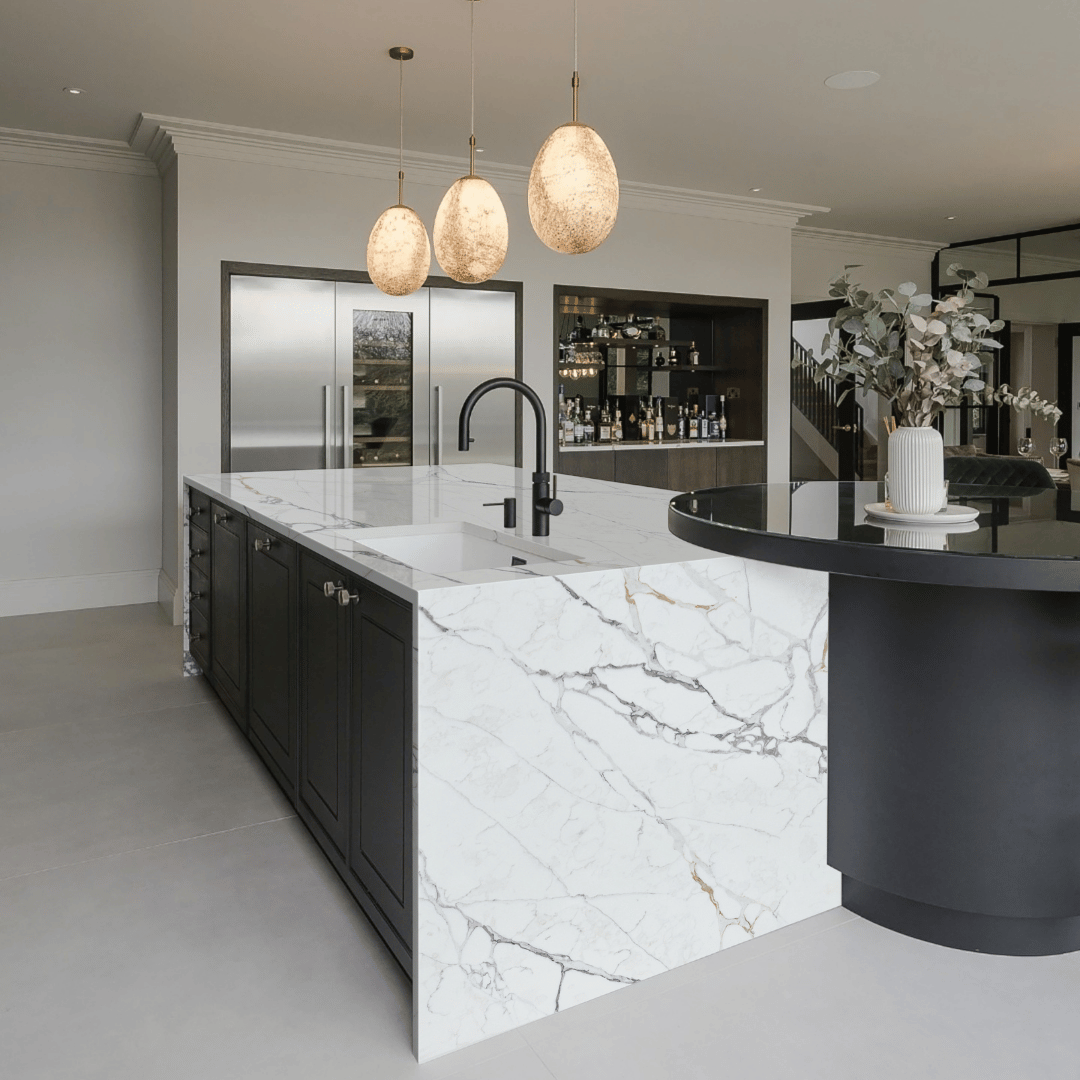
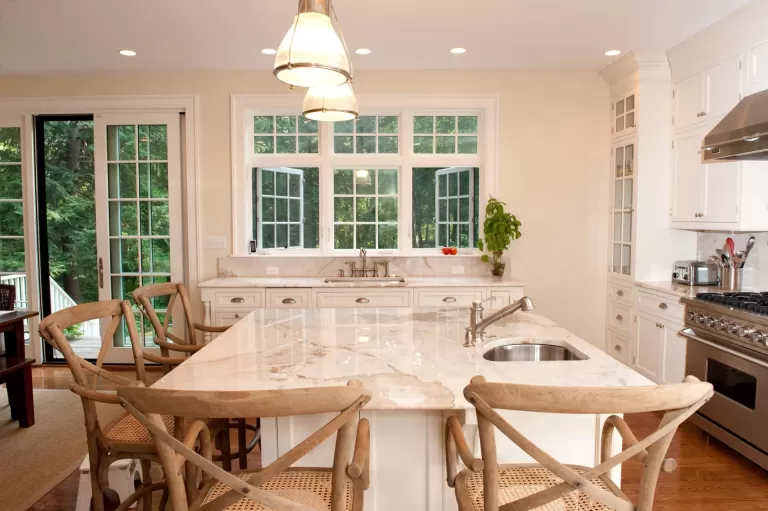
In their place, lighter stones like white quartz, soft beige, and light-colored marble have emerged, reflecting a desire for airy, open environments. These materials not only enhance natural light but also pair well with a variety of color palettes, making them versatile choices for any design.
3. Standardized Slab Sizes
Standardized slab sizes were once the norm, limiting creativity in design and installation. This approach often led to visible seams and less cohesive looks in countertops and walls.
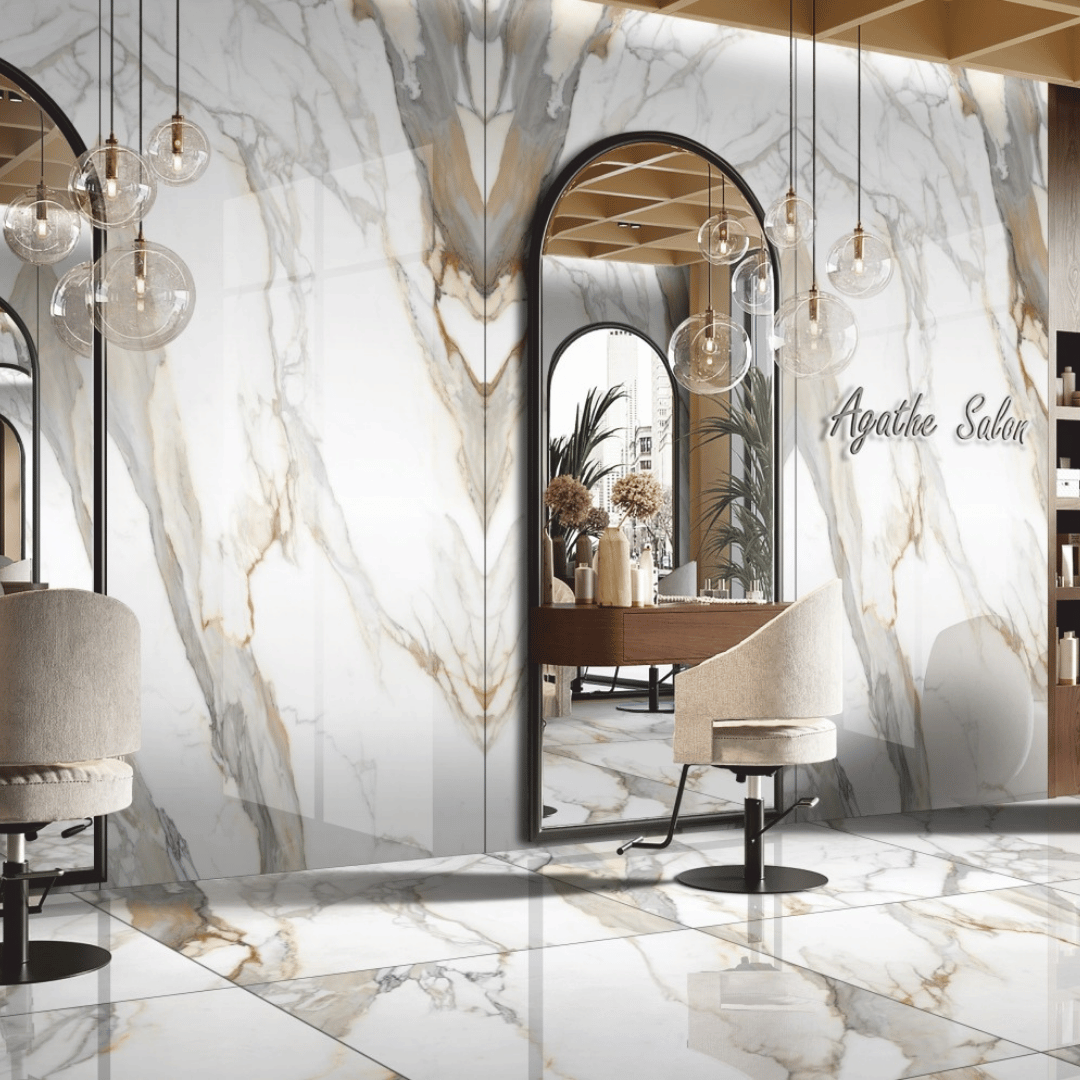
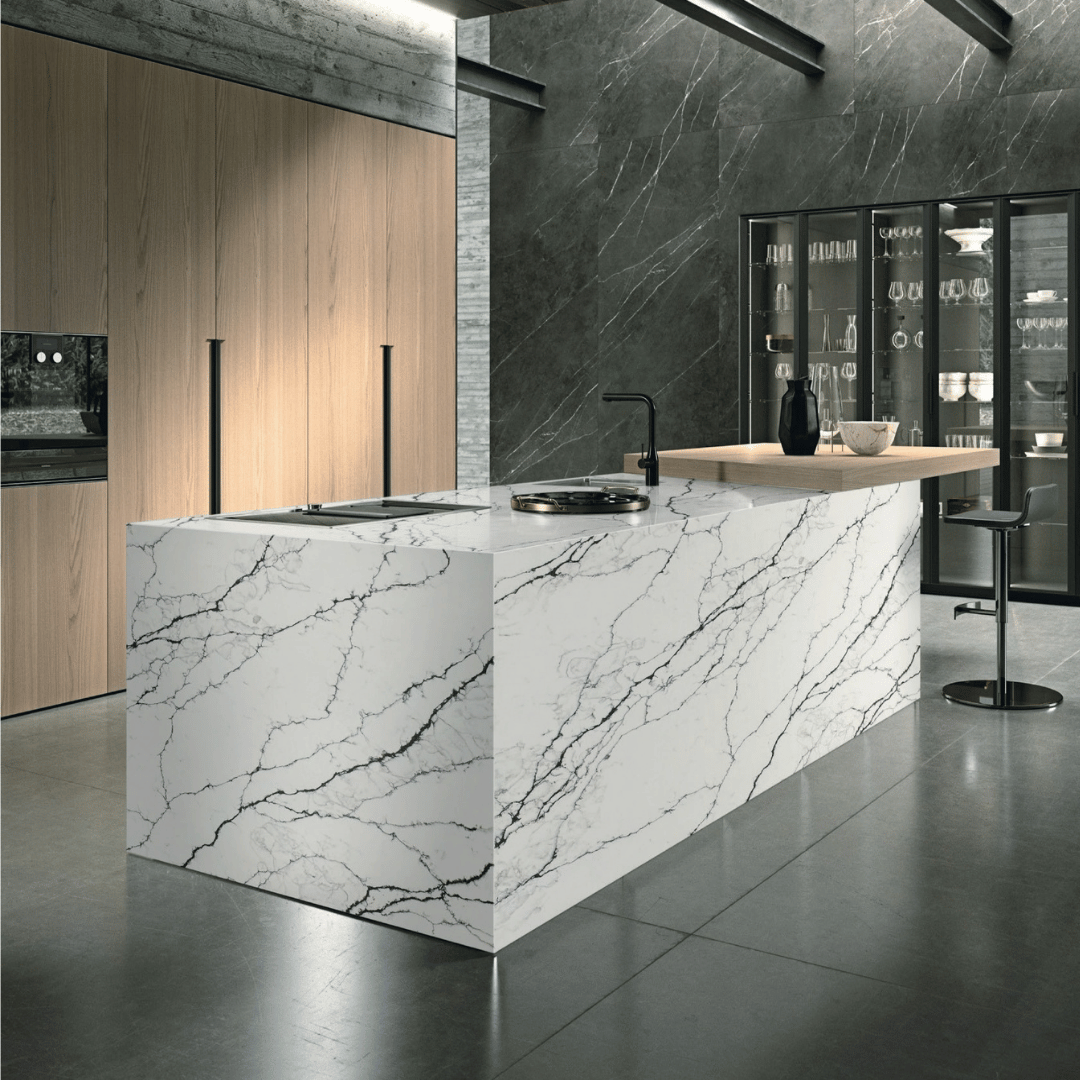
Today, custom-sized slabs are gaining traction, allowing for seamless installations and unique designs. Architectural-grade slab sizing enables fabricators and designers to create bespoke solutions that enhance the beauty of any space, reducing the need for unsightly seams.
4. Unfinished Stone Edges
Unfinished or raw stone edges were once embraced for their rustic charm. However, as modern designs lean towards clean lines and polished finishes, these edges have become less desirable.
In response, many homeowners are opting for refined edge profiles that enhance the overall sophistication of their stone installations. Options such as beveled, bullnose, and mitered edges provide a finished look that complements contemporary aesthetics.
5. Single-Use Materials
Single-use materials, like traditional granite and marble, were favored for their unique patterns and appearances. However, as sustainability and versatility become more important in design, these materials have been pushed aside.
Modern designs now prioritize multi-functional surfaces, such as HD quartz and engineered stone that can withstand various applications, from countertops to backsplashes and flooring. These materials offer durability, style, and a lower environmental impact, making them ideal for the conscious consumer.
6. The Fall of Matching Stone and Tile
Matching stone and tile combinations used to be a staple in bathrooms and kitchens, creating a uniform look. This trend has waned as designers embrace contrast and texture to add depth and interest to spaces.
Instead, many are now mixing materials and finishes, combining different types of stone with complementary colors and patterns. This approach not only showcases creativity but also allows spaces to feel more dynamic and personalized.
Conclusion
As Atlanta’s design scene continues to evolve, so too does the use of stone in architecture and interiors. Trends that once ruled the market are being replaced by innovative materials and designs that prioritize cleanliness, versatility, and sustainability. With the rise of premium quartz, porcelain, and natural stone slabs, homeowners and designers alike can create beautiful, functional spaces that are both on-trend and timeless.