Choosing the Best Stone for Outdoor Living in Georgia’s Heat and Rain
Choosing the Best Stone for Outdoor Living in Georgia’s Heat and Rain
As homeowners in Georgia embrace outdoor living spaces, the choice of materials becomes paramount, especially when considering the state’s unique climate challenges. The Georgia heat and rain can be unforgiving, making it crucial to select the right stone for your outdoor areas. This article will guide you through the best options for stone surfaces that can withstand the elements while enhancing your outdoor aesthetics. You will learn about the properties of various stones, their maintenance, and how to choose materials that offer durability and beauty.
Understanding Georgia’s Climate
Georgia’s climate is characterized by hot summers and mild winters, with a significant amount of rainfall throughout the year. According to the National Oceanic and Atmospheric Administration (NOAA), Georgia receives an average of 50 inches of rain annually, primarily concentrated in spring and summer (source: NOAA). This combination of heat and moisture creates specific challenges for outdoor materials, particularly stone.
The high humidity levels can lead to mold and mildew growth, while the intense sun exposure can cause fading and deterioration of certain materials. Therefore, selecting stones that are both aesthetically pleasing and resilient to these conditions is essential.
Why Choose Stone for Outdoor Living?
Stone is a popular choice for outdoor living spaces due to its natural beauty, durability, and versatility. Here are several reasons why stone is an excellent material for your outdoor projects:
- Durability: Stone surfaces can withstand the elements better than many other materials, making them ideal for outdoor use.
- Low Maintenance: Many stone types require minimal maintenance, saving you time and effort in upkeep.
- Aesthetic Appeal: Natural stone adds a timeless elegance to outdoor spaces, enhancing the overall design.
- Variety: With numerous options such as granite, quartzite, and porcelain slabs, homeowners can find the perfect stone to match their style.
Best Stone Options for Outdoor Living in Georgia
When selecting stone for outdoor living spaces in Georgia, consider the following options:
1. Granite
Granite is one of the most durable stones available, making it a popular choice for outdoor countertops, patios, and walkways. It is resistant to scratches, heat, and moisture, which is crucial in Georgia’s climate. Granite comes in a variety of colors and patterns, allowing homeowners to customize their outdoor spaces.
2. Quartzite
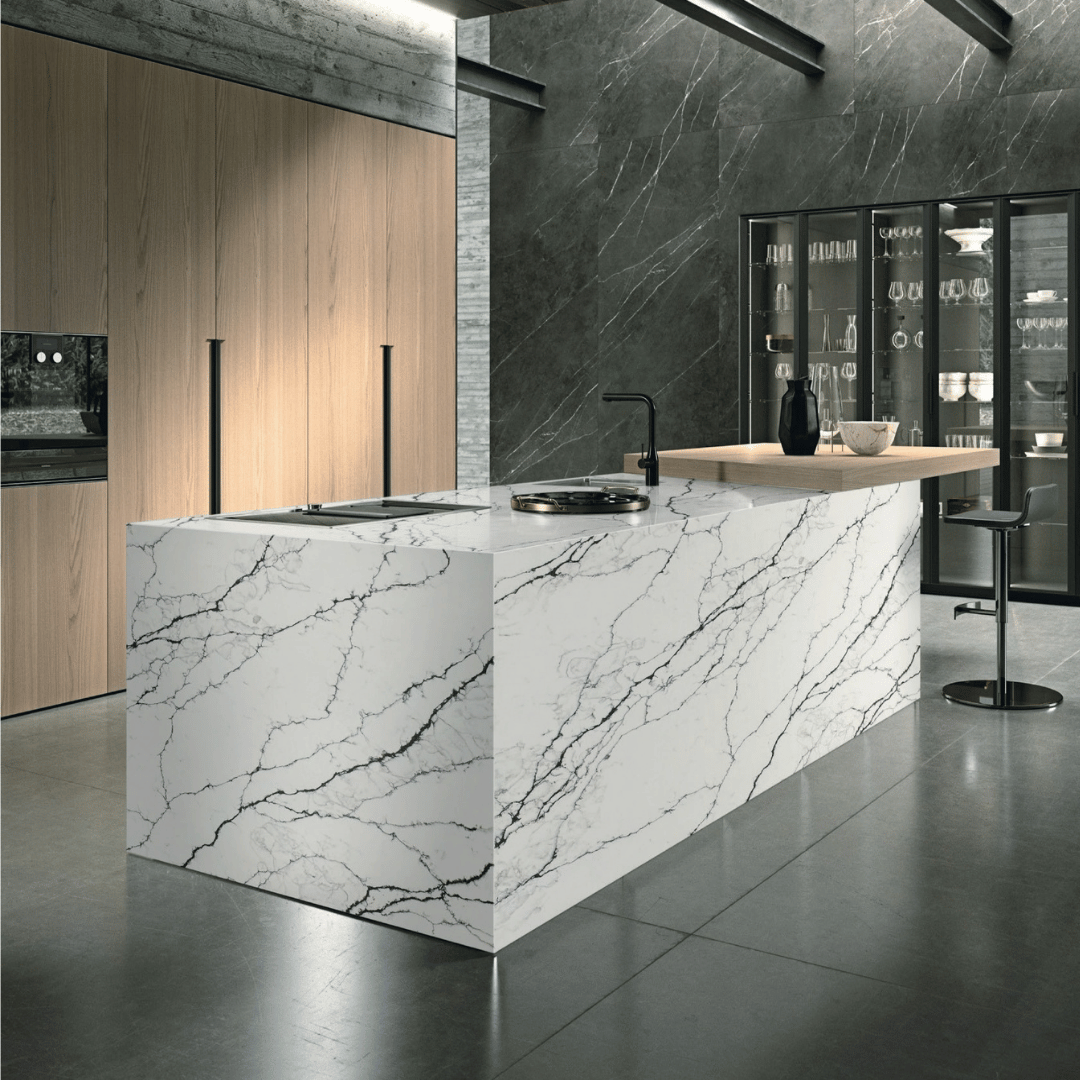
Quartzite is another excellent choice for outdoor surfaces due to its high durability and resistance to weathering. It is less porous than granite, which means it is less likely to absorb moisture and develop mold. Furthermore, quartzite offers stunning aesthetics with its unique veining and color variations, making it suitable for both countertops and flooring.
3. Porcelain Slabs
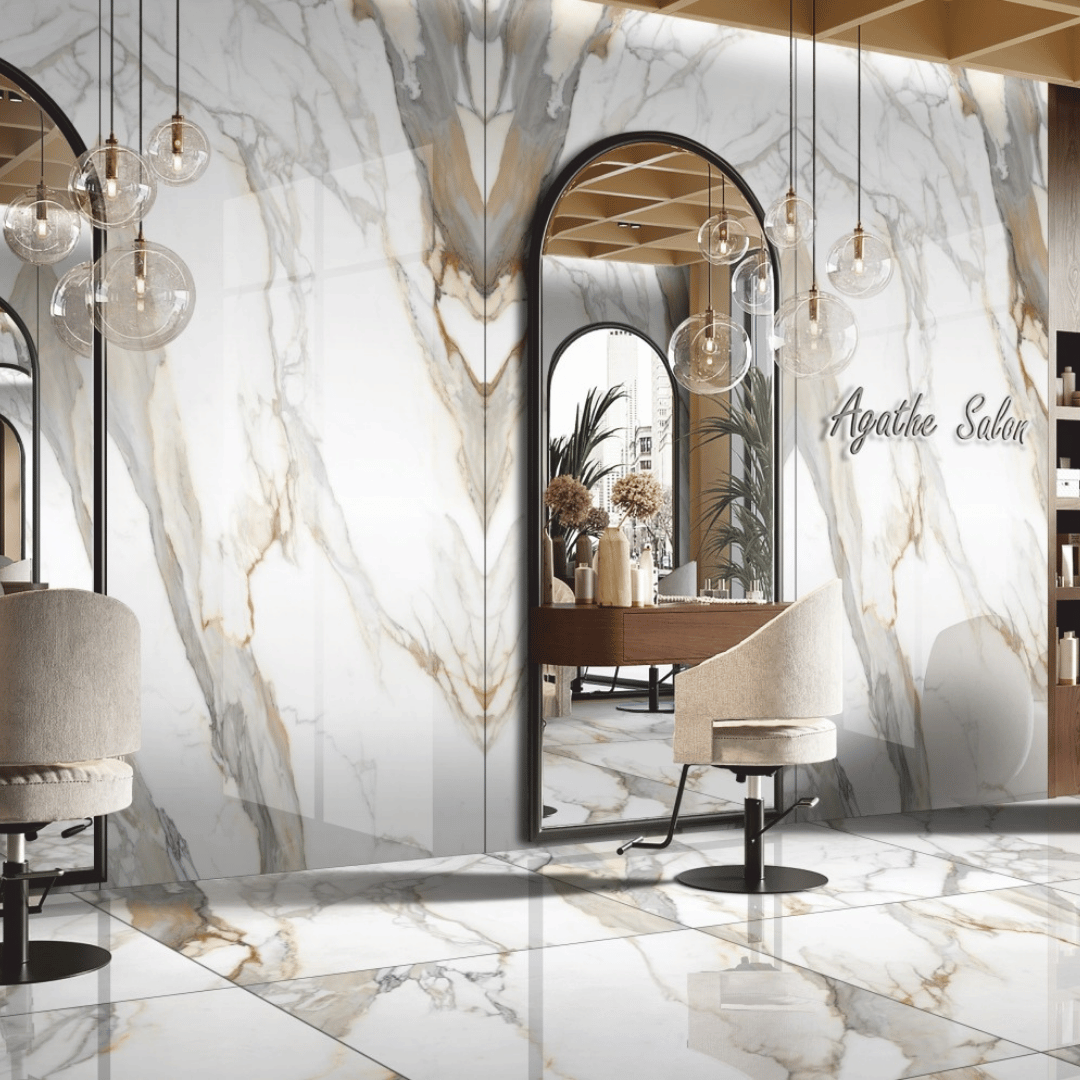
Porcelain slabs have gained popularity in recent years due to their versatility and performance. They are non-porous, highly resistant to stains, and can mimic the look of natural stone. Porcelain is also UV resistant, making it an excellent choice for outdoor applications where sunlight exposure is significant. For more information on porcelain slabs, check our comparison of full-body porcelain vs. standard porcelain.
4. Slate
Slate is a natural stone that offers a unique, rustic aesthetic. It is slip-resistant, making it ideal for pool areas and patios. While slate is durable, it is essential to seal it properly to prevent water absorption and staining, especially in Georgia’s humid conditions.
5. Limestone
Limestone is a softer stone that is more susceptible to weathering but can still be used effectively in outdoor settings. It is best suited for decorative features, such as garden paths or accent walls. Proper sealing is necessary to enhance its durability and prevent moisture damage.
| Stone Type | Durability | Maintenance | Aesthetic Appeal |
|---|---|---|---|
| Granite | High | Low | Variety of colors and patterns |
| Quartzite | High | Low | Unique veining and colors |
| Porcelain | High | Very Low | Mimics natural stone |
| Slate | Medium | Medium | Rustic appearance |
| Limestone | Medium | High | Soft, natural look |
Maintenance Tips for Outdoor Stone Surfaces
To ensure your outdoor stone surfaces remain beautiful and functional, follow these maintenance tips:
- Regular Cleaning: Use a mild soap and water solution to clean stone surfaces regularly. Avoid harsh chemicals that can damage the stone.
- Sealing: Seal porous stones like slate and limestone to prevent moisture absorption and staining. Reseal every 1-2 years, depending on wear.
- Prompt Stain Removal: Address spills immediately to prevent staining. Use a suitable cleaner for specific stains, such as oil or wine.
- Inspect for Damage: Regularly check for cracks or chips and address them promptly to prevent further damage.
Design Ideas for Outdoor Spaces
When designing your outdoor living space, consider the following ideas:
- Patio Areas: Use large format porcelain slabs for a modern, sleek patio that can withstand Georgia’s weather.
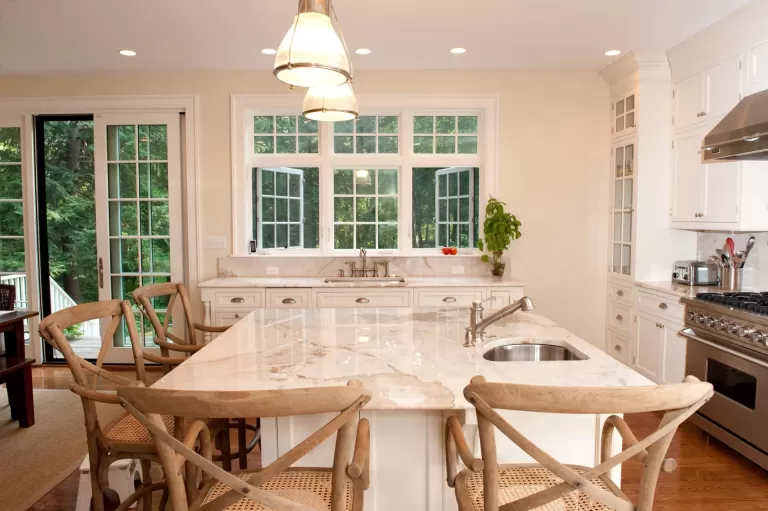
- Outdoor Kitchens: Incorporate granite or quartzite countertops for durability and elegance.
- Fire Pits: Surround fire pits with natural stone for a cozy, inviting atmosphere.
- Walkways: Use slate or flagstone for unique, textured walkways that are slip-resistant.
FAQs
What is the best stone for outdoor patios in Georgia?
Granite and quartzite are excellent choices for outdoor patios due to their durability and resistance to moisture.
How do I maintain stone surfaces in outdoor areas?
Regular cleaning with mild soap, sealing porous stones, and prompt stain removal are essential for maintenance.
Can porcelain slabs be used for outdoor surfaces?
Yes, porcelain slabs are highly durable, non-porous, and UV resistant, making them ideal for outdoor use.
Is limestone suitable for outdoor use?
Limestone can be used outdoors but requires proper sealing to prevent moisture damage.
What are the benefits of using natural stone for outdoor living?
Natural stone offers durability, low maintenance, and aesthetic appeal, making it a popular choice for outdoor spaces.
How often should I seal my outdoor stone surfaces?
Porous stones should be resealed every 1-2 years, while non-porous stones may require less frequent sealing.
What types of stone are slip-resistant?
Slate and textured flagstone are excellent choices for slip-resistant surfaces, especially around pools.
How can I enhance the aesthetics of my outdoor stone surfaces?
Incorporate landscaping, lighting, and decorative features to complement and enhance the beauty of your stone surfaces.
Conclusion
Choosing the right stone for outdoor living in Georgia’s heat and rain is essential for creating a beautiful and functional space. With options like granite, quartzite, and porcelain slabs, homeowners can find materials that withstand the elements while enhancing their outdoor aesthetics. Regular maintenance and careful design choices will ensure your outdoor areas remain inviting and durable for years to come. For more personalized advice and to explore our extensive inventory of premium stone options, contact our surface specialists or check our live inventory today!