



The Complete Guide to Fabricator Team Training on Slab Material Properties and Benefits
The Complete Guide to Fabricator Team Training on Slab Material Properties and Benefits
In the world of architectural surfaces, understanding the properties and benefits of different slab materials is crucial for fabricators aiming to deliver exceptional results. This guide provides an in-depth exploration of the essential training needed for fabricator teams, focusing on quartz, porcelain, and natural stone slabs. By equipping your team with the right knowledge, you ensure not only the quality of the finished product but also the satisfaction of clients who seek premium materials for their projects. In this article, we will cover the key properties of various slab materials, the benefits of each, and effective training strategies to enhance your fabricator team’s expertise.
1. Understanding Slab Material Properties
When it comes to fabricating countertops, backsplashes, or other architectural surfaces, understanding the properties of the materials being used is essential. Each type of slab has unique characteristics that influence its performance, aesthetics, and suitability for various applications.
Quartz Slabs
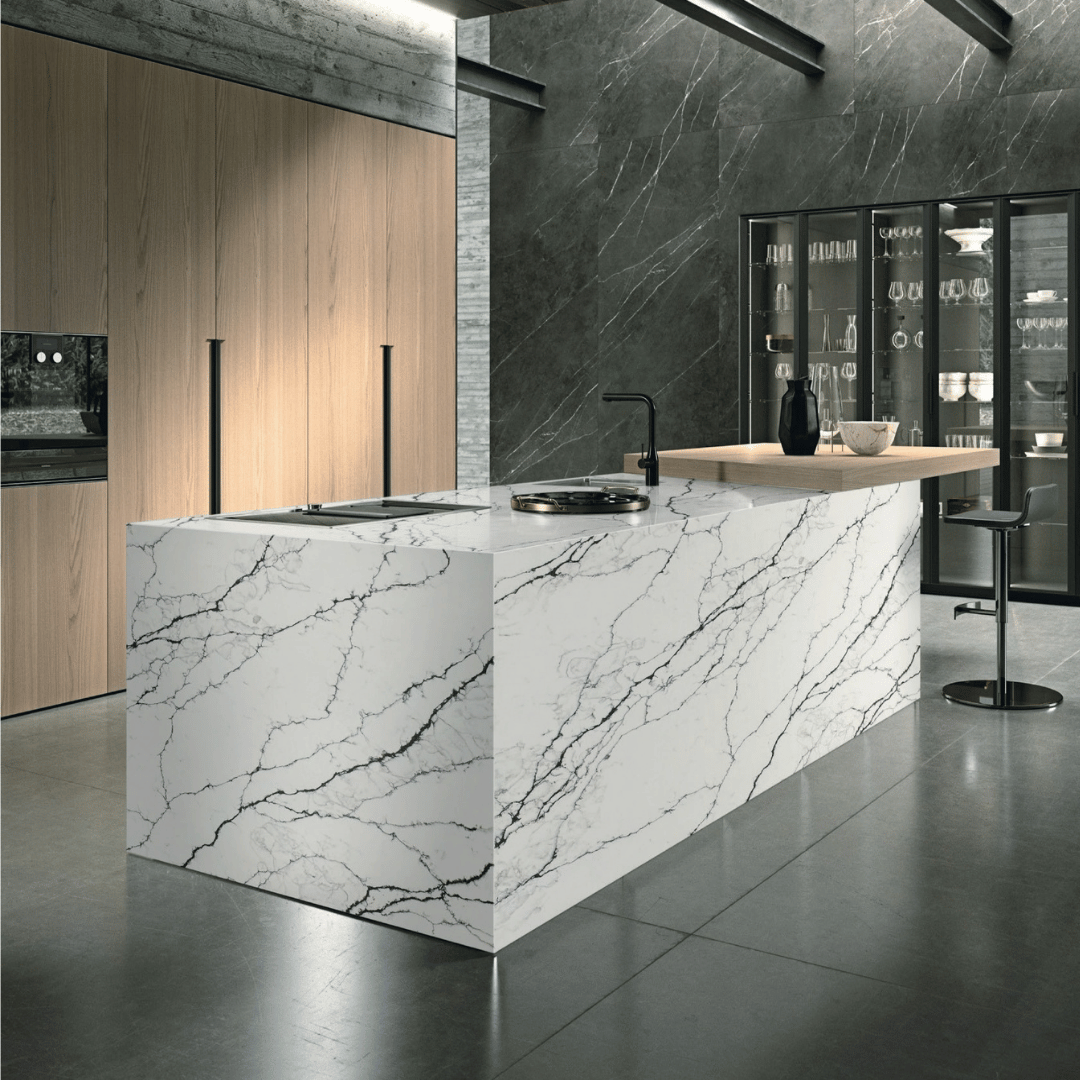
Quartz slabs are engineered surfaces composed of about 90-95% crushed natural quartz crystals mixed with resins and pigments. This process results in a non-porous, durable surface that is resistant to scratches, stains, and bacteria. Key properties include:
- Durability: Quartz is known for its high resistance to wear and tear, making it ideal for high-traffic areas.
- Design Versatility: Available in a vast array of colors and patterns, quartz can mimic the look of natural stone while offering uniformity.
- Low Maintenance: Unlike natural stone, quartz does not require sealing, which simplifies upkeep.
Porcelain Slabs
Porcelain slabs are made from a mixture of natural clay, feldspar, and other minerals, which are fired at high temperatures. This results in a dense, durable material with several advantageous properties:
- Heat Resistance: Porcelain can withstand high temperatures, making it suitable for kitchen surfaces.
- Scratch Resistance: The fired surface is hard and resistant to scratches, ideal for busy environments.
- Water Resistance: Porcelain’s low porosity prevents moisture absorption, reducing the risk of mold and stains.
Natural Stone Slabs
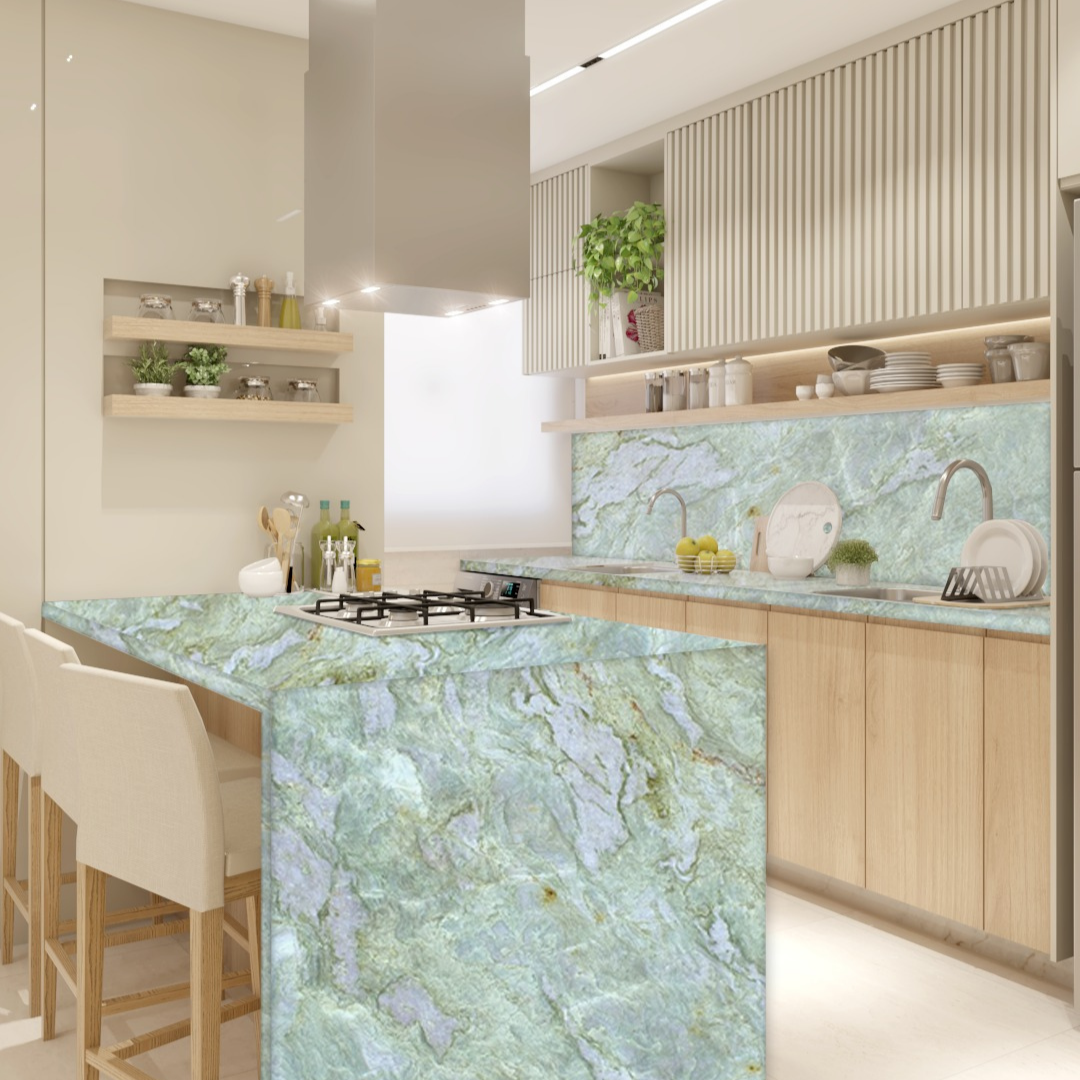
Natural stone, such as granite and quartzite, offers timeless beauty and unique patterns. Each type of stone has its own set of properties:
- Uniqueness: No two slabs are alike, providing a one-of-a-kind aesthetic.
- Longevity: With proper care, natural stone can last for decades.
- Heat and Scratch Resistance: While granite is generally resistant to heat and scratches, it is essential to note that some softer stones may require more care.
2. Benefits of Different Slab Materials
Understanding the benefits of each slab material is vital for fabricators to make informed recommendations to clients. Here’s a closer look at the benefits of quartz, porcelain, and natural stone:
Benefits of Quartz Slabs
- Consistency: Unlike natural stone, quartz offers consistent patterns and colors, allowing for uniformity in design.
- Non-Porous Surface: This property makes quartz slabs resistant to staining and bacteria, ensuring a hygienic surface.
- Customizability: Fabricators can create bespoke designs to meet specific client needs.
Benefits of Porcelain Slabs
- Lightweight: Porcelain slabs are lighter than many natural stone options, making them easier to handle and install.
- Versatile Applications: Suitable for both indoor and outdoor use, porcelain can be applied to walls, floors, and countertops.
- Environmentally Friendly: Many porcelain products are made from recycled materials, making them a sustainable choice.
Benefits of Natural Stone Slabs
- Timeless Appeal: Natural stone offers a classic aesthetic that never goes out of style.
- High Resale Value: Homes with natural stone features often see a higher resale value.
- Unique Aesthetics: The natural variations in color and pattern enhance the beauty of any space.
3. Training Techniques for Fabricator Teams
Training your fabricator team on slab material properties is essential for ensuring high-quality work and customer satisfaction. Here are some effective training techniques:
Hands-On Workshops
Conducting hands-on workshops allows fabricators to work directly with different slab materials. This practical experience helps them understand the nuances of each type, reinforcing theoretical knowledge.
Online Learning Modules
Utilizing online platforms to create learning modules can provide flexibility for your team. These modules can cover topics such as material properties, fabrication techniques, and maintenance tips.
Guest Speakers and Experts
Inviting industry experts to speak about the latest trends and advancements in slab materials can provide valuable insights to your team. This exposure helps them stay updated on industry standards.
Field Visits
Organizing visits to stone quarries or manufacturing facilities can give fabricators a deeper understanding of the sourcing and production processes of the materials they work with.
4. Practical Tips for Implementing Training
To effectively implement training programs for your fabricator team, consider the following tips:
Set Clear Objectives
Establish clear training objectives that align with business goals. This ensures that the training is relevant and beneficial to the team.
Encourage Team Participation
Foster an environment where team members feel comfortable sharing their experiences and asking questions. This collaborative approach enhances learning.
Regular Assessments
Conduct regular assessments to gauge the effectiveness of the training. This can include quizzes, practical demonstrations, or feedback sessions.
Provide Resources
Ensure that your team has access to resources such as manuals, videos, and product samples to reinforce their learning.
5. Comparison of Popular Slab Materials
Understanding the differences between popular slab materials can help fabricators make informed decisions. The table below highlights key properties and benefits of quartz, porcelain, and natural stone slabs:
| Property | Quartz | Porcelain | Natural Stone |
|---|---|---|---|
| Durability | High | Very High | Varies |
| Stain Resistance | Non-Porous | Low Porosity | Porous (requires sealing) |
| Heat Resistance | Moderate | High | High (varies by stone) |
| Maintenance | Low | Low | Moderate to High |
| Design Variety | Extensive | Extensive | Unique |
6. Conclusion
Training your fabricator team on slab material properties and benefits is an investment in the quality of your projects and the satisfaction of your clients. By understanding the unique characteristics of quartz, porcelain, and natural stone, your team can provide informed recommendations and deliver exceptional results. Implementing effective training strategies will enhance their expertise and ultimately contribute to your business’s success. For more information on premium slab materials, visit our website or contact us today.
7. FAQs
What are the main properties of quartz slabs?
Quartz slabs are durable, non-porous, and available in a wide range of colors and patterns, making them ideal for various applications.
How does porcelain compare to natural stone?
Porcelain is generally lighter, more resistant to heat, and easier to maintain than natural stone, which can be heavier and requires sealing.
What training techniques are effective for fabricators?
Hands-on workshops, online learning modules, guest speakers, and field visits are all effective training techniques for fabricators.
Why is it important to train fabricators on slab materials?
Training ensures that fabricators can deliver high-quality work and provide informed recommendations to clients, enhancing customer satisfaction.
What are the benefits of using natural stone slabs?
Natural stone slabs offer unique aesthetics, high resale value, and timeless appeal, making them a popular choice for many homeowners.
How can I assess the effectiveness of training programs?
Regular assessments, such as quizzes and practical demonstrations, can help gauge the effectiveness of training programs.
What resources should be provided for training?
Resources can include manuals, videos, product samples, and access to online learning platforms.
What is the best slab material for outdoor use?
Porcelain slabs are often recommended for outdoor use due to their high resistance to weather conditions and low porosity.
How can fabricators stay updated on industry trends?
Fabricators can stay updated by attending industry events, participating in training sessions, and following reputable industry publications.
What are the common mistakes to avoid in slab fabrication?
Common mistakes include improper material handling, lack of proper training, and failure to follow manufacturer guidelines.
How do I choose the right slab material for my project?
Consider factors such as the intended use, maintenance requirements, and aesthetic preferences when choosing the right slab material.
What is the importance of hands-on training for fabricators?
Hands-on training allows fabricators to gain practical experience and develop skills necessary for high-quality workmanship.