



Why Consistent Color and Quality Control Across Slab Lots Matters for Multi-Unit Projects
Why Consistent Color and Quality Control Across Slab Lots Matters for Multi-Unit Projects
Updated on August 14, 2026
In the world of architectural design and construction, especially for multi-unit projects, the significance of consistent color and quality control across slab lots cannot be overstated. As a premium quartz, porcelain, and natural stone slab distributor, Builder Stone Global understands that the aesthetic appeal and durability of surfaces play a critical role in the success of any design. This article will delve into the reasons why maintaining uniformity in color and quality across slab lots is vital for multi-unit projects, outlining the implications for design integrity, project timelines, and overall client satisfaction.
Understanding Color and Quality Control
Color and quality control in the context of stone slabs involves monitoring and ensuring that each slab meets specific standards before it is used in construction. This process is crucial for various materials, including quartz, porcelain, quartzite, and granite. For example, the quality of quartz slabs can vary significantly between batches due to differences in manufacturing processes or raw materials. Hence, it is essential for distributors like Builder Stone Global to implement rigorous quality control measures to mitigate these inconsistencies.
What is Quality Control?
Quality control refers to the systematic process of ensuring that products meet specified requirements and standards. In the stone industry, this includes assessing the physical properties of slabs, such as color, finish, and structural integrity. Quality control also encompasses the verification of supplier materials, ensuring that they align with the expected performance and aesthetic criteria.
Why Color Consistency Matters
Color consistency is paramount in multi-unit projects where multiple slabs are used across various units. Inconsistent colors can detract from the overall design aesthetic, leading to a disjointed appearance that can negatively impact the project’s perceived quality. This is particularly critical in high-end residential and commercial developments where design integrity is essential for client satisfaction.
The Importance of Consistency in Multi-Unit Projects
Multi-unit projects often involve the installation of thousands of square feet of stone surfaces. Ensuring that all slabs match in color and quality is vital for several reasons:
1. Aesthetic Appeal
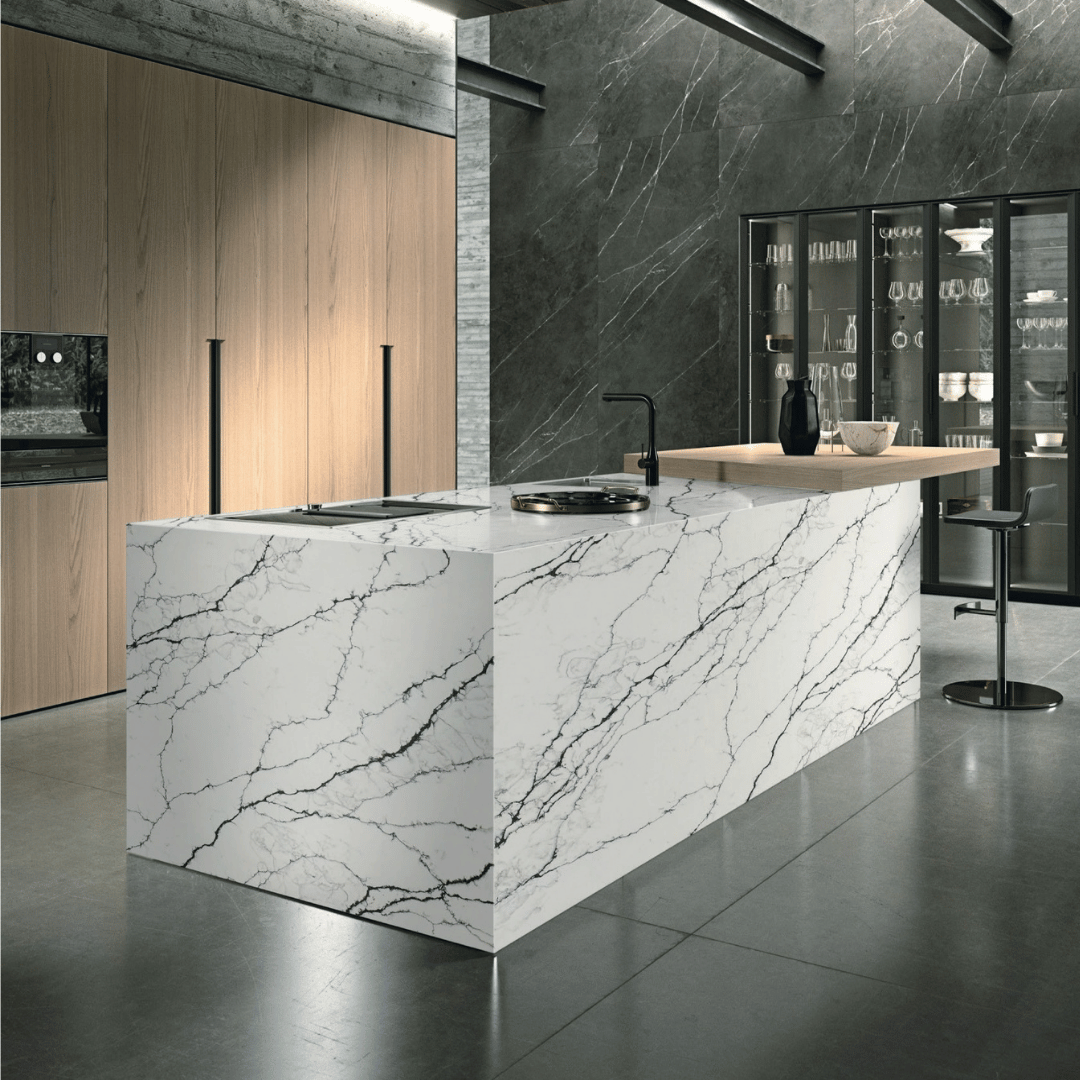
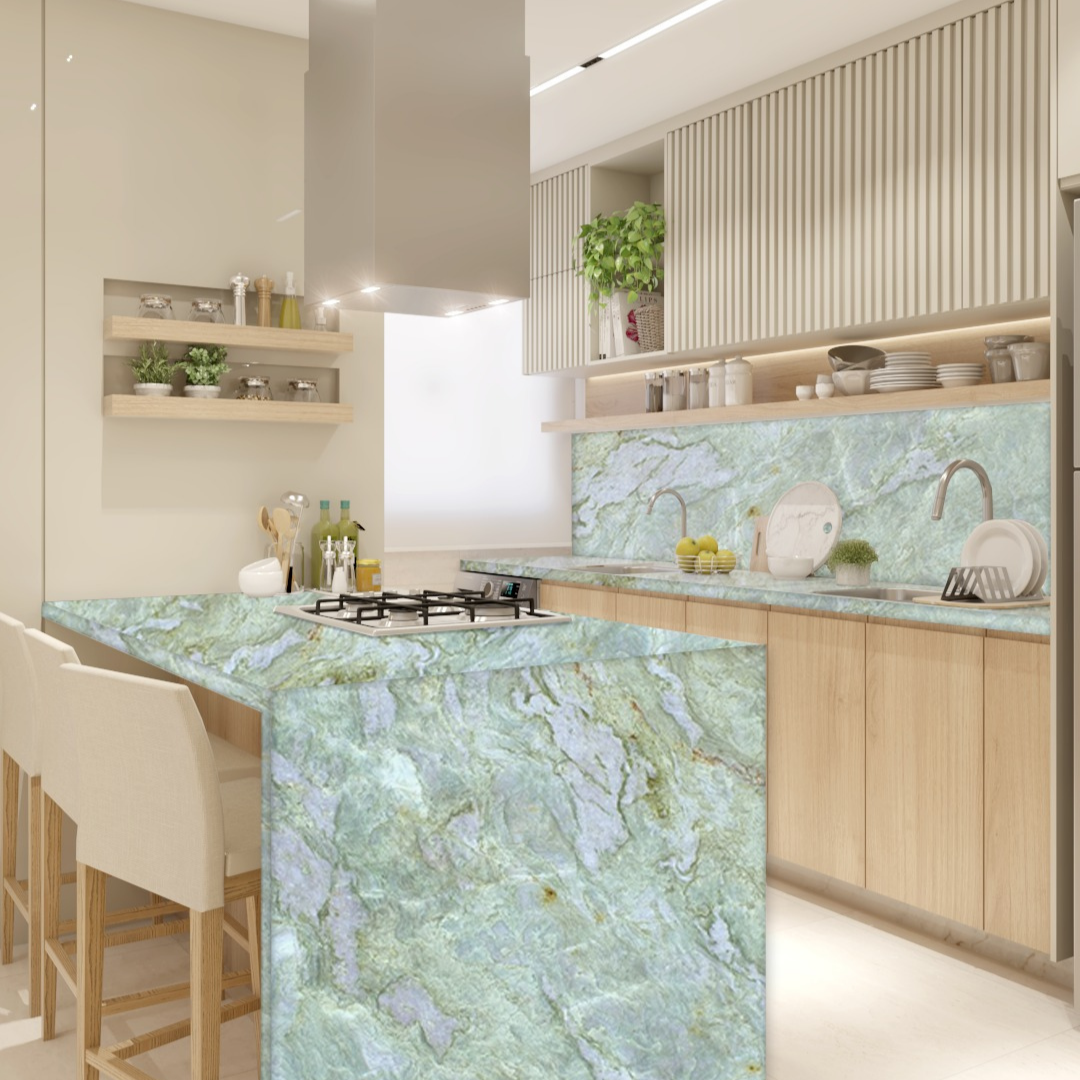
Uniformity in color across slabs enhances the aesthetic appeal of a project. For instance, a well-coordinated color palette creates a cohesive look that can elevate the overall design. When slabs from different lots have varying shades or patterns, it can lead to visual discord, which may diminish the project’s value.
2. Client Satisfaction
Clients expect a high level of quality and consistency in their design choices. Discrepancies in color and quality can lead to dissatisfaction and complaints, affecting the relationship between builders and clients. By ensuring consistent quality control, builders can foster trust and enhance client relationships.
3. Reduced Waste and Costs
Inconsistent slabs can lead to increased waste during the installation process, as fabricators may need to discard slabs that do not meet the aesthetic requirements or quality standards. This not only increases material costs but also extends project timelines. By maintaining a consistent inventory, businesses can minimize waste and optimize their budgets.
4. Brand Reputation
For architects, builders, and developers, maintaining a reputation for quality is crucial. Delivering projects with consistent color and quality enhances brand reputation and can lead to repeat business. In the competitive construction industry, being recognized for high-quality work can set a company apart.
Challenges in Achieving Consistency
While the importance of consistent color and quality control is clear, achieving it can pose several challenges:
1. Variations in Raw Materials
The natural stone and quartz industries are inherently variable. Factors such as geological differences, extraction methods, and processing can lead to variations in color and quality. For example, a quartz slab sourced from one location may differ significantly from another due to natural variations in the minerals.
2. Manufacturing Inconsistencies
Inconsistencies can also arise during the manufacturing process. Differences in resin formulations, curing times, and finishing techniques can lead to variations in the final product. It is essential for slab distributors to work closely with manufacturers to establish clear quality control measures.
3. Storage and Handling
Improper storage and handling can adversely affect the quality of slabs. For instance, exposure to harsh environmental conditions can lead to discoloration or degradation of materials. Builder Stone Global emphasizes the importance of proper storage techniques to maintain the integrity of their slabs.
Best Practices for Quality Control
Implementing effective quality control measures is essential for ensuring consistent color and quality across slab lots. Here are some best practices:
1. Establish Clear Standards
Setting clear quality standards is the first step in achieving consistency. This includes defining acceptable color ranges, surface finishes, and structural integrity requirements. Builder Stone Global ensures that all slabs meet these established standards before they are made available to clients.
2. Regular Inspections
Conducting regular inspections of slabs during and after production helps identify any inconsistencies early in the process. This proactive approach allows for adjustments to be made before the slabs reach the market.
3. Utilize Technology
Leveraging technology, such as color measurement tools and automated inspection systems, can enhance quality control efforts. These tools can provide precise measurements of color and quality, helping to ensure that slabs meet the specified standards.
4. Collaborate with Suppliers
Building strong relationships with suppliers can lead to improved quality control. Collaborating with manufacturers to communicate quality expectations can help mitigate inconsistencies in the raw materials provided.
5. Educate Stakeholders
Educating architects, builders, and fabricators about the importance of quality control can foster a culture of accountability. When all stakeholders understand the implications of color and quality variations, they are more likely to prioritize consistency in their work.
Case Studies: Successful Multi-Unit Projects
To illustrate the importance of consistent color and quality control, let’s examine a few successful multi-unit projects where these principles were effectively applied:
1. Luxury Apartment Complex in Atlanta
This project involved the installation of premium quartz countertops across 200 units. Builder Stone Global partnered with the developers to ensure all slabs were sourced from the same lot, maintaining consistent color and quality throughout. The result was a cohesive design that enhanced the overall aesthetic of the complex.
2. Commercial Office Building in Norcross
For this commercial project, the architect specified large format porcelain slabs for the lobby and common areas. Builder Stone Global implemented rigorous quality control measures to ensure that all slabs matched in color and finish. The successful execution of this project led to positive feedback from tenants and increased brand recognition for the developers.
3. High-End Retail Space in Florida
This retail project required a unique blend of natural stone and quartz surfaces. By maintaining consistency in color and quality across all slabs, the design team created a striking visual impact that aligned with the brand’s luxury image. The project was completed on time and within budget, showcasing the importance of effective quality control.
Conclusion
In conclusion, consistent color and quality control across slab lots is crucial for the success of multi-unit projects. It enhances aesthetic appeal, fosters client satisfaction, reduces waste, and strengthens brand reputation. By implementing best practices in quality control, stakeholders can ensure that their projects meet the highest standards of design integrity and durability. At Builder Stone Global, we are committed to delivering premium quality stone surfaces that meet the needs of architects, builders, and designers across the Southeast.
For more information on our extensive inventory of quartz, porcelain, and natural stone slabs, check our live inventory or contact us to speak with our surface specialists.
Frequently Asked Questions
1. Why is color consistency important in multi-unit projects?
Color consistency is essential for aesthetic appeal and client satisfaction. Inconsistent colors can detract from the overall design and lead to dissatisfaction.
2. What challenges can arise in achieving slab consistency?
Challenges include variations in raw materials, manufacturing inconsistencies, and improper storage and handling.
3. How can quality control be improved in the slab distribution industry?
Quality control can be improved by establishing clear standards, conducting regular inspections, utilizing technology, collaborating with suppliers, and educating stakeholders.
4. What are the best practices for maintaining slab quality?
Best practices include setting quality standards, regular inspections, leveraging technology, and strong supplier relationships.
5. How does Builder Stone Global ensure quality control?
Builder Stone Global implements rigorous quality control measures, including inspections and collaboration with manufacturers, to ensure consistent color and quality.
6. What types of slabs are available for multi-unit projects?
Builder Stone Global offers a range of slabs, including quartz, porcelain, quartzite, and granite, all of which can be customized to meet project needs.
7. How can inconsistencies affect project costs?
Inconsistencies can lead to increased waste and longer project timelines, ultimately raising costs.
8. What resources are available for further learning about quality control in the stone industry?
Resources include industry publications, educational institutions, and organizations such as the Natural Stone Institute (naturalstoneinstitute.org) which provide valuable information on best practices.