The Complete Guide to Selecting Quartz Slabs for Kitchen Island Applications
The Complete Guide to Selecting Quartz Slabs for Kitchen Island Applications
Choosing the right quartz slabs for your kitchen island is an essential decision that impacts both functionality and aesthetics. As a premium quartz slab distributor in Norcross, GA, Builder Stone Global understands the significance of selecting high-performance surfaces that elevate your kitchen design while ensuring durability and practicality. In this comprehensive guide, we will explore the key factors to consider when selecting quartz slabs, offer expert insights, and provide actionable tips to help you make an informed decision. Whether you are a homeowner, interior designer, or contractor, this guide is tailored to meet your needs.
Understanding Quartz Slabs
Quartz slabs are engineered stone surfaces made from a blend of 90% natural quartz crystals and 10% resins, polymers, and pigments. This combination results in a durable, non-porous material that is ideal for high-traffic areas like kitchen islands. Unlike natural stone surfaces, quartz slabs offer consistent color and pattern, making them a popular choice for modern kitchen designs. As a premium quartz slab distributor, Builder Stone Global provides a vast selection of quartz slabs that cater to various design preferences and functional requirements.
Benefits of Quartz for Kitchen Islands
When considering materials for your kitchen island, quartz slabs offer numerous advantages:
- Durability: Quartz surfaces are highly resistant to scratches, stains, and heat, making them suitable for daily kitchen use.
- Low Maintenance: Unlike natural stones that require sealing, quartz is non-porous and easy to clean with just soap and water.
- Design Versatility: Available in various colors, patterns, and finishes, quartz can complement any kitchen style.
- Consistency: Engineered quartz ensures uniformity in color and pattern across slabs, providing a cohesive look.
- Eco-Friendly Options: Many quartz manufacturers offer sustainable choices, reducing environmental impact.
Key Factors to Consider When Choosing Quartz Slabs
When selecting quartz slabs for your kitchen island, consider the following factors to ensure you make the best choice:
1. Thickness
Quartz slabs typically come in thicknesses of 2cm and 3cm. The thickness you choose can affect the overall aesthetics and durability of your kitchen island. Thicker slabs are more robust and can support heavier loads, making them ideal for expansive islands.
2. Color and Pattern
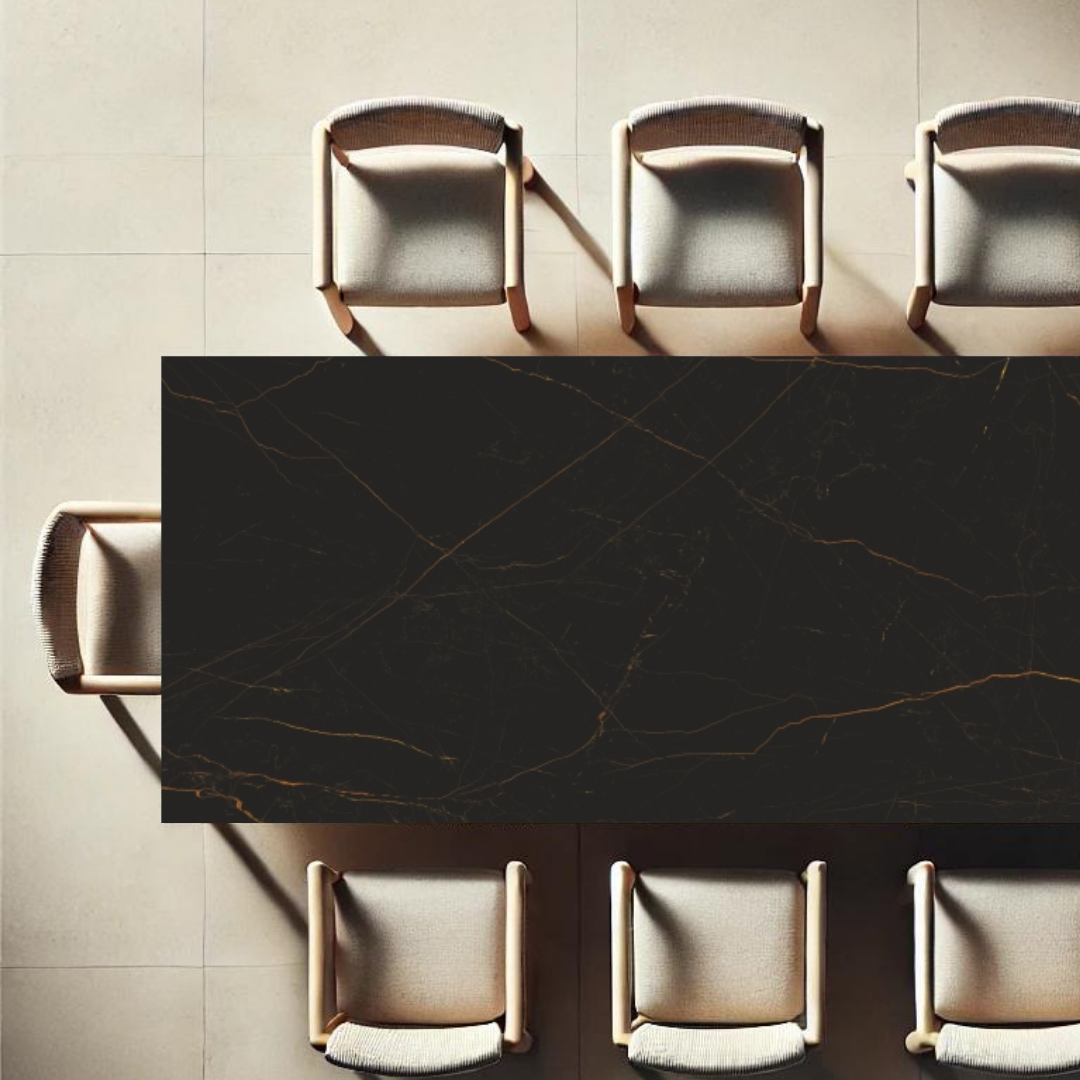
Quartz slabs are available in a wide range of colors and patterns, from solid hues to intricate veining. Think about the overall color scheme of your kitchen and choose a quartz slab that enhances the design. For example, lighter colors can make a space feel larger, while darker tones can add sophistication.
3. Finish
The finish of your quartz slab can significantly impact its appearance and maintenance. Popular finishes include polished, honed, and matte. Polished surfaces offer a high-shine look and are easier to clean, while honed and matte finishes provide a more natural appearance but may require more upkeep.
4. Edge Profile
Choosing the right edge profile can enhance the overall design of your kitchen island. Common edge profiles include eased, beveled, and bullnose. Each profile can create a different aesthetic, so consider how it will complement the rest of your kitchen design.
5. Brand and Quality
Not all quartz slabs are created equal. Look for reputable manufacturers known for their quality and consistency. At Builder Stone Global, we offer premium quality quartz slabs that meet the highest industry standards.
Design and Aesthetic Options
Exploring design options for your kitchen island can be an exciting part of your renovation process. Here are some popular trends to consider:
1. Two-Tone Islands
Combining two different quartz colors can create a stunning visual contrast. For instance, a white quartz top with a darker base can make your island a focal point in the kitchen.
2. Waterfall Edges
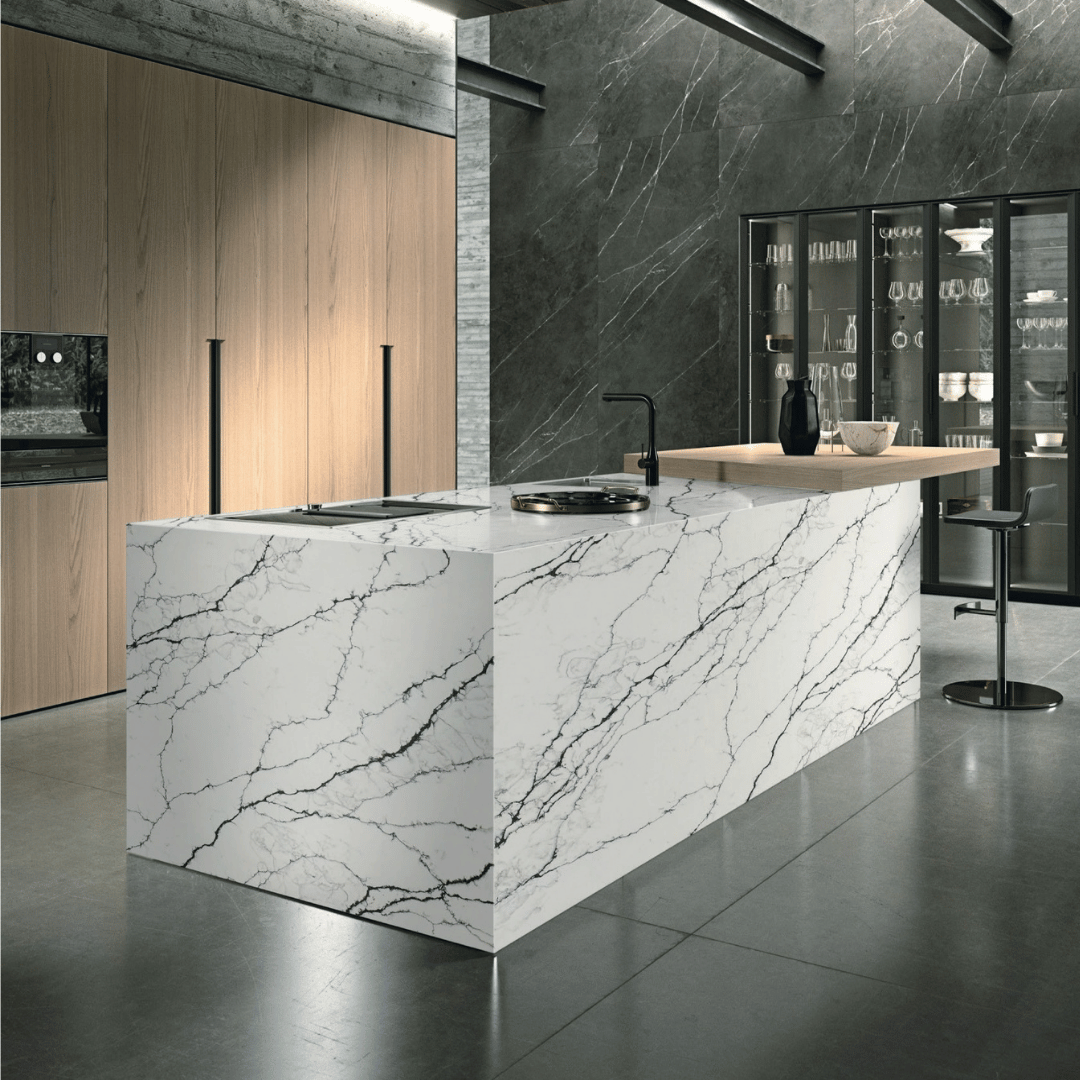
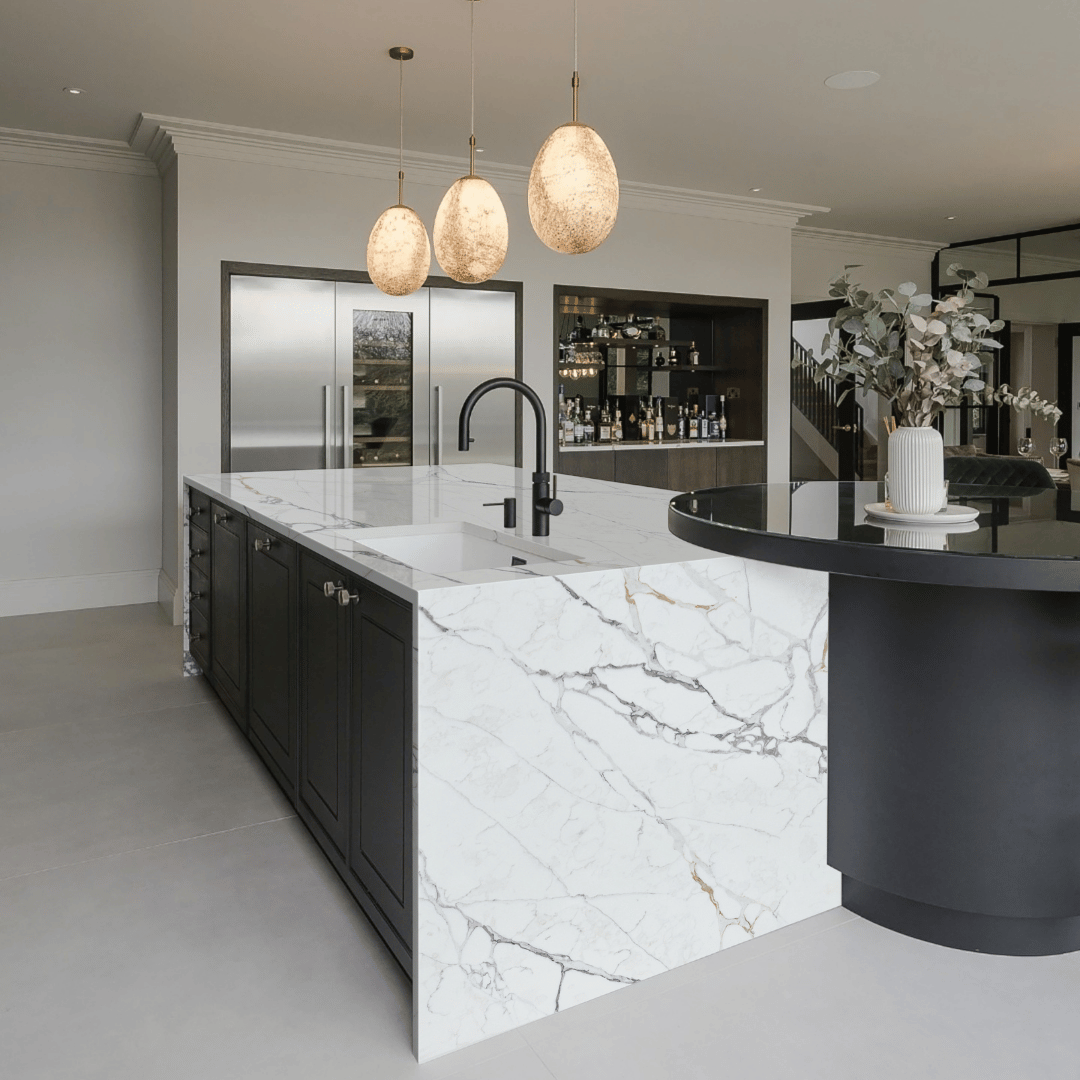
Waterfall edges create a seamless look by extending the quartz over the sides of the island. This design not only looks elegant but also showcases the beauty of the material.
3. Integrated Sinks
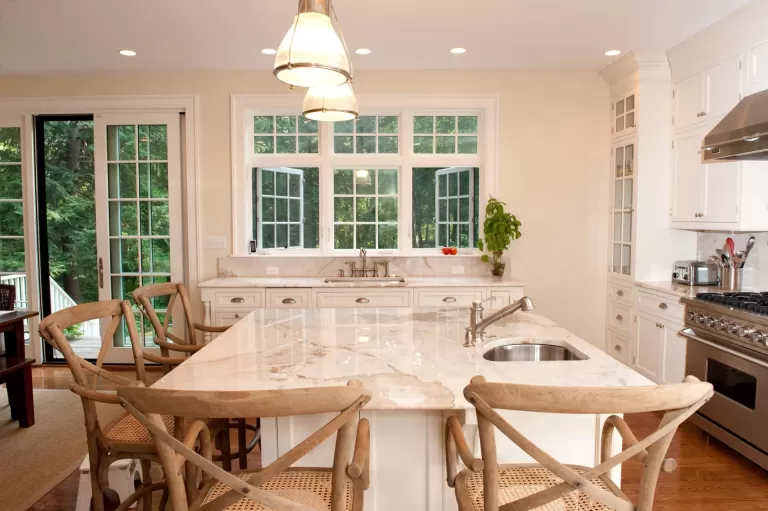
Consider choosing a quartz slab with an integrated sink for a streamlined appearance. This design minimizes seams and enhances the overall cleanliness of the space.
4. Statement Backsplashes
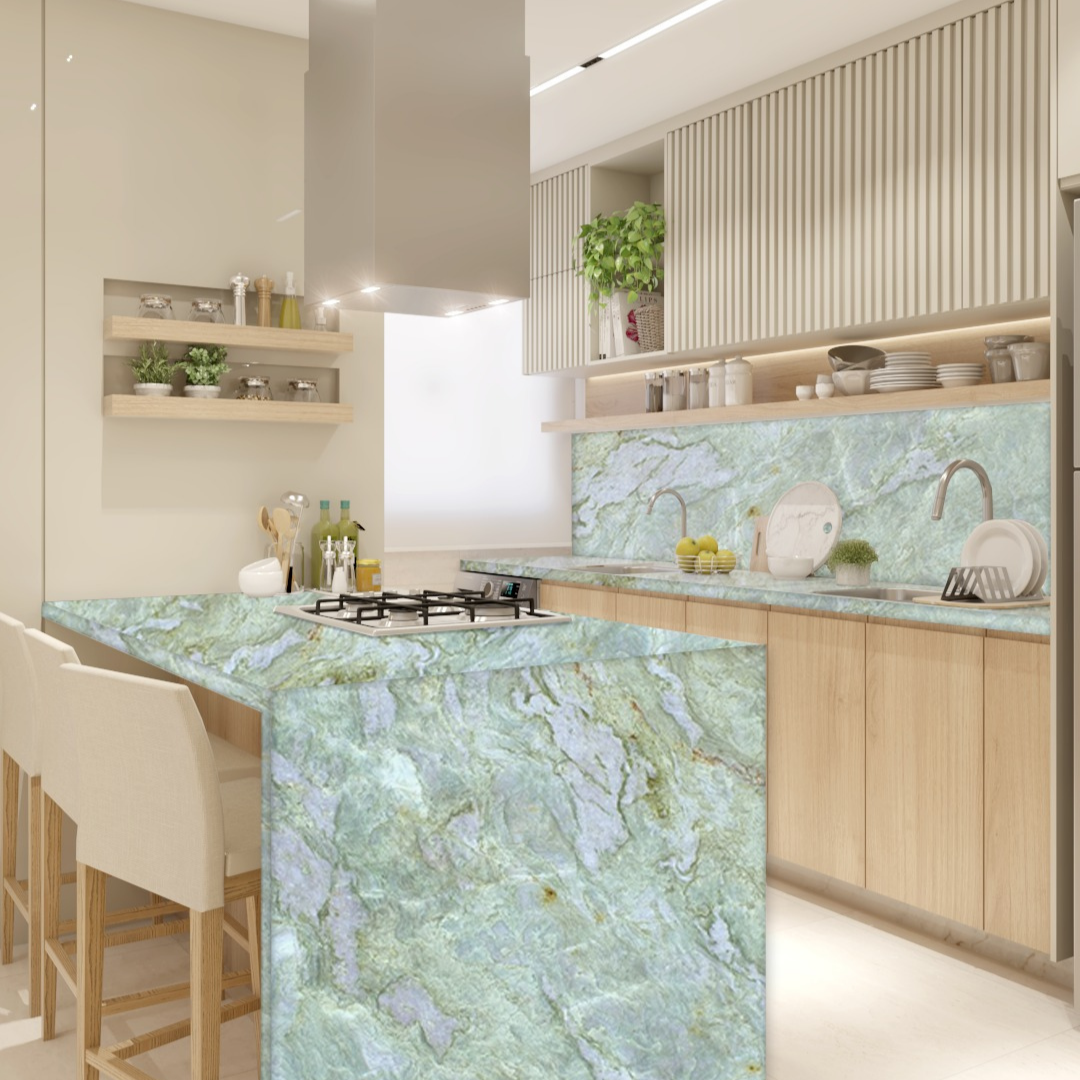
Using the same quartz slab for your backsplash as your kitchen island can create a cohesive and sophisticated look. This approach works particularly well with bold patterns or colors.
Maintenance and Care for Quartz Surfaces
While quartz surfaces are low maintenance, proper care will ensure their longevity:
- Wipe surfaces with a damp cloth and mild detergent.
- Avoid harsh chemicals or abrasive cleaners that can damage the surface.
- Use cutting boards and trivets to prevent scratches and heat damage.
- Regularly check for any signs of wear or damage and address them promptly.
Expert Tips for Selecting Quartz Slabs
Here are some expert tips to help you navigate the selection process:
- Visit a Showroom: Seeing slabs in person allows you to appreciate their colors and textures better. Visit our Norcross showroom to view our extensive selection.
- Request Samples: Request quartz samples to see how they look in your kitchen’s lighting.
- Consult with Professionals: Working with a designer or contractor can provide valuable insights into the best choices for your space.
- Consider Future Trends: Stay informed about upcoming design trends to ensure your kitchen island remains stylish for years to come.
Comparison Table of Quartz Slabs
| Feature | 2cm Slabs | 3cm Slabs |
|---|---|---|
| Weight | Lightweight, easier to handle | Heavier, may require additional support |
| Cost | Generally less expensive | Higher cost due to thickness |
| Durability | Suitable for standard applications | More resistant to impact and stress |
| Design Options | Available in various styles | Offers more design flexibility |
Frequently Asked Questions
1. What is the best thickness for quartz slabs for kitchen islands?
The best thickness depends on the design and usage. 3cm slabs are recommended for larger islands due to their durability and design flexibility.
2. How do I care for my quartz kitchen island?
Clean with mild soap and water, avoid harsh chemicals, and use cutting boards to prevent scratches.
3. Can quartz slabs be used for outdoor kitchens?
While quartz is durable, it is not recommended for outdoor use due to UV sensitivity. Consider alternative materials for outdoor applications.
4. Are quartz slabs heat resistant?
Quartz is heat resistant but not heatproof. Always use trivets or hot pads to protect the surface from extreme heat.
5. How do I choose a color for my quartz kitchen island?
Consider the overall color scheme of your kitchen and choose a quartz color that complements your cabinetry and flooring.
6. What is the difference between quartz and granite?
Quartz is engineered, offering consistent patterns and colors, while granite is natural and varies in appearance.
7. Can I install quartz slabs myself?
While DIY installation is possible, it is recommended to hire professionals for proper handling and installation.
8. Where can I find quartz slabs in Norcross, GA?
Builder Stone Global offers a wide selection of premium quartz slabs in Norcross. Contact us for more information.
Conclusion
Selecting the right quartz slabs for your kitchen island is a crucial step in creating a functional and aesthetically pleasing space. By considering factors such as thickness, color, and maintenance, you can ensure your kitchen island remains a centerpiece of your home for years to come. At Builder Stone Global, we are dedicated to providing high-performance surfaces that meet your design needs. Check our live inventory or call +1 470-551-2092 to speak with our surface specialists today!