Why Non-Full-Body Quartz Slabs Require Specific Edge Profile Considerations
Why Non-Full-Body Quartz Slabs Require Specific Edge Profile Considerations
Updated on August 14, 2026
When it comes to selecting the right materials for architectural surfaces, non-full-body quartz slabs have emerged as a popular choice due to their aesthetic appeal and versatility. However, understanding the nuances related to edge profiles is crucial for achieving both functionality and design excellence. In this article, we will delve deep into the reasons why specific edge profile considerations are essential for non-full-body quartz slabs, providing insights that will empower architects, designers, and homeowners to make informed decisions.
Understanding Non-Full-Body Quartz Slabs
Non-full-body quartz slabs are engineered stone surfaces that differ from full-body quartz in that they feature a thin veneer of quartz on their surface, often backed by a different material. This construction allows for a wide variety of colors and patterns, making non-full-body quartz slabs an attractive option for various applications, from kitchen countertops to bathroom vanities.
One of the primary benefits of non-full-body quartz slabs is their ability to mimic the appearance of natural stones like granite or marble while providing the durability and low maintenance associated with engineered products. According to the U.S. Geological Survey, the popularity of engineered stone surfaces has continued to rise, with quartz being one of the leading materials in the market.
The Importance of Edge Profiles
Edge profiles are crucial in determining the overall aesthetic and functionality of countertops and other surfaces. The edge profile not only influences the visual appeal but also impacts how the slab interacts with its environment. For non-full-body quartz slabs, choosing the right edge profile is particularly important for several reasons:
- Durability: The edge profile can affect the durability of the slab. Certain profiles may be more prone to chipping or damage, especially if the slab is not full-bodied.
- Aesthetic Appeal: The edge profile contributes significantly to the overall design. A well-chosen edge can enhance the beauty of the slab and the surrounding decor.
- Functionality: Different edge profiles can affect usability, such as how easy it is to clean or how the slab fits with appliances and fixtures.
In the context of non-full-body quartz slabs, these factors become even more pronounced. As these slabs are generally thinner and have a different structure, selecting an appropriate edge profile ensures that the slab not only looks good but also performs well in daily use.
Specific Edge Profile Considerations for Non-Full-Body Quartz
When it comes to non-full-body quartz slabs, there are specific considerations to keep in mind regarding edge profiles:
1. Thickness and Structure
Non-full-body quartz slabs are typically thinner than their full-body counterparts. This reduced thickness means that they may require more careful handling when it comes to shaping the edges. A profile that is too sharp or intricate may be more prone to chipping, necessitating a more rounded or eased edge.
2. Visual Continuity
Since non-full-body quartz slabs often feature a pattern or color that is not consistent throughout the slab, the edge profile should be chosen to minimize the visual impact of this inconsistency. Profiles that are too detailed can draw attention to the edge, making it look less cohesive with the overall surface.
3. Compatibility with Other Materials
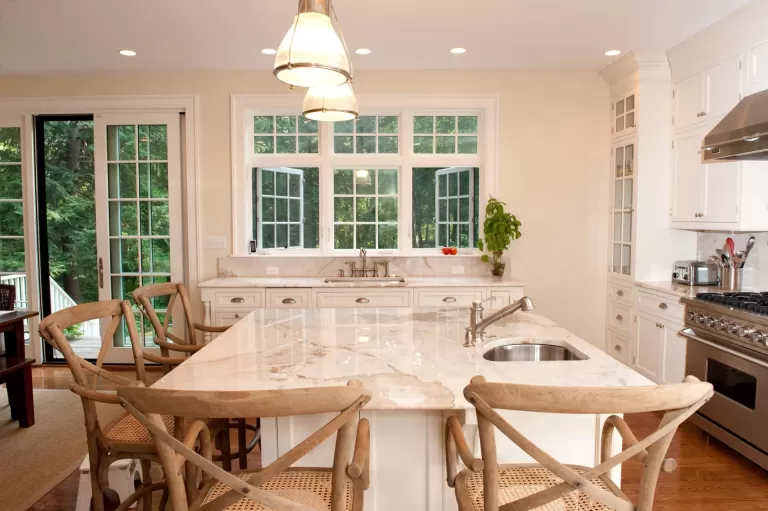
In many applications, non-full-body quartz slabs are paired with other materials, such as wood or metal. The edge profile should complement these materials to create a harmonious look. For example, a sleek, modern profile may work well with stainless steel appliances, while a more traditional edge might suit a rustic wood setting.
4. Safety Considerations
Sharp edges can pose safety risks, especially in homes with children. Selecting a more rounded edge profile can help mitigate these risks while still maintaining a stylish appearance.
Common Edge Profiles and Their Implications
Understanding the various edge profiles available is essential for making an informed decision. Below, we outline some common edge profiles and their implications for non-full-body quartz slabs:
| Edge Profile | Description | Implications for Non-Full-Body Quartz |
|---|---|---|
| Beveled Edge | A sloped edge that creates a clean, modern look. | Good for durability; minimizes chipping risk. |
| Flat Edge | A straight edge that provides a sleek appearance. | Can highlight inconsistencies in pattern; may require careful finishing. |
| Radius Edge | A rounded edge that softens the look. | Enhances safety; can hide inconsistencies well. |
| Ogee Edge | A decorative profile with curves and contours. | Highly aesthetic but can be prone to chipping if not executed properly. |
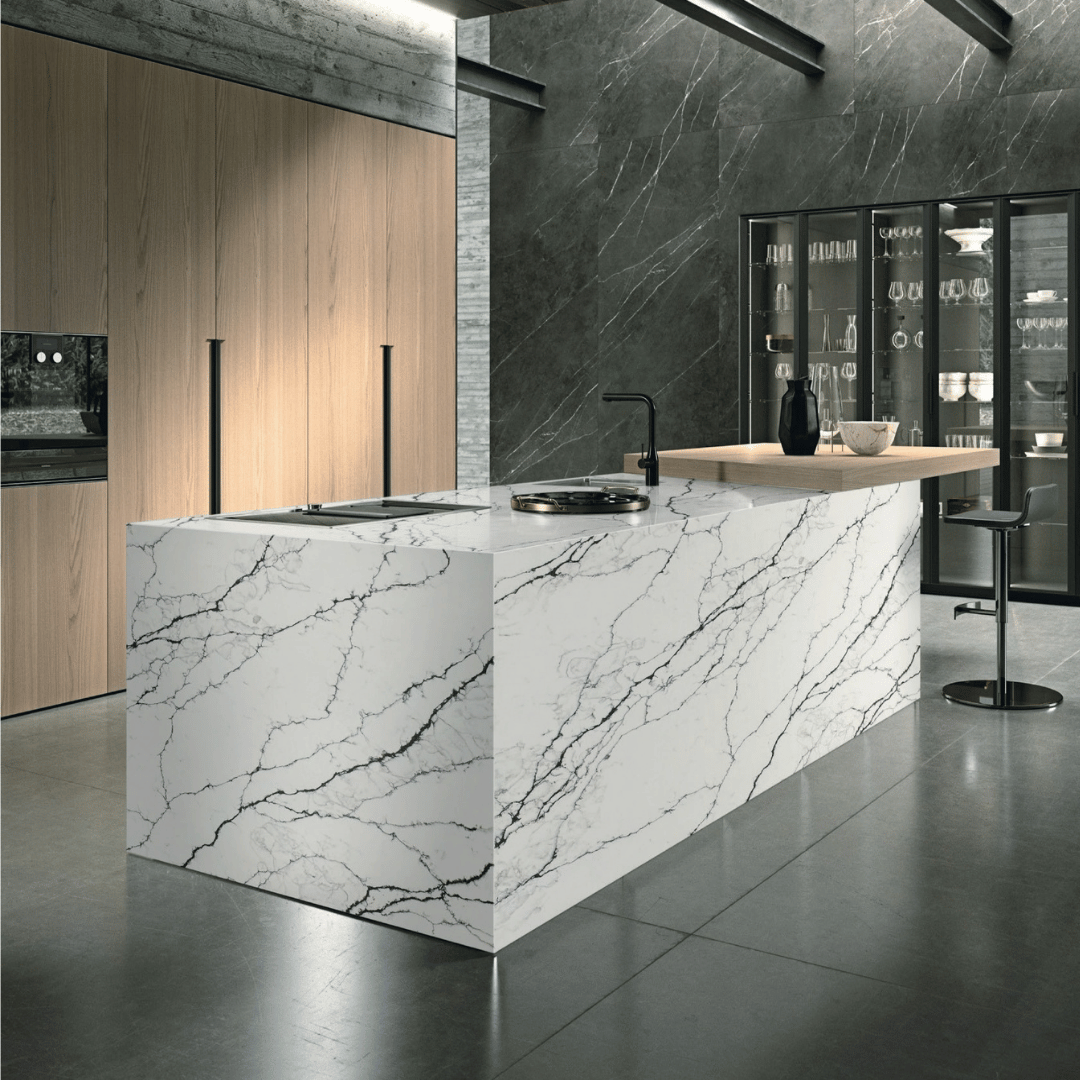
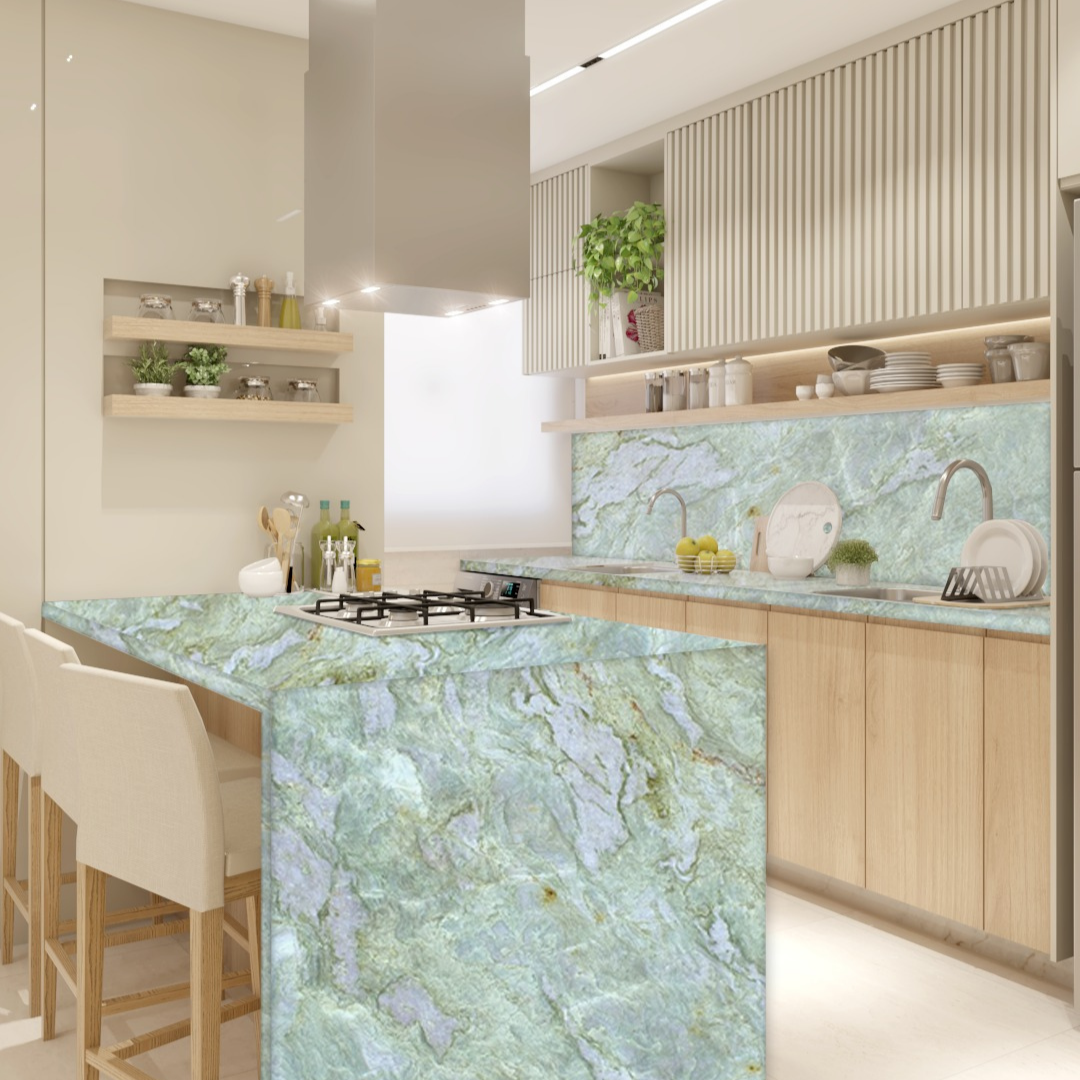
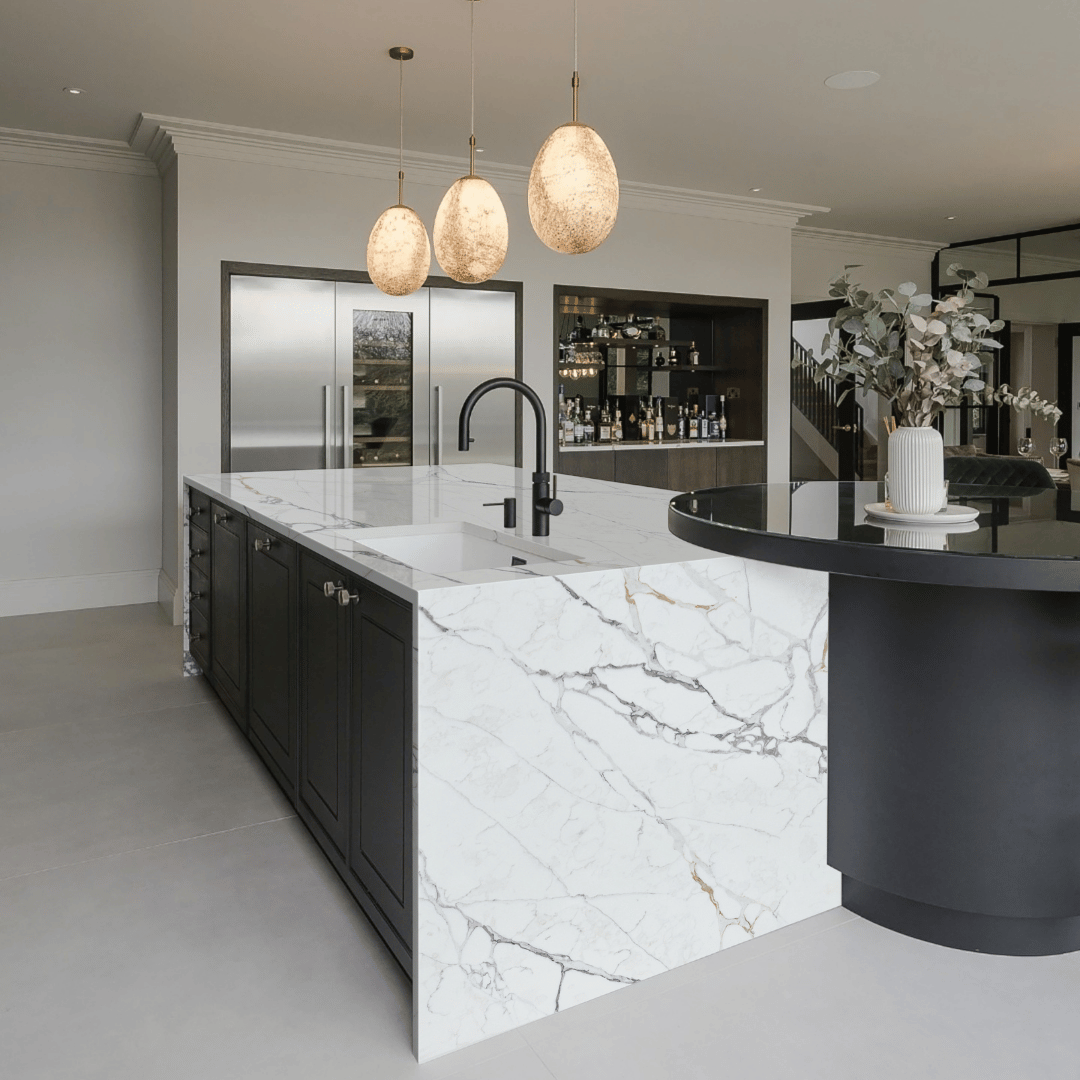
| Waterfall Edge | A continuous surface that flows over the edge. | Creates a dramatic effect; may require additional support due to weight. |
Expert Tips for Choosing Edge Profiles
Choosing the right edge profile for non-full-body quartz slabs requires careful consideration. Here are some expert tips to guide your selection:
- Assess the Environment: Consider where the slab will be installed. High-traffic areas may benefit from more durable edge profiles.
- Match with Design Style: Ensure that the edge profile aligns with the overall design aesthetic of the space.
- Prioritize Safety: For homes with children, opt for rounded edges to reduce injury risk.
- Consider Maintenance: Some profiles may be easier to maintain than others; choose one that fits your lifestyle.
- Test Samples: If possible, view samples of the edge profile on similar slabs to understand how it will look in your space.
Maintenance and Care for Non-Full-Body Quartz Edges
Maintaining the edge profiles of non-full-body quartz slabs is essential to ensure their longevity and appearance. Here are some maintenance tips:
- Regular Cleaning: Use a mild detergent and soft cloth to clean the edges without causing scratches.
- Avoid Harsh Chemicals: Steer clear of abrasive cleaners that can damage the surface finish.
- Inspect for Damage: Regularly check the edges for chips or cracks, and address them promptly to prevent further damage.
- Sealants: While quartz is generally low-maintenance, consider using a sealant on edges that are more exposed to wear and tear.
Conclusion
Choosing the right edge profile for non-full-body quartz slabs is a critical consideration that impacts both aesthetics and functionality. By understanding the specific considerations associated with these slabs, you can make informed choices that enhance the beauty and durability of your surfaces. Whether you are a fabricator, designer, or homeowner, leveraging the insights shared in this article will help you achieve the best results in your projects.
For more information on selecting the right materials for your architectural surfaces, contact our surface specialists or check our live inventory today!
FAQ
What is non-full-body quartz?
Non-full-body quartz is an engineered stone that features a thin veneer of quartz on its surface, backed by another material.
Why is the edge profile important for non-full-body quartz slabs?
The edge profile affects the aesthetic, durability, and functionality of the slab, making it crucial for design and performance.
What are common edge profiles for quartz slabs?
Common edge profiles include beveled, flat, radius, ogee, and waterfall edges, each with its own implications for aesthetics and durability.
How do I choose the right edge profile?
Consider the environment, design style, safety, maintenance, and consult with a professional fabricator for guidance.
What maintenance is required for non-full-body quartz edges?
Regular cleaning, avoiding harsh chemicals, inspecting for damage, and possibly using sealants are recommended for maintenance.
Can non-full-body quartz slabs chip easily?
While they can be durable, the edge profile and thickness can influence their susceptibility to chipping. Choosing a rounded edge can help mitigate this risk.
Are non-full-body quartz slabs suitable for high-traffic areas?
Yes, but careful consideration of the edge profile and thickness is necessary to ensure durability in high-traffic environments.
Where can I find premium non-full-body quartz slabs?
You can explore a wide selection of premium quartz slabs at Builder Stone Global.