
The Ultimate Guide to Quartz Slab Color Matching Across Rooms
The Ultimate Guide to Quartz Slab Color Matching Across Rooms
When designing a home, the choice of materials can profoundly influence the overall aesthetic and ambiance. Among these, quartz slabs stand out for their versatility, durability, and stunning visual appeal. This complete guide to quartz slab color matching across multiple rooms will help homeowners, interior designers, and builders achieve a cohesive look throughout their spaces. By understanding how to harmonize colors and textures, you can elevate your home’s design to new heights.
Understanding Quartz Slabs
Quartz slabs are engineered stones made from approximately 90% crushed natural quartz crystals combined with resins and pigments. This composition results in a highly durable surface that is resistant to scratches, stains, and heat. The variety of colors and patterns available makes quartz an appealing choice for various applications, especially in kitchens and bathrooms. Unlike natural stones, quartz offers consistent color and pattern, making it easier to achieve a uniform look throughout your home.
The Importance of Color Matching
Color matching is crucial in creating a harmonious environment in your home. When different rooms feature mismatched colors, it can create a disjointed feel that disrupts the flow of the space. By ensuring that the quartz colors are complementary across rooms, you not only enhance the aesthetic appeal but also create a sense of continuity that can make your home feel more cohesive.
Psychological Effects of Color
Colors can significantly impact mood and perception. For instance, lighter colors can make a room feel larger and more open, while darker colors can create a sense of intimacy. Understanding these psychological effects can guide your color choices when selecting quartz slabs for various areas in your home.
Architectural Considerations
Consider the architectural style of your home when matching colors. Traditional homes may benefit from warm, earthy tones, while contemporary designs might call for cooler, sleek colors. Aligning your quartz selections with your home’s architecture is vital for achieving a polished look.
Choosing Quartz Colors for Different Rooms
Different rooms serve different purposes and have unique lighting conditions, which can affect how colors are perceived. Here’s how to choose the right quartz colors for various spaces:
1. Kitchen
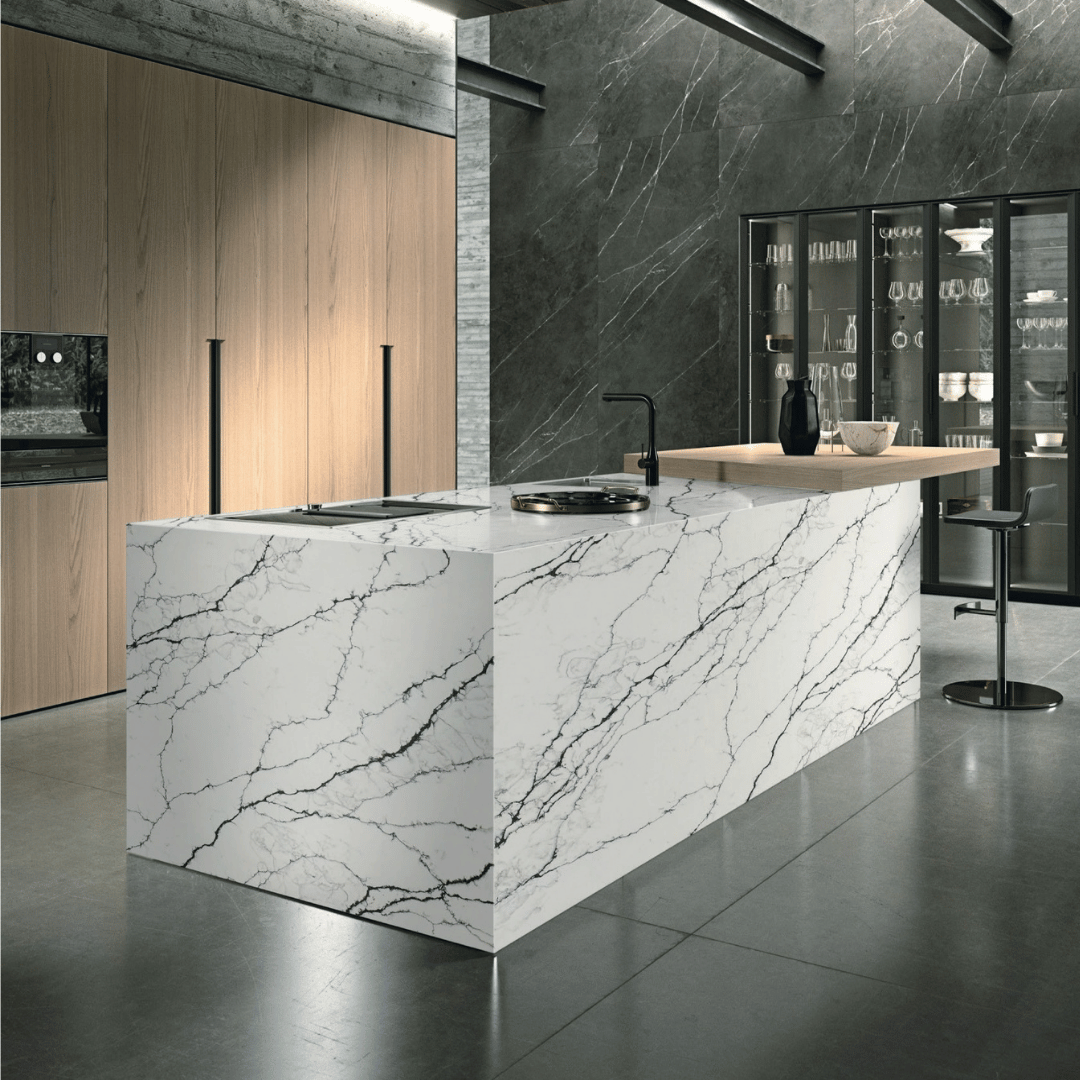
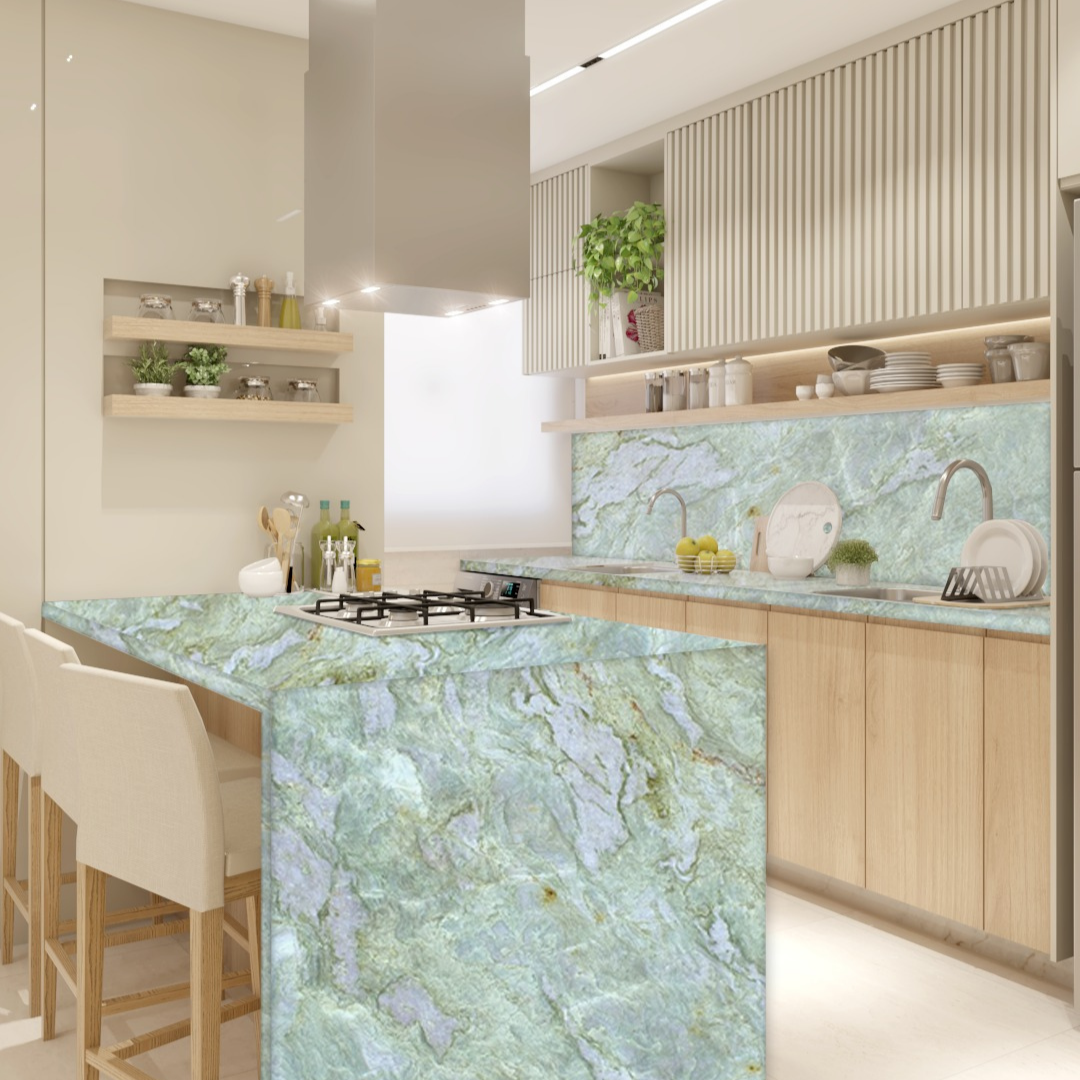
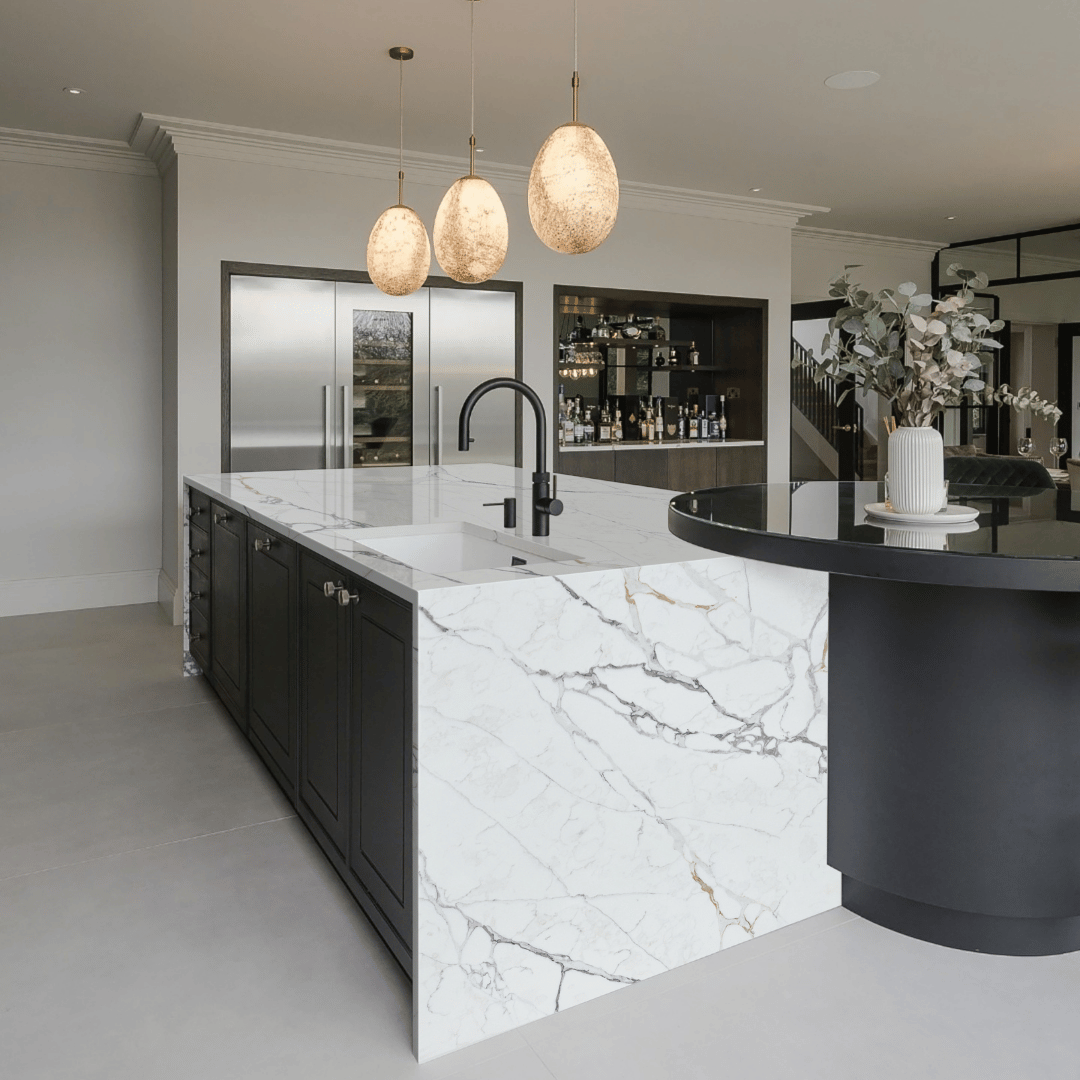
The kitchen is often regarded as the heart of the home. Popular quartz colors for kitchens include whites, grays, and soft neutrals that can create a clean and inviting atmosphere. For a touch of drama, consider deeper hues like navy or charcoal. Ensure that your quartz selection complements the cabinetry and flooring.
2. Bathroom
In bathrooms, quartz slabs can create a spa-like environment. Soft whites and light blues can evoke tranquility, while darker colors can add a luxurious touch. Consider using a different color for the vanity top compared to the shower wall to create visual interest.
3. Living Room
The living room is a space for relaxation and socialization. Lighter quartz colors can help keep the environment airy, while warm tones can make it feel more inviting. When selecting colors, consider the upholstery and accent pieces in the room.
4. Bedroom
In bedrooms, soothing colors are key to promoting rest. Soft pastels or muted tones work well for quartz surfaces in this space. Pairing them with complementary bedding and decor can enhance the overall serenity of the room.
Tips for Color Matching Across Rooms
To achieve a cohesive look across multiple rooms, consider the following tips:
- Establish a Color Palette: Choose a primary color and a few accent colors that will be consistent throughout your home. This will serve as a guide when selecting quartz hues.
- Use Samples: Always obtain quartz samples and view them in different lighting conditions before making a decision. The color can change dramatically depending on the light.
- Consider Texture: Different textures can change the perception of a color. A polished finish may appear different than a matte finish, even in the same hue.
- Limit Your Choices: Too many colors can create chaos. Stick to a few key colors that you love and that work well together.
- Consult with Experts: Leverage the expertise of interior designers or surface specialists like those at Builder Stone Global to guide your selections.
Expert Insights on Color Matching
According to leading designers in the industry, color matching is as much about understanding the materials as it is about aesthetics. Here are some expert insights:
“Always consider the natural light in the space. It can drastically alter the appearance of the quartz, so make sure to view samples in the actual room where they will be installed.” – Jane Doe, Interior Designer
Color Pairings and Contrasts
Creating a cohesive look doesn’t mean sticking to the same color. Pairing contrasting colors can add depth and interest. Here are some popular pairings:
| Room | Primary Quartz Color | Contrasting Color |
|---|---|---|
| Kitchen | White | Charcoal |
| Bathroom | Light Blue | Dark Navy |
| Living Room | Soft Gray | Mustard Yellow |
| Bedroom | Pastel Pink | Deep Plum |
Case Studies: Successful Color Matching
Let’s take a look at a few case studies where successful color matching has transformed homes:
Case Study 1: Modern Farmhouse
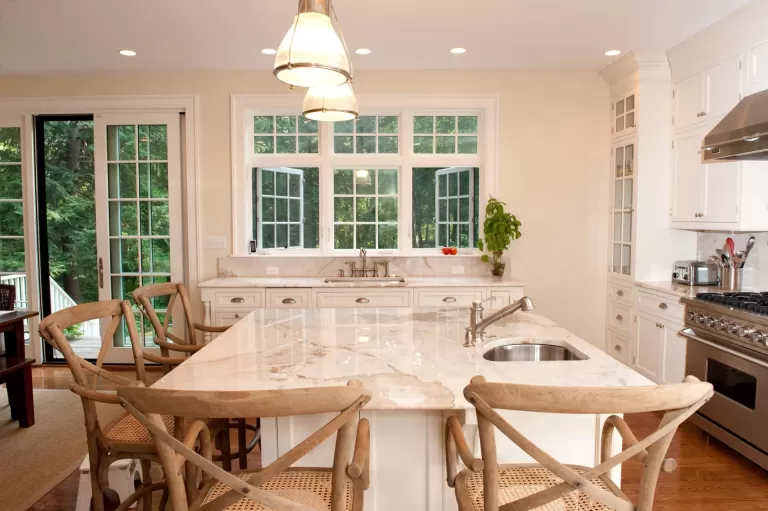
A modern farmhouse in Georgia utilized a combination of white quartz countertops in the kitchen paired with a deep navy quartz island. This combination not only provided functionality but also created a visual anchor in the space.
Case Study 2: Urban Loft
In an urban loft, designers selected light gray quartz for the kitchen and bathroom surfaces, creating a seamless flow between the two areas. The choice of a matte finish added a contemporary edge.
Frequently Asked Questions
What are the best quartz colors for a small kitchen?
Light colors such as whites, creams, and soft grays can make a small kitchen appear larger and more open.
How do I choose quartz colors that match my home’s style?
Consider the architectural style of your home and select colors that complement it. For example, traditional homes often benefit from warm, earthy tones.
Can I use different quartz colors in different rooms?
What is the best way to visualize quartz colors in my home?
How does lighting affect quartz colors?
What are the most popular quartz colors for bathrooms?
How can I maintain my quartz surfaces?
Are there any trends in quartz colors for 2026?
Where can I find quartz slabs in Norcross, GA?
What should I expect during a showroom visit?
Conclusion
Color matching quartz slabs across multiple rooms can significantly enhance the overall design of your home. By understanding the properties of quartz, considering the psychological effects of color, and following expert tips, you can create a cohesive and harmonious environment. For personalized assistance and to explore our extensive inventory of premium quartz slabs, contact us today or check our live inventory. Let Builder Stone Global help you transform your home into a masterpiece.