How Porcelain Slab Innovation from Italian and Spanish Manufacturers Drives Market Growth
How Porcelain Slab Innovation from Italian and Spanish Manufacturers Drives Market Growth
In the world of architectural design and interior decor, the choice of materials significantly influences both aesthetics and functionality. Among these materials, porcelain slabs have emerged as a leading choice, thanks in large part to innovative advancements from Italian and Spanish manufacturers. These countries are globally recognized for their craftsmanship and technological prowess in producing high-performance porcelain surfaces. In this article, we will delve into how this innovation drives market growth, particularly in the realms of residential and commercial applications.
1. The Evolution of Porcelain Slabs
The history of porcelain slabs dates back to ancient China, where the material was first developed for pottery and ceramics. However, the modern evolution of porcelain slabs, particularly for architectural and design applications, began in the late 20th century. Italian and Spanish manufacturers have played a pivotal role in this evolution, leading to the creation of large format porcelain slabs that offer both versatility and durability.
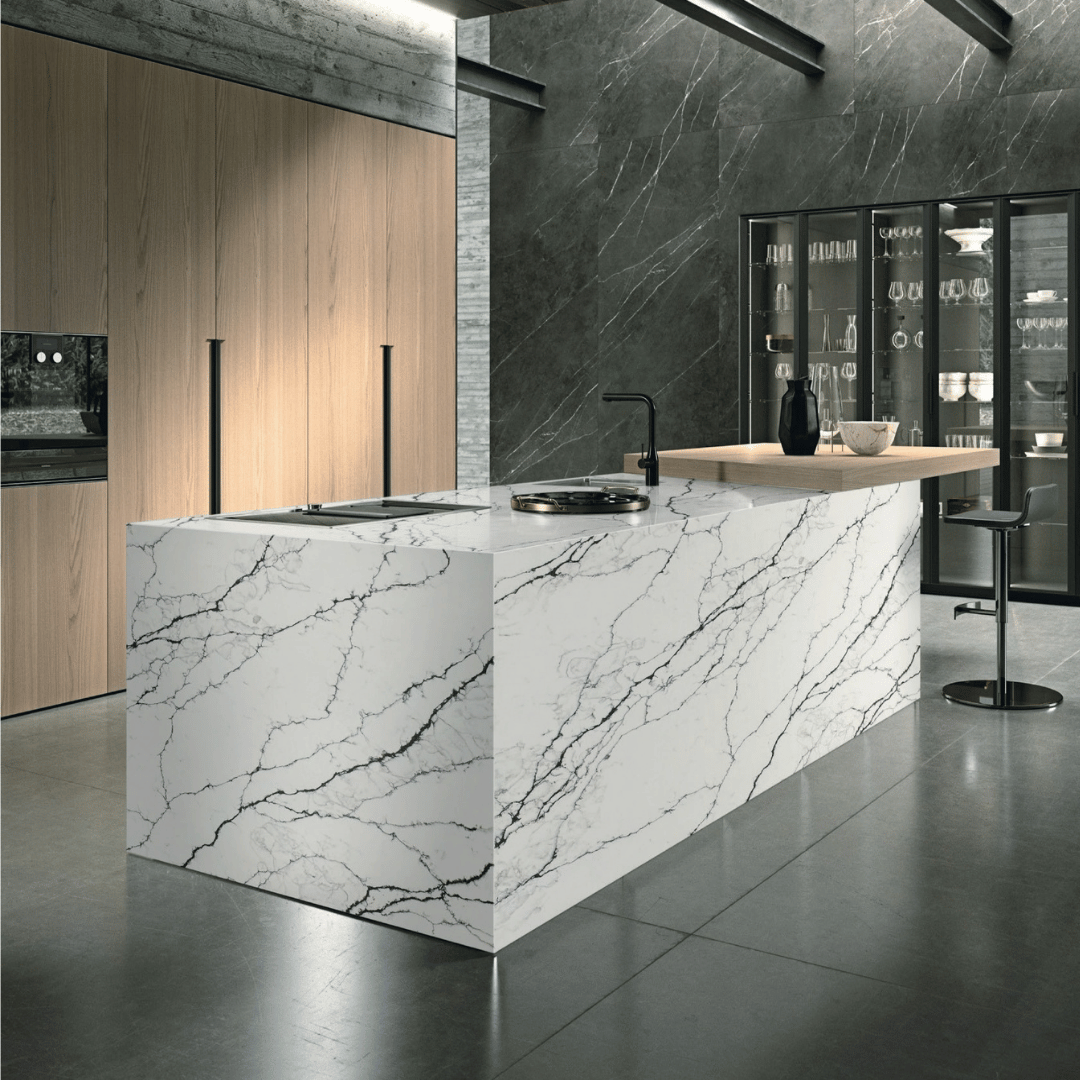
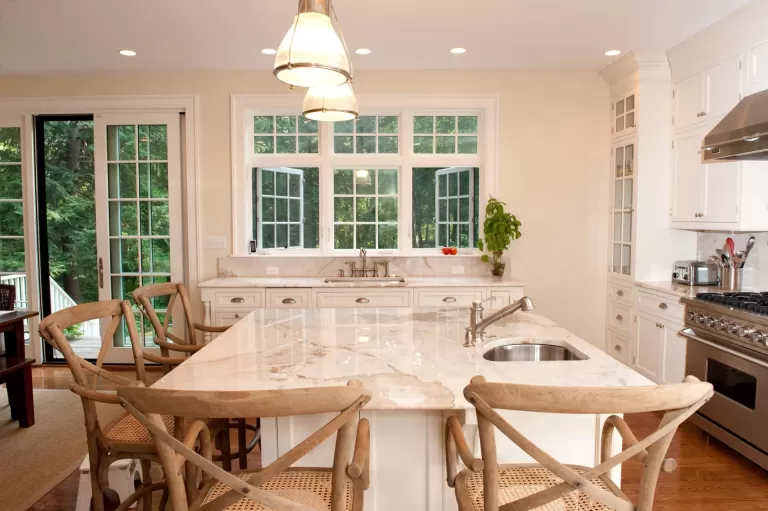
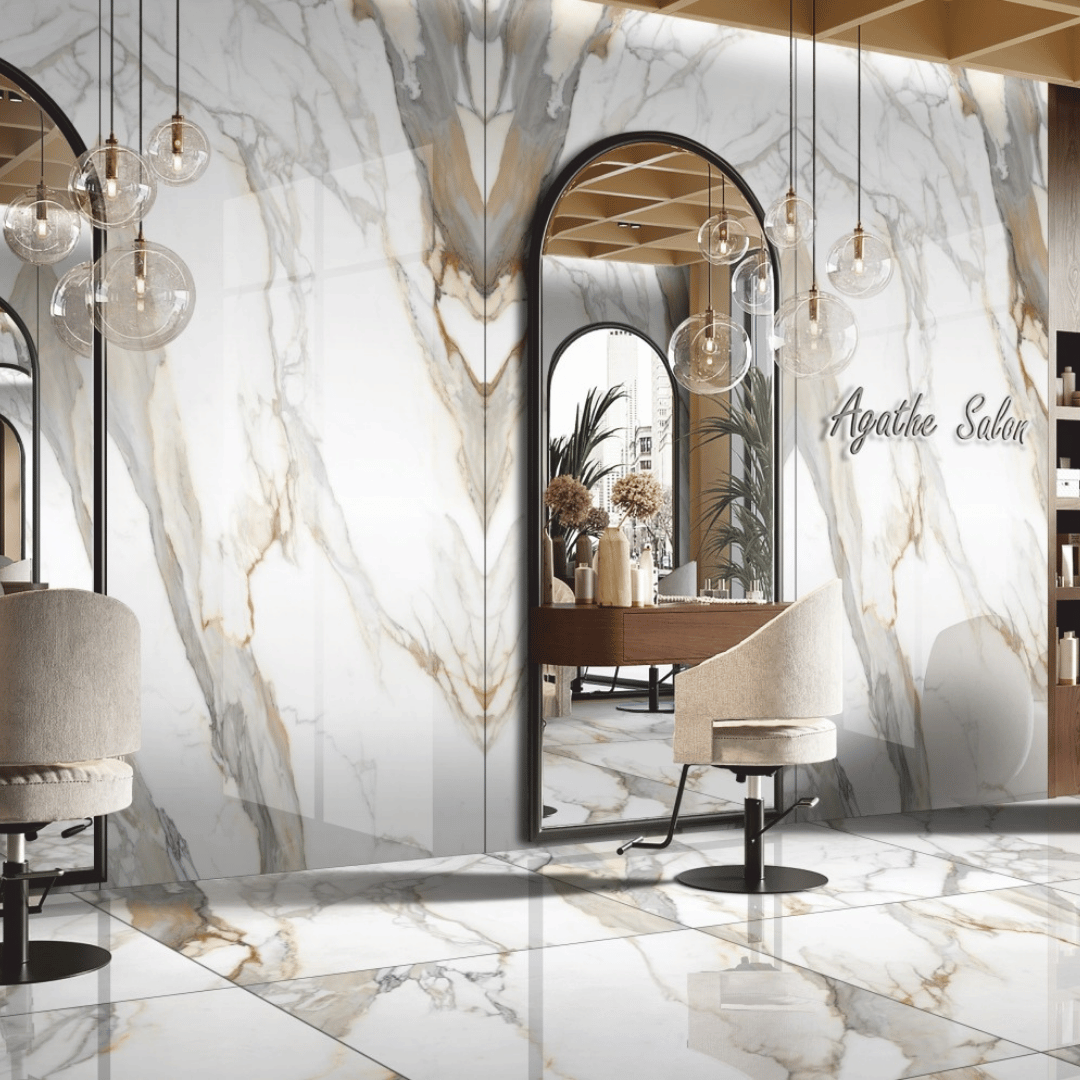
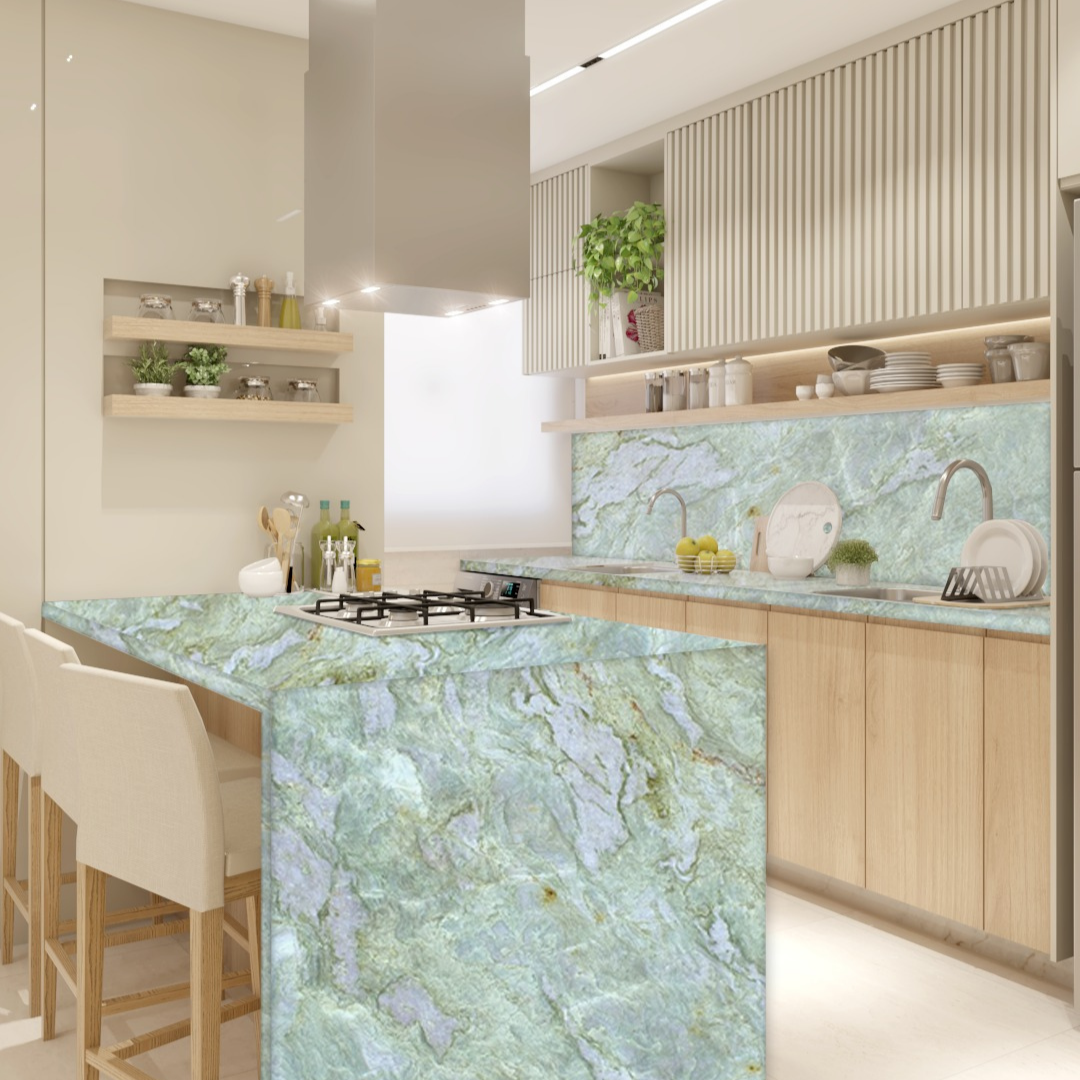
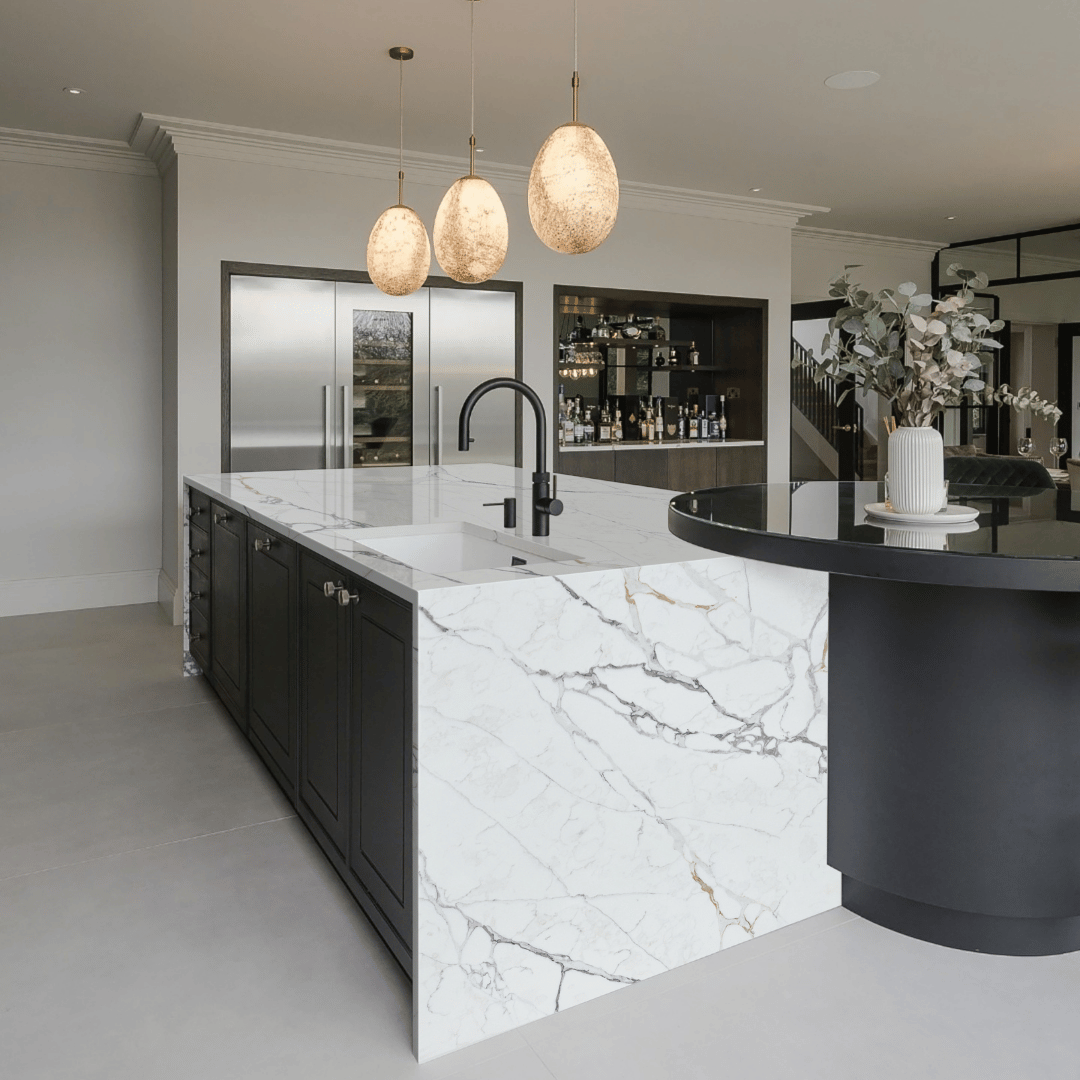
Initially, porcelain slabs were primarily used in flooring applications. However, as designers and architects recognized their aesthetic potential, the use of porcelain expanded to countertops, wall cladding, and even furniture. This shift has been instrumental in driving market growth, as porcelain slabs provide a unique combination of beauty and practicality.
2. Key Innovations from Italian and Spanish Manufacturers
Italian and Spanish manufacturers have been at the forefront of porcelain slab innovation. Their commitment to quality and design has transformed the market landscape. Here are some key innovations:
- Large Format Slabs: The ability to produce larger slabs has revolutionized the way porcelain is used in design. These slabs minimize grout lines, creating a seamless and elegant appearance.
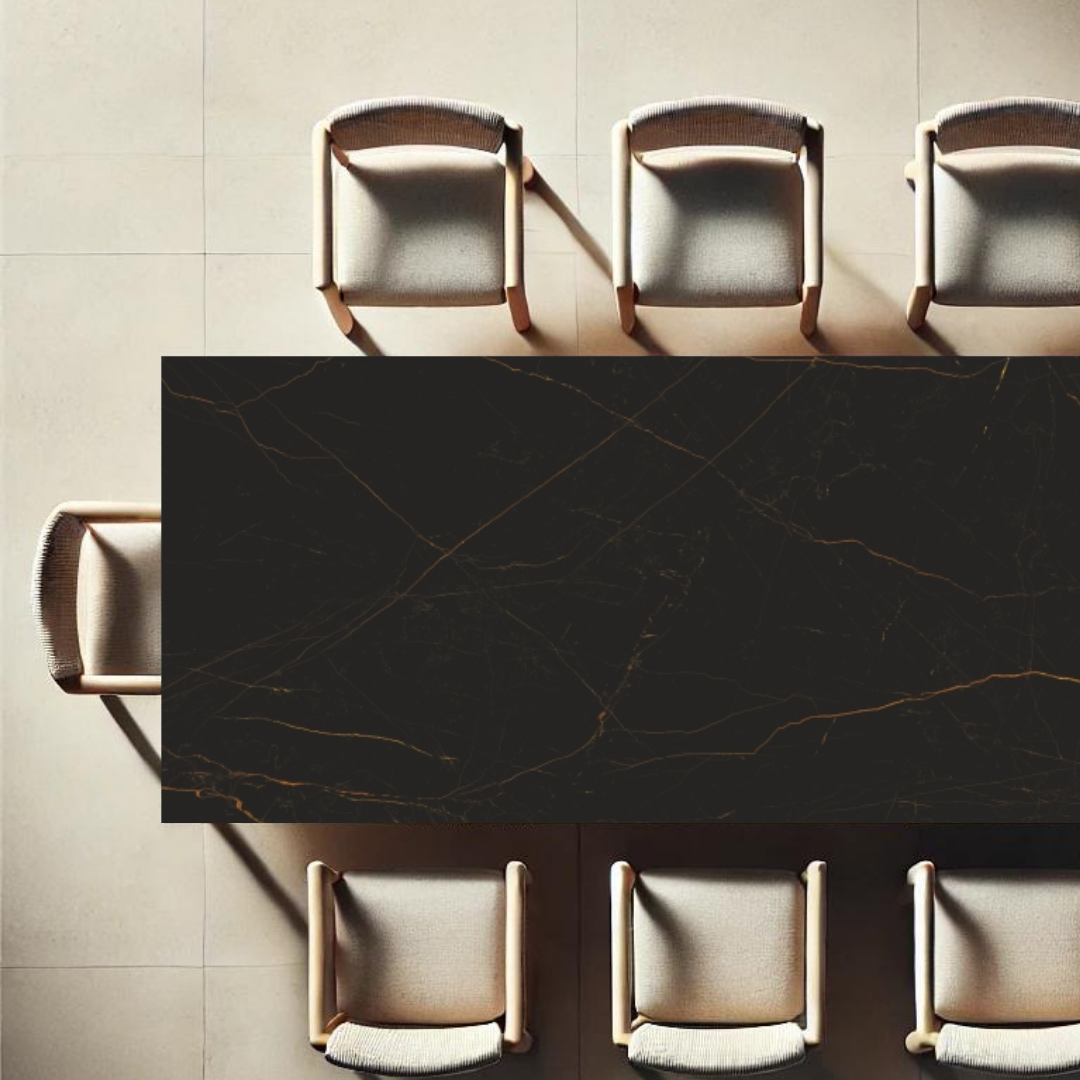
- Digital Printing Technology: Advanced digital printing techniques allow for intricate designs and patterns to be printed directly onto porcelain surfaces. This innovation enables designers to replicate the look of natural stone, wood, or other materials without the associated drawbacks.
- Eco-Friendly Manufacturing: Many Italian and Spanish manufacturers are adopting sustainable practices by using recycled materials and reducing water consumption during production. This commitment to sustainability resonates with environmentally conscious consumers.
- Enhanced Durability: Innovations in the composition of porcelain slabs have resulted in products that are not only visually appealing but also resistant to scratches, stains, and heat. These properties make porcelain an ideal choice for high-traffic areas.
These innovations have positioned Italian and Spanish manufacturers as leaders in the porcelain slab market, contributing to increased demand and market growth.
3. Market Trends and Consumer Preferences
Understanding market trends and consumer preferences is essential for grasping the current landscape of porcelain slab usage. Recent studies indicate a significant shift in consumer behavior:
- Preference for Customization: Consumers are increasingly seeking personalized solutions for their spaces. The ability to customize porcelain slabs with unique designs or dimensions is a growing trend.
- Desire for Low Maintenance: The demand for low-maintenance materials has surged, particularly among busy homeowners and commercial property managers. Porcelain slabs, with their easy-to-clean surfaces, align perfectly with this preference.
- Interest in Natural Aesthetics: Many consumers are drawn to the natural look of materials. Porcelain manufacturers have responded by creating products that mimic the appearance of marble, granite, and other natural stones.
This shift in consumer preferences has prompted manufacturers to innovate further, ensuring that their products meet the evolving demands of the market.
4. The Impact of Technology on Porcelain Slab Production
Technological advancements have significantly influenced the production of porcelain slabs. From the initial stages of design to the final product, technology plays a crucial role:
- 3D Printing: Some manufacturers are exploring 3D printing technology to create unique textures and patterns, allowing for unprecedented levels of customization.
- Automated Production Lines: Automation has streamlined the manufacturing process, reducing production times and costs while maintaining high-quality standards.
- Quality Control Systems: Advanced monitoring systems ensure consistency in color and texture, which is vital for maintaining the premium quality that consumers expect from top-tier porcelain products.
These technological advancements not only enhance the quality of porcelain slabs but also contribute to the overall efficiency of production, enabling manufacturers to meet increasing demand.
5. Comparing Porcelain Slabs with Other Materials
When considering materials for architectural surfaces, it’s essential to compare porcelain slabs with other popular options, such as granite, quartz, and natural stone. The following comparison highlights key differences:
| Material | Durability | Maintenance | Aesthetic Variety | Cost |
|---|---|---|---|---|
| Porcelain Slabs | Highly durable, scratch and stain resistant | Easy to clean, low maintenance | Extensive variety, can mimic natural stones | Mid-range to high-end |
| Granite | Very durable but can chip | Requires sealing, more maintenance | Limited color options | High-end |
| Quartz | Durable but can be damaged by heat | Low maintenance, easy to clean | Wide variety, but patterns can look artificial | Mid-range to high-end |
| Natural Stone | Durable but porous | Requires sealing and special care | Unique, but limited availability | High-end |
This comparison illustrates that porcelain slabs offer a compelling blend of durability, aesthetic variety, and low maintenance, making them an attractive choice for a variety of applications.
6. Maintenance and Care for Porcelain Surfaces
Proper maintenance is essential to ensure the longevity and beauty of porcelain surfaces. Here are some expert tips for caring for porcelain slabs:
- Regular Cleaning: Use a mild detergent and warm water to clean the surface regularly. Avoid harsh chemicals that can damage the finish.
- Avoid Abrasive Materials: When cleaning, use soft cloths or sponges to prevent scratching the surface.
- Seal Grout Lines: If your porcelain slab installation includes grout lines, ensure they are sealed properly to prevent staining.
- Immediate Cleanup: Wipe up spills as soon as they occur to prevent staining, especially from acidic substances.
By following these maintenance tips, homeowners and commercial property managers can extend the lifespan of their porcelain surfaces while preserving their aesthetic appeal.
7. Expert Tips for Choosing Porcelain Slabs
When selecting porcelain slabs for your project, consider the following expert tips:
- Determine Your Needs: Assess your specific needs, including the intended use and location of the slabs. For high-traffic areas, opt for thicker, more durable options.
- Consider Aesthetic Goals: Think about the overall design of your space. Choose colors and patterns that complement your interior design style.
- Visit a Showroom: Experience the slabs in person to get a better sense of their color, texture, and finish. Visit our Norcross showroom to explore our premium selection of porcelain slabs.
- Consult with Experts: Don’t hesitate to reach out to professionals for advice on the best options for your specific project needs. Call +1 470-551-2092 to speak with our surface specialists.
8. Frequently Asked Questions
What are porcelain slabs made of?
Porcelain slabs are made from a mixture of clay, sand, and other natural minerals that are fired at high temperatures to create a dense, durable material.
Are porcelain slabs suitable for outdoor use?
Yes, many porcelain slabs are designed to withstand outdoor conditions, making them suitable for patios, walkways, and outdoor kitchens.
How do I clean porcelain slabs?
Clean porcelain slabs with a mild detergent and warm water. Avoid using harsh chemicals or abrasive materials that can scratch the surface.
Can porcelain slabs be used for countertops?
Absolutely! Porcelain slabs are an excellent choice for kitchen and bathroom countertops due to their durability and low maintenance requirements.
What is the difference between porcelain and ceramic tiles?
Porcelain tiles are made from finer clay and fired at higher temperatures than ceramic tiles, making them denser, more durable, and less porous.
How do I choose the right porcelain slab for my project?
Consider factors such as the intended use, aesthetic goals, and thickness. Visiting a showroom can also help you make an informed decision.
Are porcelain slabs more expensive than granite?
Porcelain slabs can vary in price, but they typically fall into a mid-range to high-end price category, often making them more affordable than premium granite options.
What maintenance is required for porcelain slabs?
Porcelain slabs require minimal maintenance, primarily regular cleaning with mild soap and water, and sealing of grout lines if applicable.