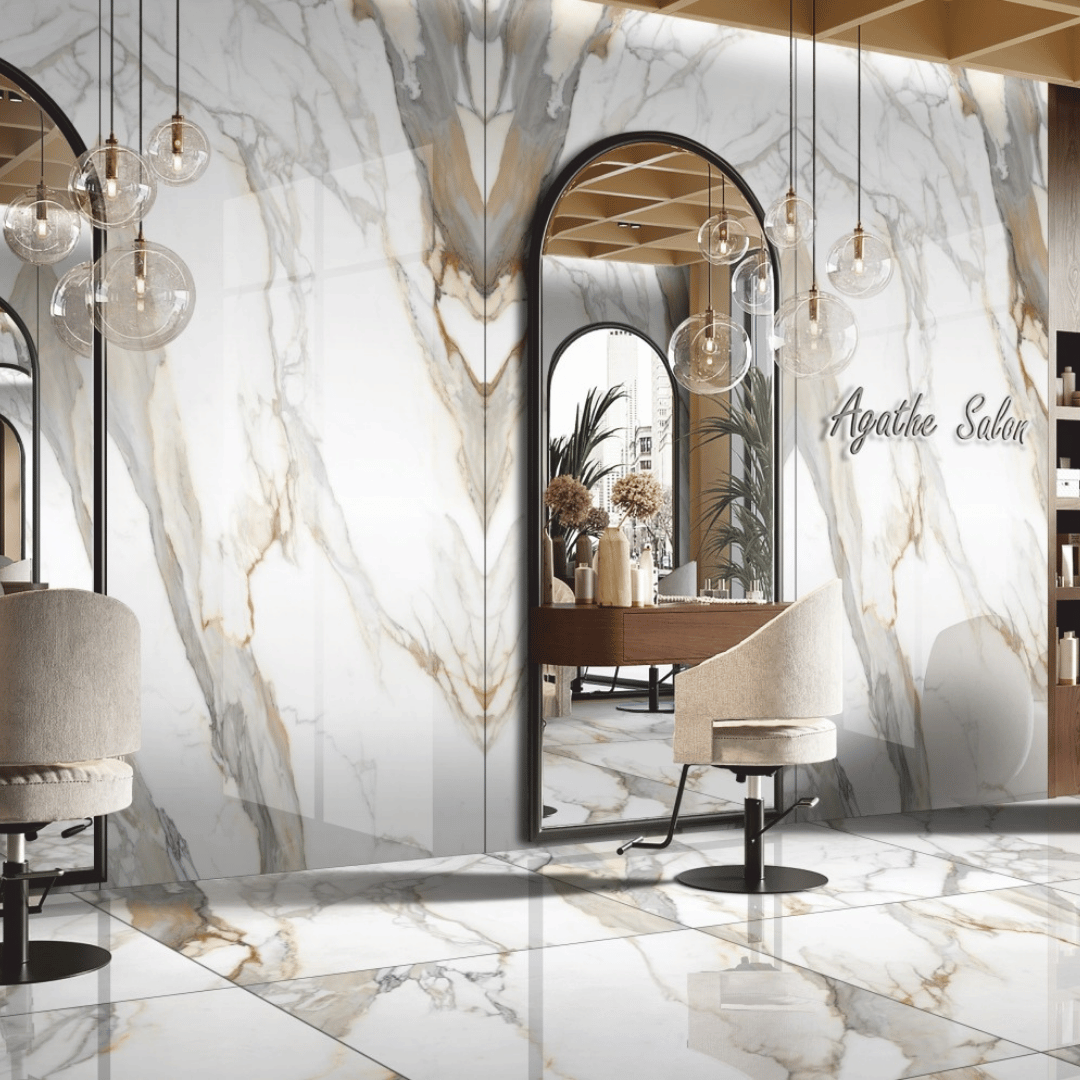
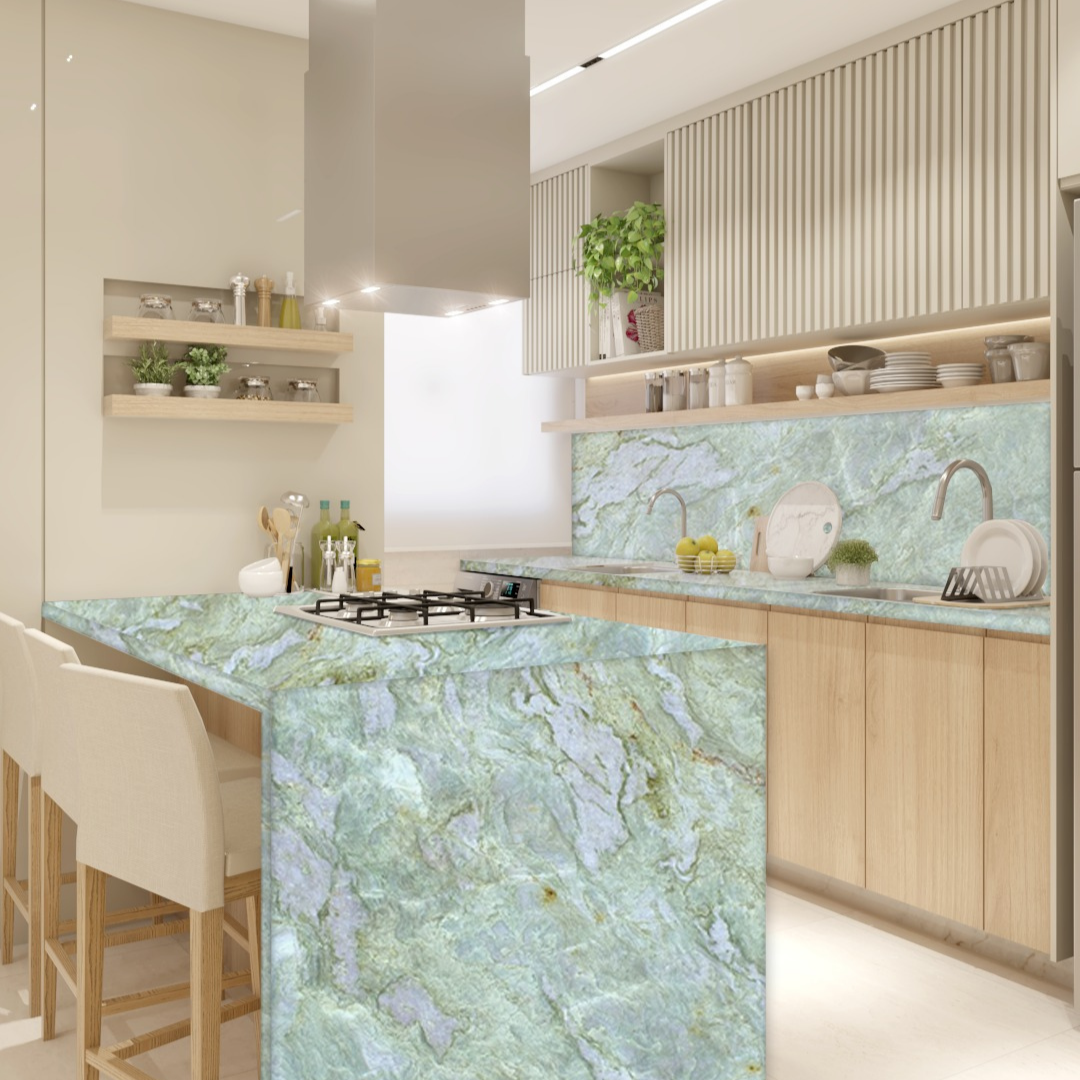
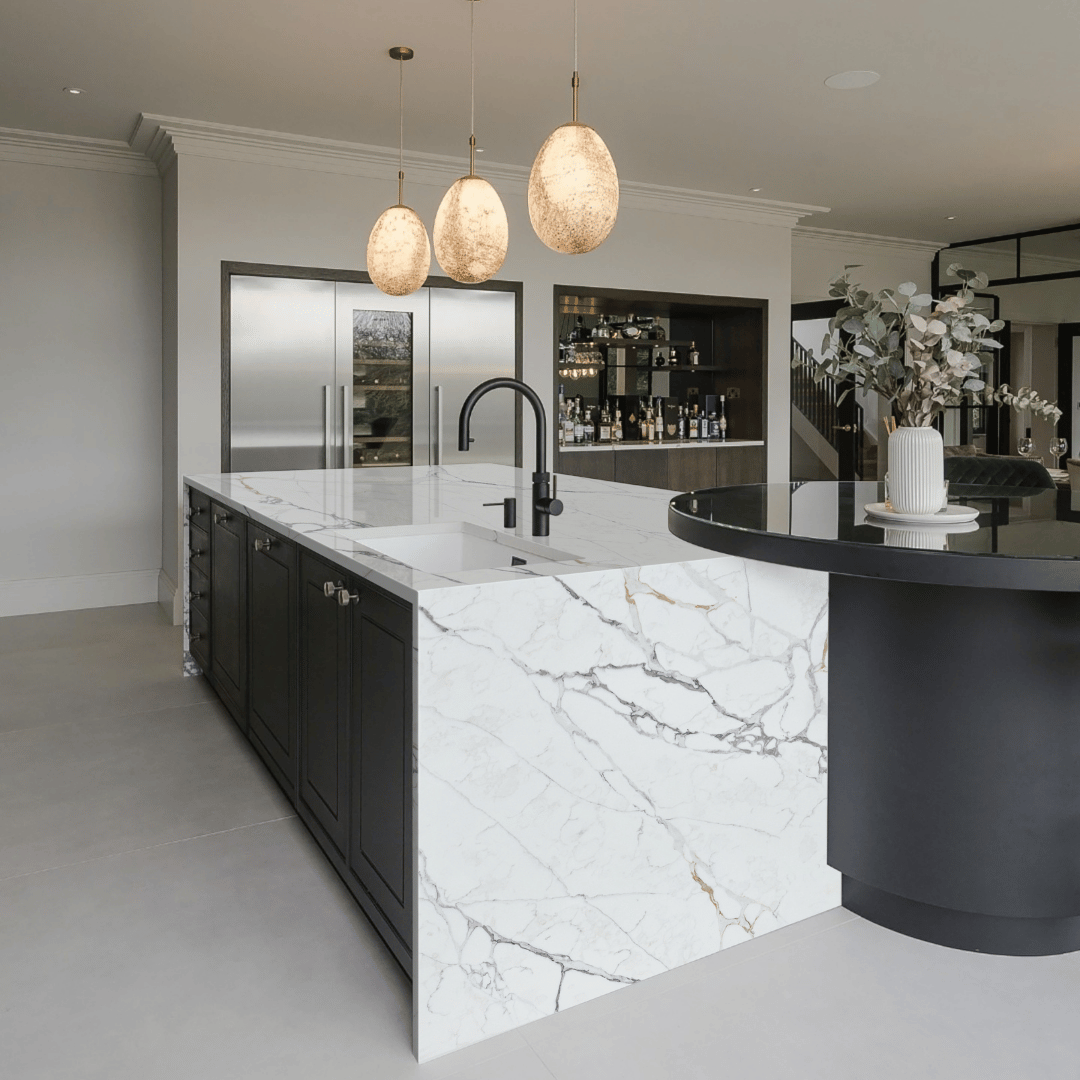
How Porcelain Slabs Handle Freeze-Thaw Cycles for Exterior Applications
How Porcelain Slabs Handle Freeze-Thaw Cycles for Exterior Architectural Applications
Updated on August 14, 2026
Porcelain slabs have emerged as a preferred material for exterior architectural applications, particularly in regions that experience extreme weather conditions. One of the most critical challenges faced by outdoor surfaces is the freeze-thaw cycle, which can severely impact the integrity and longevity of construction materials. In this comprehensive guide, we will explore how porcelain slabs perform under these challenging conditions, their benefits, and why they are a superior choice for exterior applications. Additionally, we will provide actionable tips for selecting and maintaining porcelain slabs to ensure optimal performance.
What Are Porcelain Slabs?
Porcelain slabs are large-format tiles made from a mixture of natural clay, sand, and feldspar, which are fired at extremely high temperatures. This process makes them denser and less porous than traditional ceramic tiles, resulting in a material that is not only aesthetically pleasing but also incredibly durable. The advanced manufacturing techniques used to create porcelain slabs allow for a variety of finishes, colors, and textures, making them versatile enough to suit any architectural style.
Understanding Freeze-Thaw Cycles
The freeze-thaw cycle refers to the process where moisture in materials freezes and expands when temperatures drop, then thaws and contracts when temperatures rise. This cycle can cause significant damage to many construction materials, leading to cracking, spalling, and structural failure. According to the National Institute of Standards and Technology (NIST), the expansion of frozen water can exert pressures of up to 2,000 psi on surrounding materials, making it a critical factor in material selection for outdoor applications.
How Porcelain Slabs Handle Freeze-Thaw Cycles
Porcelain slabs are engineered to withstand freeze-thaw cycles effectively. Here are some key characteristics that contribute to their performance:
- Low Water Absorption: Porcelain slabs typically have a water absorption rate of less than 0.5%, making them highly resistant to moisture infiltration. This characteristic significantly reduces the risk of freeze-thaw damage, as there is less water to freeze inside the material.
- Durability: The high firing temperatures used in the manufacturing process create a dense material that is less prone to cracking under stress. This durability is crucial for outdoor applications where slabs are subjected to varying temperatures and physical impacts.
- Frost Resistance: Many porcelain slabs are specifically designed to be frost-resistant, meeting or exceeding industry standards for outdoor use. This ensures that they maintain their integrity even in harsh winter conditions.
- Thermal Shock Resistance: The ability of porcelain to withstand sudden temperature changes without cracking is essential for areas that experience rapid temperature fluctuations. This property is particularly beneficial in climates where daytime temperatures can soar while nights are freezing.
- Color and Finish Stability: Porcelain slabs retain their color and finish over time, even when exposed to UV rays and extreme weather conditions. This stability ensures that exterior installations remain visually appealing.
Comparison of Porcelain Slabs and Other Materials
| Material | Water Absorption Rate | Frost Resistance | Durability | Color Stability |
|---|---|---|---|---|
| Porcelain Slabs | <0.5% | High | Excellent | Excellent |
| Concrete | 5-10% | Moderate | Good | Variable |
| Natural Stone | 1-3% | Moderate | Good | Variable |
| Ceramic Tiles | 3-6% | Low | Fair | Variable |
Benefits of Porcelain Slabs for Exterior Applications
Choosing porcelain slabs for exterior architectural applications offers numerous advantages:
- Versatility: Porcelain slabs come in a variety of designs, colors, and finishes, making them suitable for various architectural styles. Whether you’re designing a modern home or a traditional building, there’s a porcelain slab that fits your vision.
- Low Maintenance: Unlike natural stone, porcelain slabs do not require sealing and are easy to clean. A simple wash with soap and water is often enough to keep them looking pristine.
- Cost-Effectiveness: While the initial investment may be higher than some other materials, the longevity and low maintenance costs of porcelain slabs make them a cost-effective choice in the long run.
- Eco-Friendly Options: Many manufacturers now offer porcelain slabs made from recycled materials, contributing to sustainable building practices.
- Safety: Porcelain slabs can be manufactured with slip-resistant finishes, making them a safe choice for outdoor areas exposed to moisture, such as pool decks and patios.
Maintenance Tips for Porcelain Slabs
To maximize the performance and appearance of porcelain slabs, consider the following maintenance tips:
- Regular Cleaning: Use a mild detergent and warm water to clean your porcelain slabs regularly. Avoid harsh chemicals that can damage the surface.
- Inspect for Damage: Regularly inspect your slabs for any signs of cracks or chips. Early detection can prevent further damage.
- Clear Debris: Keep the surface free from debris, such as leaves and dirt, which can trap moisture and promote mildew growth.
- Seal Outdoor Grout Lines: If your installation involves grout, ensure that it is sealed properly to prevent moisture infiltration.
- Use Proper Tools: When cleaning or maintaining your slabs, use soft-bristle brushes or microfiber cloths to avoid scratching the surface.
Frequently Asked Questions
1. What are porcelain slabs made of?
Porcelain slabs are made from a mixture of natural clay, sand, and feldspar, which are fired at high temperatures to create a dense and durable material.
2. How do porcelain slabs perform in freeze-thaw cycles?
Porcelain slabs have a low water absorption rate, high durability, and frost resistance, making them ideal for handling freeze-thaw cycles without damage.
3. Are porcelain slabs suitable for outdoor use?
Yes, porcelain slabs are specifically designed for outdoor applications and are resistant to UV rays, moisture, and extreme temperatures.
4. How do I clean porcelain slabs?
Clean porcelain slabs with a mild detergent and warm water. Avoid harsh chemicals and abrasive tools that can scratch the surface.
5. What is the average lifespan of porcelain slabs?
When properly maintained, porcelain slabs can last for decades, making them a long-term investment for exterior applications.
6. Can porcelain slabs be used around pools?
Yes, porcelain slabs can be manufactured with slip-resistant finishes, making them a safe option for pool decks and surrounding areas.
7. How do porcelain slabs compare to natural stone?
While natural stone is beautiful, porcelain slabs offer lower maintenance, higher durability, and greater resistance to weather-related damage.
8. Where can I purchase premium porcelain slabs?
You can explore a range of premium porcelain slabs at Builder Stone Global, your trusted porcelain slab supplier in Georgia.
Conclusion
In conclusion, porcelain slabs are an exceptional choice for exterior architectural applications, particularly in areas prone to freeze-thaw cycles. Their low water absorption, durability, and resistance to environmental stressors make them a reliable option for architects, builders, and homeowners alike. By understanding how to select and maintain these high-performance surfaces, you can ensure that your outdoor spaces remain beautiful and functional for years to come. For more expert advice and to explore our extensive inventory of premium porcelain slabs, contact us or check our live inventory today.