How Architects Specify Slab Materials for High-End Residential and Commercial Projects
How Architects Specify Slab Materials for High-End Residential and Commercial Projects
When it comes to designing high-end residential and commercial projects, the selection of slab materials is a critical decision that architects must make. The right choice not only impacts the aesthetic appeal of a space but also its durability, maintenance, and overall performance. As a leading quartz slab distributor in Norcross, GA, Builder Stone Global understands the intricacies involved in this selection process. In this article, we will explore how architects specify slab materials, focusing on the various factors that influence their decisions, the types of materials available, and best practices for ensuring an optimal outcome.
Understanding the Role of Slab Materials
Slab materials serve as the foundation for various architectural surfaces, including countertops, flooring, and wall cladding. They play a pivotal role in establishing the overall aesthetic and functional qualities of a space. High-end residential and commercial projects often demand materials that offer premium quality, architectural elegance, and durability. Architects must consider how these materials will complement design elements while also meeting the specific needs of the project.
Architects are tasked with balancing form and function, ensuring that the selected materials align with the vision of the project while adhering to local building codes and regulations. In this context, understanding the technical specifications of different slab materials is paramount. As a trusted porcelain slab supplier in Georgia, Builder Stone Global provides a variety of options that meet the rigorous standards of high-end architectural design.
Key Factors Influencing Material Selection
When specifying slab materials, architects consider several key factors:
- Aesthetics: The visual appeal of the slab, including color, pattern, and finish, is often the first consideration. Architects aim to create a cohesive look that enhances the overall design.
- Durability: High-traffic areas require materials that can withstand wear and tear. Durability is measured in terms of scratch resistance, stain resistance, and overall longevity.
- Maintenance: The ease of cleaning and upkeep is crucial, especially for commercial spaces. Architects often prefer materials that require minimal maintenance to ensure their longevity.
- Cost: Budget constraints play a significant role in material selection. Architects must balance quality with affordability, ensuring that the chosen materials fit within the project’s financial parameters.
- Sustainability: Increasingly, architects are prioritizing environmentally friendly materials. This includes sourcing materials that are sustainably produced and have a lower carbon footprint.
- Performance: This encompasses the technical aspects of the material, such as thermal conductivity, moisture resistance, and structural integrity.
Types of Slab Materials
Architects have a range of slab materials to choose from, each offering unique characteristics and benefits. The most common types include:
1. Quartz Slabs
Quartz slabs are engineered materials made from natural quartz crystals combined with resins and pigments. They are known for their premium quality, consistent patterns, and vibrant colors. Quartz is non-porous, making it resistant to stains and bacteria, which is ideal for kitchen countertops and bathroom vanities.
2. Porcelain Slabs
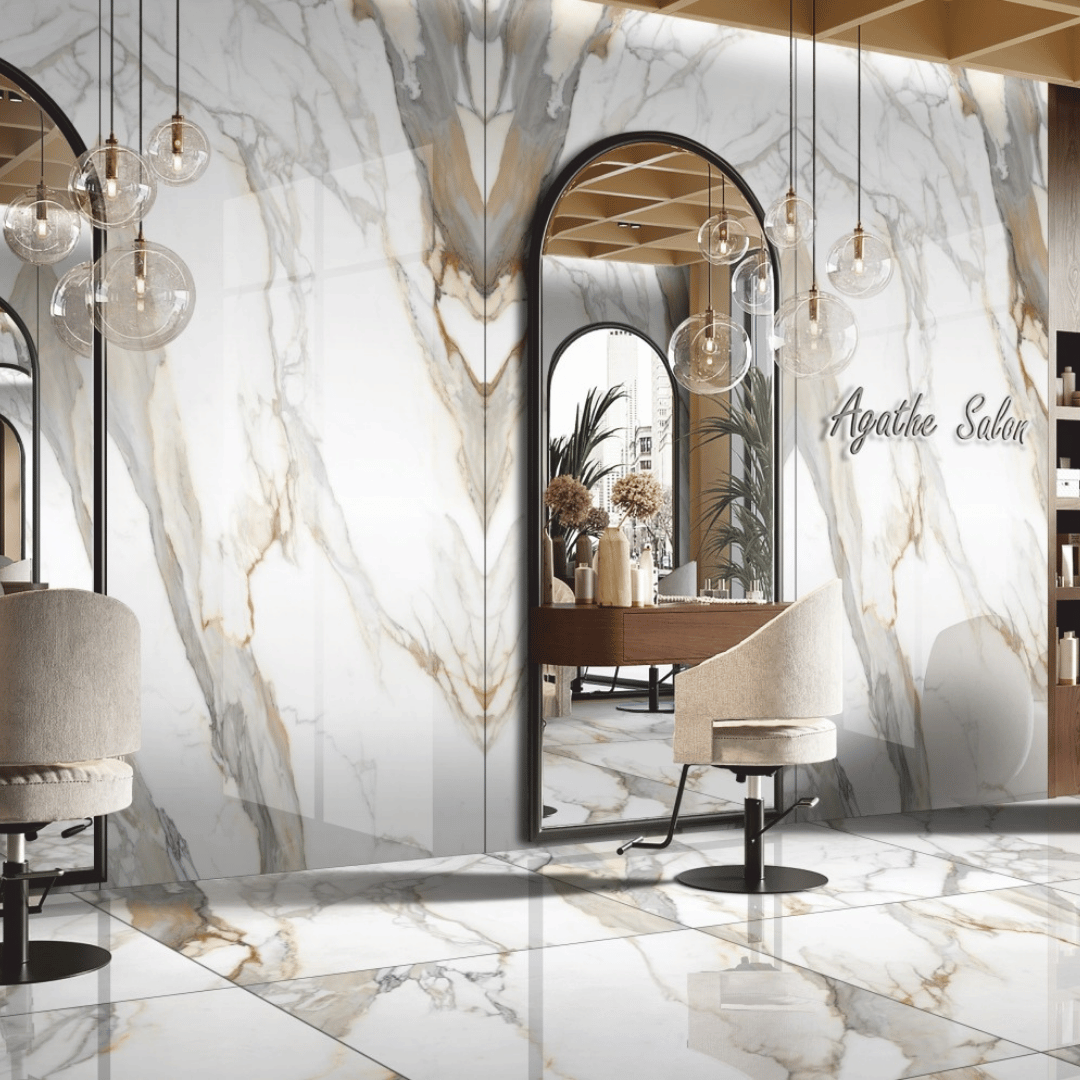
Porcelain slabs are high-performance surfaces that offer exceptional durability and aesthetic versatility. They can mimic the appearance of natural stone while providing superior resistance to moisture, heat, and scratches. These slabs are perfect for both indoor and outdoor applications, making them a favorite among architects.
3. Natural Stone Slabs
Natural stone slabs, such as granite and quartzite, are prized for their unique beauty and timeless appeal. Each slab is one-of-a-kind, showcasing distinctive patterns and colors. While they require more maintenance than engineered materials, their longevity and durability make them a popular choice for high-end projects.
4. HD Quartz Surfaces
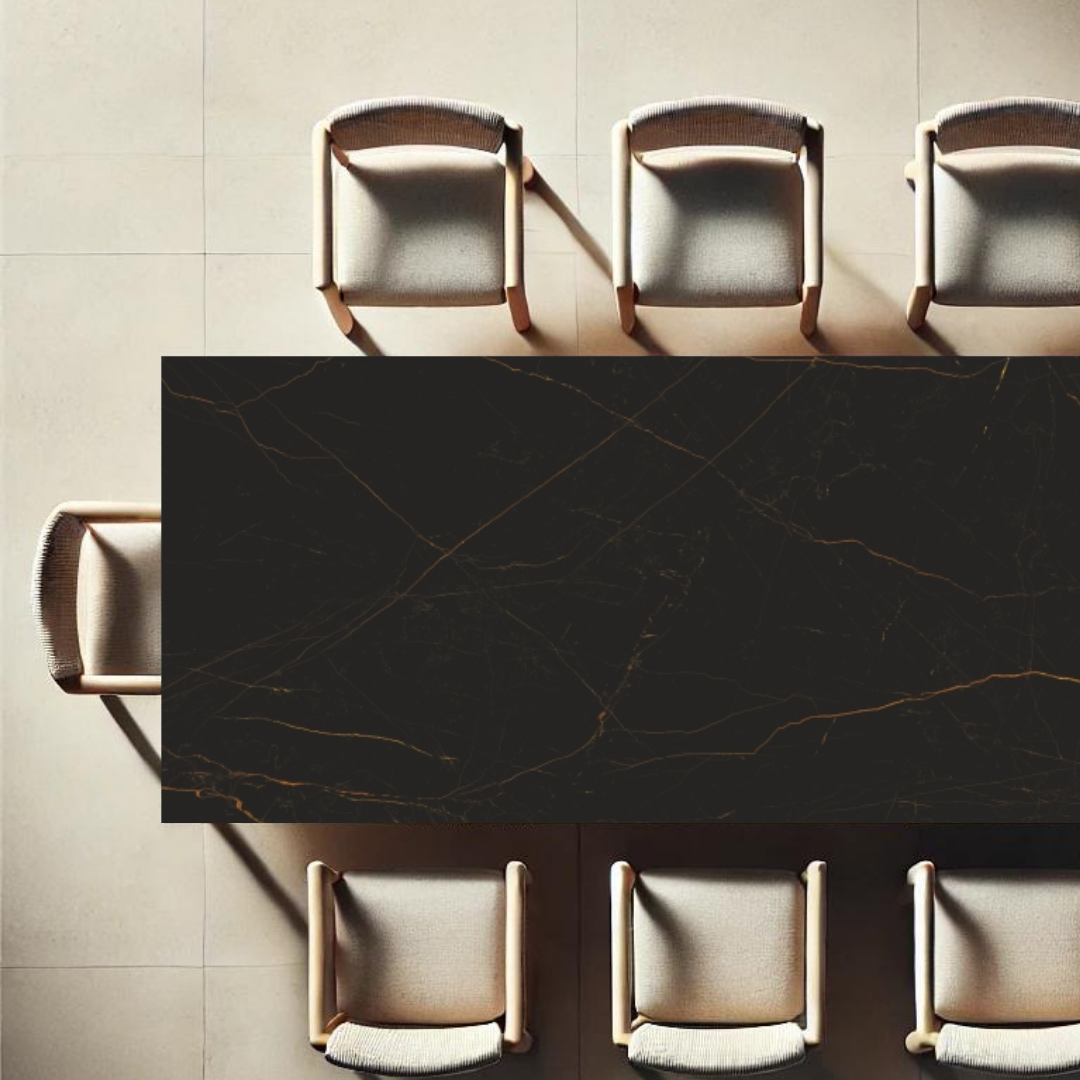
High-density (HD) quartz surfaces offer enhanced performance characteristics compared to standard quartz. They are designed to withstand higher levels of wear and tear, making them suitable for commercial environments. Architects often specify HD quartz for applications requiring exceptional durability.
Best Practices for Specifying Slab Materials
To ensure the best outcomes when specifying slab materials, architects can follow these best practices:
- Conduct Thorough Research: Understand the properties of each material and how they align with project requirements. This includes reviewing technical data sheets and case studies.
- Collaborate with Suppliers: Engage with trusted suppliers like Builder Stone Global to access expert insights and recommendations. Their extensive inventory and knowledge can help architects make informed decisions.
- Sample Selection: Always request material samples to evaluate their look and feel in the actual project environment. This helps in visualizing how the materials will interact with lighting and other design elements.
- Consider Long-Term Performance: Evaluate not only the initial cost but also the long-term maintenance and durability of the materials. High-quality materials may have a higher upfront cost but can save money over time.
- Stay Updated on Trends: Keep abreast of the latest trends in architectural design and material technology. This knowledge can inform choices that enhance the project’s aesthetic and functional appeal.
Comparative Analysis of Popular Slab Materials
To provide a clearer understanding of the differences between popular slab materials, the following table outlines key characteristics:
| Material | Durability | Maintenance | Aesthetic Variety | Cost |
|---|---|---|---|---|
| Quartz | High | Low | High | $$$ |
| Porcelain | Very High | Very Low | Medium | $$ |
| Granite | High | Medium | Very High | $$$ |
| Quartzite | High | Medium | Very High | $$$ |
| HD Quartz | Very High | Low | Medium | $$$$ |
Case Studies in High-End Projects
Examining real-world applications of slab materials can provide valuable insights for architects. Here are a few notable case studies:
Case Study 1: Luxury Residential Home
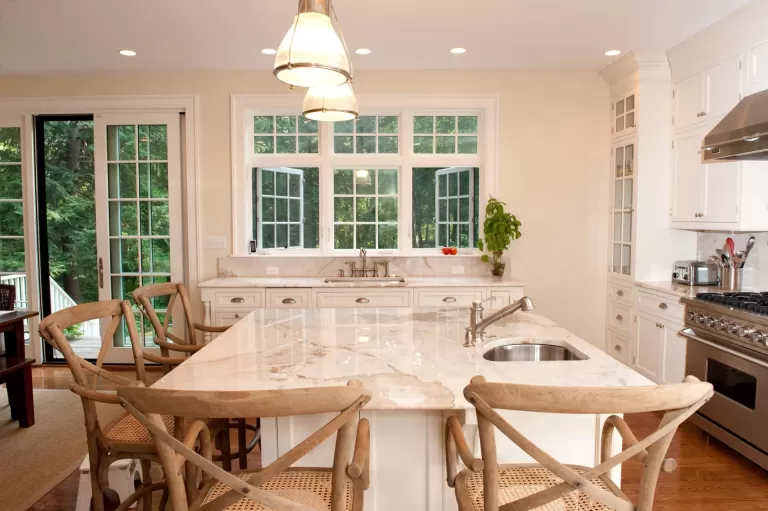
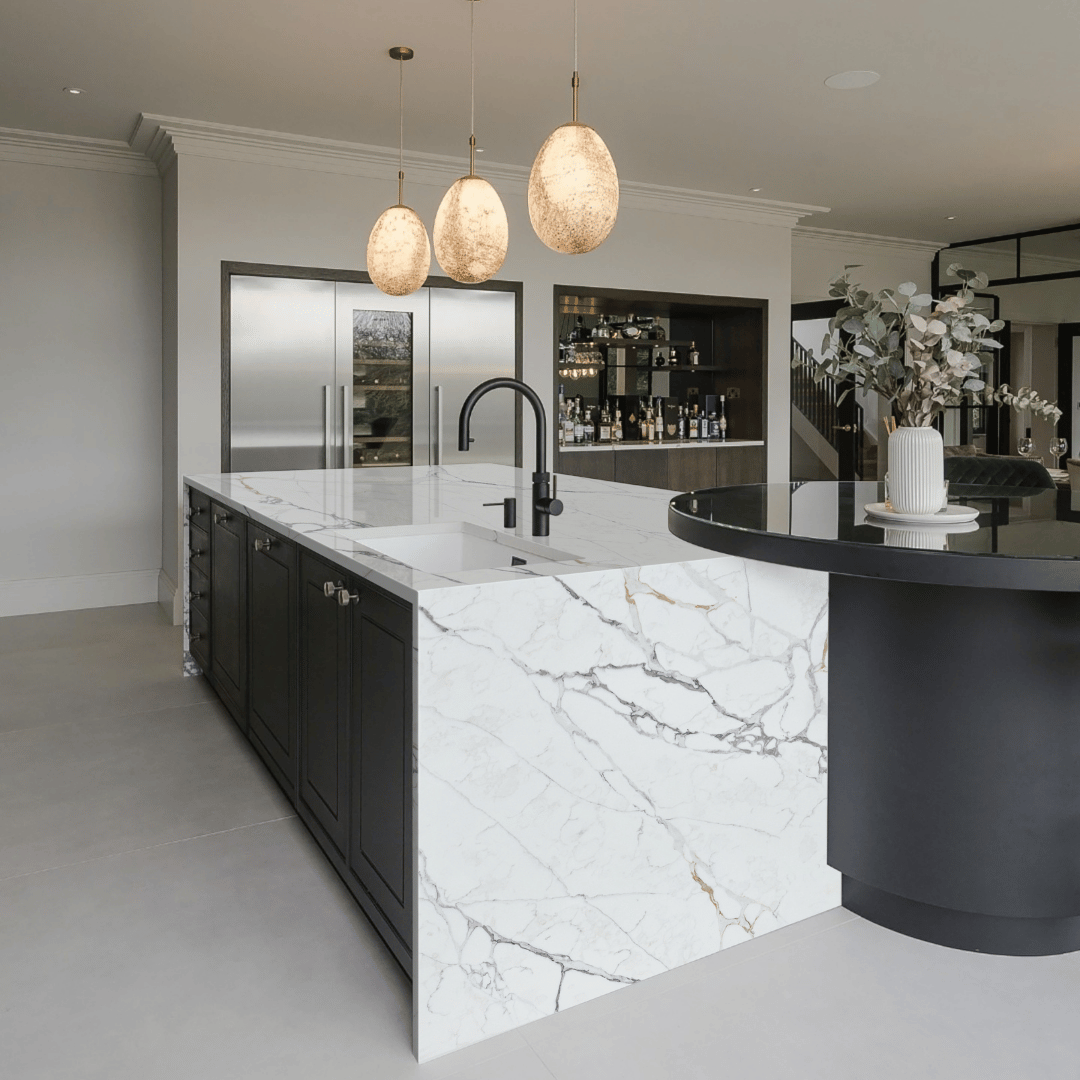
In a recent luxury residential project in Atlanta, architects specified high-performance quartz slabs for the kitchen and bathroom surfaces. The choice was driven by the need for low-maintenance surfaces that could withstand daily use while maintaining aesthetic appeal. The result was a stunning, functional space that delighted both the homeowner and the designer.
Case Study 2: Commercial Office Space
For a new commercial office in downtown, architects opted for large format porcelain slabs for the lobby and common areas. The material’s durability and design flexibility allowed for expansive, seamless surfaces that made a striking impression on visitors. Additionally, the low maintenance requirements contributed to long-term cost savings for the property owner.
Conclusion
Specifying slab materials for high-end residential and commercial projects is a complex task that demands a careful balance of aesthetics, performance, and cost. Architects must consider a variety of factors, from durability and maintenance to sustainability and design trends. By leveraging the expertise of trusted suppliers like Builder Stone Global and staying informed about the latest materials and technologies, architects can make informed decisions that elevate their projects to new heights.
For more information about our extensive inventory of premium quartz, porcelain, and natural stone slabs, contact us today or check our live inventory.
FAQs
1. What are the most durable slab materials for high-end projects?
Durable options include quartz, HD quartz, and porcelain slabs, which offer superior resistance to scratches, stains, and heat.
2. How do I choose the right slab material for my project?
Consider factors such as aesthetics, durability, maintenance, cost, and sustainability. It can be helpful to collaborate with suppliers for expert advice.
3. Are natural stone slabs more expensive than engineered options?
Generally, natural stone slabs can be more expensive due to their unique beauty and sourcing requirements, while engineered options like quartz may offer cost-effective alternatives.
4. What maintenance is required for quartz countertops?
Quartz countertops are low maintenance; regular cleaning with mild soap and water is typically sufficient to keep them looking new.
5. Can porcelain slabs be used outdoors?
Yes, porcelain slabs are highly durable and suitable for outdoor applications due to their resistance to moisture and temperature fluctuations.
6. What is the lifespan of quartz vs. granite surfaces?
Both quartz and granite can last for decades with proper care, but quartz may require less maintenance over time.
7. How do slab thickness and size affect my project?
Thicker and larger slabs can provide a more seamless look and greater structural integrity but may also increase costs and require specialized installation.
8. What are the latest trends in slab materials for 2026?
Current trends include the use of sustainable materials, larger format slabs, and designs that mimic natural stone while providing enhanced performance.