
Understanding How Lighting Changes Slab Color Appearance to Prevent Selection Regret
Understanding How Lighting Changes Slab Color Appearance to Prevent Selection Regret
Choosing the right surface materials for your architectural projects can be a daunting task, especially when it comes to selecting slabs for countertops, walls, or flooring. One crucial factor often overlooked is how lighting influences the appearance of slab colors. Understanding how lighting changes slab color appearance can significantly reduce the risk of selection regret. In this article, we will explore the interplay between lighting and slab colors, the importance of making informed decisions, and how Builder Stone Global can assist you in choosing the perfect slabs for your needs.
What is Slab Color Appearance?
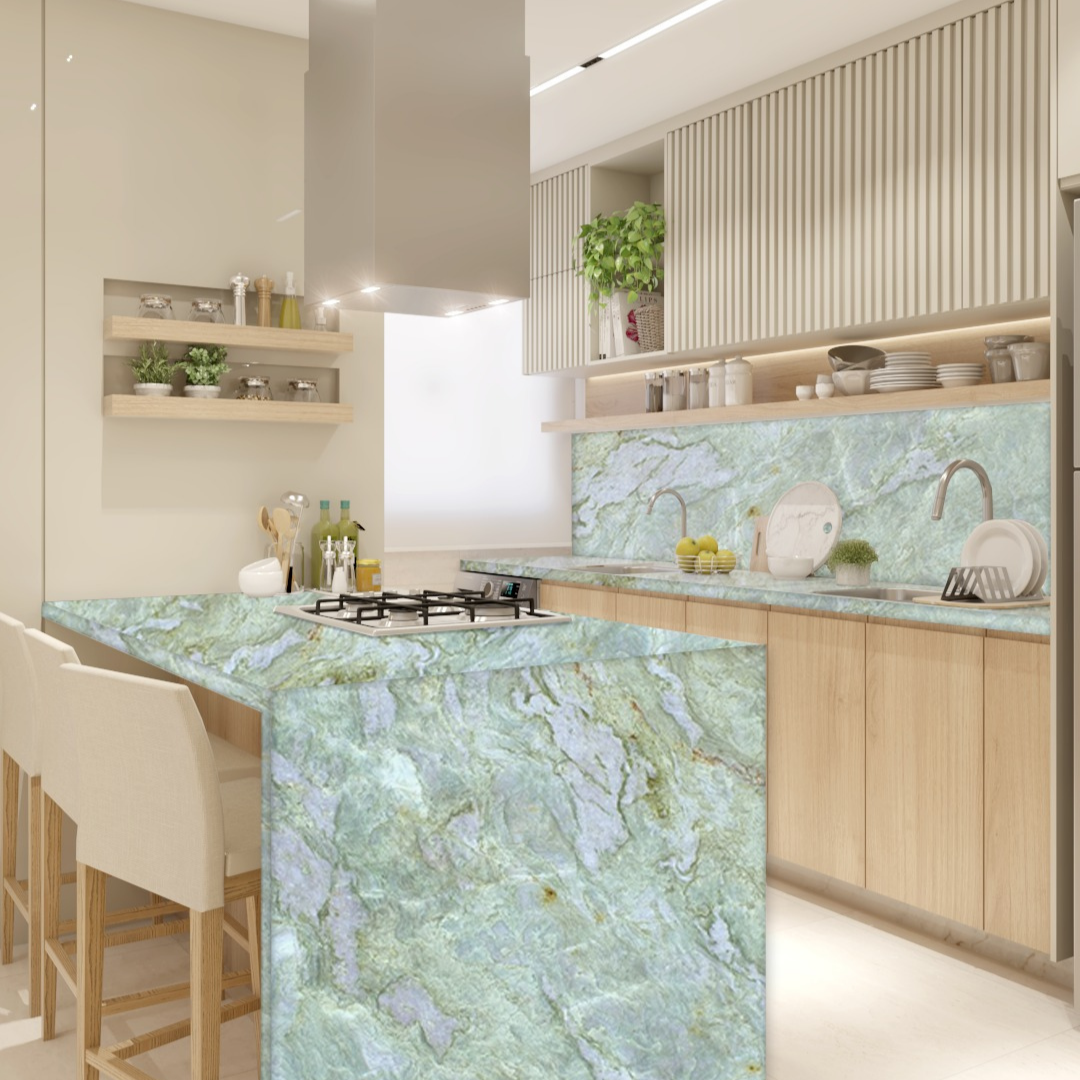
Slab color appearance refers to the visual perception of color when viewing a stone slab. It encompasses not only the base color but also the undertones and patterns that can change based on various environmental factors. For instance, a slab that appears predominantly white may exhibit hints of gray or blue under certain lighting conditions. This phenomenon is primarily due to the way light interacts with the surface of the stone and the colors within it.
Slab color appearance is critical in architectural design as it directly affects the overall aesthetic of a space. When selecting materials, understanding how different lighting conditions can alter color perception can help you avoid costly mistakes. Choosing the right slabs requires a comprehensive understanding of both the material and the environment in which it will be placed.
How Lighting Affects Slab Color
Lighting plays a pivotal role in how we perceive colors. The type, intensity, and angle of light can significantly change the appearance of a slab. Here are some of the key factors to consider:
- Type of Light: Different light sources emit varying color temperatures. For instance, incandescent bulbs produce warm light, which can enhance warm tones in slabs like beige or gold, while fluorescent lights emit cooler light that may emphasize blues and greens.
- Intensity of Light: The brightness of the lighting can also affect color perception. Brighter spaces may wash out colors, making them appear lighter, while dimmer areas can deepen colors, creating a more dramatic effect.
- Angle of Light: The direction from which light hits a slab can create shadows that alter its appearance. Slabs with intricate patterns may look different when viewed from various angles, emphasizing different colors or textures.
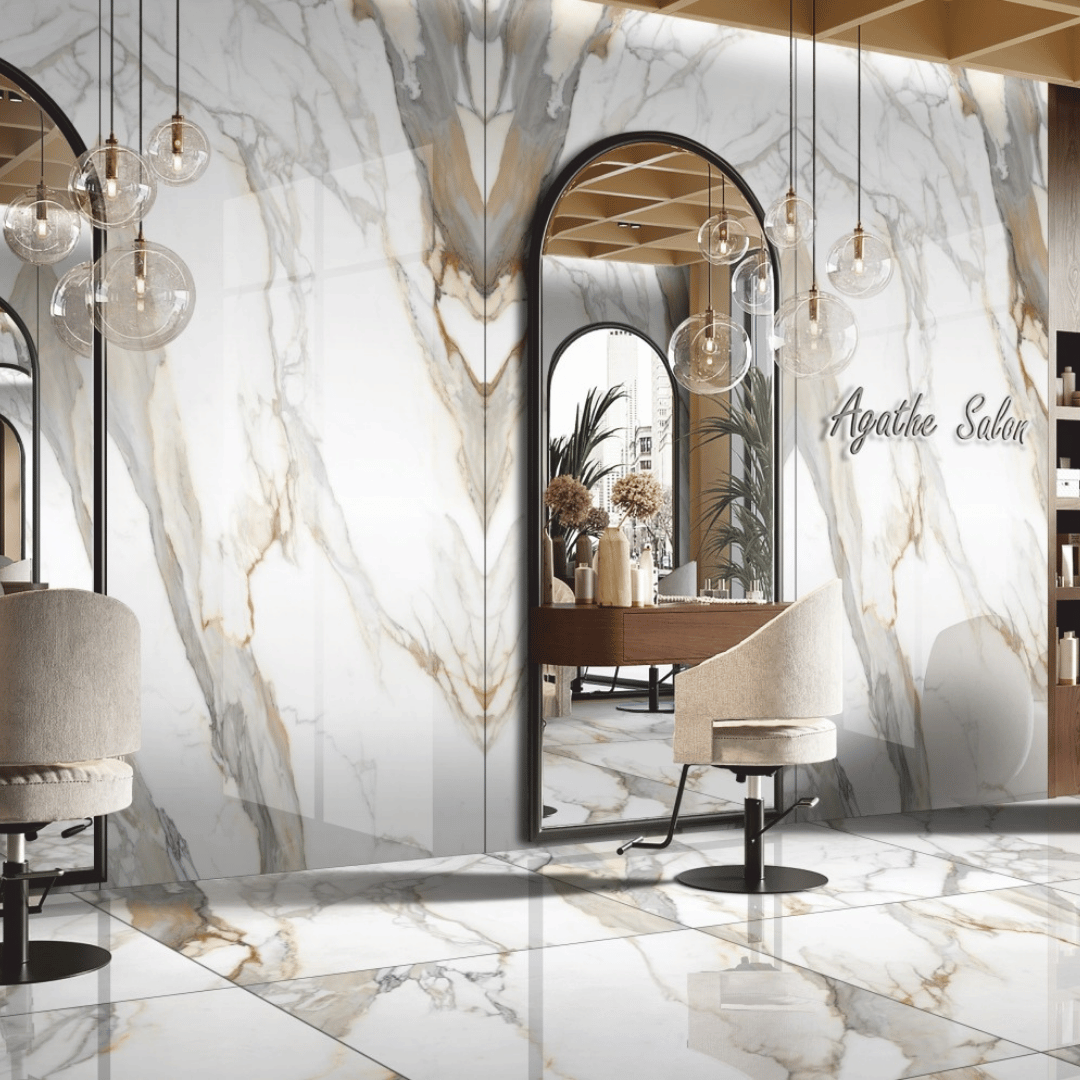
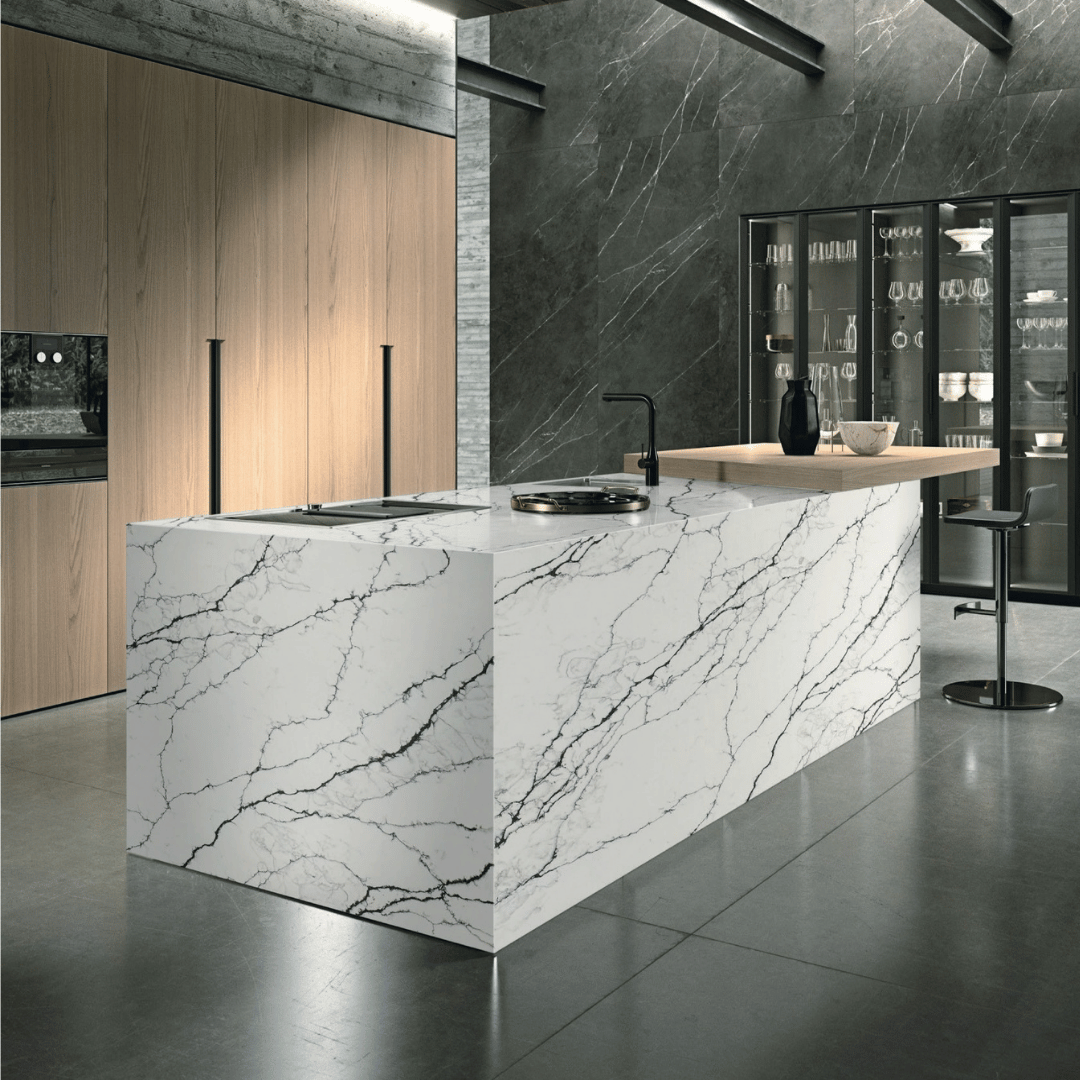
Understanding these factors is essential when selecting quartz, porcelain, or natural stone slabs. For example, a quartz slab that appears soft gray in bright daylight may look more like a deep charcoal in the glow of a dimly lit restaurant. This is particularly important for spaces where lighting will change throughout the day, such as in kitchens or living areas.
The Importance of Considering Lighting
Failing to consider how lighting affects slab color can lead to selection regret, an all-too-common issue among homeowners and designers alike. Here are several reasons why understanding lighting is crucial:
- Consistency: Ensuring that the color of your slabs remains consistent throughout the day and under various lighting conditions can help maintain the intended aesthetic of your space. This is especially important in open-concept layouts where light can vary significantly from one area to another.
- Design Harmony: The right slab color can enhance the overall design of a room. By understanding how lighting affects color, you can select slabs that harmonize with other design elements such as cabinetry, flooring, and furnishings.
- Informed Decision-Making: Knowledge of how light interacts with slab colors empowers you to make informed decisions, helping you avoid costly mistakes associated with purchasing and installing the wrong materials.
At Builder Stone Global, we focus on providing premium quality slabs that meet the highest architectural standards. Our extensive inventory includes quartz, porcelain, and natural stone slabs, ensuring that you find the perfect material for your project. To explore our collection, check our live inventory.
How to Test Slab Colors in Different Lighting
To ensure that you select the right slab color, it’s essential to test how it appears in various lighting conditions before making a final decision. Here’s a step-by-step guide on how to do this effectively:
- Gather Sample Slabs: Obtain small samples of the slabs you’re considering. This will allow you to see how each color looks in your specific environment.
- Consider Natural Light: Observe the samples in natural light during different times of the day. Morning light may appear cooler, while afternoon light is typically warmer.
- Test Artificial Lighting: Use different artificial light sources, such as incandescent, fluorescent, and LED bulbs. Observe how the slab colors change under each type of light.
- Analyze Shadows: Move the samples around to see how shadows created by furniture or other elements impact the slab color. This will help you understand how the slabs will look in the actual space.
- Document Your Observations: Take notes or photos of how each slab appears in different lighting conditions. This will help you compare and make an informed decision later.
Best Lighting Options for Slab Selection
Choosing the right lighting for your slab selection process is just as important as the slabs themselves. Here are some lighting options that can help you accurately assess color:
- Daylight LEDs: These bulbs mimic natural daylight, providing a true representation of colors. They are ideal for use in showrooms and during slab selection.
- Full-Spectrum Bulbs: Designed to emit light across the entire spectrum, full-spectrum bulbs can help reveal the nuances in slab colors, making them suitable for design studios.
- Adjustable Lighting Fixtures: Consider using adjustable fixtures that allow you to change the intensity and angle of light. This flexibility can help you see how colors change under different conditions.
By using the right lighting during your selection process, you can reduce the risk of selection regret and ensure that your chosen slabs complement your space beautifully.
Expert Tips on Choosing Slab Colors
Here are additional expert tips to keep in mind when selecting slab colors:
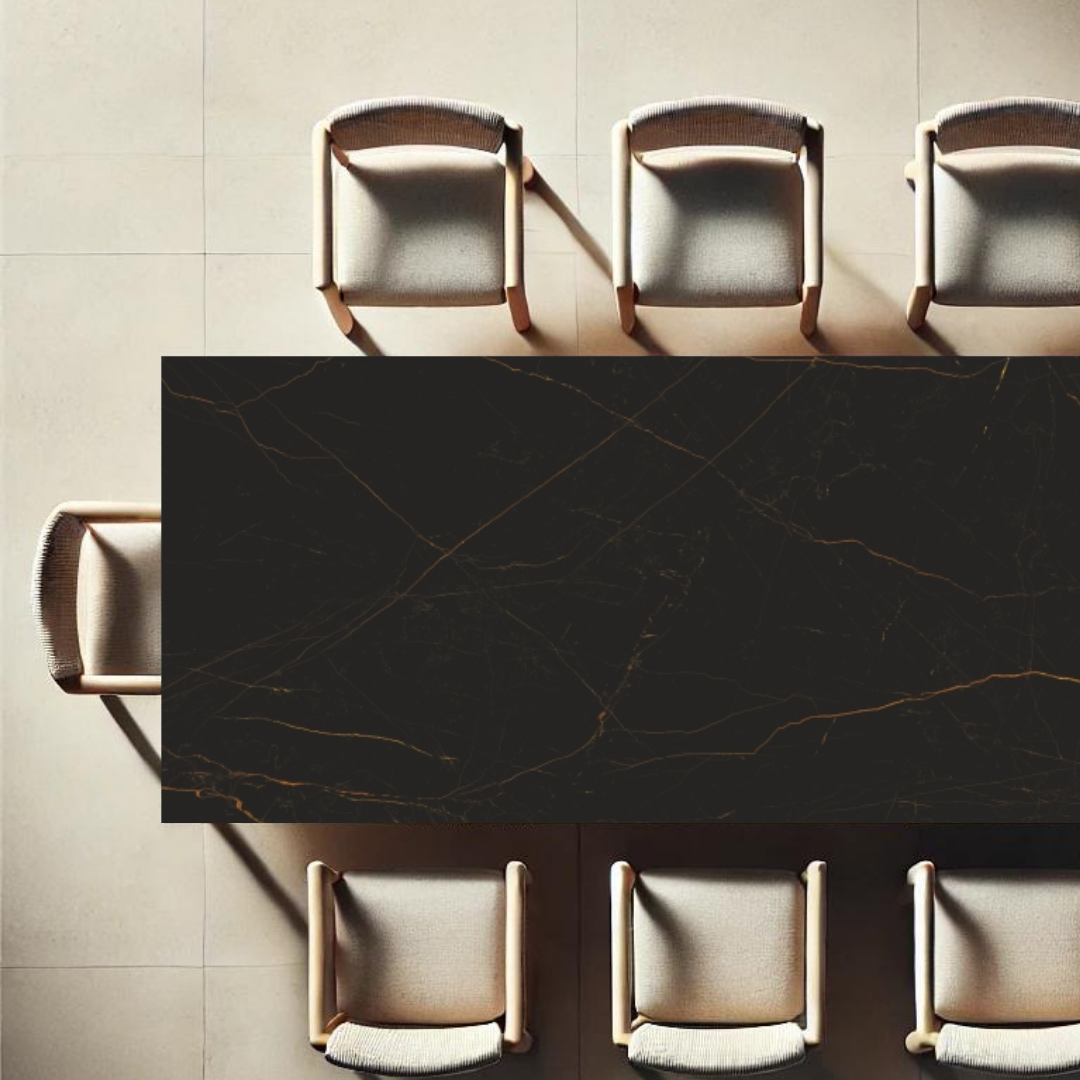
- Consider Your Space: The intended use of the space will influence your slab choice. For example, lighter colors may be more suitable for small, dark spaces, while darker colors can add depth to larger areas.
- Think About Maintenance: Some colors and finishes are easier to maintain than others. Lighter colors may show stains more easily, while darker colors may require less frequent cleaning.
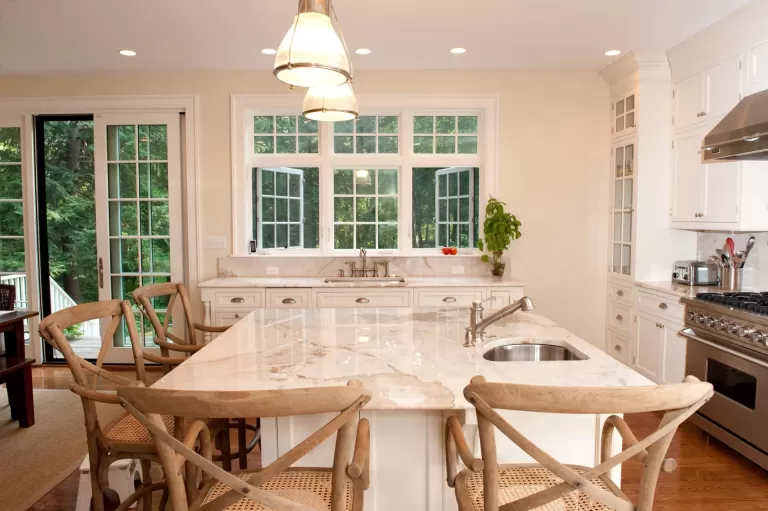
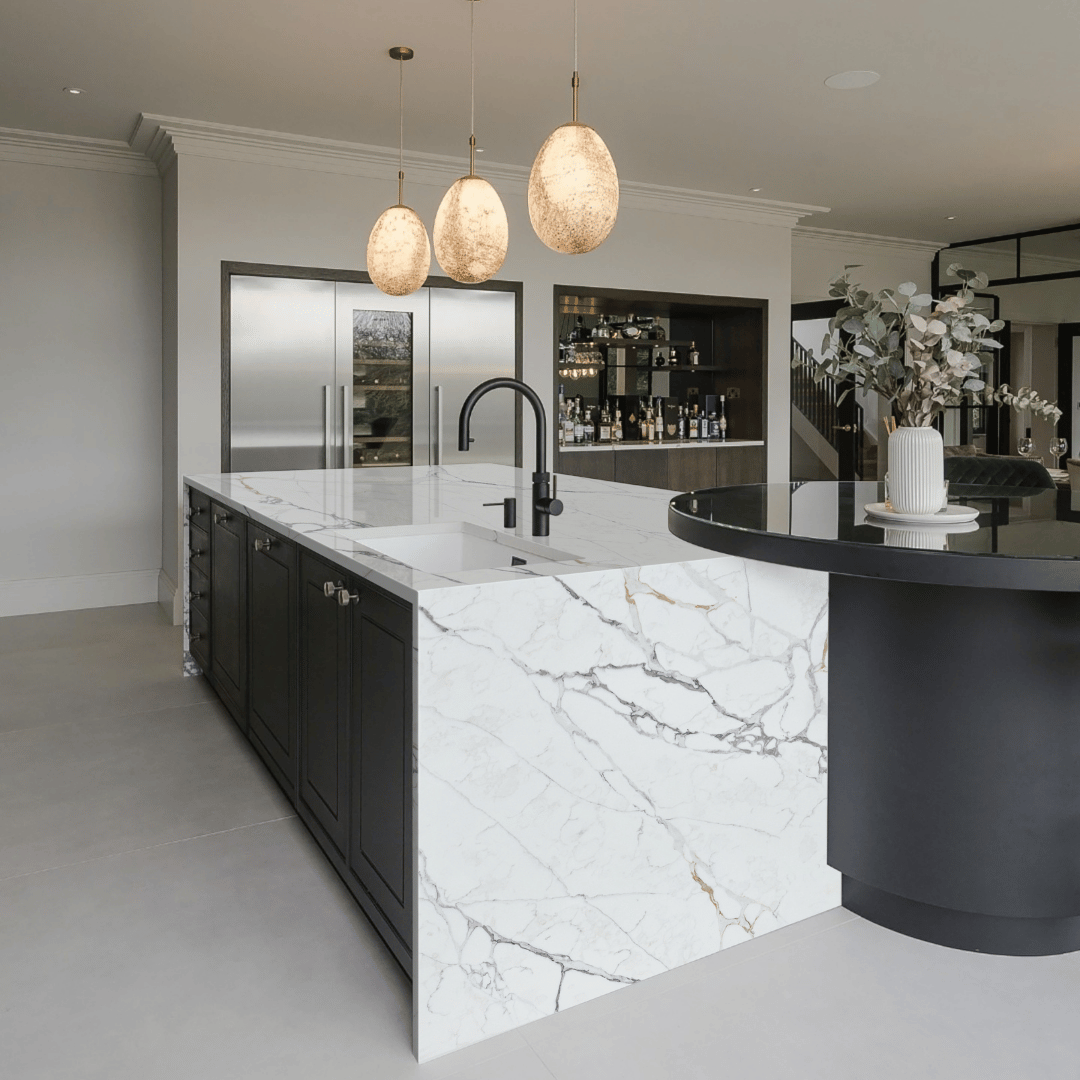
- Balance with Other Elements: Ensure that your chosen slab color complements other materials and finishes in the space. For instance, a warm-toned slab may work well with wooden cabinetry, while a cool-toned slab could harmonize with stainless steel appliances.
Comparison Table of Slab Colors Under Different Lighting Conditions
| Slab Color | Natural Light (Morning) | Natural Light (Afternoon) | Incandescent Light | Fluorescent Light |
|---|---|---|---|---|
| White Quartz | Bright White | Soft White | Warm White | Cool White |
| Beige Granite | Warm Beige | Golden Beige | Soft Beige | Grayish Beige |
| Dark Gray Quartzite | Rich Gray | Deep Charcoal | Warm Gray | Cool Gray |
| Blue Porcelain | Soft Blue | Bright Blue | Warm Blue | Cool Blue |
Frequently Asked Questions
What is the best way to test slab colors?
The best way to test slab colors is to observe them in different lighting conditions, including natural and artificial light, and to take notes on how they appear.
How does lighting affect color perception?
Lighting affects color perception by altering the way colors are seen based on the light source’s color temperature, intensity, and angle.
Can I see the slabs under different lighting in a showroom?
Many showrooms, including Builder Stone Global, provide lighting options to see how slabs appear under various conditions.
What types of lighting should I consider for my home?
Consider using daylight LEDs and full-spectrum bulbs to accurately assess slab colors in your home.
How can I avoid selection regret when choosing slabs?
By testing slab colors in different lighting conditions and considering how they will look in your space, you can avoid selection regret.
Are darker colors better for small spaces?
Darker colors can add depth to larger areas, while lighter colors may be more suitable for small, dark spaces.
What maintenance is required for different slab colors?
Maintenance varies by color; lighter colors may show stains more easily, while darker colors may require less frequent cleaning.
How do I choose a slab that complements my decor?
Choose a slab color that harmonizes with other materials and finishes in your space, considering both color and texture.