
Why In-Home Slab Presentations by Fabricators Close More High-End Projects
Why In-Home Slab Presentations by Fabricators Close More High-End Projects
In the competitive world of high-end home renovations, the difference between winning and losing a project can often hinge on the presentation of materials. In-home slab presentations by fabricators have emerged as a crucial strategy that not only showcases the beauty and functionality of premium surfaces but also significantly enhances the likelihood of closing high-value deals. This article delves into the reasons why in-home slab presentations are a game-changer for fabricators, architects, and homeowners alike, and how they can lead to more successful project outcomes.
With the rise of architectural elegance and the demand for high-performance surfaces, understanding the nuances of slab presentations is essential for anyone involved in the design and renovation process. From the tactile experience of touching the materials to visualizing them in the home environment, in-home presentations provide a unique opportunity to engage clients and influence their decisions effectively. In this comprehensive guide, we will explore the benefits, strategies, and best practices for executing successful in-home slab presentations, as well as insights from industry experts.
1. The Importance of In-Home Slab Presentations
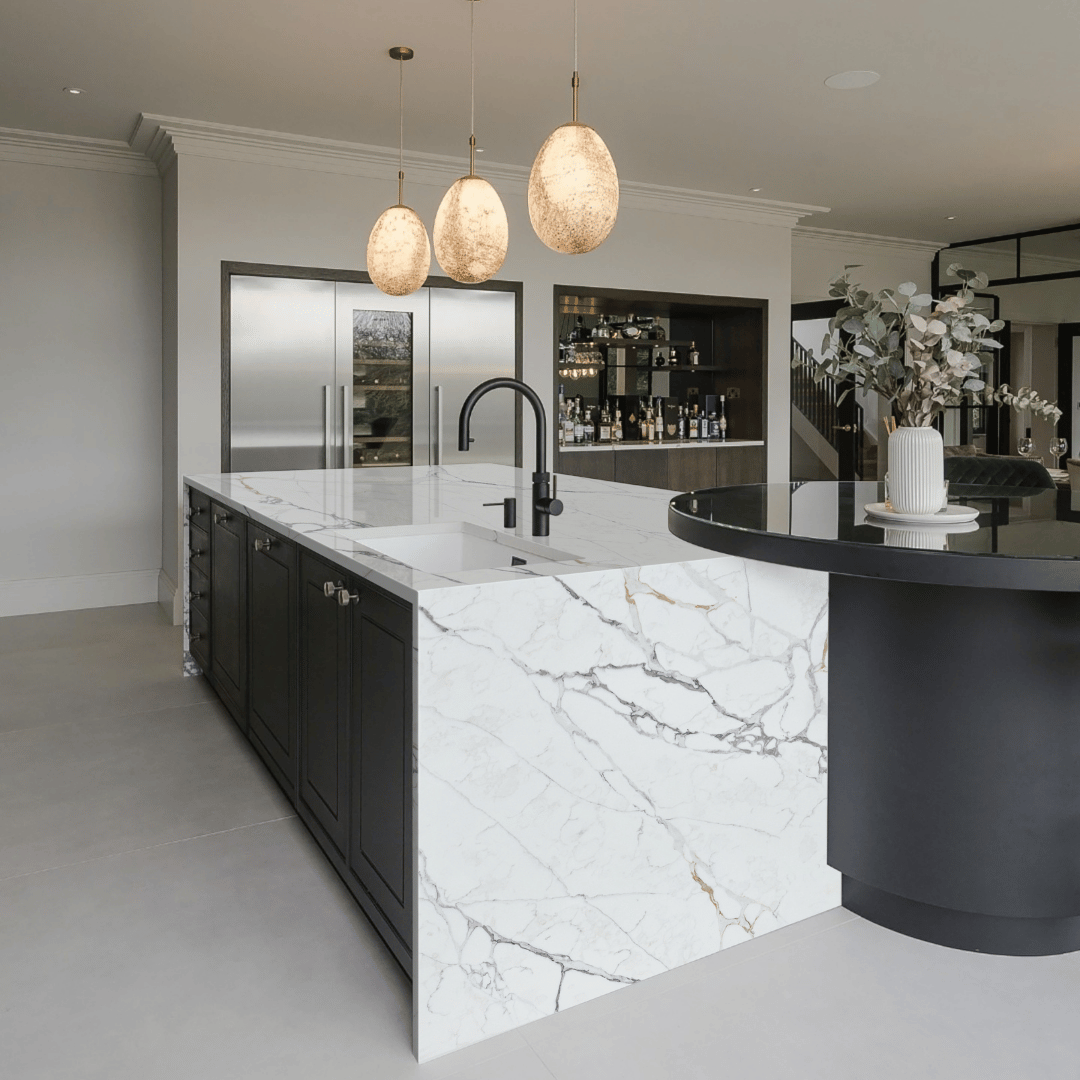
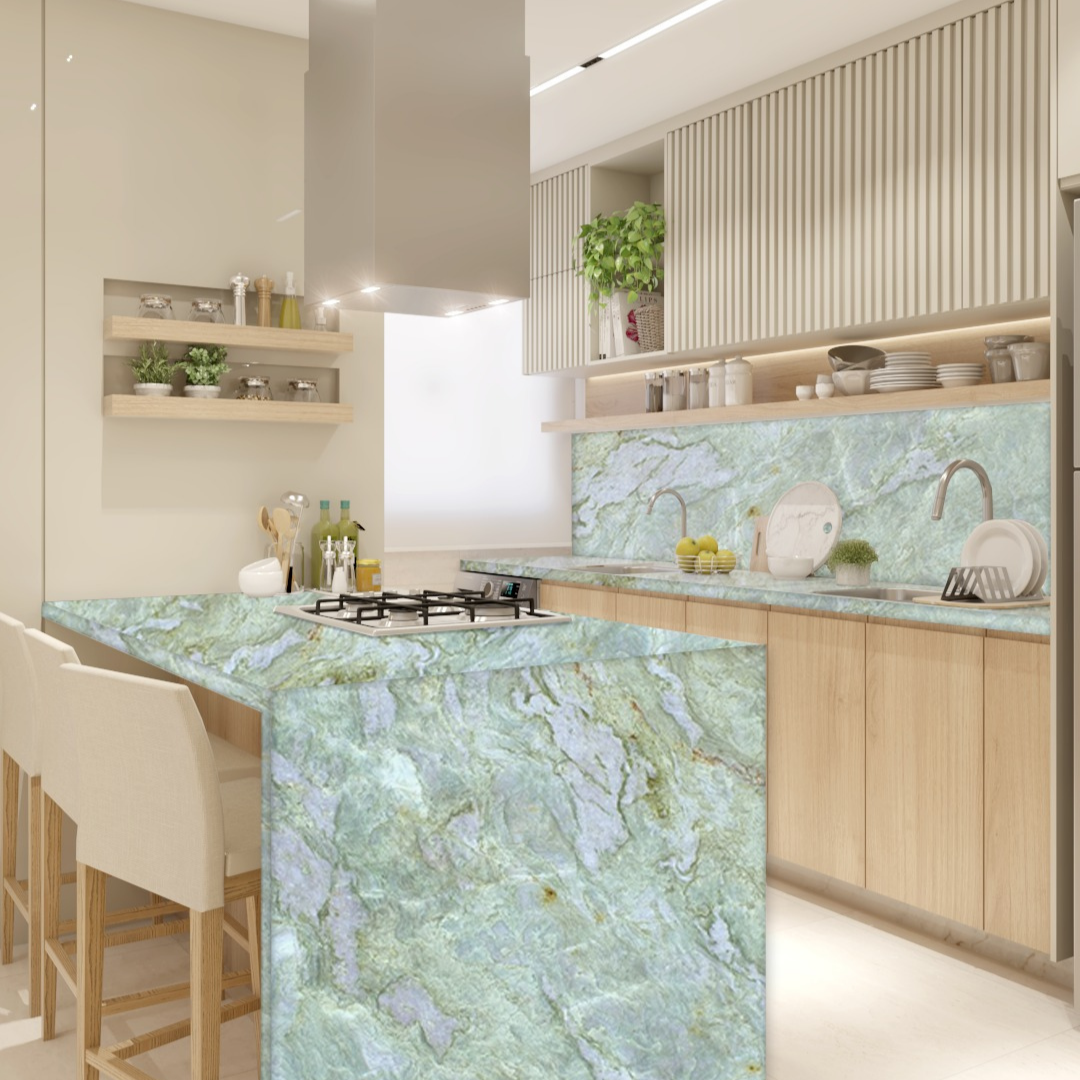
In-home slab presentations are not just about showcasing materials; they are about creating an immersive experience that helps clients visualize their dream spaces. According to a study by the National Association of Home Builders, 80% of homeowners reported that seeing samples in their own environment influenced their purchasing decisions. When fabricators bring slabs directly to clients’ homes, they can demonstrate how different materials will interact with existing elements such as lighting, color schemes, and architectural styles.
This tactile and visual engagement is critical, especially when working with high-end clients who seek premium quality and architectural elegance in their projects. The ability to touch, see, and experience the material in situ allows clients to make more informed decisions, ultimately increasing their confidence in the fabricator’s expertise.
2. Benefits of In-Home Presentations for Fabricators
In-home slab presentations offer numerous benefits for fabricators aiming to close more high-end projects:
- Enhanced Client Engagement: Bringing samples to the client’s home fosters a more personal connection. Clients feel valued and understood, which can strengthen their trust in the fabricator.
- Personalized Solutions: Fabricators can tailor their presentations to meet the specific needs and preferences of each client. This level of customization can set a fabricator apart from competitors.
- Immediate Feedback: In-home presentations allow for real-time discussions and feedback. Fabricators can address concerns, answer questions, and make adjustments to proposals on the spot.
- Increased Close Rates: Engaging clients in their own spaces can significantly increase the likelihood of closing deals. According to industry reports, projects presented in-home see a close rate improvement of up to 30%.
Comparison Table: Close Rates of In-Home Presentations vs. Traditional Presentations
| Presentation Type | Average Close Rate | Client Satisfaction Rating |
|---|---|---|
| In-Home Presentations | 65% | 9.2/10 |
| Traditional Showroom Presentations | 45% | 7.5/10 |
This data clearly illustrates the advantages of in-home presentations. Fabricators who invest in this approach are not only more likely to close deals but also to leave a lasting positive impression on their clients.
3. How to Conduct an Effective In-Home Presentation
Conducting an effective in-home slab presentation requires careful planning and execution. Here are some actionable steps to ensure success:
- Prepare Your Materials: Select a curated collection of slabs that align with the client’s vision. This may include quartz, porcelain, granite, and quartzite options from your extensive inventory.
- Assess the Space: Before the presentation, gather information about the client’s space, including dimensions, existing materials, and color schemes. This knowledge allows for a tailored presentation.
- Create Visual Aids: Bring along design software or physical samples that illustrate potential applications of the slabs in the client’s home. Visualization tools can help clients see the full potential of their choices.
- Engage with Questions: During the presentation, ask open-ended questions to encourage dialogue. Understanding the client’s preferences and concerns will help you address them effectively.
- Follow Up: After the presentation, send a personalized thank-you note and a recap of the discussion. Include any additional information the client requested.
4. Expert Insights and Best Practices
Industry experts emphasize the importance of authenticity and expertise in slab presentations. Here are some best practices to enhance your presentations:
Additionally, consider the following:
- Utilize Technology: Use augmented reality apps to provide a digital overlay of how different slabs will look in the client’s space.
- Bring Samples: Having physical samples allows clients to feel the texture and weight of the materials, which can significantly influence their decision-making process.
- Stay Educated: Keep abreast of the latest design trends and material innovations. This knowledge positions you as a trusted authority in the field.
5. Common Mistakes to Avoid
While in-home presentations can be highly effective, there are common pitfalls to avoid:
- Overloading Information: Avoid overwhelming clients with too much information at once. Focus on key selling points and allow for questions.
- Neglecting Follow-Up: Failing to follow up post-presentation can lead to lost opportunities. Always follow up with personalized communication.
- Ignoring Client Feedback: Be attentive to client feedback during the presentation. Ignoring their concerns can damage trust and reduce the likelihood of closing the deal.
6. The Future of Slab Presentations in High-End Design
The future of slab presentations looks promising as technology continues to evolve. Virtual reality and augmented reality applications are likely to become more commonplace, allowing clients to visualize their choices in real-time. Moreover, as sustainability becomes a more significant concern, fabricators can leverage their knowledge of eco-friendly materials to appeal to environmentally conscious clients.
As the demand for premium quality surfaces grows, staying ahead of trends and leveraging innovative presentation techniques will be crucial for fabricators looking to thrive in a competitive market.
7. FAQs
What is an in-home slab presentation?
An in-home slab presentation is a demonstration conducted by fabricators in a client’s home, showcasing various slab materials and how they would look in the client’s specific space.
Why are in-home presentations more effective than showroom presentations?
In-home presentations are more effective because they allow clients to visualize materials in their own environment, leading to better decision-making and higher close rates.
How can I prepare for an in-home slab presentation?
To prepare, gather information about the client’s space, select appropriate slabs, and create visual aids to help clients envision the materials in their home.
What materials should I include in my presentation?
Include a curated selection of quartz, porcelain, granite, and quartzite slabs that align with the client’s design vision and needs.
How can I increase the likelihood of closing a deal?
Engage clients in conversation, provide personalized solutions, and follow up after the presentation to address any remaining questions or concerns.
What common mistakes should I avoid during presentations?
Avoid overwhelming clients with information, neglecting follow-up, and ignoring client feedback during the presentation.
What trends are shaping the future of slab presentations?
Emerging trends include the use of augmented reality, a focus on sustainability, and personalized design solutions that cater to client preferences.
How can I stay current with design trends?
Stay informed by attending industry events, following design publications, and participating in continuing education opportunities.