Ultimate Guide: Granite vs. Quartzite Comparisons for Natural Stone Selection
Ultimate Guide: Granite vs. Quartzite Comparisons for Natural Stone Selection
Choosing the right natural stone for your home or project can be a daunting task. With many options available, including granite and quartzite, understanding the differences between these two premium materials is essential for making an informed decision. In this comprehensive guide, we will explore the key characteristics of granite and quartzite, compare their benefits and drawbacks, and provide expert insights to help you select the perfect stone for your countertops, flooring, or architectural surfaces. Whether you are a homeowner, architect, or builder, this article will equip you with the knowledge needed to navigate your options effectively.
1. Overview of Granite
Granite is an igneous rock that forms from the slow crystallization of magma beneath the Earth’s surface. Known for its durability and aesthetic appeal, granite is a favored choice for both residential and commercial applications. Its natural beauty, available in a wide range of colors and patterns, makes it a popular option for countertops, flooring, and architectural elements.
Key Characteristics of Granite:
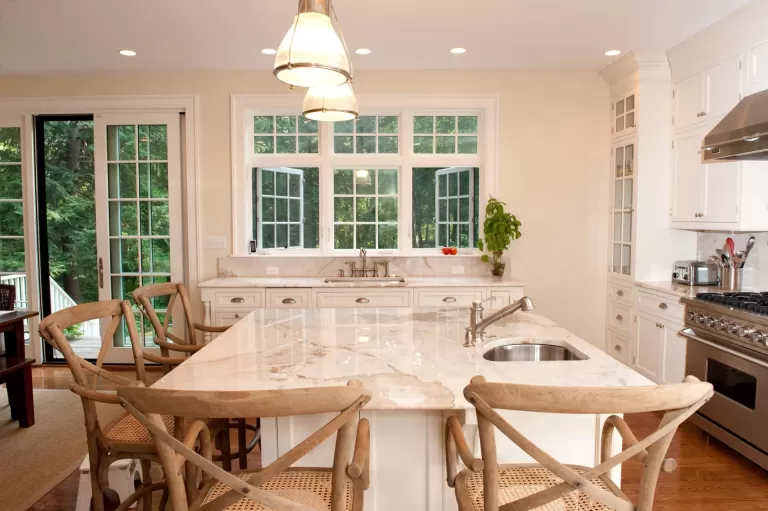
- Durability: Granite is highly resistant to scratches, heat, and stains, making it ideal for kitchen countertops.
- Variety: Available in numerous colors and patterns, each slab is unique, providing a personalized touch to any space.
- Value: Granite typically retains its value well, making it a smart investment for homeowners.
2. Overview of Quartzite
Quartzite is a metamorphic rock formed from sandstone subjected to high heat and pressure. This process leads to a dense and durable stone that is often mistaken for marble due to its elegant appearance. Quartzite is gaining popularity for its durability and unique aesthetics, making it an excellent choice for various surfaces.
Key Characteristics of Quartzite:
- Strength: Quartzite is incredibly hard and resistant to wear, making it suitable for high-traffic areas.
- Natural Beauty: Its natural veining and unique patterns offer a sophisticated look that appeals to many homeowners and designers.
- Low Maintenance: Quartzite surfaces are easy to clean and require minimal upkeep compared to other natural stones.
3. Granite vs. Quartzite: A Detailed Comparison
When comparing granite and quartzite, it’s important to consider multiple factors to determine which material best suits your needs. Below is a detailed comparison based on various criteria:
| Feature | Granite | Quartzite |
|---|---|---|
| Durability | Resistant to scratches and heat but can be stained without proper sealing. | Highly resistant to scratches, heat, and UV radiation. |
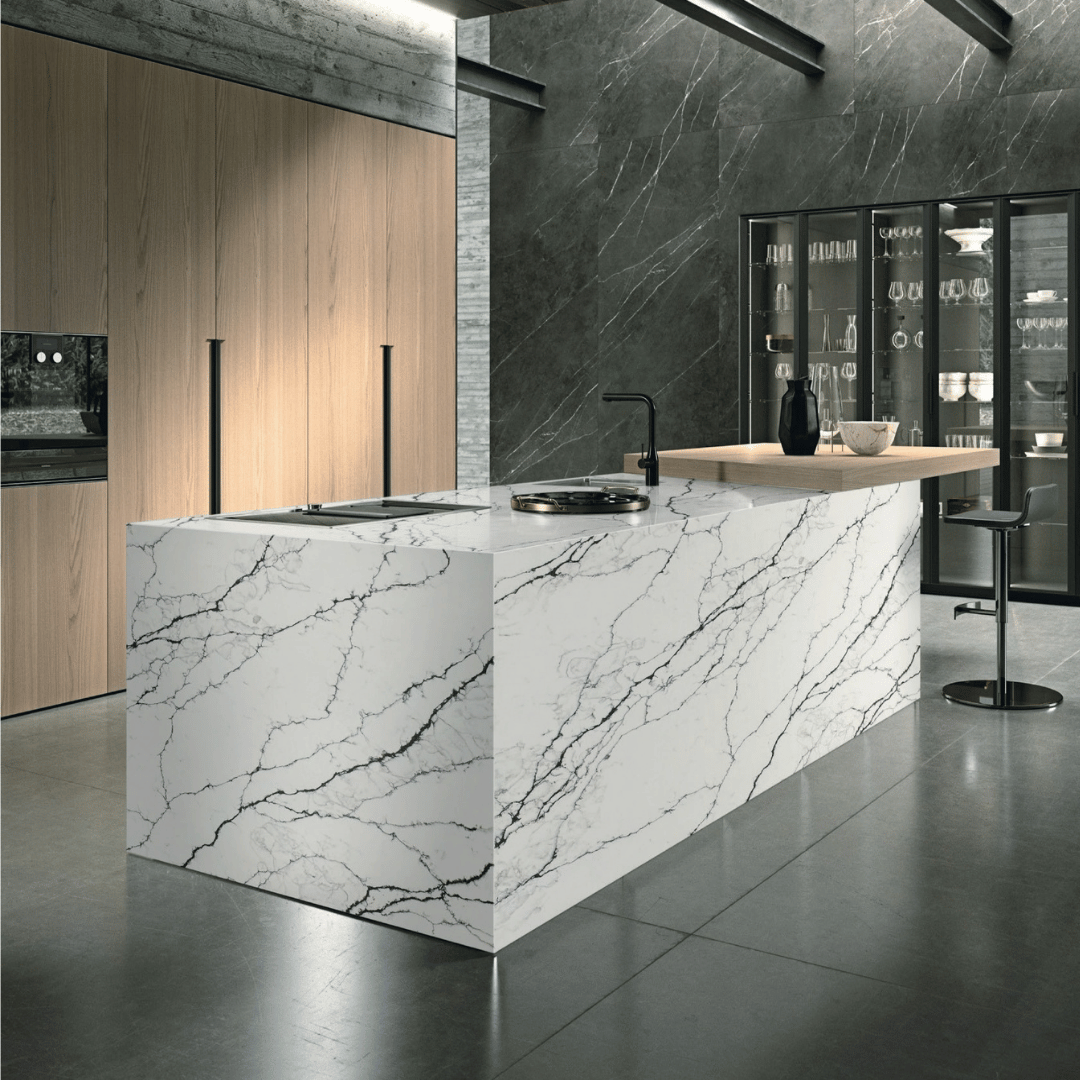
| Appearance | Available in a wide range of colors and patterns; often has flecks or speckles. | Features unique veining similar to marble, offering a more elegant aesthetic. |
| Maintenance | Requires regular sealing to maintain stain resistance. | Generally low maintenance; does not require sealing. |
| Cost | Typically less expensive than quartzite. | Usually higher cost due to its rarity and extraction process. |
| Applications | Ideal for countertops, flooring, and exterior surfaces. | Great for countertops, backsplashes, and high-end applications. |
As you can see from the table, both granite and quartzite offer unique benefits, but their differences can significantly influence your decision. For example, if you prioritize a luxurious appearance, quartzite may be the better choice, while granite might be more appealing if you’re looking for a cost-effective option.
4. Benefits of Granite
Granite has long been celebrated for its numerous advantages:
- Timeless Appeal: With its classic look, granite remains a popular choice for traditional and modern designs alike.
- Heat Resistance: Granite can withstand high temperatures, making it perfect for kitchens.
- Investment Value: Granite countertops can increase the resale value of your home.
5. Benefits of Quartzite
Quartzite is becoming increasingly popular for several reasons:
- Exceptional Durability: Its hardness makes it resistant to chips and scratches, ideal for busy households.
- Unique Aesthetics: The natural veining and patterns in quartzite create a distinctive look that stands out.
- Eco-Friendly Option: As a natural stone, quartzite is a sustainable choice for environmentally conscious homeowners.
6. Maintenance and Care
Maintaining granite and quartzite surfaces requires different approaches:
Granite Maintenance
To keep granite looking its best, consider the following:
- Seal the surface every 1-3 years to prevent stains.
- Use pH-balanced cleaners to avoid damaging the finish.
- Wipe up spills immediately to prevent staining.
Quartzite Maintenance
Quartzite is more forgiving when it comes to maintenance:
- Regular cleaning with mild soap and water is usually sufficient.
- Sealing is not typically necessary, but it can enhance appearance.
- Use cutting boards to prevent scratches, although quartzite is resistant.
7. Cost Considerations
Understanding the cost implications of granite and quartzite is crucial for budgeting your project:
- Granite: Prices typically range from $40 to $100 per square foot, including installation.
- Quartzite: Prices can range from $60 to $150 per square foot, with high-end varieties costing more.
While granite may seem more budget-friendly, consider the long-term value and durability of quartzite when making your decision.
8. Expert Tips for Selection
When selecting between granite and quartzite, keep these expert tips in mind:
- Assess Your Lifestyle: Consider how much use your surfaces will get. If you have a busy kitchen, quartzite may be the better option.
- Visit a Showroom: Experience the stones in person at a premium slab showroom like Builder Stone Global to see the color and texture firsthand.
- Consult Professionals: Speak with designers or fabricators to understand the pros and cons of each material for your specific needs.
9. Frequently Asked Questions
What is more durable, granite or quartzite?
Quartzite is generally considered more durable than granite due to its hardness and resistance to wear and tear.
Can quartzite be used for outdoor surfaces?
Yes, quartzite is suitable for outdoor surfaces due to its UV resistance and durability.
Is granite a good choice for kitchen countertops?
Absolutely! Granite is heat-resistant and durable, making it an excellent option for kitchen countertops.
How do I choose between granite and quartzite?
Consider factors such as aesthetics, maintenance, and your budget when deciding between granite and quartzite.
Are there any eco-friendly options for granite or quartzite?
Both granite and quartzite are natural stones, making them eco-friendly choices compared to synthetic materials.
What colors are available for granite and quartzite?
Both stones offer a wide variety of colors. Granite typically has flecks, while quartzite features unique veining.
How do I maintain my granite countertop?
Seal your granite countertop every 1-3 years and clean with pH-balanced cleaners to maintain its appearance.
Can I find granite and quartzite in a showroom?
Yes, you can visit a showroom like Builder Stone Global to see various options in person.