
Understanding Slab Thickness: 2cm vs 3cm and Its Impact on Cost, Weight, and Application
Understanding Slab Thickness: 2cm vs 3cm and Its Impact on Cost, Weight, and Application
When it comes to selecting the right architectural surface materials, the thickness of the slabs plays a critical role in determining not only the aesthetic appeal but also the functionality, cost, and weight of the materials. This article delves into the comparisons between 2cm and 3cm slabs, elucidating how these differences impact cost, weight, and application. By the end of this comprehensive guide, you will have a deeper understanding of how to choose the right thickness for your projects, whether you are an architect, designer, builder, or homeowner.
Understanding Slab Thickness
Slab thickness is one of the most crucial factors to consider when selecting materials for countertops, flooring, or wall applications. Slabs typically come in various thicknesses, with 2cm and 3cm being the most popular choices for quartz, porcelain, and natural stone surfaces. The thickness not only affects the physical properties of the slab but also influences the overall design and installation process.
While both 2cm and 3cm slabs offer unique advantages, the choice between them often comes down to specific project requirements, budget constraints, and aesthetic preferences. For example, thicker slabs are generally more durable and offer greater resistance to cracking, while thinner options may be more cost-effective and easier to handle. At Builder Stone Global, we provide extensive options for both thicknesses, ensuring you find the perfect fit for your needs.
Cost Comparison: 2cm vs 3cm Slabs
Cost is a significant factor when choosing between 2cm and 3cm slabs. Generally, the price per square foot for 3cm slabs tends to be higher than that for 2cm slabs. This price difference is due to several factors:
- Material Usage: Thicker slabs require more raw materials, naturally leading to a higher cost. For instance, a 3cm slab will use approximately 50% more material than a 2cm slab for the same surface area.
- Transportation: The weight of the slabs impacts shipping costs. Thicker slabs weigh more, leading to increased transportation expenses, especially for long-distance shipping.
- Installation Costs: 3cm slabs often require less structural support than 2cm slabs, which may necessitate additional support structures or fabrication work for thinner materials.
To illustrate this further, consider the following comparison table:
| Slab Thickness | Approximate Cost per Sq Ft | Weight per Sq Ft | Installation Cost Consideration |
|---|---|---|---|
| 2cm | $50 – $70 | 5 – 6 lbs | Higher structural support needed |
| 3cm | $70 – $100 | 8 – 9 lbs | Less structural support needed |
As shown in the table, the cost of 3cm slabs can be considerably higher, but the benefits they offer may justify the investment. When considering your budget, it’s crucial to weigh these costs against the long-term durability and performance of the material.
Weight Differences Between 2cm and 3cm Slabs
Weight is another critical factor that differentiates 2cm and 3cm slabs. The thickness directly correlates with the weight of the slabs, which can influence installation methods and structural requirements. Here’s a closer look at how weight impacts your project:
- Installation: Thicker slabs can often be installed with fewer seams, providing a more seamless aesthetic. However, they also require careful handling due to their increased weight. This may necessitate additional manpower or specialized equipment during installation.
- Support Structures: For 2cm slabs, it’s essential to ensure that the underlying cabinetry or support structures are robust enough to handle the weight and prevent sagging or cracking. In contrast, 3cm slabs can sometimes be installed directly on standard cabinetry without additional reinforcement.
- Transportation and Handling: The weight of the slabs affects transportation costs and handling requirements. Thicker slabs may require specialized vehicles or equipment for safe transport, while thinner slabs are generally easier to manage.
Understanding these weight differences can help you make informed decisions about your project’s structural needs and installation methods.
Application Uses for Each Thickness
Choosing the right thickness for your project often depends on the intended application. Here are some common uses for both 2cm and 3cm slabs:
2cm Slabs
2cm slabs are commonly used in applications where weight and thickness are critical factors. Some typical uses include:
- Wall Surfaces: Their lower weight makes 2cm slabs ideal for wall applications, particularly in residential and commercial spaces where less structural support is available.
- Backsplashes: The thinner profile allows for sleek, modern backsplashes without overwhelming the space.
- Lightweight Countertops: In kitchens or bathrooms where weight distribution is a concern, 2cm slabs can be an excellent choice.
3cm Slabs
3cm slabs are typically used in applications requiring durability and strength. Common uses include:
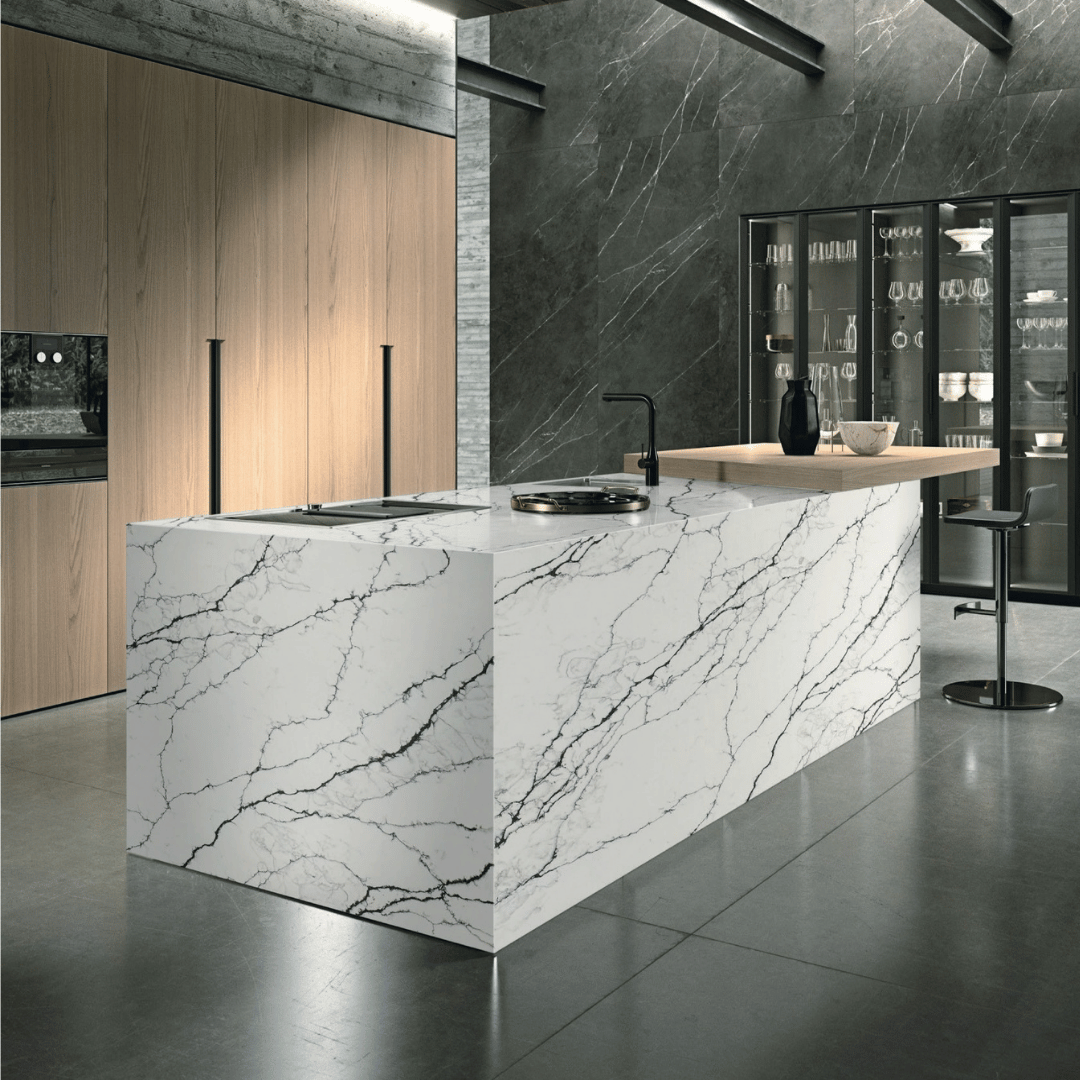
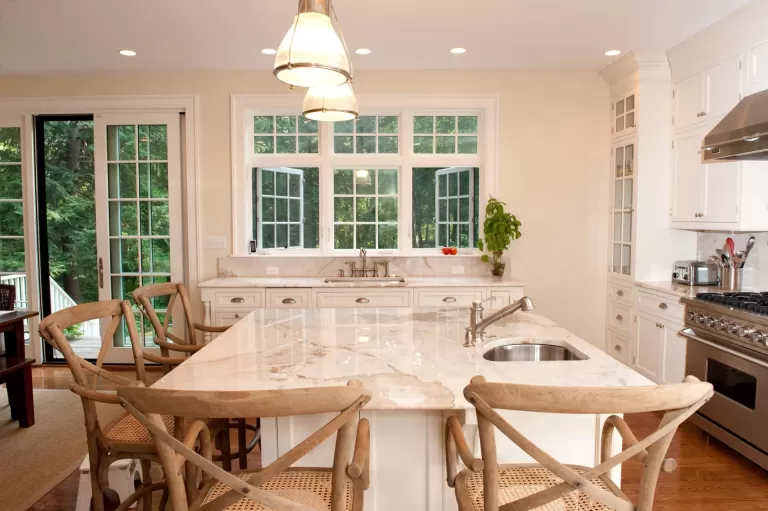
- Kitchen Countertops: The thicker profile provides additional durability for high-traffic kitchen environments.
- Bar Tops: 3cm slabs are ideal for bar tops, where they can withstand heavy use and impacts.
- Outdoor Applications: For outdoor kitchens or patios, the thickness offers better resistance to weather elements.
Ultimately, the choice between 2cm and 3cm slabs should reflect the specific needs of your project. At Builder Stone Global, we offer a variety of options to suit any application.
Expert Tips for Choosing the Right Slab Thickness
Choosing the right slab thickness can be a daunting task. Here are some expert tips to help you make an informed decision:
- Consider the Application: Think about where and how the slab will be used. For high-traffic areas, thicker slabs may be more suitable.
- Evaluate Your Budget: Determine how much you are willing to invest. While 3cm slabs may cost more upfront, they can provide long-term savings through durability.
- Assess Structural Support: Ensure that your cabinetry or support structures are adequate for the chosen thickness.
- Explore Design Options: Consider how the thickness will affect the overall design aesthetic. Thicker slabs can make a bold statement, while thinner options offer a more streamlined look.
By following these tips, you can ensure that your slab selection aligns with both your functional needs and design vision.
Frequently Asked Questions
What are the main differences between 2cm and 3cm slabs?
The primary differences include cost, weight, and application suitability. 3cm slabs are typically more expensive and heavier but offer increased durability.
Are 2cm slabs suitable for kitchen countertops?
Yes, 2cm slabs can be used for kitchen countertops, but they may require additional support to prevent sagging.
How does slab thickness affect installation costs?
Thicker slabs may have lower installation costs due to reduced structural support needs, while thinner slabs typically require more robust support.
Can I use 3cm slabs for wall applications?
Yes, 3cm slabs can be used for wall applications, but they are heavier and may require more structural support.
What is the best thickness for outdoor applications?
3cm slabs are generally recommended for outdoor applications due to their added durability and resistance to weather elements.
How does the thickness impact the design aesthetics?
Thicker slabs often create a more substantial, luxurious appearance, while thinner slabs can provide a sleek, modern look.
Do 2cm slabs come in a variety of colors and patterns?
Yes, 2cm slabs are available in various colors and patterns, similar to 3cm slabs.
How can I determine the right thickness for my project?
Consider the application, budget, and structural support when determining the right thickness for your project.