The Complete Guide to Natural Stone vs. Engineered Stone Maintenance Requirements
The Complete Guide to Natural Stone vs. Engineered Stone Maintenance Requirements
Choosing the right surface material for your home or commercial space is an important decision. Whether you’re a homeowner planning a renovation or a designer selecting materials for a project, understanding the maintenance requirements of natural stone and engineered stone is crucial. In this comprehensive guide, we will explore the differences between these two popular materials, their maintenance needs, and provide actionable tips to ensure your surfaces remain beautiful and durable for years to come. By the end of this article, you will be well-equipped to make an informed decision that aligns with your aesthetic and functional requirements.
1. Understanding Natural Stone
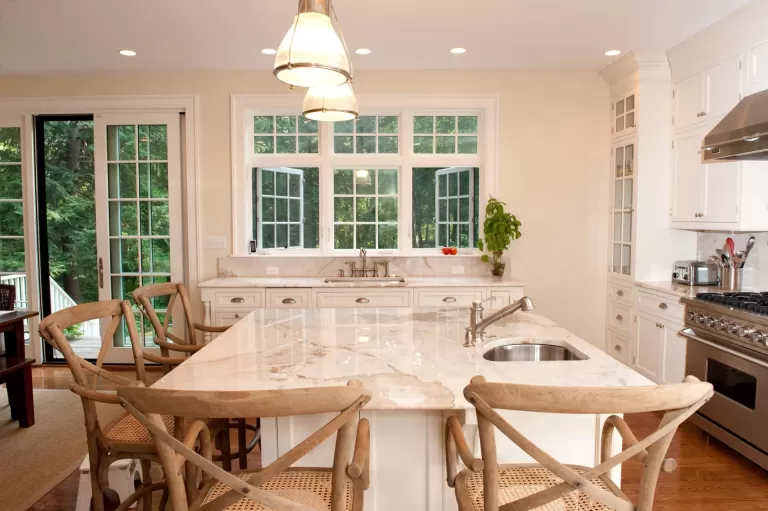
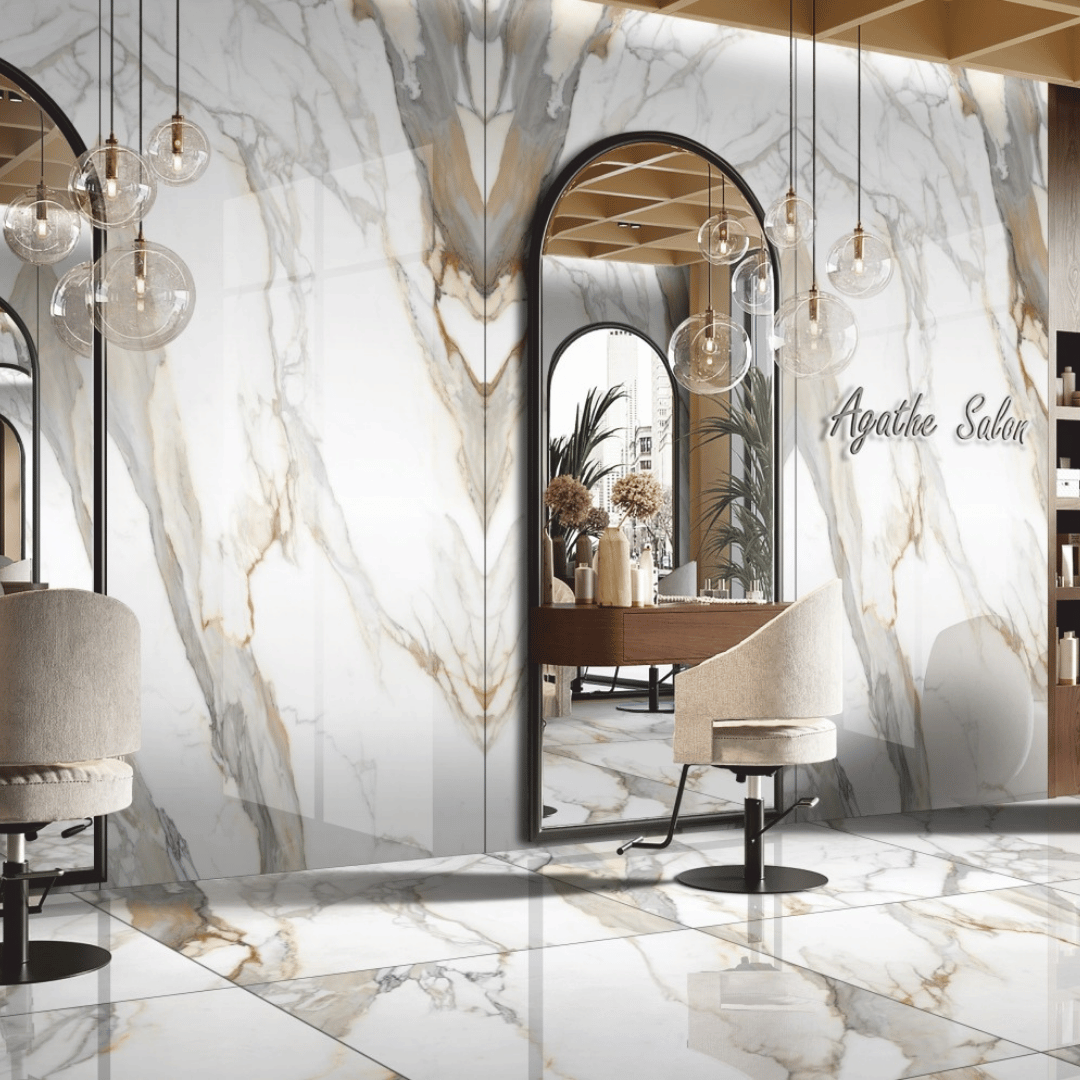
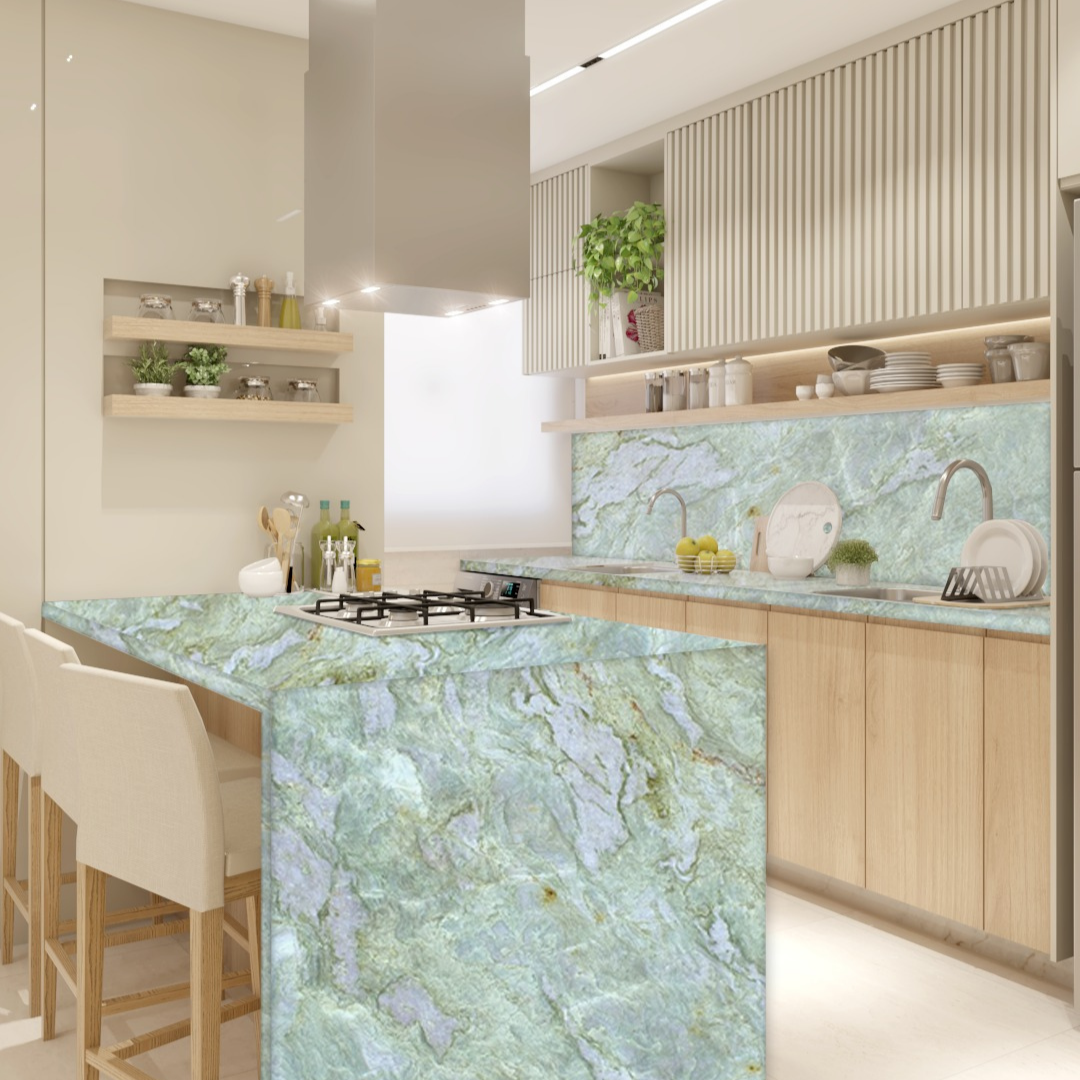
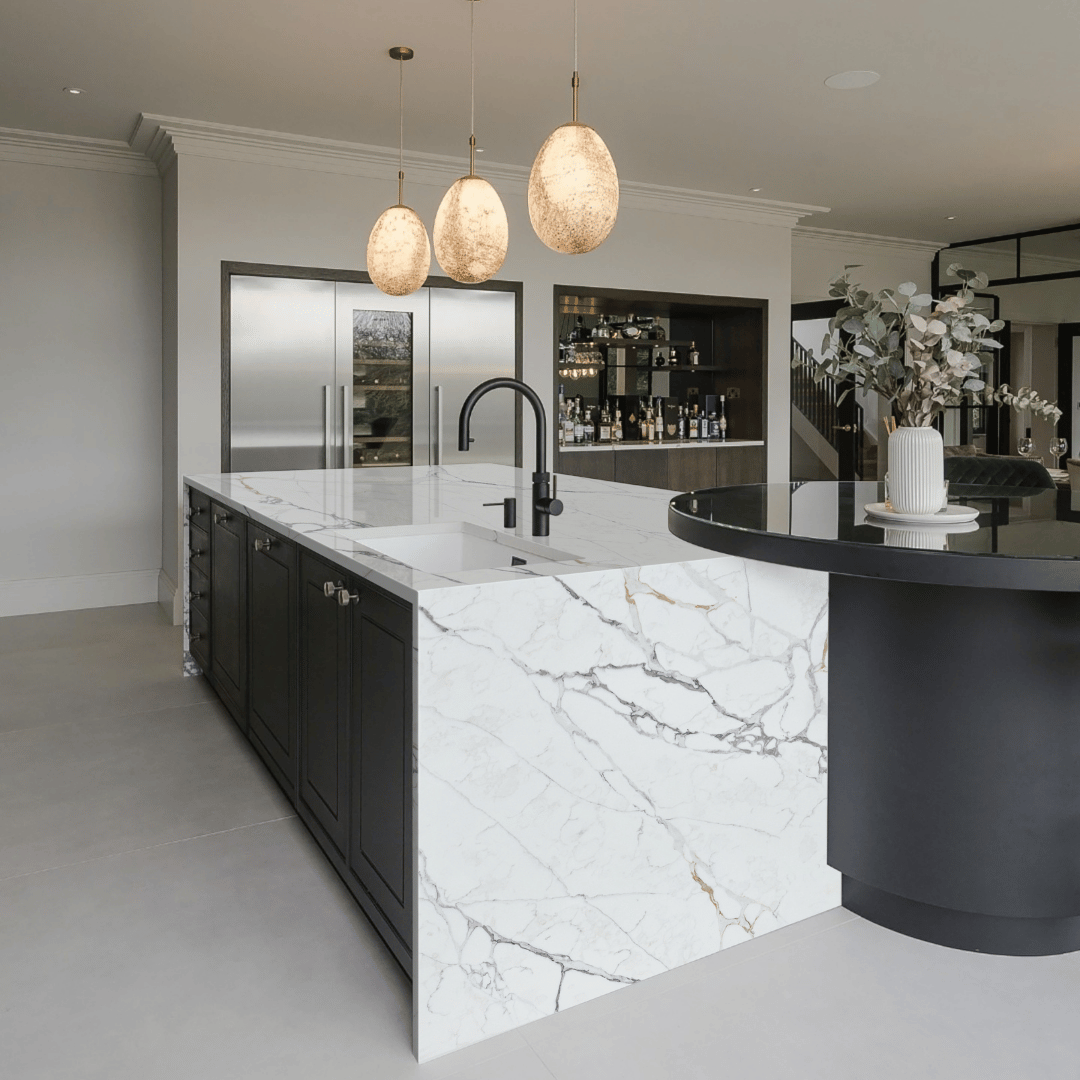
Natural stone, such as granite, marble, and quartzite, is quarried from the earth, making each slab unique in terms of color, pattern, and texture. This material is favored for its durability and timeless aesthetic appeal. Natural stone surfaces are commonly used in kitchens, bathrooms, and outdoor spaces, providing a luxurious feel that enhances both residential and commercial environments.
However, natural stone is porous, which means it can absorb liquids and stains if not properly sealed. Regular maintenance is essential to preserve its beauty and functionality. For instance, granite is one of the hardest natural stones but still requires sealing to prevent moisture from penetrating its surface.
2. Understanding Engineered Stone
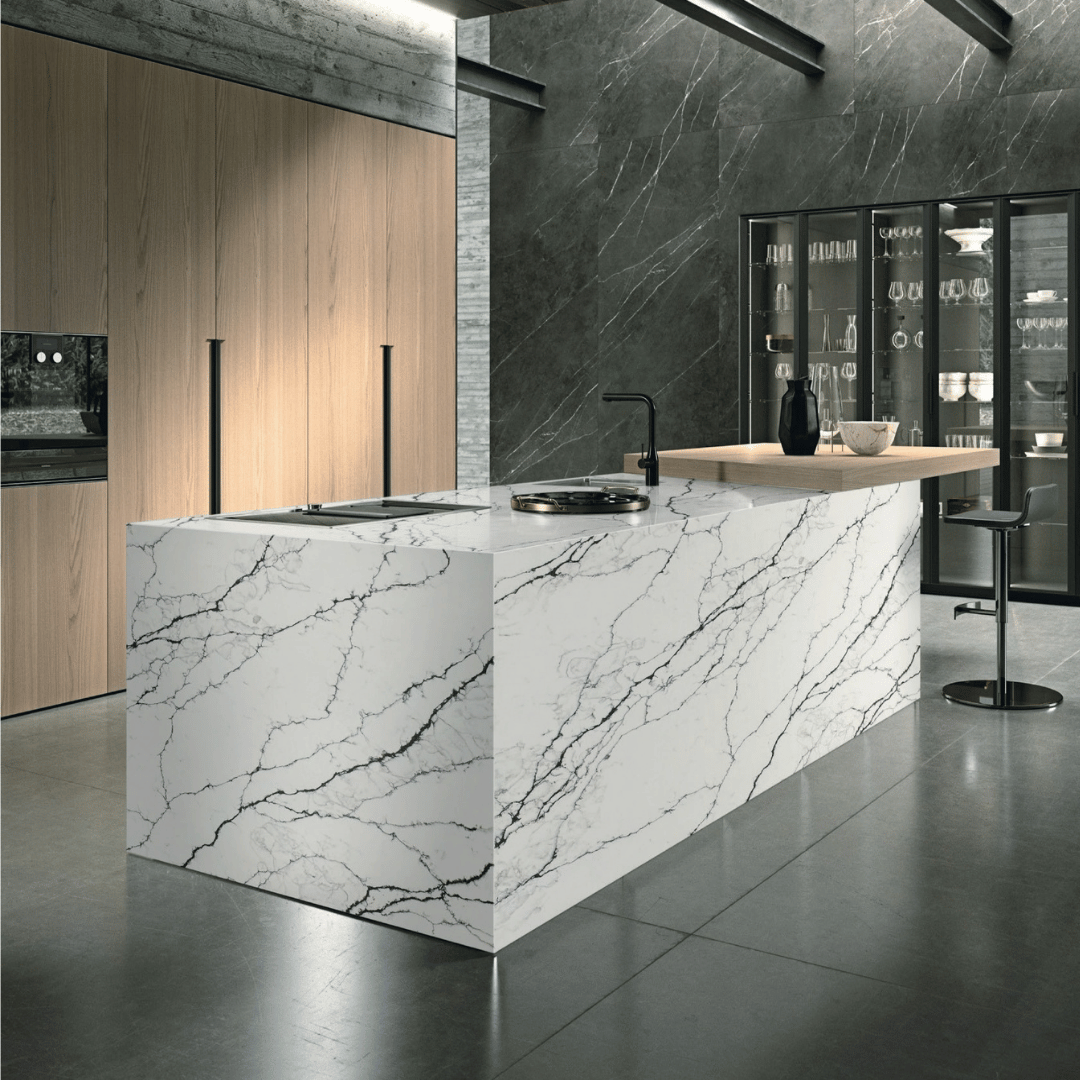
Engineered stone, often referred to as quartz surfaces, is an artificial material made from crushed stone and resin. This combination creates a non-porous surface that is highly resistant to stains, scratches, and heat. Engineered stone is available in a wide variety of colors and patterns, making it a versatile choice for many design styles.
While engineered stone offers impressive durability and low maintenance compared to natural stone, it is not completely impervious to damage. Understanding how to care for these surfaces is key to ensuring they remain in pristine condition.
3. Maintenance Requirements for Natural Stone
Maintaining natural stone involves several key steps to ensure its longevity and beauty:
- Sealing: Natural stone surfaces should be sealed upon installation and resealed regularly, typically every 1-3 years, depending on usage and the type of stone. Sealing prevents stains and moisture absorption.
- Cleaning: Use a pH-balanced stone cleaner to avoid damaging the surface. Avoid acidic or abrasive cleaners that can etch the stone.
- Stain Removal: For stains, use a poultice made from baking soda and water, applying it to the stain and covering it with plastic wrap for 24 hours. Rinse and clean afterward.
- Regular Inspections: Check for chips, cracks, or discoloration, and address any issues promptly to prevent further damage.
4. Maintenance Requirements for Engineered Stone
Engineered stone is generally easier to maintain than natural stone, but it still requires care:
- Cleaning: Wipe down surfaces with warm, soapy water or a mild detergent. Avoid harsh chemicals that can damage the resin.
- Heat Resistance: While engineered stone is heat resistant, always use trivets or hot pads under hot cookware to avoid thermal shock.
- Stain Resistance: Engineered stone is less susceptible to stains, but spills should be cleaned up promptly to maintain its appearance.
- Scratch Prevention: Use cutting boards and avoid dragging heavy objects across the surface to prevent scratches.
5. Comparison of Maintenance: Natural vs. Engineered Stone
| Maintenance Aspect | Natural Stone | Engineered Stone |
|---|---|---|
| Sealing | Required every 1-3 years | Not required |
| Cleaning | Use pH-balanced cleaners | Warm soapy water or mild detergent |
| Stain Resistance | Porous, may stain | Non-porous, highly resistant |
| Heat Resistance | Good, but use caution | Very good, but use trivets |
| Scratch Resistance | Moderate | High |
This comparison highlights that while natural stone offers unique beauty and character, it requires more maintenance than engineered stone, which is designed for ease of care.
6. Expert Tips for Maintaining Your Stone Surfaces
Here are additional expert tips to maintain your stone surfaces:
- Use Coasters: For natural stone, always use coasters under drinks to prevent rings and stains.
- Avoid Harsh Chemicals: Stick to recommended cleaning solutions to avoid damaging the surface.
- Educate Users: If you have children or guests, inform them about the care needed for your stone surfaces to prevent accidents.
- Consider Professional Help: For extensive maintenance or repairs, consult a professional stone restoration service.
7. Frequently Asked Questions
What is the best way to clean natural stone?
Use a pH-balanced stone cleaner or warm, soapy water. Avoid acidic or abrasive cleaners.
How often should I seal my natural stone surfaces?
Typically every 1-3 years, depending on usage and type of stone.
Can engineered stone be used outdoors?
Yes, but check with the manufacturer for specific recommendations regarding UV resistance.
Is natural stone more expensive than engineered stone?
Natural stone can be more expensive due to quarrying and installation costs, but prices vary widely.
What causes staining in natural stone?
Staining can occur from spills, oils, or acidic substances that penetrate the stone if not sealed properly.
How can I remove stains from natural stone?
Use a poultice made from baking soda and water, apply it to the stain, cover with plastic wrap, and leave for 24 hours.
Are there any eco-friendly cleaning products for stone surfaces?
Yes, look for biodegradable, non-toxic cleaners specifically formulated for stone surfaces.
What is the lifespan of natural stone surfaces?
With proper maintenance, natural stone surfaces can last for decades, often outliving their engineered counterparts.
Conclusion
In conclusion, both natural stone and engineered stone have their unique advantages and maintenance requirements. Natural stone offers unparalleled beauty and uniqueness, while engineered stone provides durability and low maintenance. By understanding the specific care needs of each type, you can ensure that your surfaces remain stunning and functional for years to come. For more information on premium stone selections, visit our website or call +1 470-551-2092 to speak with our surface specialists.