Ultimate Guide: Comparing Porcelain Slab Performance to Quartz for Kitchen Countertops
Ultimate Guide: Comparing Porcelain Slab Performance to Quartz for Kitchen Countertops
When it comes to selecting the best material for kitchen countertops, homeowners and designers often find themselves weighing the benefits of porcelain slabs against quartz. Both materials offer unique advantages and aesthetic appeal, but understanding their performance characteristics can significantly influence your decision. In this comprehensive guide, we will delve into how porcelain slab performance compares to quartz in kitchen countertop applications, helping you make an informed choice that aligns with your design vision and functional needs.
1. Overview of Porcelain and Quartz Countertops
Porcelain slabs are made from refined clay and other natural materials, fired at extremely high temperatures to produce a dense, durable surface. They are renowned for their strength, versatility, and ability to mimic natural stones. On the other hand, quartz countertops are engineered stones, consisting of about 90-95% crushed natural quartz crystals mixed with resins and pigments. This combination yields a non-porous surface that is both aesthetically pleasing and practical.
At Builder Stone Global, we specialize in both porcelain slabs and quartz surfaces, offering extensive in-stock inventory to meet diverse design needs.
2. Performance Comparison: Durability and Resistance
When assessing kitchen countertops, durability and resistance to everyday wear are paramount. Both porcelain and quartz slabs exhibit impressive performance, but there are distinct differences in their properties.
2.1 Durability
Porcelain is known for its exceptional durability. It is resistant to scratches, chips, and stains, making it an ideal choice for high-traffic kitchens. The manufacturing process creates a dense surface that can withstand heavy use without significant wear. In contrast, quartz is also durable but can be susceptible to scratching from sharp objects.
2.2 Heat Resistance
Porcelain slabs excel in heat resistance, withstanding temperatures up to 1,800°F (982°C). This makes them suitable for areas near stovetops and ovens. Quartz, while heat-resistant, typically has a lower threshold of around 300°F (149°C) due to the resin content that can warp under extreme heat.
2.3 Stain Resistance
Both materials offer excellent stain resistance. Porcelain’s non-porous nature prevents liquid absorption, making it less likely to stain from spills. Quartz is similarly non-porous; however, certain dyes and pigments can lead to discoloration over time.
Comparison Table: Durability and Resistance
| Property | Porcelain Slabs | Quartz Countertops |
|---|---|---|
| Scratch Resistance | High | Moderate |
| Heat Resistance | Up to 1,800°F | Up to 300°F |
| Stain Resistance | Excellent | Good |
| Chip Resistance | High | Moderate |
3. Aesthetic Appeal: Design Versatility and Finishes
In addition to performance, the aesthetic aspect of countertops plays a crucial role in the overall design of a kitchen. Both porcelain and quartz offer a range of design options, but they have unique characteristics that set them apart.
3.1 Design Versatility
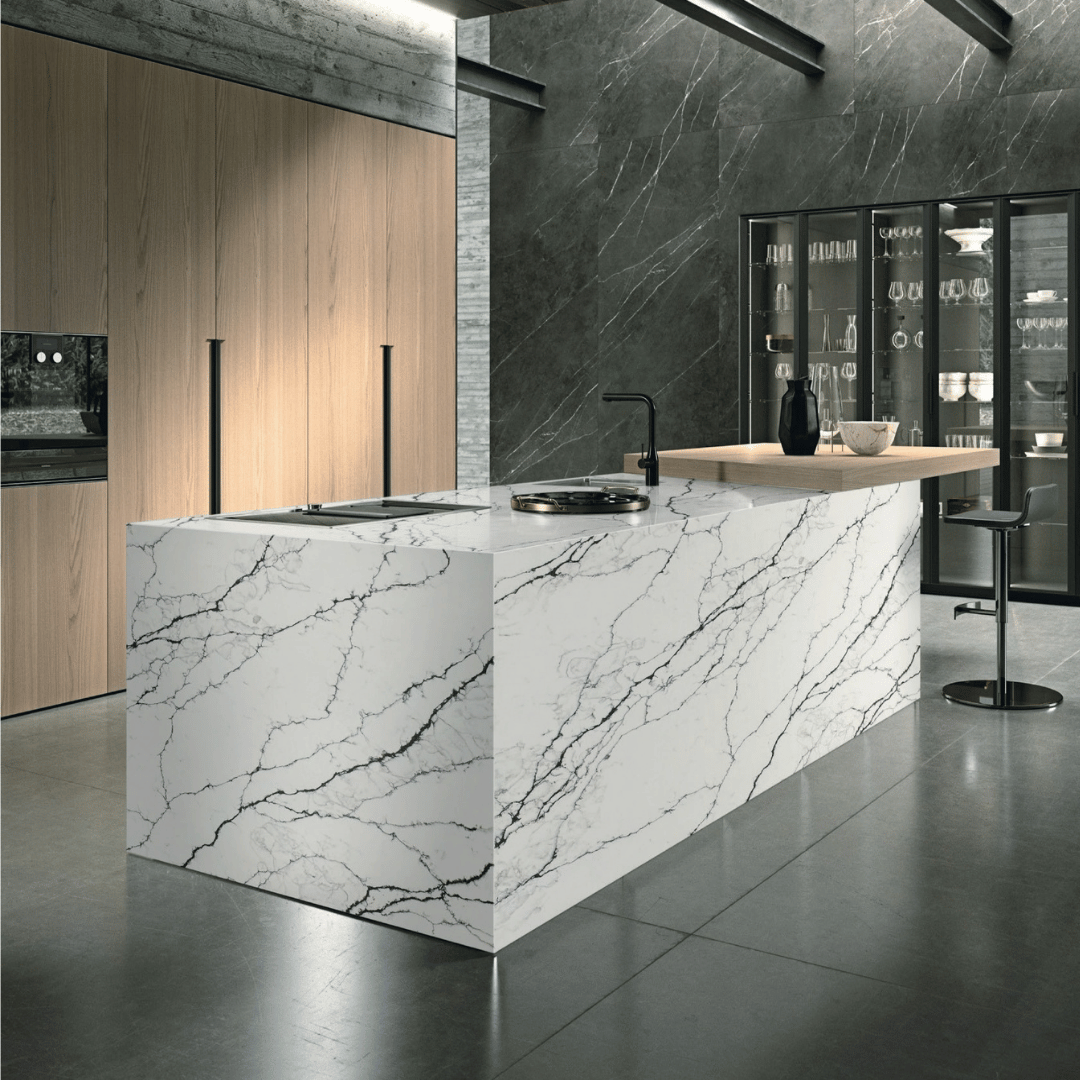
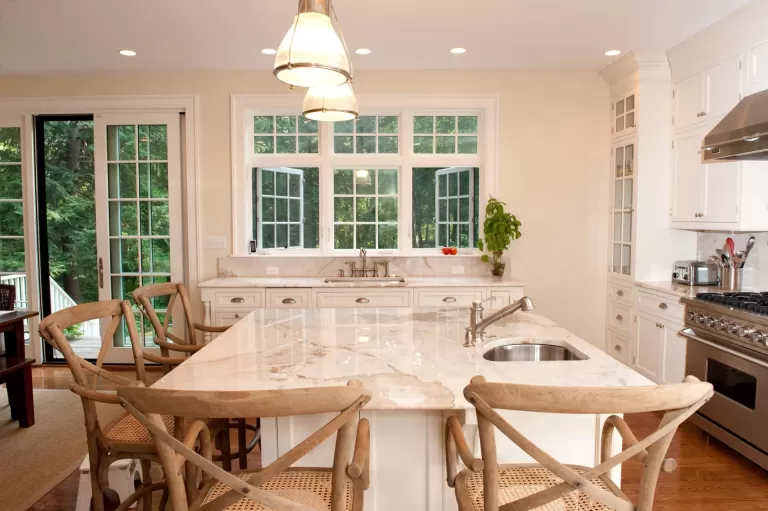
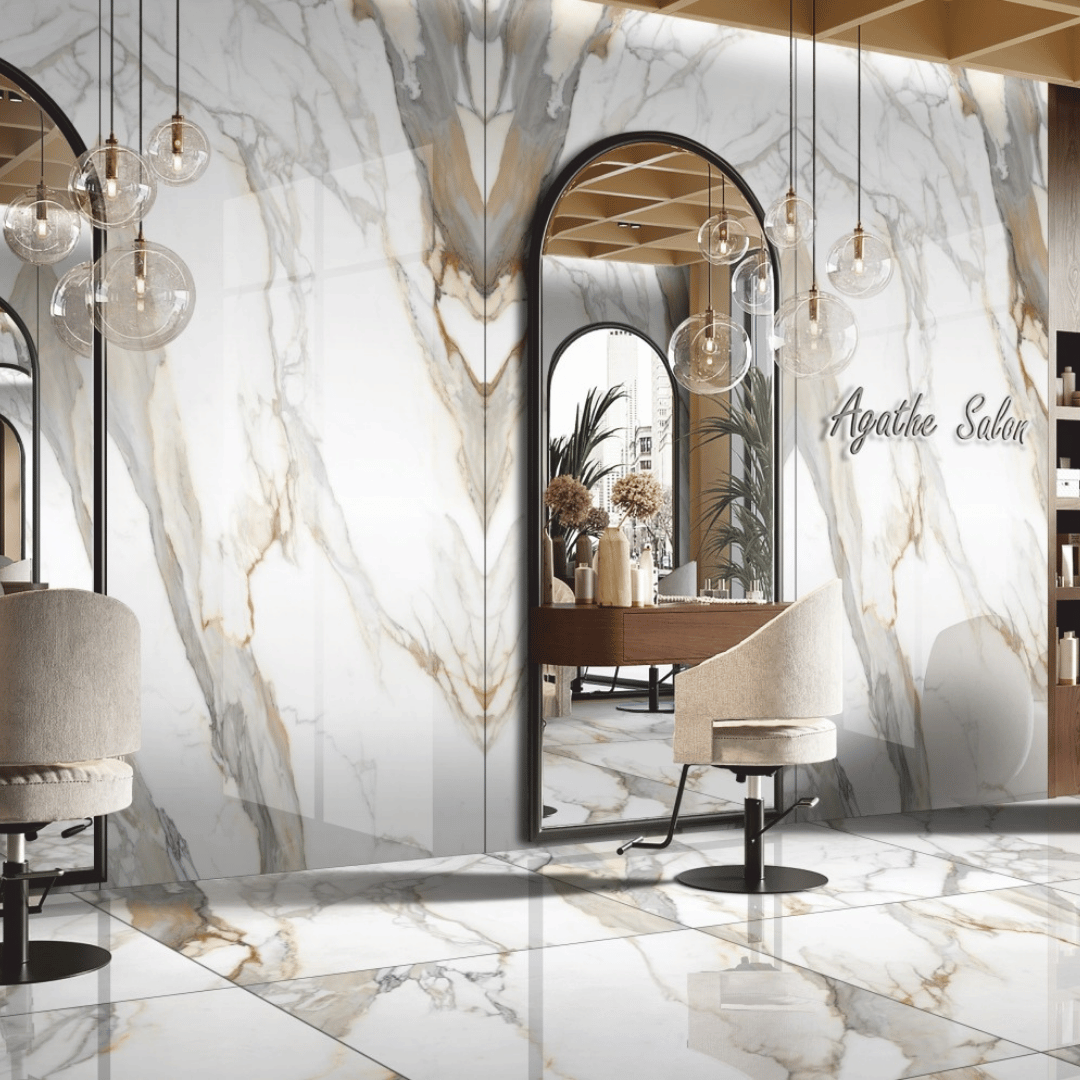
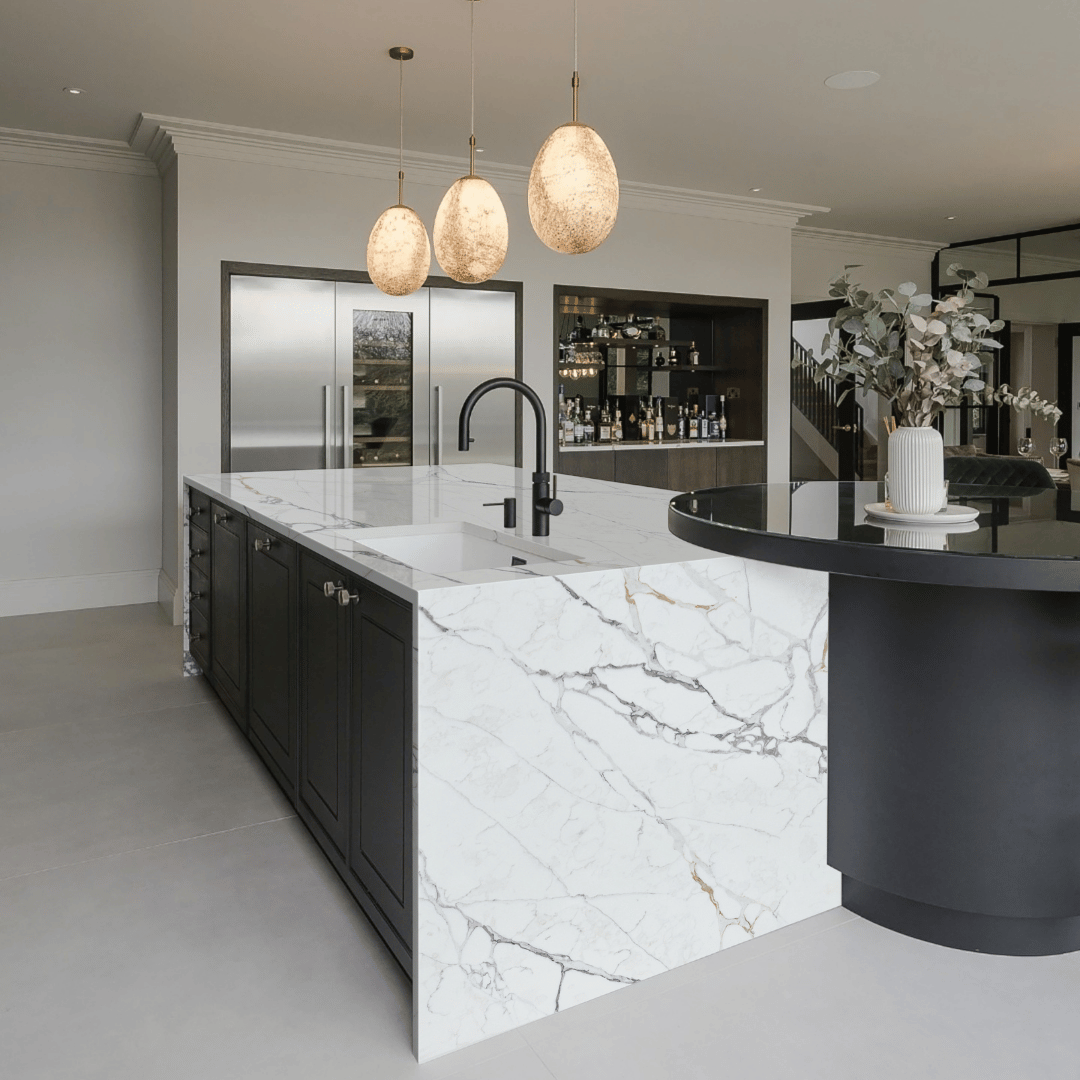
Porcelain slabs can be produced in a multitude of colors, patterns, and finishes. They can even mimic the appearance of natural stones like marble or granite, allowing for a luxurious look without the maintenance concerns that come with real stone. Quartz, being engineered, offers similar versatility; however, the patterns are often more uniform due to the manufacturing process.
3.2 Finishes
Both materials can be finished in polished, honed, or matte textures, providing options to match any design aesthetic. Polished finishes lend a shiny, reflective quality, while honed surfaces create a more subdued matte look. The choice of finish can significantly impact the visual appeal of the countertop.
3.3 Color Options
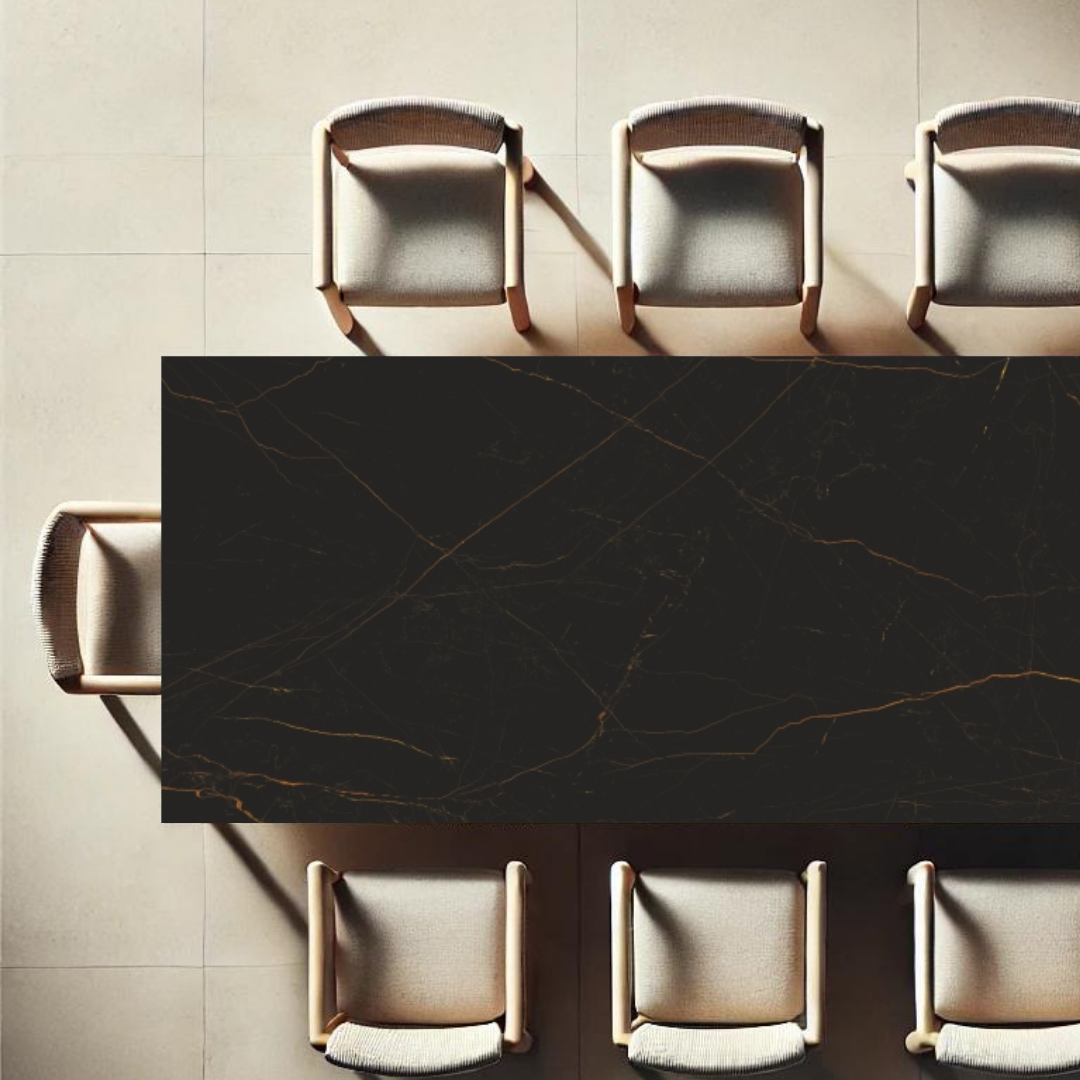
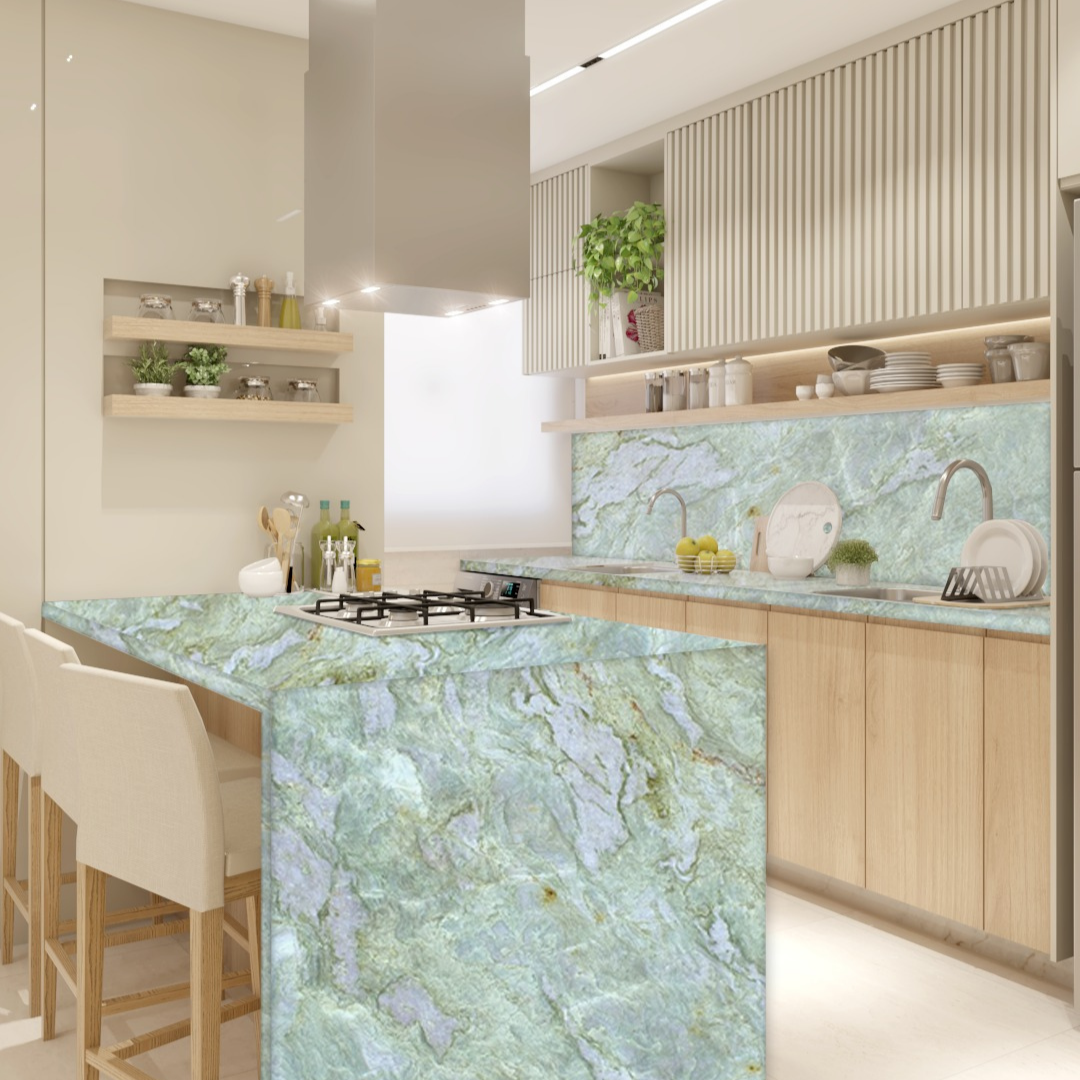
Porcelain slabs typically offer a broader spectrum of colors due to the pigmentation process during manufacturing. This allows for vibrant hues and intricate designs that can enhance the overall kitchen ambiance. Quartz, while also available in various colors, may have limitations in achieving certain bold shades.
4. Maintenance and Care Requirements
Understanding the maintenance requirements of each material is vital for ensuring longevity and appearance. Both porcelain and quartz are relatively low-maintenance, but there are differences in care.
4.1 Cleaning
Porcelain surfaces can be cleaned with mild soap and water or non-abrasive cleaners. Their non-porous quality prevents bacteria buildup, making them hygienic options for kitchens. Quartz also requires similar cleaning but should avoid harsh chemicals that can damage the resin.
4.2 Sealing
One of the significant differences lies in sealing requirements. Porcelain does not require sealing due to its dense structure, while quartz may need periodic sealing to maintain its non-porous characteristics, especially in high-use areas.
4.3 Long-term Care
For long-term durability, both materials should avoid using abrasive pads or harsh scrubbing tools that can scratch the surface. Regular maintenance will keep both porcelain and quartz looking pristine.
5. Cost Considerations: Investment and Value
The cost of countertops can vary significantly based on material, installation, and design choices. Understanding these factors can help you make a financially sound decision.
5.1 Initial Costs
Porcelain slabs generally range from $50 to $100 per square foot, while quartz countertops typically range from $60 to $150 per square foot, depending on the brand and design. While quartz may have a higher initial cost, its durability can translate to long-term value.
5.2 Installation Costs
Installation costs will vary based on the complexity of the project and local labor rates. Both materials can be installed by professional fabricators, and it’s advisable to obtain quotes from multiple contractors to ensure competitive pricing.
5.3 Long-term Value
Investing in either material can provide excellent long-term value due to their durability and low maintenance requirements. However, the choice should align with your aesthetic preferences and functional needs.
6. Expert Recommendations for Choosing Between Porcelain and Quartz
When deciding between porcelain and quartz for your kitchen countertop, consider the following expert recommendations:
- Assess Your Lifestyle: If you frequently cook and entertain, porcelain’s superior heat and scratch resistance may be more beneficial.
- Consider Aesthetics: If a wide range of colors and patterns is essential for your design, porcelain may offer more options.
- Evaluate Maintenance Preferences: For those seeking a truly low-maintenance solution, porcelain’s lack of sealing requirements may be appealing.
- Budget Wisely: Factor in both initial and long-term costs when making your decision to ensure you choose the material that offers the best overall value.
7. FAQs
What is the main difference between porcelain and quartz countertops?
Porcelain is a dense, fired clay material known for its durability, while quartz is an engineered stone made from crushed quartz and resin.
Are porcelain countertops more durable than quartz?
Yes, porcelain slabs are generally more durable, offering superior heat resistance and scratch resistance compared to quartz.
Do porcelain countertops require sealing?
No, porcelain does not require sealing due to its non-porous nature, while quartz may need periodic sealing.
Which material is better for high-traffic kitchens?
Porcelain is often recommended for high-traffic kitchens due to its exceptional durability and resistance to wear.
What are the color options for porcelain slabs?
Porcelain slabs come in a wide range of colors and patterns, including options that mimic natural stones.
How do I clean porcelain and quartz countertops?
Both materials can be cleaned with mild soap and water or non-abrasive cleaners, avoiding harsh chemicals.
What is the cost comparison between porcelain and quartz?
Porcelain slabs typically range from $50 to $100 per square foot, while quartz ranges from $60 to $150 per square foot.
Can I install porcelain or quartz countertops myself?
While it is possible to install them yourself, hiring a professional is recommended for optimal results.
Conclusion
Deciding between porcelain slabs and quartz countertops for your kitchen requires careful consideration of performance, aesthetics, maintenance, and cost. Both materials have their unique strengths, making them suitable for different design visions and functional needs. At Builder Stone Global, we are committed to providing premium quality surfaces that elevate your spaces. Whether you choose porcelain or quartz, you can trust that our extensive inventory and expert guidance will help you find the perfect fit for your kitchen. Call +1 470-551-2092 to speak with our surface specialists or check our live inventory today!