Why Material Comparison Charts Empower Design Professionals to Choose the Right Slab
Why Material Comparison Charts Empower Design Professionals to Choose the Right Slab
In the world of architectural design and construction, the choice of materials can profoundly impact the outcome of any project. For design professionals, specifying the right slab—whether it’s quartz, porcelain, or natural stone—can be a daunting task. This is where material comparison charts come into play. These charts provide a comprehensive overview of various slab materials, allowing architects, interior designers, and builders to make informed decisions that align with their project goals. In this article, we will explore the importance of material comparison charts, how they aid in the selection process, and the specific advantages they offer to design professionals.
The Importance of Material Comparison Charts
Material comparison charts serve as essential tools for design professionals, enabling them to visualize and evaluate different materials side by side. By providing a clear comparison of attributes such as durability, cost, maintenance requirements, and aesthetic appeal, these charts help professionals clarify their options. The architectural and design industries are increasingly competitive, and making informed decisions based on accurate data can set a project apart.
In addition to aiding in material selection, these charts can enhance communication among stakeholders. When designers, architects, and clients can reference a clear, visual representation of materials, it minimizes misunderstandings and aligns expectations. This collaborative approach is vital, especially when coordinating large-scale projects that involve multiple teams and disciplines.
Key Factors to Consider in Material Comparison
When creating or utilizing a material comparison chart, several key factors should be considered:
- Durability: Assess how well each material withstands wear, tear, and environmental factors. For instance, while quartz slabs are known for their resilience, natural stones like granite offer unique durability characteristics.
- Cost: Include both initial costs and long-term maintenance expenses. This will provide a clearer picture of the overall investment required for each material.
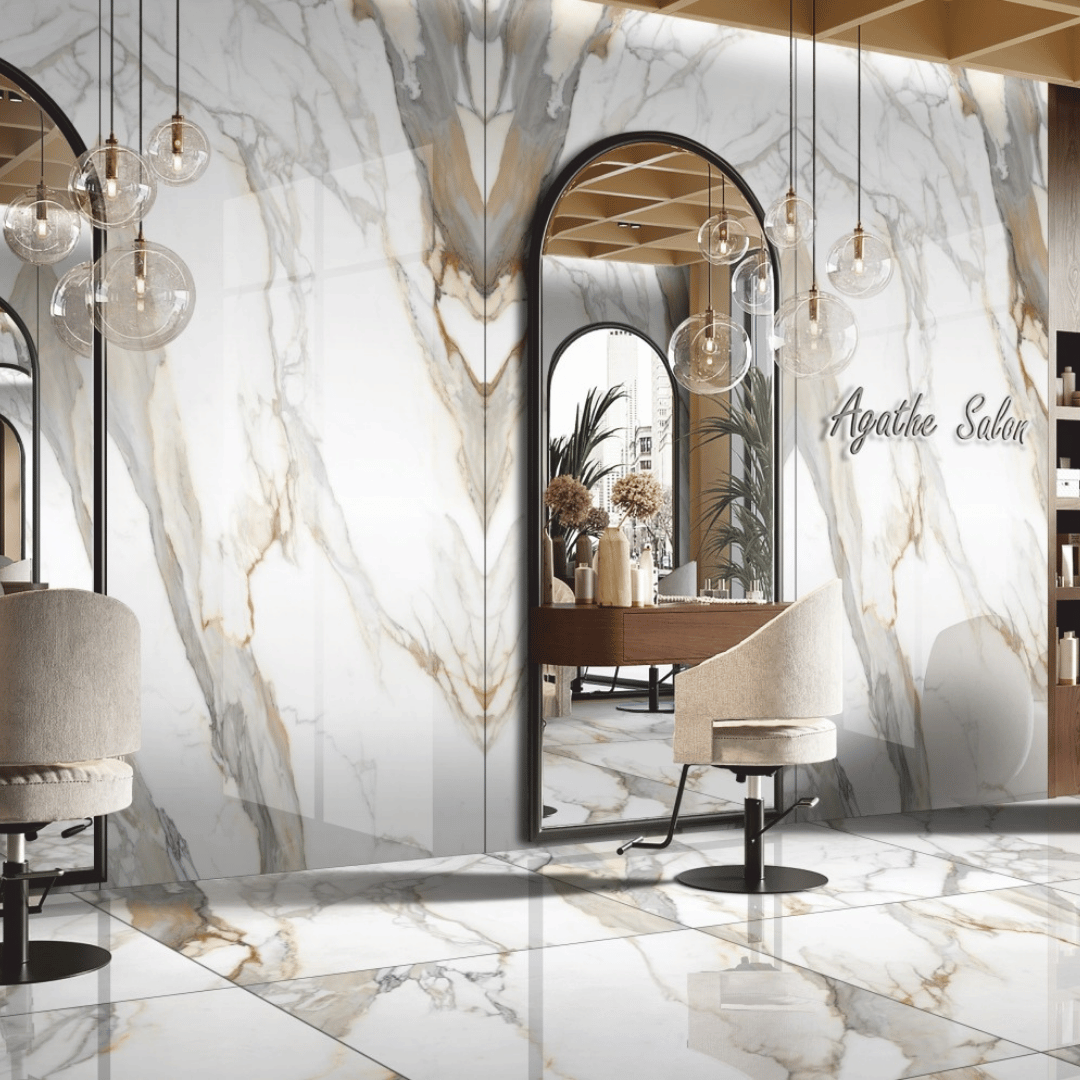
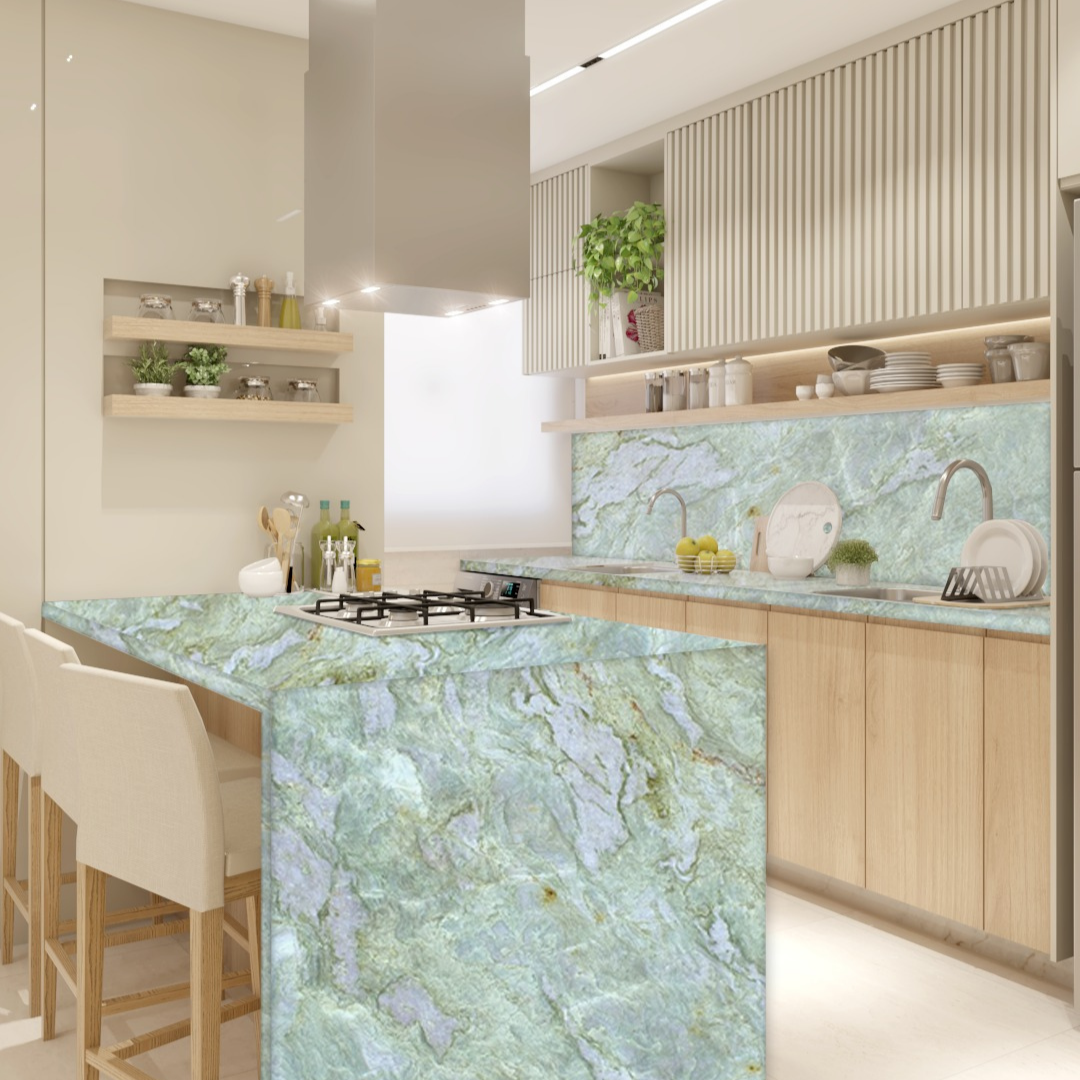
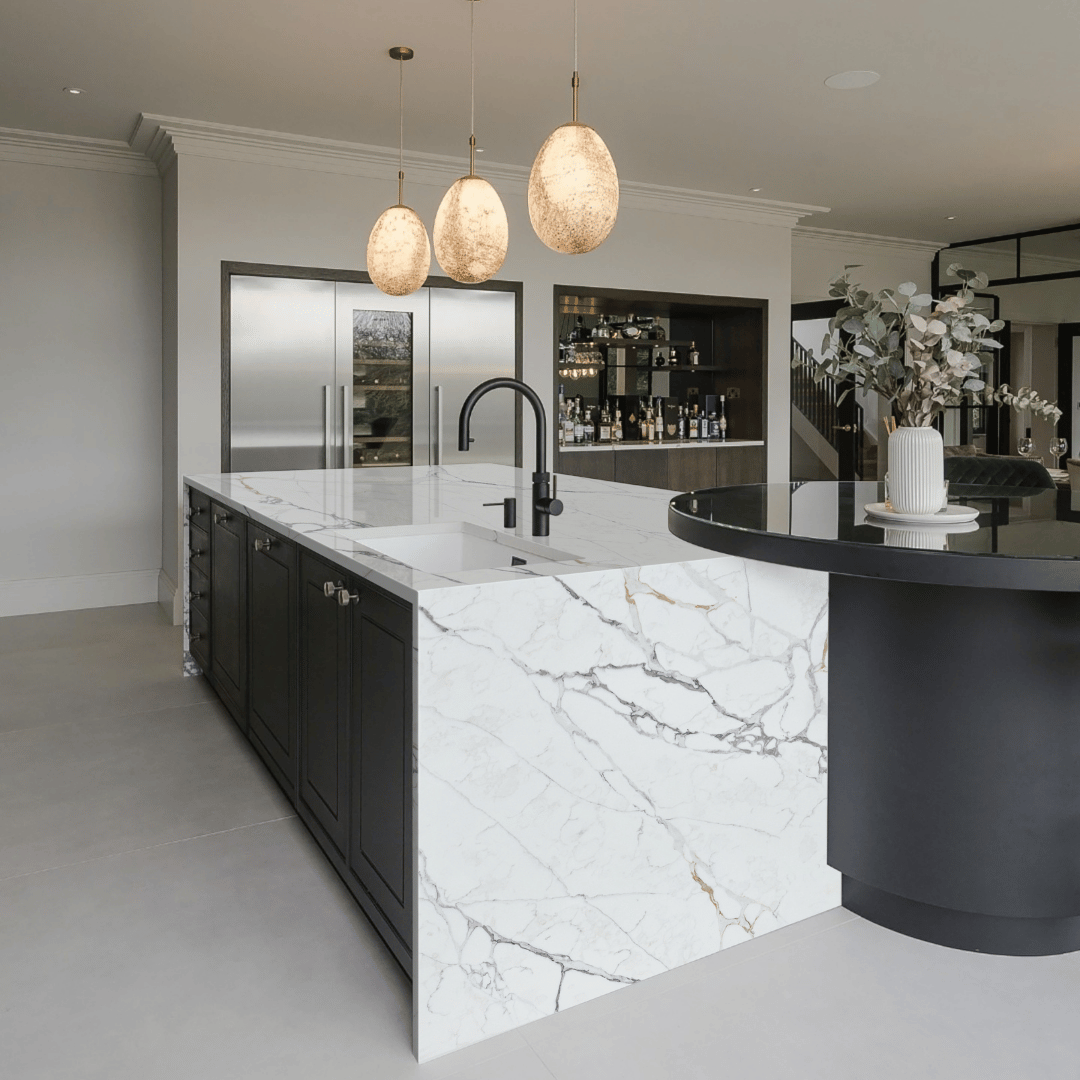
- Aesthetic Appeal: Visual characteristics such as color, texture, and patterns are crucial in design. Comparison charts can help designers visualize how different slabs will fit into the overall design scheme.
- Maintenance Requirements: Some materials require more upkeep than others. For example, while quartz is generally low-maintenance, natural stones may need periodic sealing.
- Environmental Impact: Sustainability is a growing concern in design. Include information on sourcing, recyclability, and overall environmental footprint.
Types of Slabs and Their Characteristics
Understanding the types of slabs is essential for effective comparison. Here we outline the primary categories of slabs:
Quartz Slabs
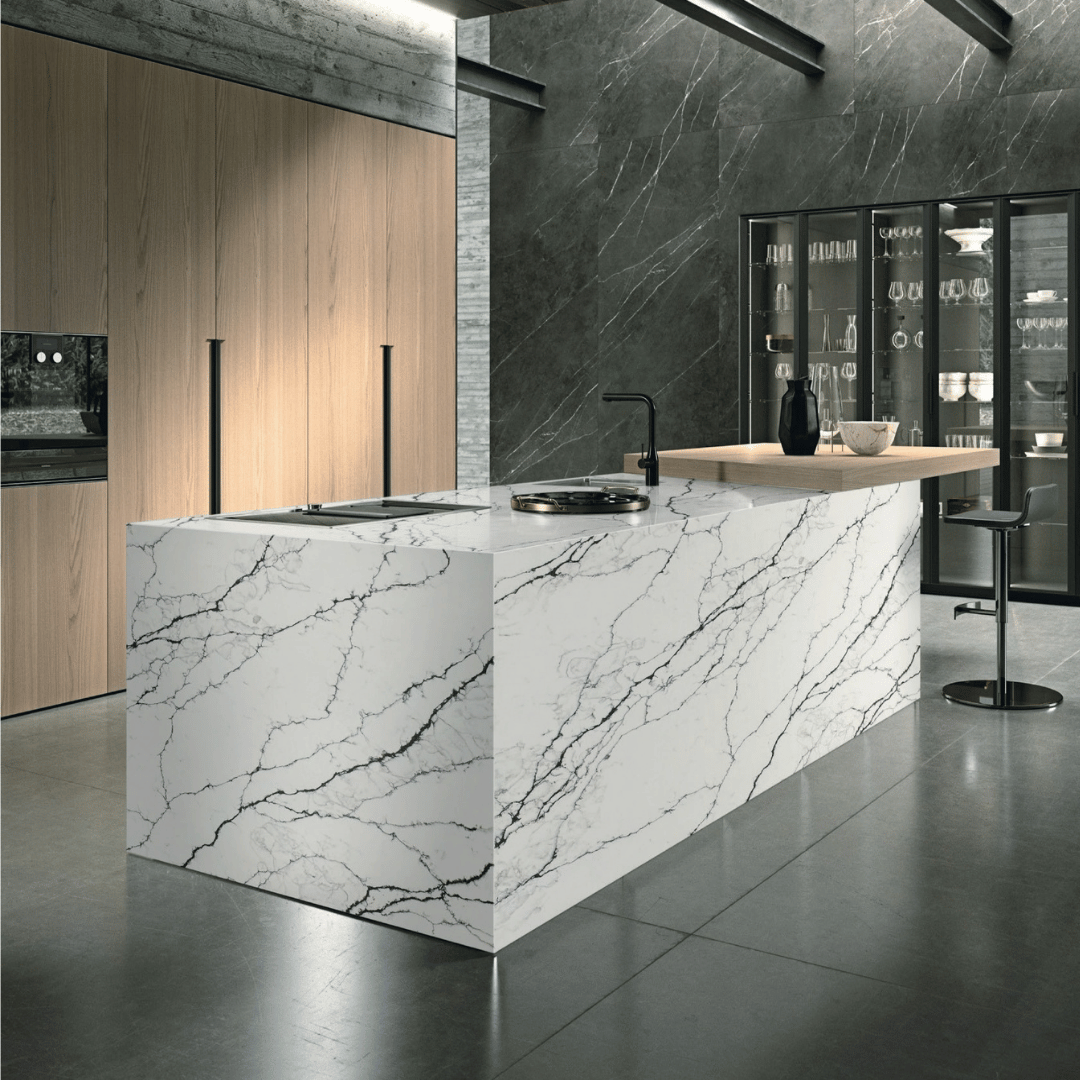
Quartz slabs are engineered stones made from 90-95% crushed natural quartz crystals, resins, and pigments. They offer a non-porous surface that is resistant to stains and scratches, making them an excellent choice for high-traffic areas. Builder Stone Global is a leading quartz slab distributor in Norcross, GA, offering a wide selection of colors and patterns.
Porcelain Slabs
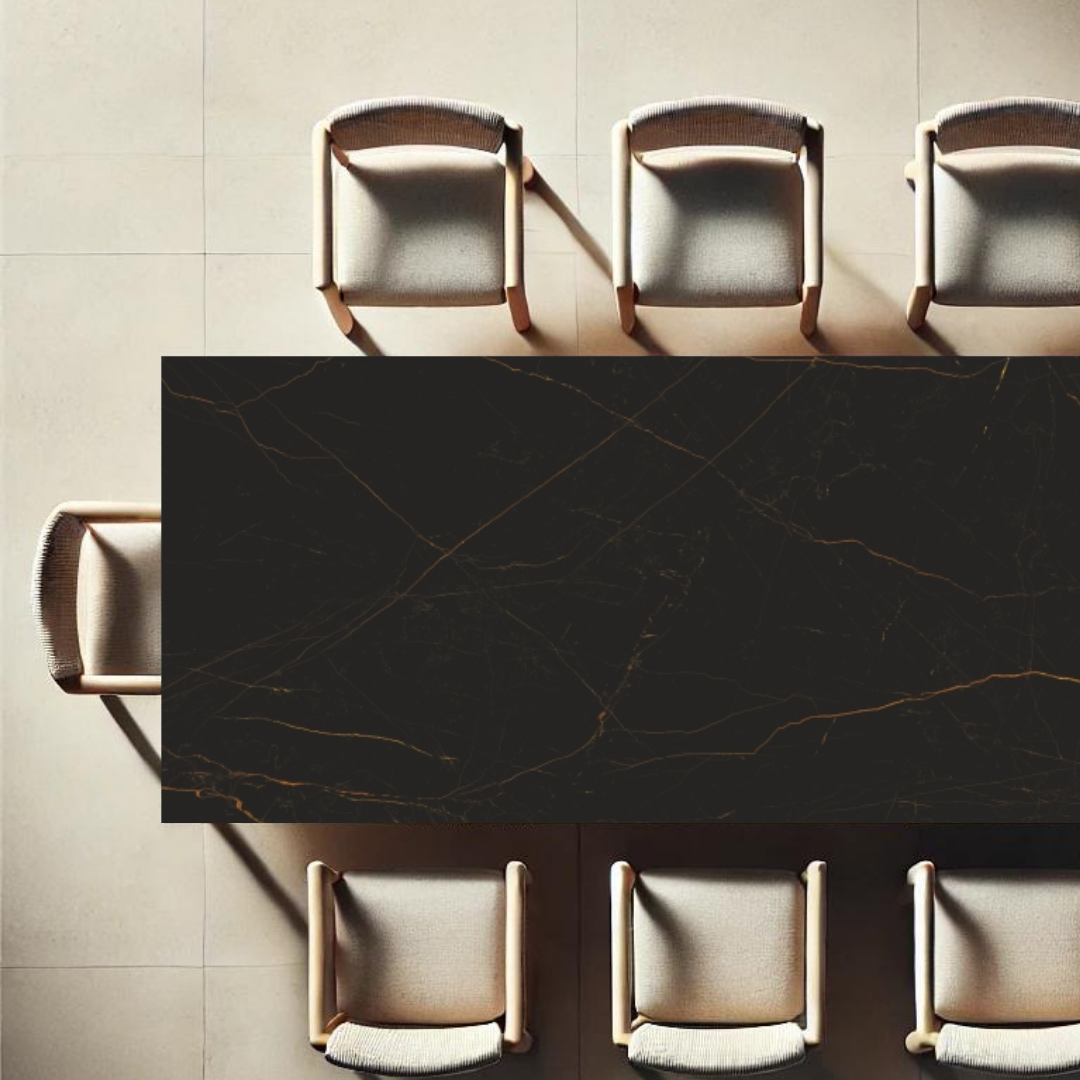
Porcelain slabs are made from a refined clay mixture that is fired at high temperatures, resulting in a dense, durable material. They are particularly well-suited for both interior and exterior applications due to their resistance to moisture, heat, and UV rays. For designers looking for large format porcelain slabs, Builder Stone Global provides a premium selection.
Natural Stone Slabs
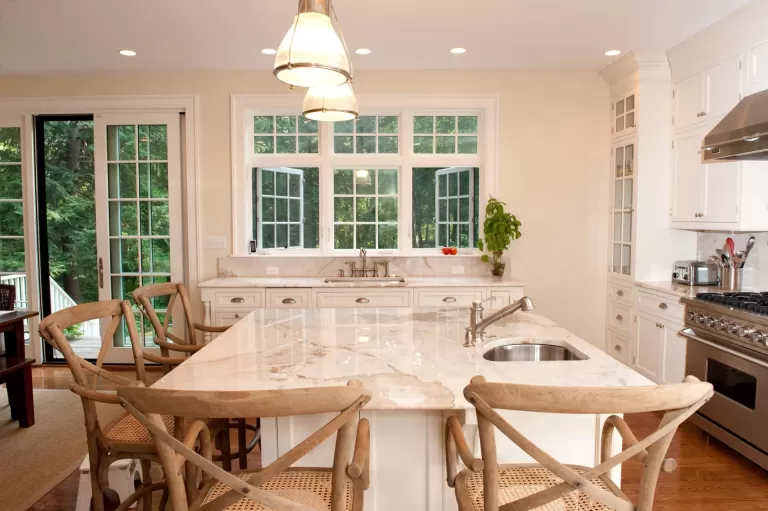
Natural stones like granite, marble, and quartzite each possess unique characteristics. Granite is celebrated for its durability and variety, while marble is favored for its aesthetic appeal. Quartzite, on the other hand, combines the best features of both quartz and granite, offering stunning visuals along with durability.
Comparison Table: Slab Types
| Material Type | Durability | Maintenance | Cost | Aesthetic Appeal |
|---|---|---|---|---|
| Quartz | High | Low | $$ | Variety of Patterns |
| Porcelain | Very High | Very Low | $$$ | Modern Look |
| Granite | High | Medium | $$ | Classic Appearance |
| Marble | Medium | High | $$$ | Elegant Look |
| Quartzite | High | Medium | $$$ | Unique Patterns |
Benefits of Using Comparison Charts
Utilizing material comparison charts provides numerous benefits to design professionals:
- Informed Decision-Making: By comparing various materials directly, designers can make choices that best fit the project’s requirements.
- Time Efficiency: Comparison charts streamline the selection process, saving valuable time during project planning.
- Enhanced Communication: Visual aids facilitate discussions with clients and other stakeholders, ensuring everyone is on the same page regarding material choices.
- Risk Mitigation: Understanding the strengths and weaknesses of each material can help avoid costly mistakes in the selection process.
How to Create Effective Material Comparison Charts
Creating a material comparison chart involves several steps:
- Identify Key Attributes: Determine which characteristics are most relevant to your project.
- Research Materials: Gather data on various slab materials, including performance metrics, costs, and maintenance requirements.
- Visual Representation: Use tables, graphs, or infographics to present the data clearly and concisely.
- Seek Feedback: Share your comparison chart with colleagues or industry experts to gather insights and make improvements.
Expert Tips for Selecting the Right Slab
Additionally, here are some actionable tips:
- Visit a local showroom to see materials in person. At Builder Stone Global, you can schedule a visit to our Norcross showroom for a firsthand look at our extensive in-stock inventory.
- Consult with surface specialists to understand the nuances of different materials. Call +1 470-551-2092 to speak with our experts.
- Consider future maintenance and cleaning requirements. Some materials may look stunning but require extensive upkeep.
Frequently Asked Questions
What are material comparison charts?
Material comparison charts are visual tools that allow design professionals to evaluate different materials side by side based on specific attributes.
How do I choose the right slab for my project?
Consider factors like durability, cost, maintenance, and aesthetic appeal. Using a comparison chart can help clarify your options.
Are quartz slabs better than granite?
It depends on the application. Quartz slabs are non-porous and low-maintenance, while granite offers natural beauty and durability. Review both materials in a comparison chart to determine the best fit for your needs.
What should I include in a material comparison chart?
Include attributes such as durability, maintenance, cost, and aesthetic appeal to provide a comprehensive overview.
Where can I find high-quality slabs in Norcross, GA?
Builder Stone Global is a trusted quartz slab distributor and offers a wide selection of premium slabs in Norcross, GA.
How can I ensure I am making an informed decision?
Utilize material comparison charts to evaluate your options, and consult with experts to gain insights into specific materials.
What are the benefits of using porcelain slabs?
Porcelain slabs are known for their durability, low maintenance, and resistance to moisture and UV rays, making them ideal for various applications.
Can I use a material comparison chart for sustainable materials?
Absolutely! Include information on the environmental impact of each material to assess their sustainability.
In conclusion, material comparison charts are invaluable tools for design professionals looking to specify the right slab for their projects. By providing clear, concise comparisons of various materials, these charts enable informed decision-making and enhance communication among stakeholders. As you embark on your next project, consider leveraging the power of material comparison charts to elevate your design process and ensure the best possible outcomes.