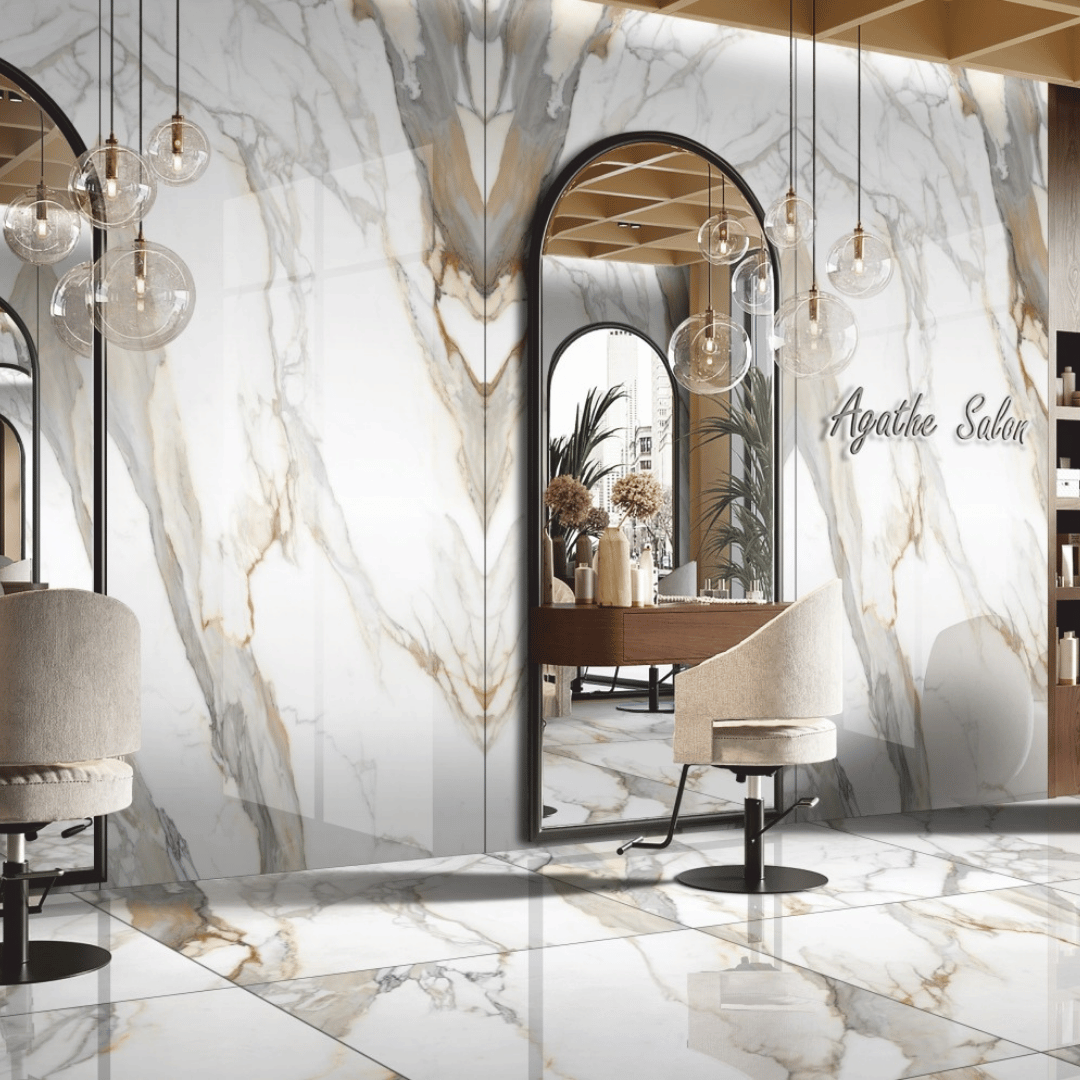
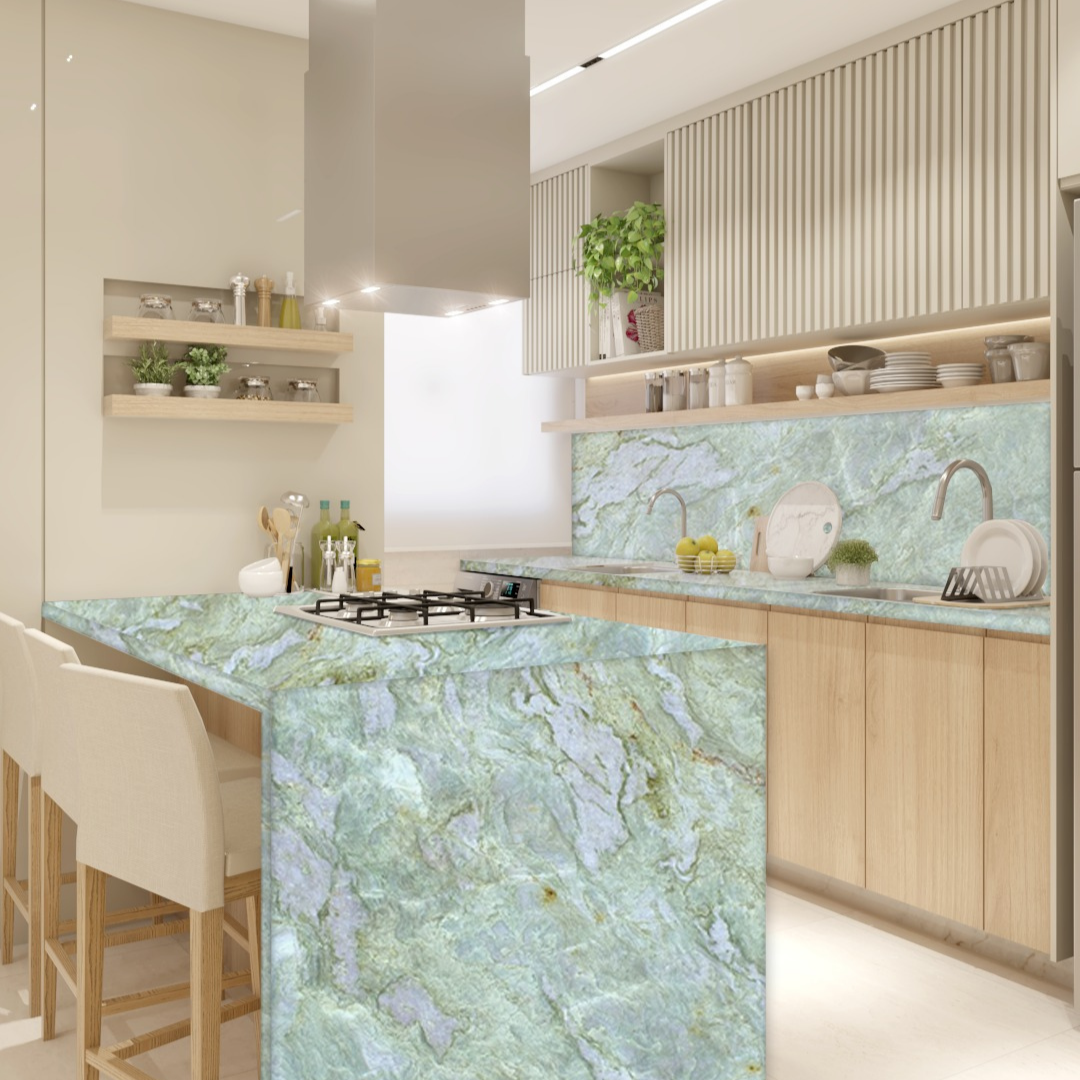
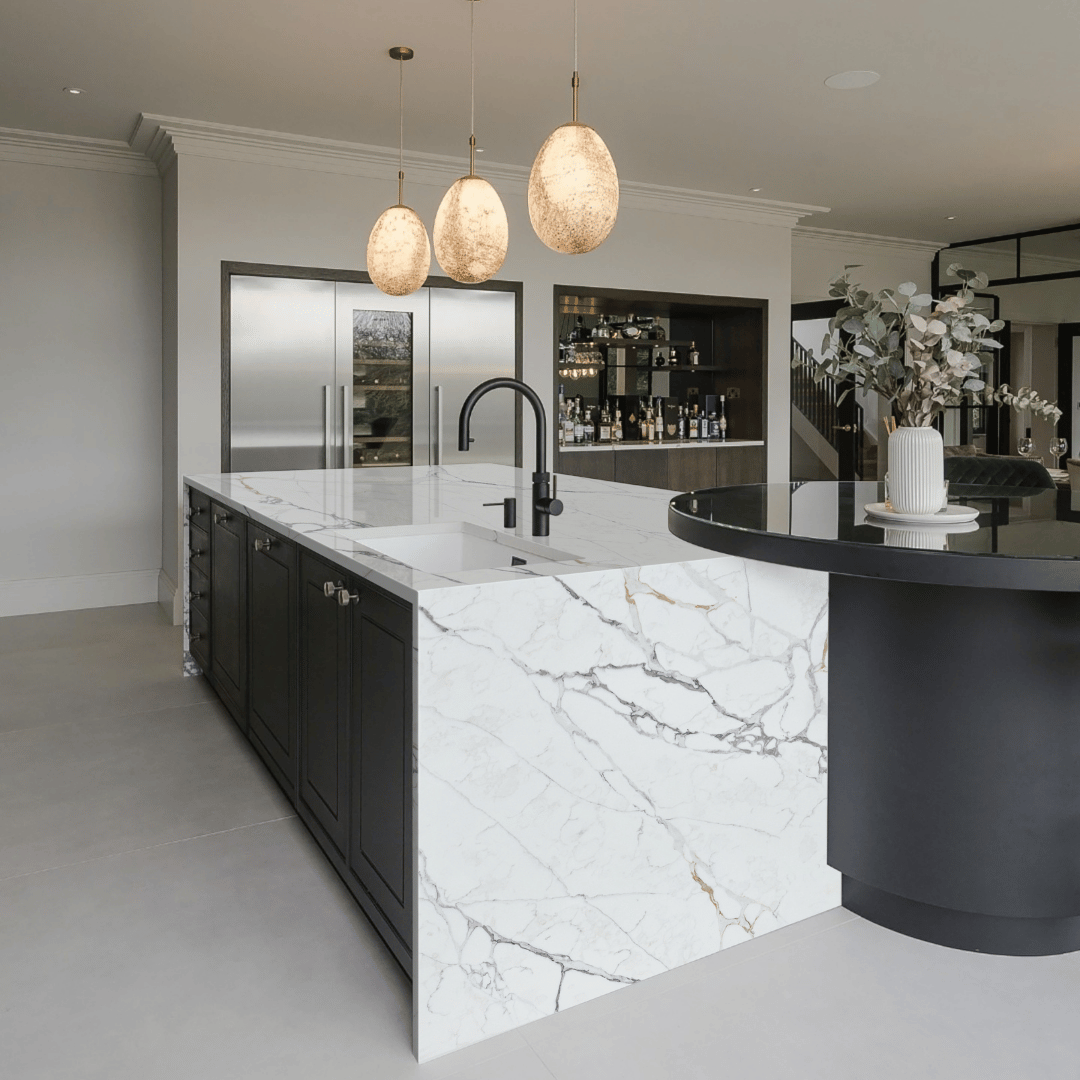
Why Each Slab Material Category Serves Different Design Goals and Performance Requirements
Why Each Slab Material Category Serves Different Design Goals and Performance Requirements
When embarking on a design project, understanding the nuances of various slab materials is crucial. Each category—quartz, porcelain, and natural stone—serves distinct design goals and performance requirements. As a premier quartz slab distributor in Norcross, GA, Builder Stone Global recognizes the significance of choosing the right material for your specific needs. This article will delve into the unique properties of each slab material, their applications, and how they align with different design objectives.
1. Understanding Slab Material Categories
Slab materials are categorized based on their composition, aesthetic qualities, and performance characteristics. The three primary categories we focus on are:
- Quartz Slabs: Engineered stone made from natural quartz crystals, resin, and pigments.
- Porcelain Slabs: A type of ceramic made from fine clay and minerals, known for its durability and low porosity.
- Natural Stone Slabs: Stone sourced from quarries, including granite, marble, and quartzite, valued for their unique aesthetics and natural beauty.
Each of these categories serves different design goals and performance requirements, making it essential for designers, architects, and homeowners to understand their options.
2. Quartz Slabs: Versatile and Durable
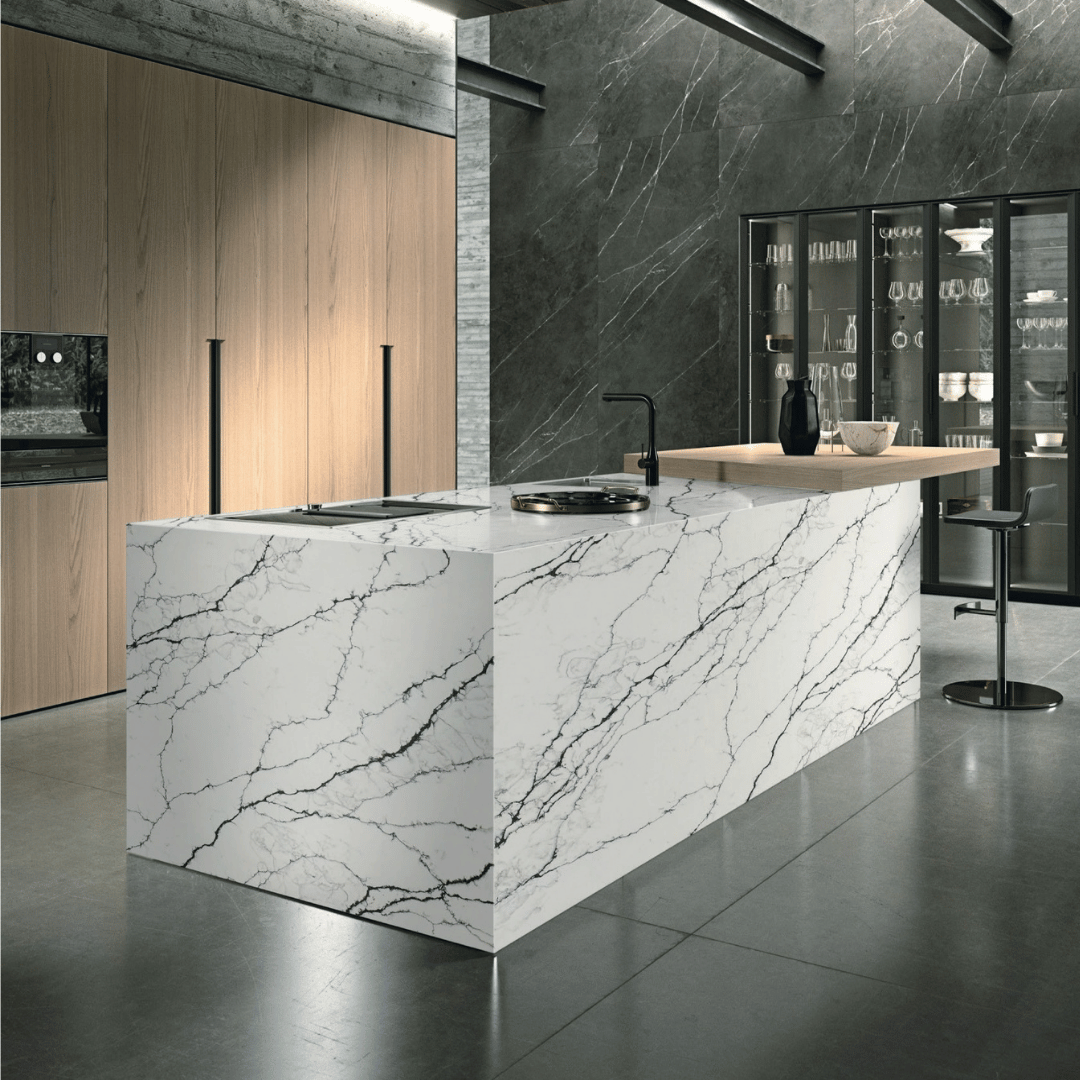
Quartz slabs are a popular choice due to their versatility and durability. Composed of approximately 90% natural quartz crystals, these engineered surfaces are non-porous, making them resistant to stains and bacteria. This characteristic makes quartz an excellent option for kitchen countertops, bathroom vanities, and commercial applications where hygiene is a priority.
Design Goals for Quartz Slabs
1. Consistency in Aesthetics: Quartz slabs are available in a wide range of colors and patterns, allowing for design flexibility. Unlike natural stones, which can vary significantly, quartz offers a uniform appearance that appeals to modern design sensibilities.
2. Durability: With their high resistance to scratching and chipping, quartz slabs are ideal for high-traffic areas. Their engineered nature provides a performance edge over natural stones, making them suitable for both residential and commercial settings.
Performance Requirements
1. Low Maintenance: Quartz surfaces require minimal maintenance, often needing only soap and water for cleaning. This ease of care is a significant advantage for busy households and commercial environments.
2. Heat Resistance: While quartz is more heat resistant than many materials, it is essential to use trivets or hot pads to protect the surface from extreme heat.
For those considering quartz, visit our quartz slabs portfolio for inspiration and options.
3. Porcelain Slabs: A Modern Choice for High Performance
Porcelain slabs have gained popularity in contemporary design due to their high performance and aesthetic appeal. Made from a refined clay mixture and fired at high temperatures, porcelain is incredibly dense and durable.
Design Goals for Porcelain Slabs
1. Versatile Applications: Porcelain slabs can be used for countertops, wall coverings, and flooring, making them a versatile choice for various design applications.
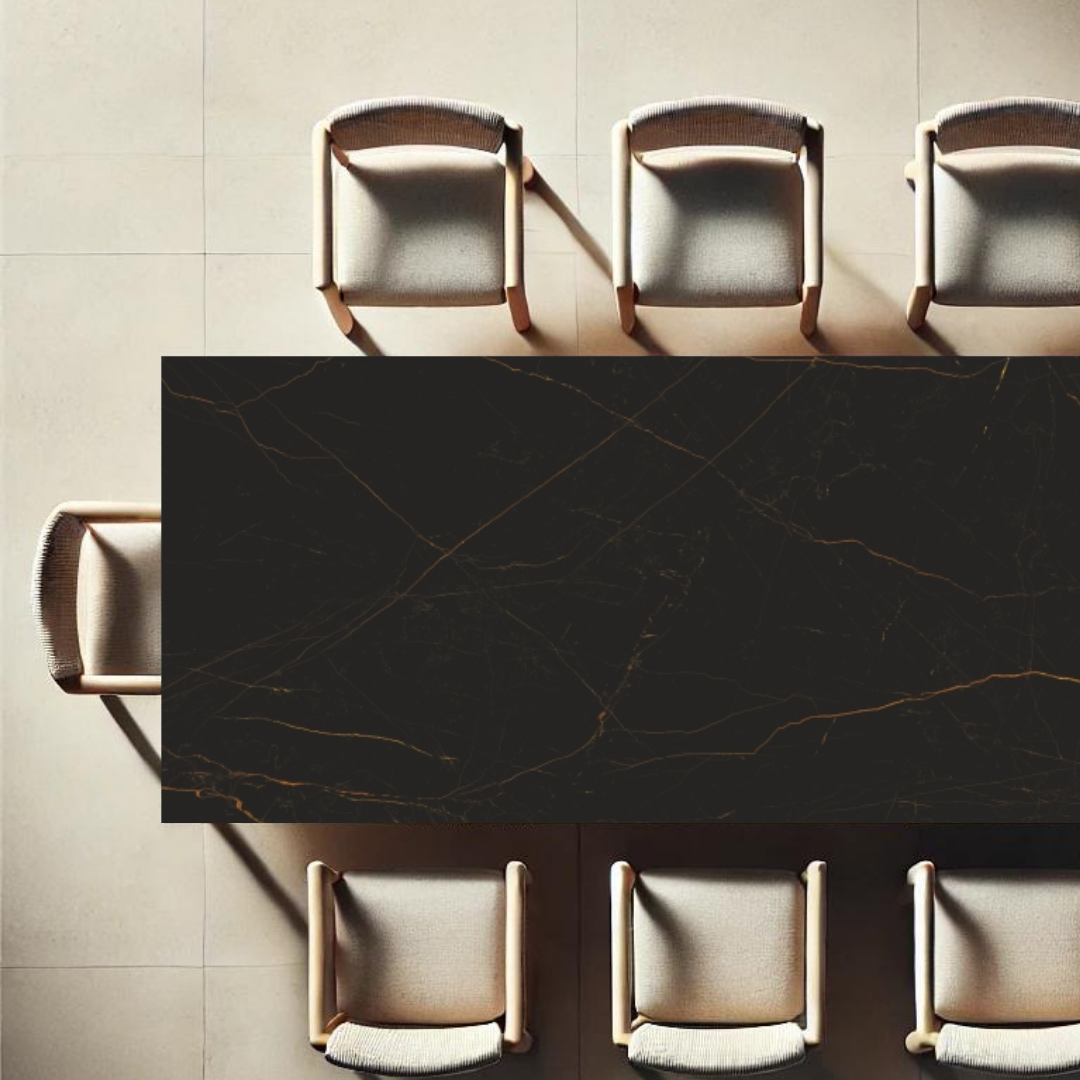
2. Wide Range of Styles: Available in a multitude of colors, textures, and finishes, porcelain can mimic the look of natural stone, wood, or even concrete, allowing designers to achieve specific aesthetic goals.
Performance Requirements
1. Exceptional Durability: Porcelain is resistant to scratches, stains, and UV rays, making it suitable for both indoor and outdoor applications. Its durability ensures that it can withstand the rigors of daily use.
2. Low Water Absorption: With a water absorption rate of less than 0.5%, porcelain slabs are ideal for wet areas, such as bathrooms and kitchens, where moisture resistance is crucial.
For more insights into the best uses of porcelain slabs in kitchens and other spaces, check out our article on best uses for porcelain slabs.
4. Natural Stone Slabs: Timeless Elegance
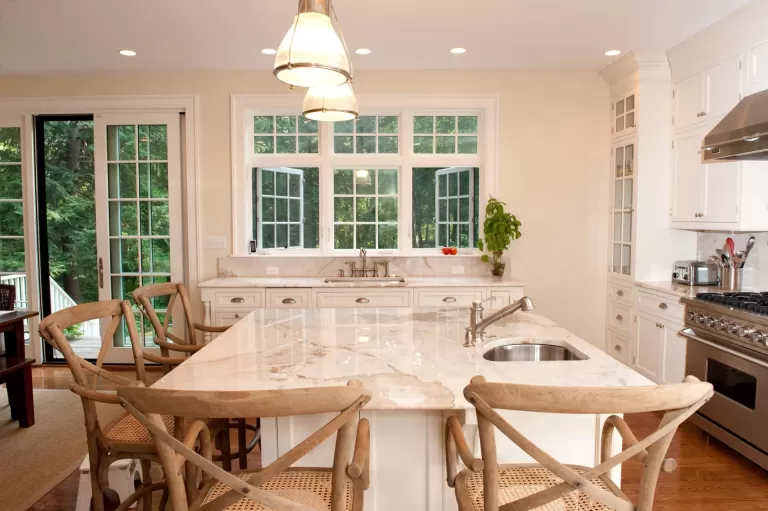
Natural stone slabs, including granite, marble, and quartzite, offer unparalleled beauty and uniqueness. Each slab is a one-of-a-kind piece, showcasing the natural variations and textures that make stone so appealing.
Design Goals for Natural Stone Slabs
1. Unique Aesthetic Appeal: The natural patterns and colors of stone create a stunning visual impact, making it a favorite choice for luxury designs.
2. Classic and Timeless: Natural stone has been used for centuries in architecture and design, providing a sense of permanence and tradition.
Performance Requirements
1. Heat Resistance: Many natural stones, particularly granite, are highly heat resistant, making them suitable for kitchen countertops.
2. Maintenance Considerations: Natural stones may require periodic sealing to maintain their appearance and resistance to stains, which is an important consideration for homeowners.
Explore our selection of natural stone slabs by visiting our natural stone portfolio.
5. Comparing Slab Materials: A Quick Reference
| Material | Durability | Maintenance | Design Flexibility | Heat Resistance |
|---|---|---|---|---|
| Quartz | High | Low | High | Moderate |
| Porcelain | Very High | Very Low | Very High | High |
| Natural Stone | High | Moderate | Moderate | High |
6. Conclusion
Choosing the right slab material is essential for achieving your design goals and meeting performance requirements. Whether you opt for the versatility and durability of quartz, the modern appeal of porcelain, or the timeless elegance of natural stone, understanding the unique properties of each material will guide you in making the best decision for your project. At Builder Stone Global, we offer an extensive selection of premium quartz, porcelain, and natural stone slabs to help you elevate your spaces.
For personalized guidance or to explore our inventory, contact us today or visit our live inventory.
7. Frequently Asked Questions
What are the benefits of using quartz slabs?
Quartz slabs offer durability, low maintenance, and a wide range of colors and patterns, making them ideal for various applications.
How do porcelain slabs compare to natural stone slabs?
Porcelain slabs are more durable and require less maintenance than natural stone, while natural stone provides unique aesthetic qualities.
Can I use porcelain slabs outdoors?
Yes, porcelain slabs are suitable for outdoor use due to their low water absorption and high durability.
What is the best maintenance routine for natural stone slabs?
Natural stone slabs typically require sealing every 1-2 years to protect against stains and maintain their appearance.
Are quartz slabs heat resistant?
While quartz slabs are moderately heat resistant, it is advisable to use trivets to protect the surface from extreme heat.
What are the most common uses for porcelain slabs?
Porcelain slabs are commonly used for countertops, wall coverings, and flooring due to their versatility and durability.
How do I choose the right slab material for my project?
Consider your design goals, performance requirements, and maintenance preferences when selecting a slab material.
Where can I find premium slab materials in Georgia?
Builder Stone Global is a trusted supplier of premium quartz, porcelain, and natural stone slabs in Norcross, GA. Visit our website for more information.