How Mixed-Material Designs Combine Quartz, Porcelain, and Natural Stone in One Project
How Mixed-Material Designs Combine Quartz, Porcelain, and Natural Stone in One Project
In the realm of modern architecture and interior design, the integration of various materials has become a hallmark of sophisticated aesthetics and functional versatility. Among these materials, quartz, porcelain, and natural stone stand out for their unique characteristics and visual appeal. As a leading quartz slab distributor in Norcross, GA, Builder Stone Global emphasizes the importance of understanding how to effectively combine these materials to create stunning, cohesive designs. This comprehensive guide delves into the world of mixed-material designs, exploring how quartz, porcelain, and natural stone can be harmoniously integrated in a single project. Readers will learn about the benefits of each material, innovative design ideas, and practical tips for executing a successful mixed-material project.
1. Understanding the Materials
Before diving into mixed-material designs, it’s essential to understand the individual attributes of quartz, porcelain, and natural stone. Each material offers unique benefits that can enhance the overall design of a space.
1.1 Quartz
Quartz is an engineered stone made from 90-95% crushed natural quartz crystals combined with resins and pigments. This process results in a non-porous, highly durable surface that is resistant to stains, scratches, and heat. Available in a wide range of colors and patterns, quartz provides versatility in design applications, making it an excellent choice for countertops, backsplashes, and flooring.
1.2 Porcelain
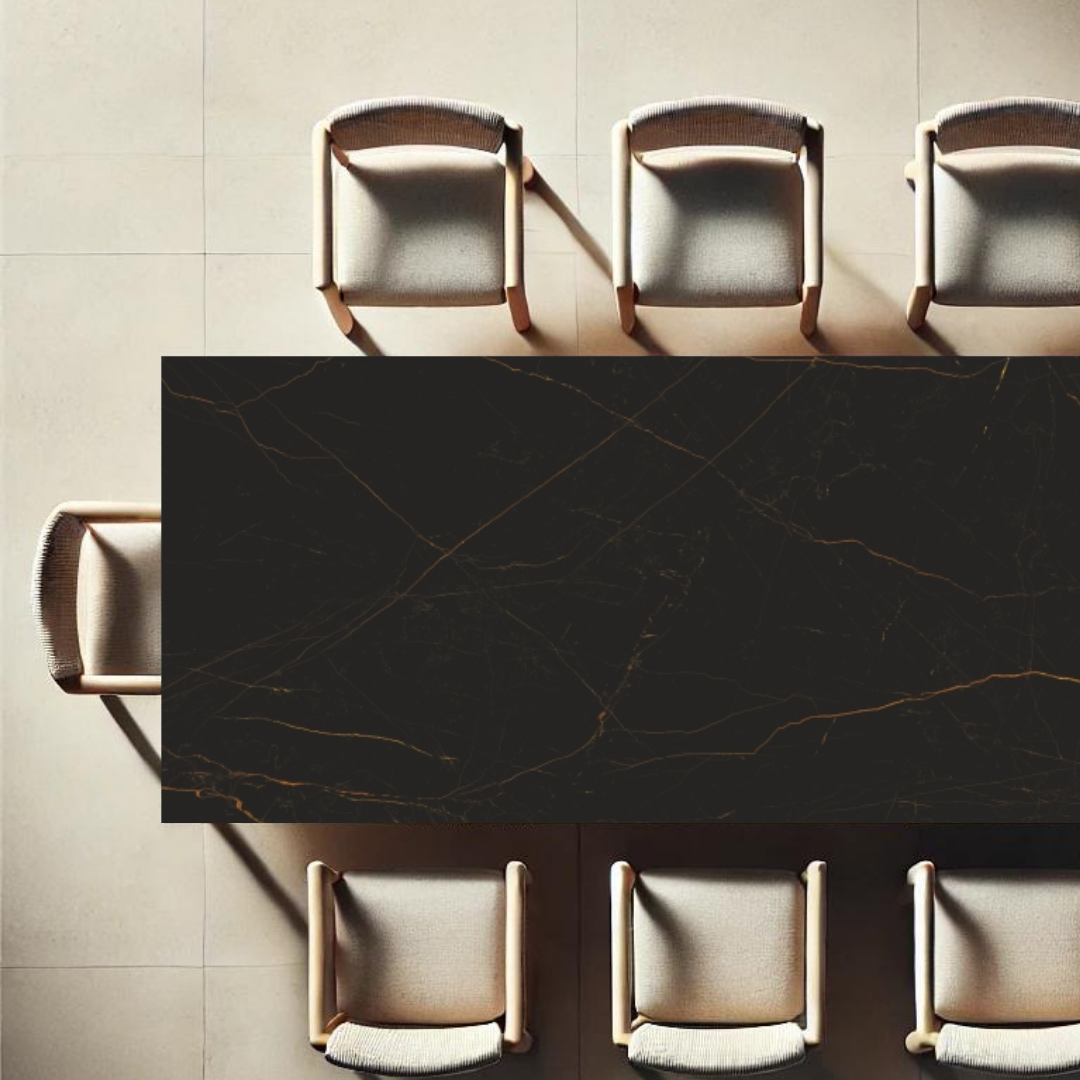
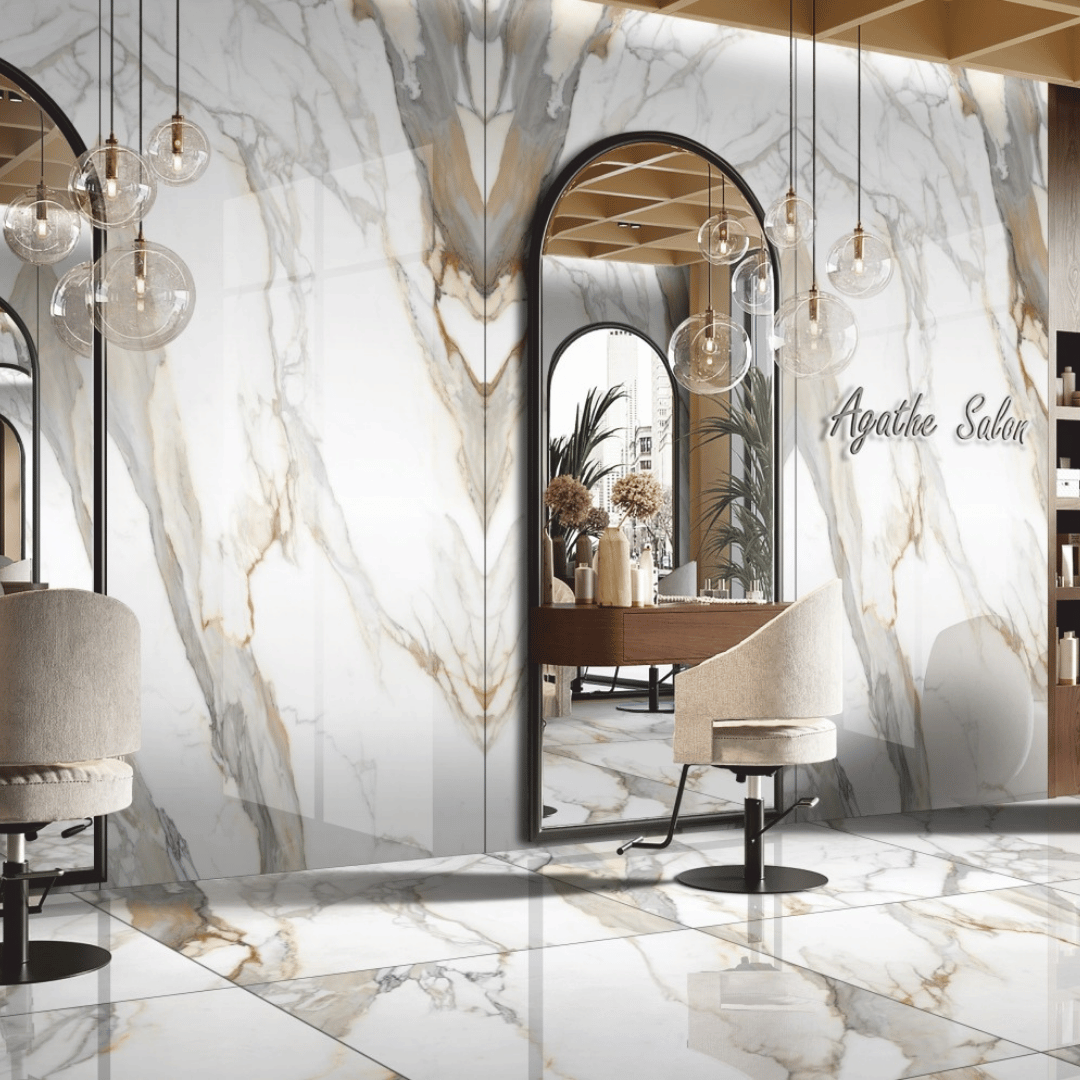
Porcelain is a type of ceramic made from refined clay that is fired at extremely high temperatures. This results in a dense, durable material that is resistant to moisture, stains, and scratches. Porcelain slabs are available in large formats, making them ideal for seamless installations in both residential and commercial settings. Their ability to mimic other materials, such as natural stone or wood, adds to their appeal in mixed-material designs.
1.3 Natural Stone
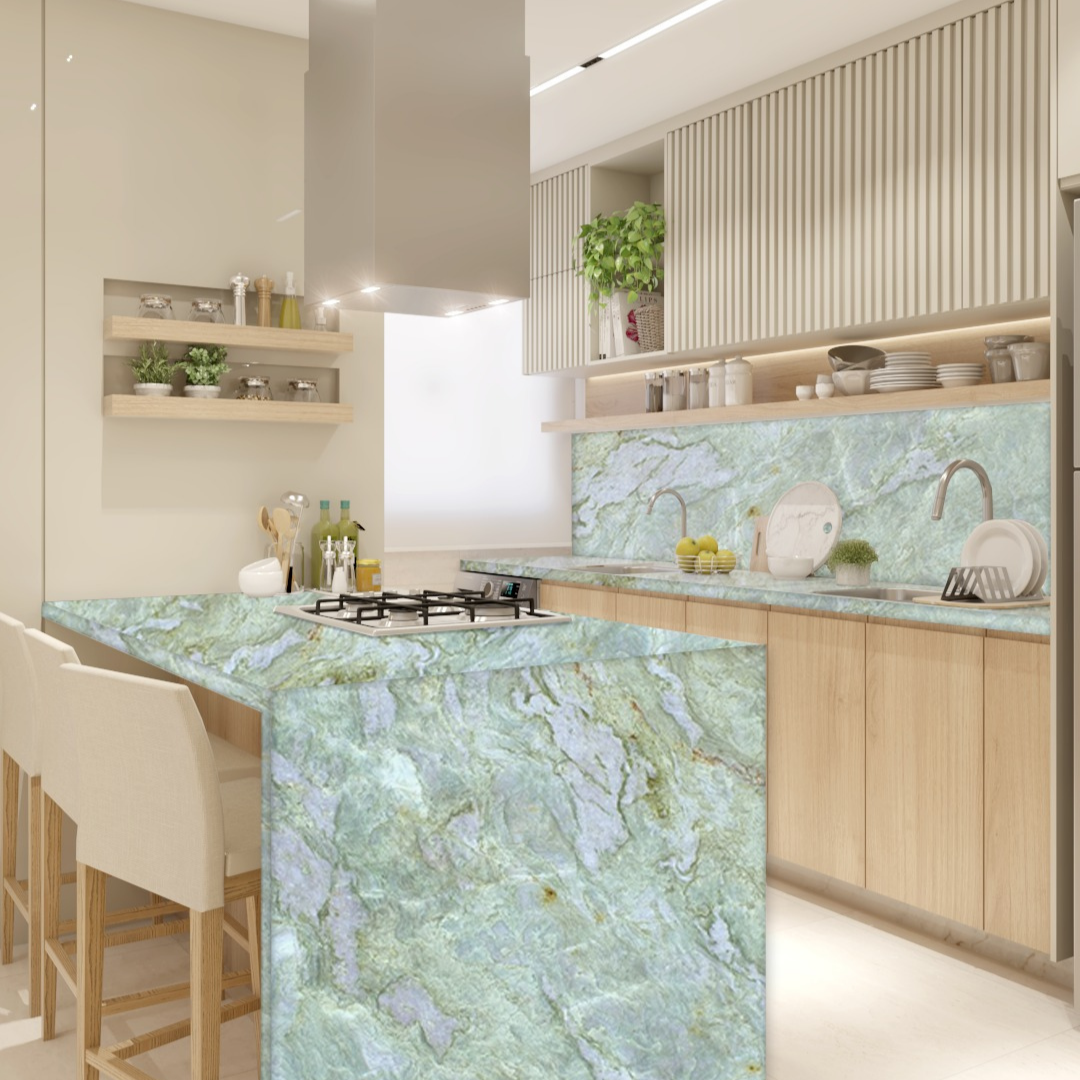
Natural stone, including granite, marble, and quartzite, is revered for its timeless beauty and unique patterns. Each slab is one-of-a-kind, offering distinctive veining and color variations. While natural stone is durable, it typically requires regular maintenance to prevent stains and etching, especially in high-use areas like kitchens and bathrooms. Nonetheless, its aesthetic appeal makes it a popular choice for countertops, flooring, and accent walls.
2. Benefits of Mixed-Material Designs
Integrating quartz, porcelain, and natural stone in a single project offers numerous advantages:
- Visual Interest: Mixing materials creates depth and intrigue, allowing designers to play with textures, colors, and patterns.
- Functional Versatility: Different materials serve specific purposes; for instance, quartz is excellent for countertops, while porcelain may be better suited for flooring.
- Cost-Effectiveness: By using a combination of materials, designers can allocate their budget more effectively, choosing premium options where they matter most.
- Enhanced Durability: Each material brings its own strengths, contributing to a more resilient overall design.
- Timeless Appeal: Mixed-material designs can transcend trends, offering a classic and sophisticated look.
3. Design Ideas for Mixed-Material Projects
Now that we’ve established the benefits, let’s explore some innovative design ideas that effectively combine quartz, porcelain, and natural stone.
3.1 Kitchen Applications
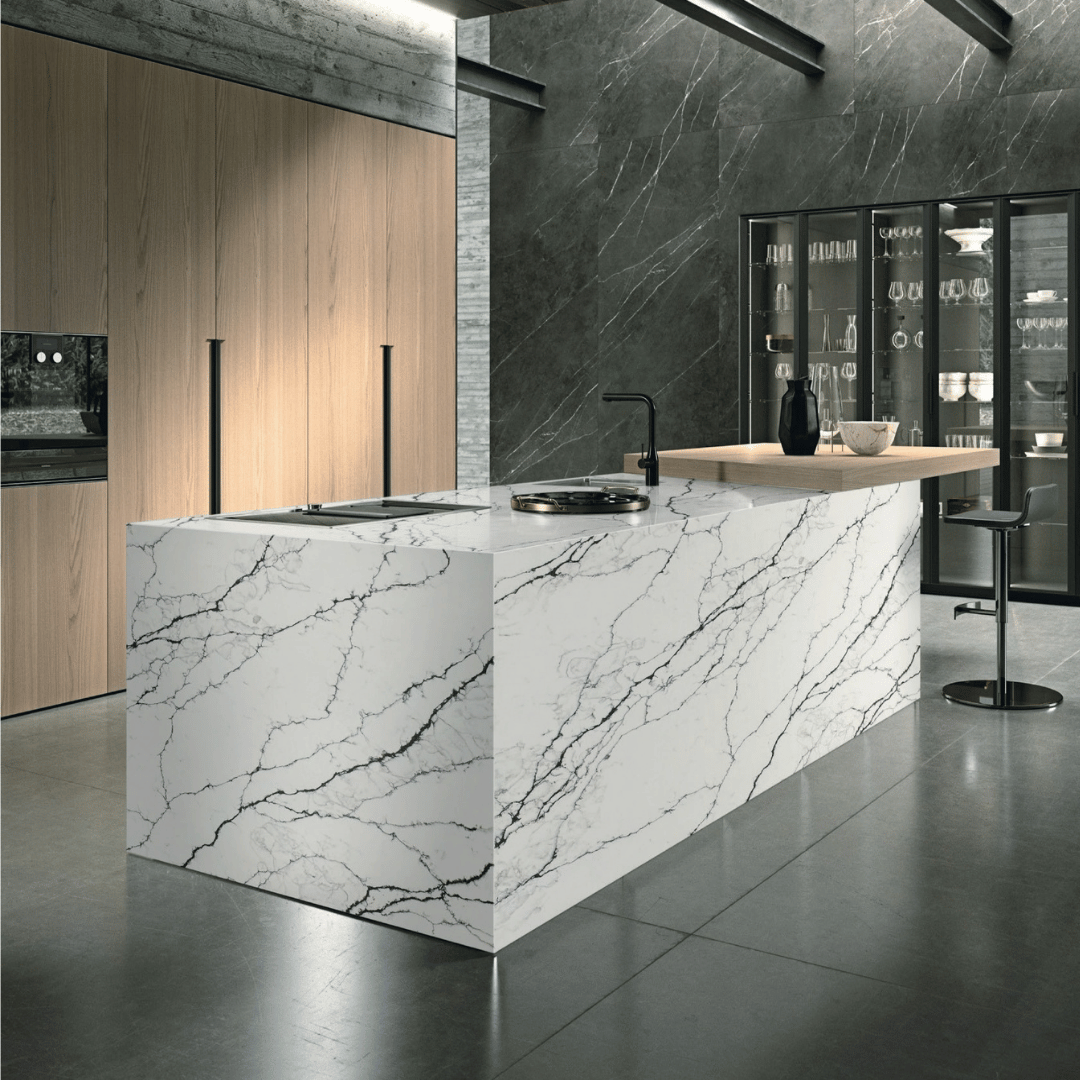
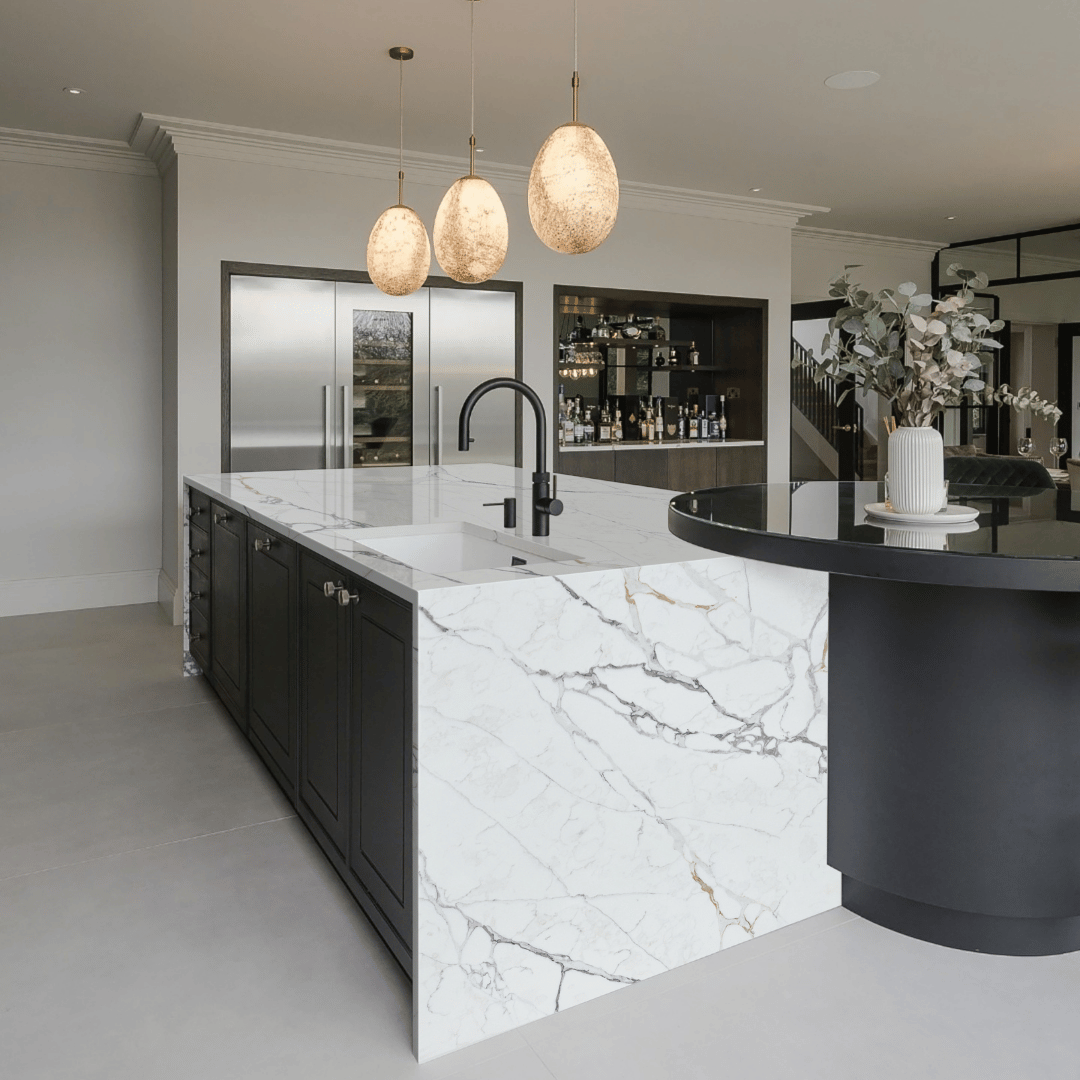
In the kitchen, mixed materials can be used to create stunning countertops, backsplashes, and islands.
Example:
A kitchen featuring a quartz countertop paired with a porcelain backsplash offers a sleek, modern look. The durability of quartz ensures that the workspace remains functional, while the porcelain adds visual interest with its varied patterns.
3.2 Bathroom Designs
Bathrooms are another area where mixed-material designs shine.
Example:
Consider a bathroom vanity made of natural stone with a quartz countertop. The natural stone provides a luxurious feel, while the quartz adds practicality and ease of maintenance. Porcelain tiles can complete the look, offering a cohesive design that is both stylish and functional.
3.3 Living Spaces
In living areas, mixing materials can create a sophisticated ambiance.
Example:
A fireplace surround made of natural stone can be complemented with quartz shelving and porcelain flooring. This combination not only enhances the aesthetic appeal but also ensures that each material serves its purpose effectively.
4. Practical Tips for Implementation
Successfully executing a mixed-material design requires careful planning and consideration.
4.1 Choose a Focal Point
Select a primary material to serve as the focal point of the design. This could be a striking quartz countertop or a beautifully veined natural stone feature wall.
4.2 Consider Color Schemes
When mixing materials, it’s important to choose a cohesive color palette. Consider using a color wheel to select complementary hues that enhance the overall design.
4.3 Texture Variation
Incorporate different textures to add depth to the design. For example, pairing the smooth surface of quartz with the rough texture of natural stone creates a visually engaging contrast.
4.4 Plan for Maintenance
Different materials require varying levels of maintenance. Be sure to account for this when designing your space, especially in high-traffic areas.
5. Case Studies
Examining successful mixed-material projects can provide valuable insights into best practices.
5.1 Residential Kitchen Remodel
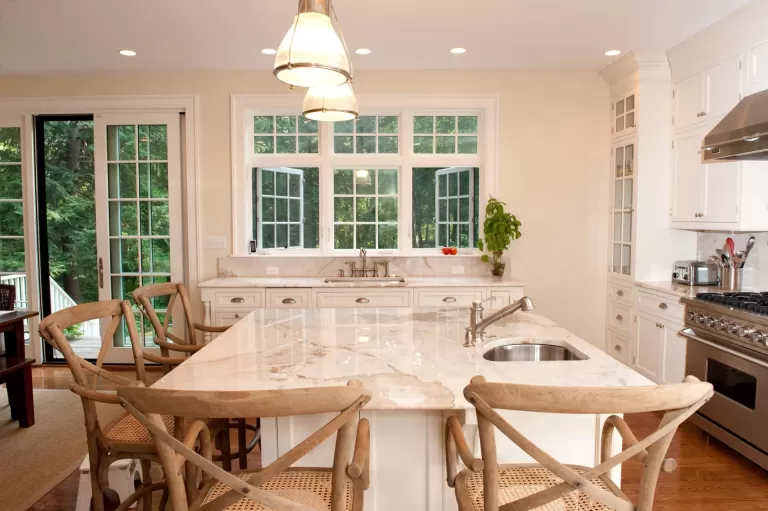
A recent residential kitchen remodel featured a combination of quartz and porcelain. The homeowner chose a white quartz countertop with subtle gray veining, paired with large-format porcelain tiles for the flooring. The result was a bright, airy kitchen that was both practical and stylish.
5.2 Commercial Space Design
In a commercial setting, a restaurant utilized natural stone for its bar top while incorporating porcelain tiles for the flooring. The natural stone provided a warm, inviting atmosphere, while the porcelain ensured durability in a high-traffic area.
6. FAQs
What are the best materials to use in mixed-material designs?
The best materials often include quartz, porcelain, and natural stone due to their unique properties and aesthetic appeal.
How can I choose the right materials for my project?
Consider the functionality, maintenance requirements, and aesthetic preferences when selecting materials for your mixed-material design.
Are mixed-material designs more expensive?
While they can be, careful planning allows for budget allocation to maximize the impact of the materials used.
What maintenance do quartz, porcelain, and natural stone require?
Quartz is low-maintenance, porcelain is durable and easy to clean, while natural stone requires regular sealing and care.
Can I mix colors and patterns?
Yes, mixing colors and patterns can enhance the visual interest of your design, but it’s important to maintain a cohesive palette.
What are some popular applications for mixed-material designs?
Common applications include kitchens, bathrooms, living spaces, and commercial environments.
How do I ensure durability in my mixed-material design?
Choose high-performance materials and consider their placement based on their durability and maintenance needs.
Where can I find premium materials for my project?
For premium quartz, porcelain, and natural stone slabs, visit Builder Stone Global’s live inventory for a wide selection.
Conclusion
Incorporating mixed materials like quartz, porcelain, and natural stone into a single project not only enhances the aesthetic appeal of the space but also offers functional benefits. By understanding the unique characteristics of each material and following practical implementation tips, homeowners and designers can create stunning environments that reflect their personal style. For those looking to elevate their projects with premium quality materials, Builder Stone Global is here to assist. Call +1 470-551-2092 to speak with our surface specialists and explore our vast selection of architectural surface materials.