The Ultimate Guide to Material Selection for Kitchen Usage Patterns
The Ultimate Guide to Material Selection for Kitchen Usage Patterns
Choosing the right materials for your kitchen surfaces is a crucial decision that impacts both functionality and aesthetics. As a kitchen serves as the heart of the home, the material selection should reflect not only personal style but also lifestyle and usage patterns. In this comprehensive guide, we will delve into how to select the best materials based on your lifestyle, kitchen usage patterns, and the various options available, such as quartz, porcelain, and natural stone slabs. By the end of this article, you will have a clear understanding of how to make informed decisions that align with your needs and preferences.
Understanding Your Lifestyle and Kitchen Usage Patterns
Your lifestyle plays a significant role in determining the appropriate materials for your kitchen surfaces. Factors such as how often you cook, whether you have children or pets, and your design preferences can guide your choices. Here are some common kitchen usage patterns to consider:
- Frequent Cooking: If you are an avid cook, you will want materials that can withstand heat, stains, and scratches.
- Family-Friendly: Homes with children and pets require durable, easy-to-clean surfaces to handle spills and wear.
- Entertaining: If you often host gatherings, consider materials that enhance aesthetics while being easy to maintain.
- Minimalist Lifestyle: For those who prefer a clean and uncluttered space, sleek materials with low maintenance are ideal.
Identifying your primary kitchen usage patterns will help narrow down your material choices, ensuring they meet both functional and aesthetic needs.
Key Material Options for Kitchen Surfaces
When selecting materials for your kitchen, options abound. Here are some of the most popular choices:
Quartz
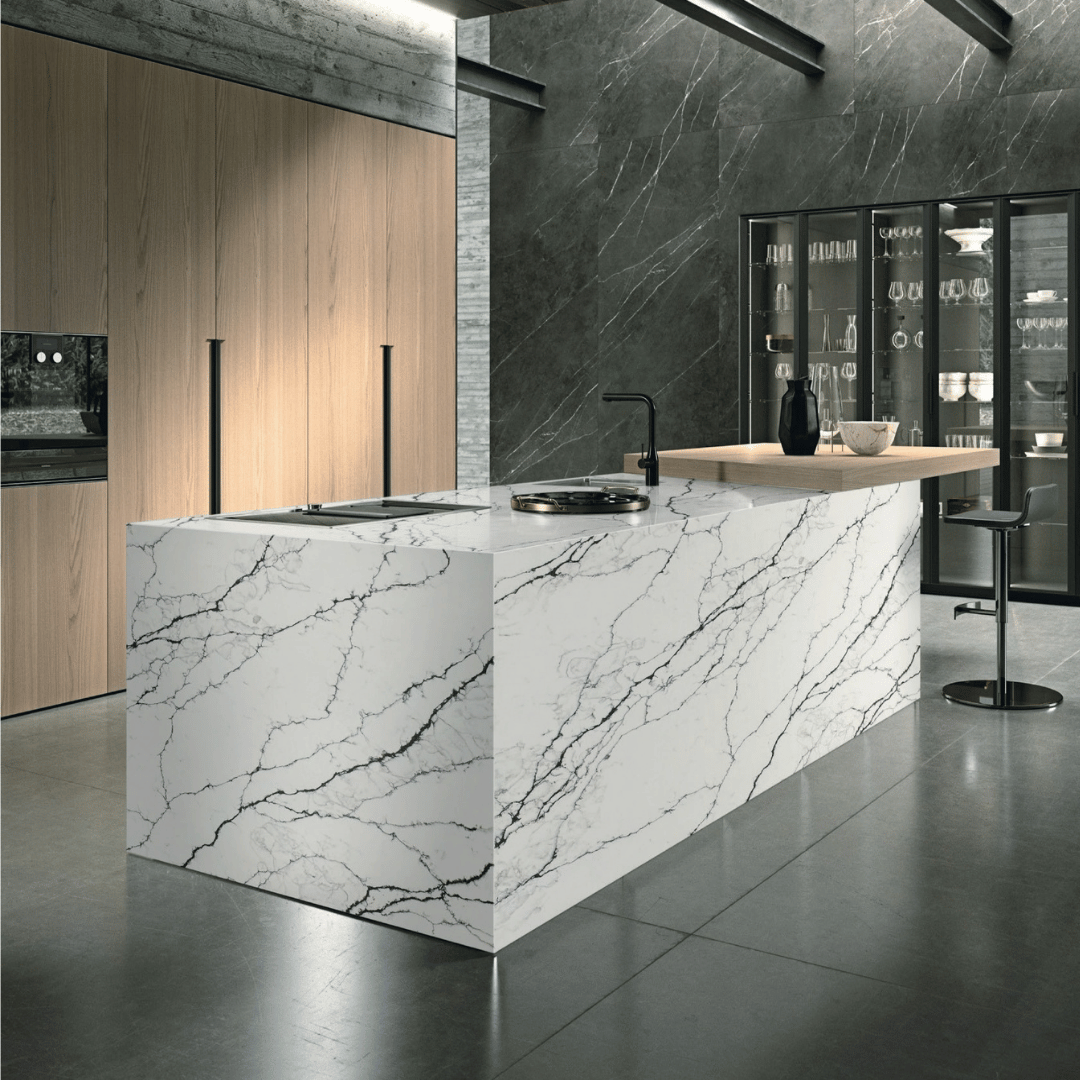
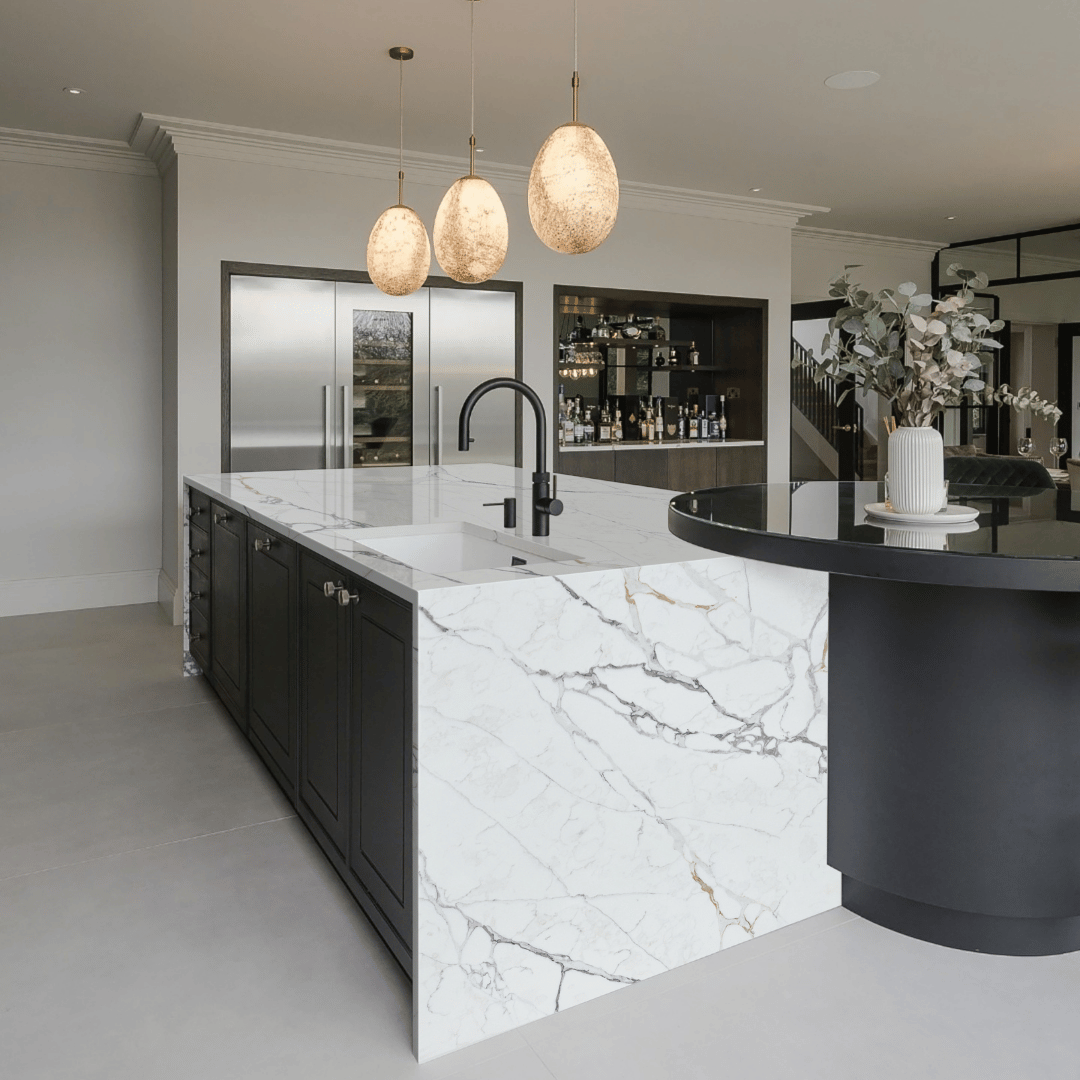
Engineered quartz is a versatile option known for its durability and low maintenance. It is non-porous, making it resistant to stains and bacteria, which is ideal for busy kitchens. Available in a wide range of colors and patterns, quartz can mimic the look of natural stone without the upkeep.
Porcelain
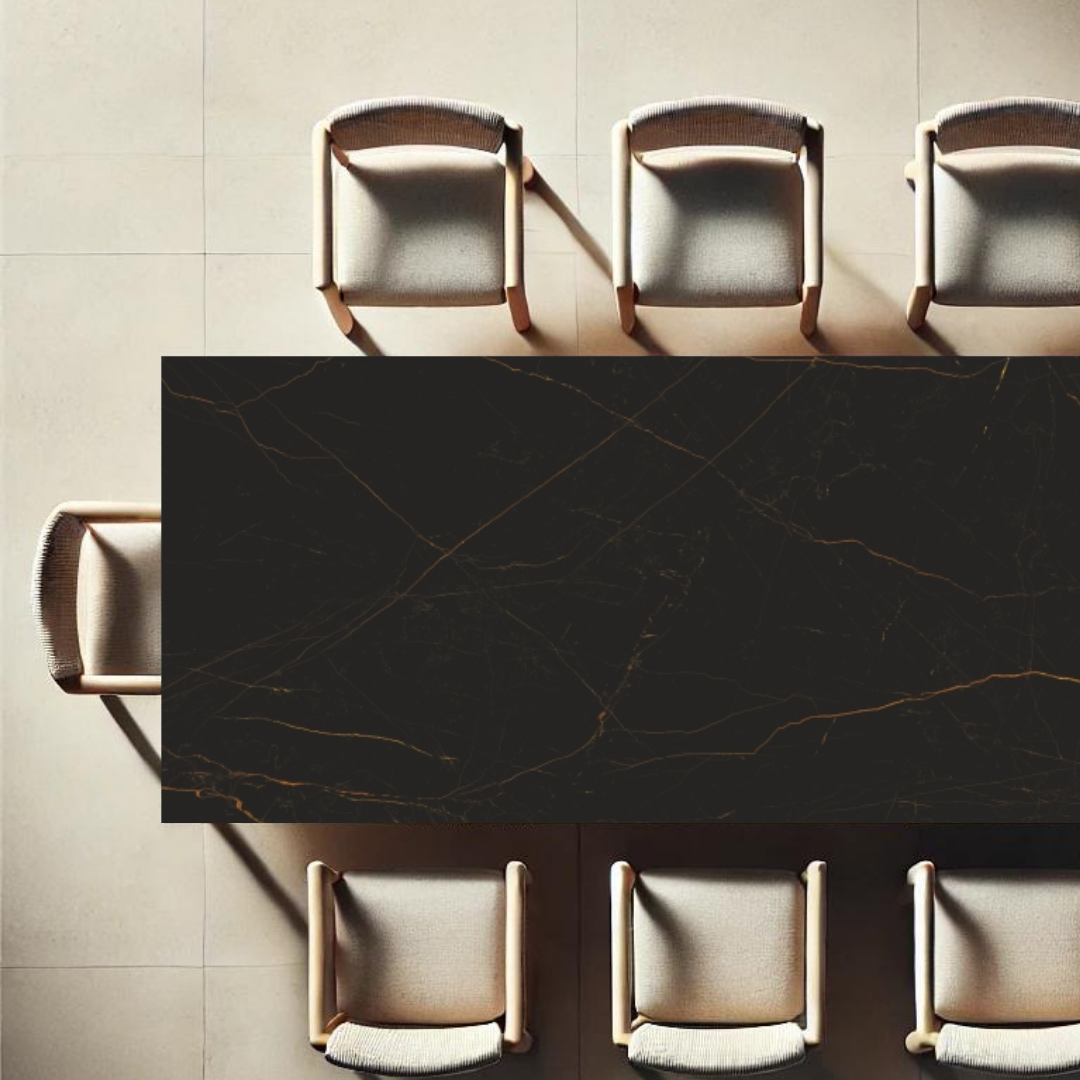
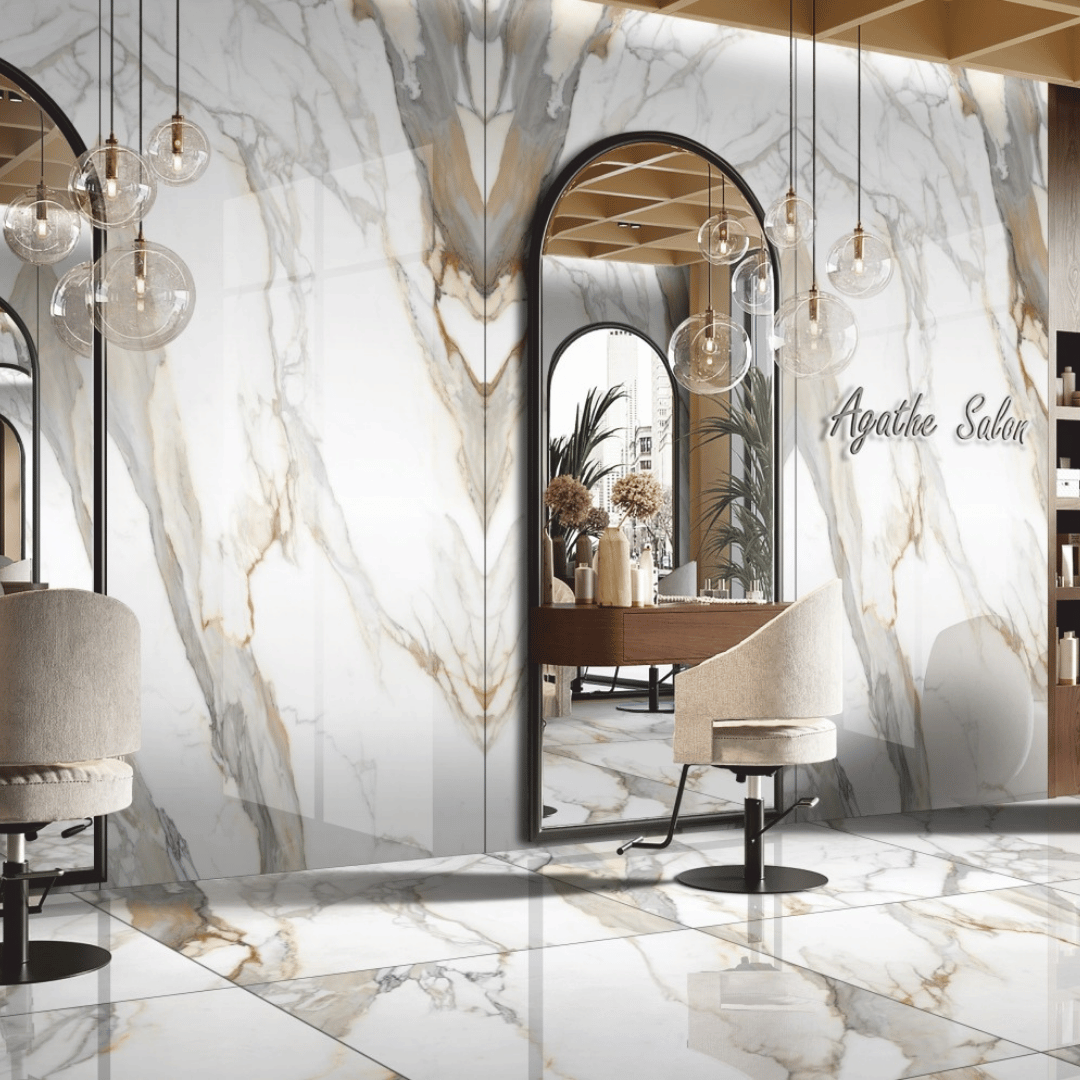
Porcelain slabs are gaining popularity for their exceptional durability and resistance to heat and scratches. They are available in large formats, making them ideal for seamless surfaces. With a variety of finishes and colors, porcelain can complement any design style.
Natural Stone
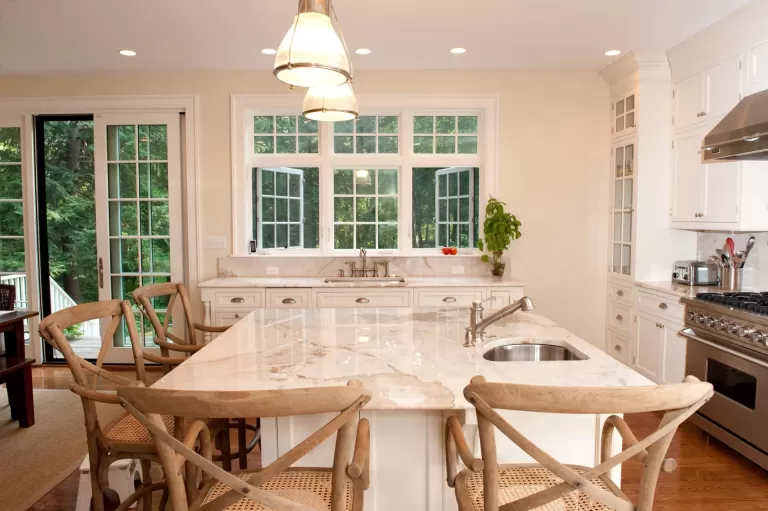
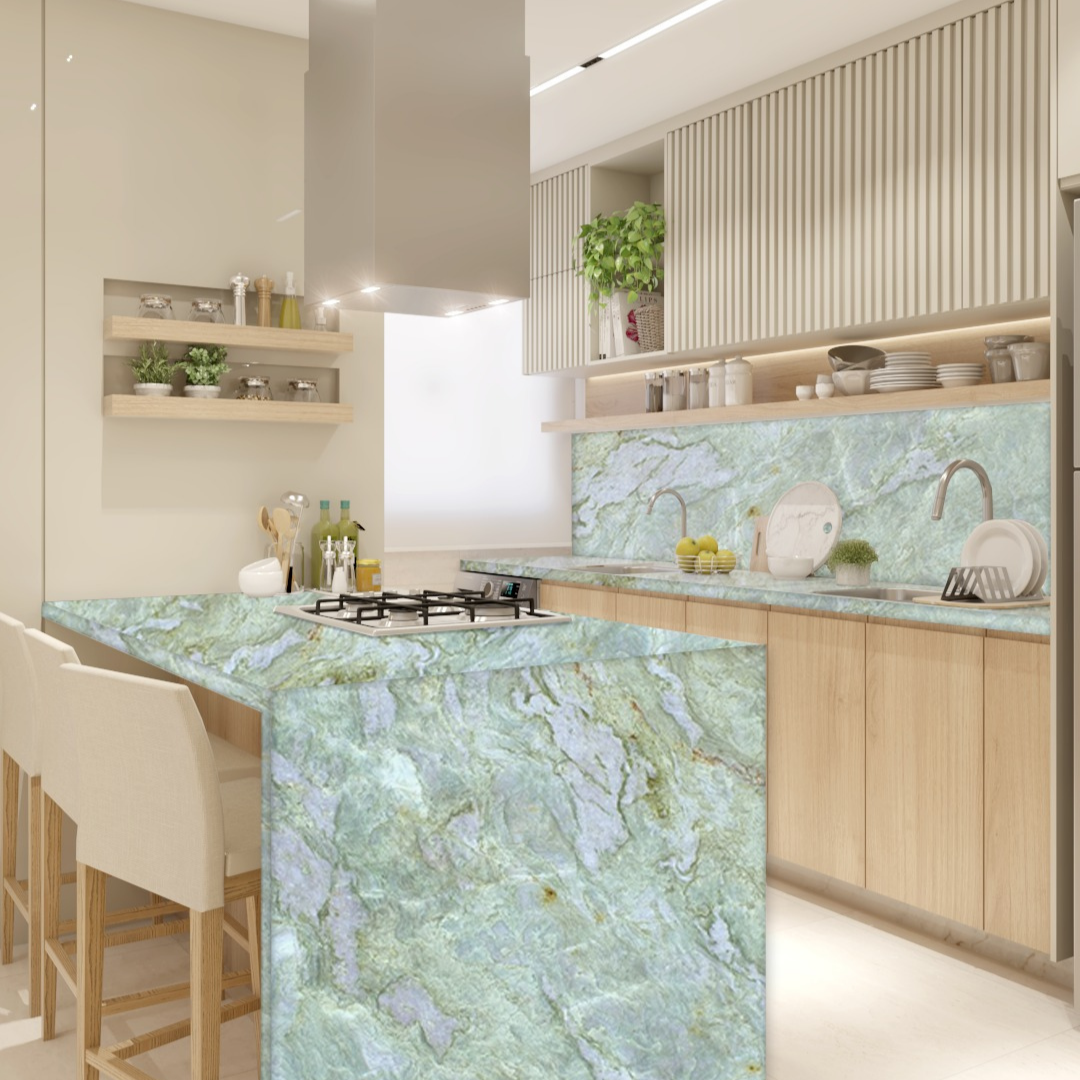
Natural stone options, such as granite and quartzite, offer a unique, luxurious aesthetic. Each slab is one-of-a-kind, providing character and charm. However, they require regular sealing to maintain their appearance and prevent stains.
Wood
Wood surfaces, such as butcher block countertops, add warmth and a rustic feel to kitchens. While they require more maintenance than stone surfaces, they can be sanded and refinished over time.
Concrete
Concrete countertops are a modern choice that can be customized in terms of color and finish. They are durable but can be prone to scratches and staining if not sealed properly.
Comparing Materials: Pros and Cons
| Material | Pros | Cons |
|---|---|---|
| Quartz | Durable, non-porous, low maintenance, wide color range | Can be more expensive than other options |
| Porcelain | Heat resistant, scratch resistant, large format available | Limited repair options if damaged |
| Granite | Unique beauty, heat resistant, durable | Requires regular sealing, can be heavy |
| Wood | Warmth, can be refinished, good for food prep | Higher maintenance, can scratch and stain |
| Concrete | Customizable, modern look, durable | Can crack, requires sealing |
Expert Tips for Material Selection
Selecting the right material for your kitchen surfaces goes beyond aesthetics. Here are some expert tips to guide your decision:
1. **Assess Your Cooking Habits:** If you frequently cook with high heat, materials like quartz or porcelain are preferable.
2. **Evaluate Maintenance Needs:** Consider how much time you are willing to dedicate to caring for your surfaces. Materials like quartz and porcelain require less upkeep compared to natural stone.
3. **Factor in Aesthetics:** Choose colors and patterns that resonate with your personal style and harmonize with your overall kitchen design. Visit our live inventory to explore a variety of options.
4. **Think About Longevity:** Invest in high-performance surfaces that will withstand the test of time, both in terms of durability and style.