



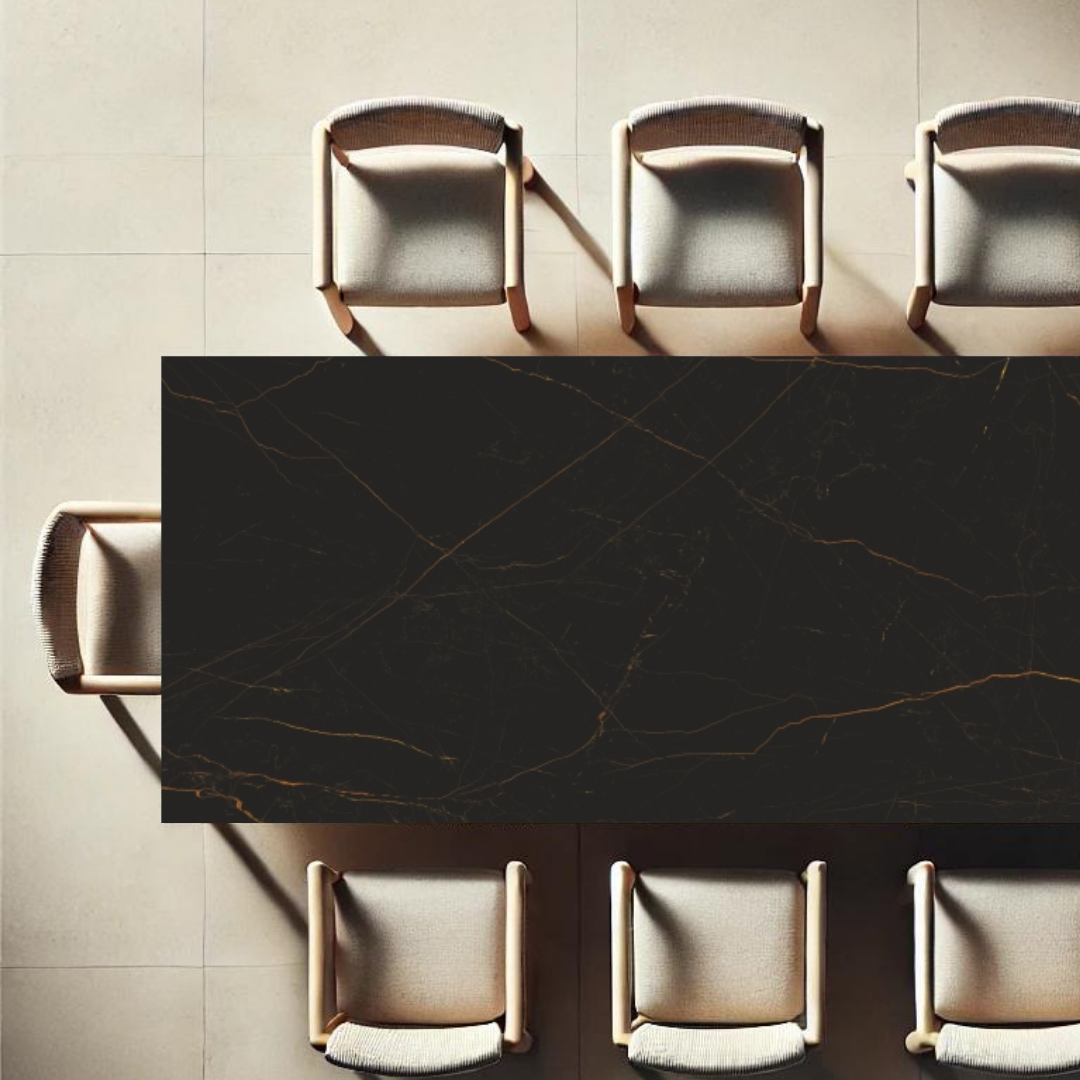


Countertop Seams 101: How to Plan Seam Placement Like a Pro
Countertop Seams 101: How to Plan Seam Placement Like a Pro
When it comes to countertop installation, seams can be a significant consideration for both aesthetics and functionality. Understanding how to properly plan seam placement is essential for achieving a flawless finish in your kitchen or bathroom. In this article, we’ll explore the various aspects of countertop seams, including why they matter, how to plan for them, and tips for ensuring that your seams are as discreet and seamless as possible.
Why Seam Placement Matters
Seams are necessary when working with large slabs of material, as most countertops are made from sheets that are not large enough to cover the entire surface area. Proper seam placement can enhance the overall appearance of your countertop while also ensuring structural integrity. Here are key reasons why seam placement is crucial:
- Aesthetic Appeal: A well-placed seam can blend into the design of your countertop, while a poorly placed seam can draw unwanted attention.
- Durability: Properly placed seams help maintain the strength of the countertop, reducing the risk of cracks or breaks.
- Ease of Maintenance: Seam placement can affect how easy it is to clean and maintain the surface.
Types of Countertop Materials and Their Seam Requirements
Different countertop materials have varying properties and requirements when it comes to seams. Here’s a quick overview:
- Quartz: Engineered quartz is non-porous and relatively easy to seam. Seam placement can often be hidden effectively.
- Granite: Natural stone seams can be more noticeable due to variations in color and pattern, necessitating careful planning.
- Marble: Similar to granite, marble requires careful seam placement to minimize the visual impact of natural veining.
- Laminate: Laminate seams are typically more visible, so placement is crucial for aesthetic purposes.
Planning Seam Placement: Key Considerations
When planning for seams, there are several factors to consider to ensure optimal results:
1. Layout and Design
Before installation, review the overall layout of your countertop. Consider how the seams will fit into the design. Seam placement should follow the natural flow of the countertop and complement existing features like sinks, cooktops, and edges.
2. Material Patterns
If you’re working with a material that has a distinct pattern, such as granite or marble, you’ll want to plan your seams to minimize the visual impact. Try to align seams with natural lines or veins in the stone to create a cohesive look.
3. Structural Considerations
Make sure to consult with your fabricator about the structural implications of your seam placements. Seams should be strategically placed in areas that will bear the least amount of stress.
4. Functional Areas
Consider the function of your countertop. For example, seams should ideally be placed away from areas that will experience heavy use, such as around sinks and cooktops.
5. Joint Width and Type
The width of the seam joint can also impact the overall look. Aim for a seam width that is as narrow as possible while still allowing for the necessary adhesive and support. Discuss with your fabricator about the best joint type for your material.
Best Practices for Seam Placement
To achieve the best results, keep the following best practices in mind:
- Work with Professionals: Always consult with experienced countertop fabricators or installers who understand the nuances of seam placement.
- Test with Samples: If possible, test seam placements with samples of your countertop material to visualize how they will appear in the final installation.
- Utilize Color-Matching Adhesives: Use color-matched adhesives to help blend seams and make them less noticeable.
- Align with Backsplashes: When possible, align seams with backsplashes or other architectural elements to create a seamless transition.
Conclusion
Proper seam placement is a critical aspect of countertop installation that can significantly affect the beauty and functionality of your surfaces. By considering the layout, patterns, and structural needs of your material, you can plan seams like a pro. Always work with experienced professionals to ensure that your seams are as discreet and durable as possible. If you’re ready to explore high-quality countertop options, contact Builder Stone Global today and let our surface specialists assist you in finding the perfect material for your project!
Frequently Asked Questions About Countertop Seams
1. How visible will my countertop seams be?
The visibility of seams depends on the material and the skill of the installer. Well-placed and finished seams can be quite discreet.
2. Can seams be repaired if they become damaged?
Yes, seams can often be repaired or re-seamed by professionals if they become damaged.
3. What’s the best way to clean seams?
Cleaning seams typically involves using a mild soap and water solution. Avoid harsh chemicals that can damage the adhesive.
4. How do I choose the right seam placement for my kitchen?
Consider the overall layout, patterns, and functional areas when choosing seam placement. Consulting with a professional can help!
5. Are there specific seam types for different materials?
Yes, each material may require a different seam type for optimal results. Discuss options with your fabricator.