
How Designers Choose Slabs in Norcross Showrooms: A Comprehensive Guide
How Designers Choose Slabs in Norcross Showrooms: A Comprehensive Guide
Choosing the right slabs for architectural projects is a crucial task for designers. In Norcross, GA, where Builder Stone Global operates, the process involves several considerations that ensure the selected materials align with the design vision and functional requirements. This article explores how designers navigate the slab selection process in showrooms, focusing on factors such as material properties, aesthetics, and logistical considerations.
Understanding the Importance of Material Selection
When it comes to architectural surfaces, the choice of materials plays a significant role in not only the visual appeal but also the durability and functionality of the space. Designers understand that premium quartz, porcelain, and natural stone slabs each have unique properties that can influence the overall design outcome.
1. Aesthetic Appeal
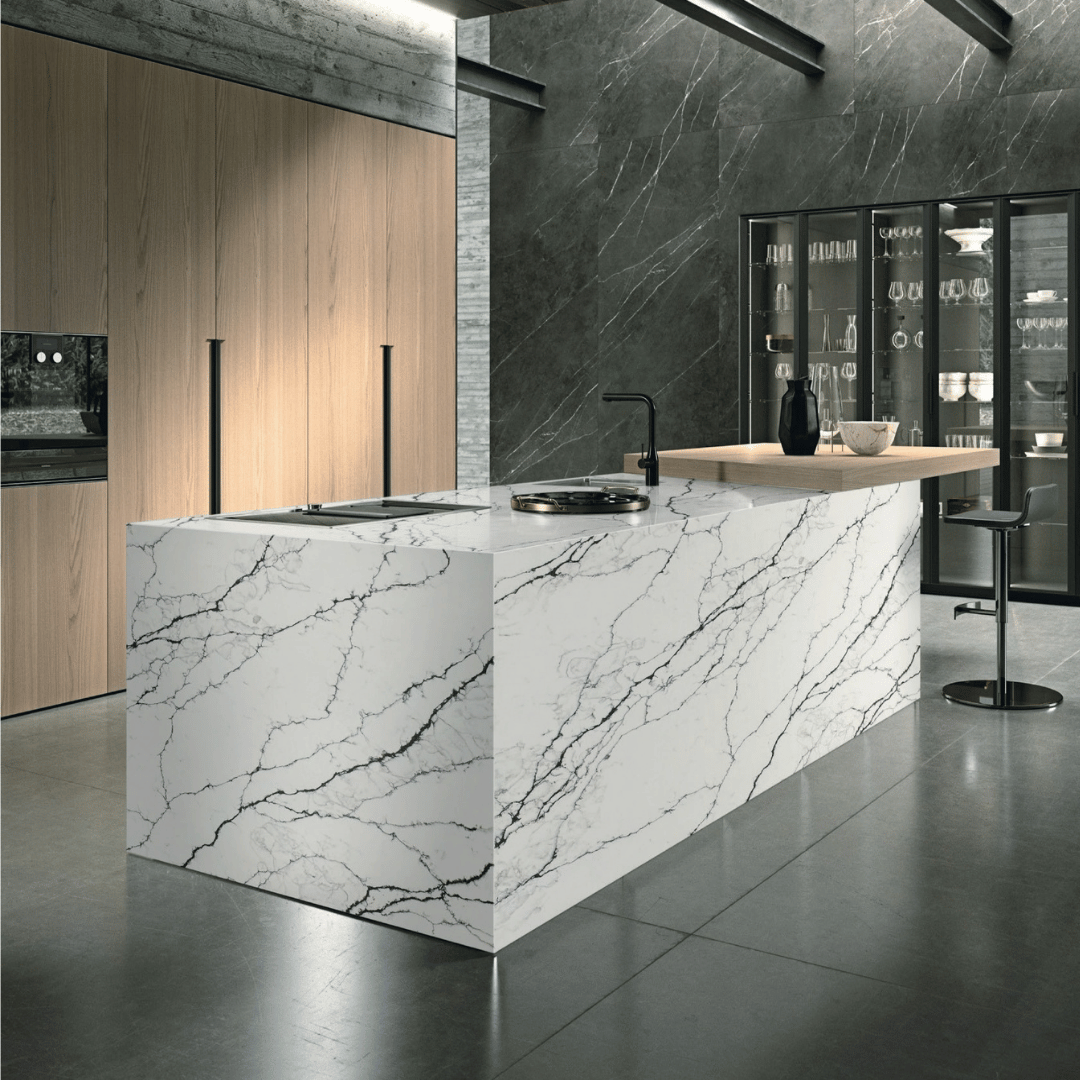
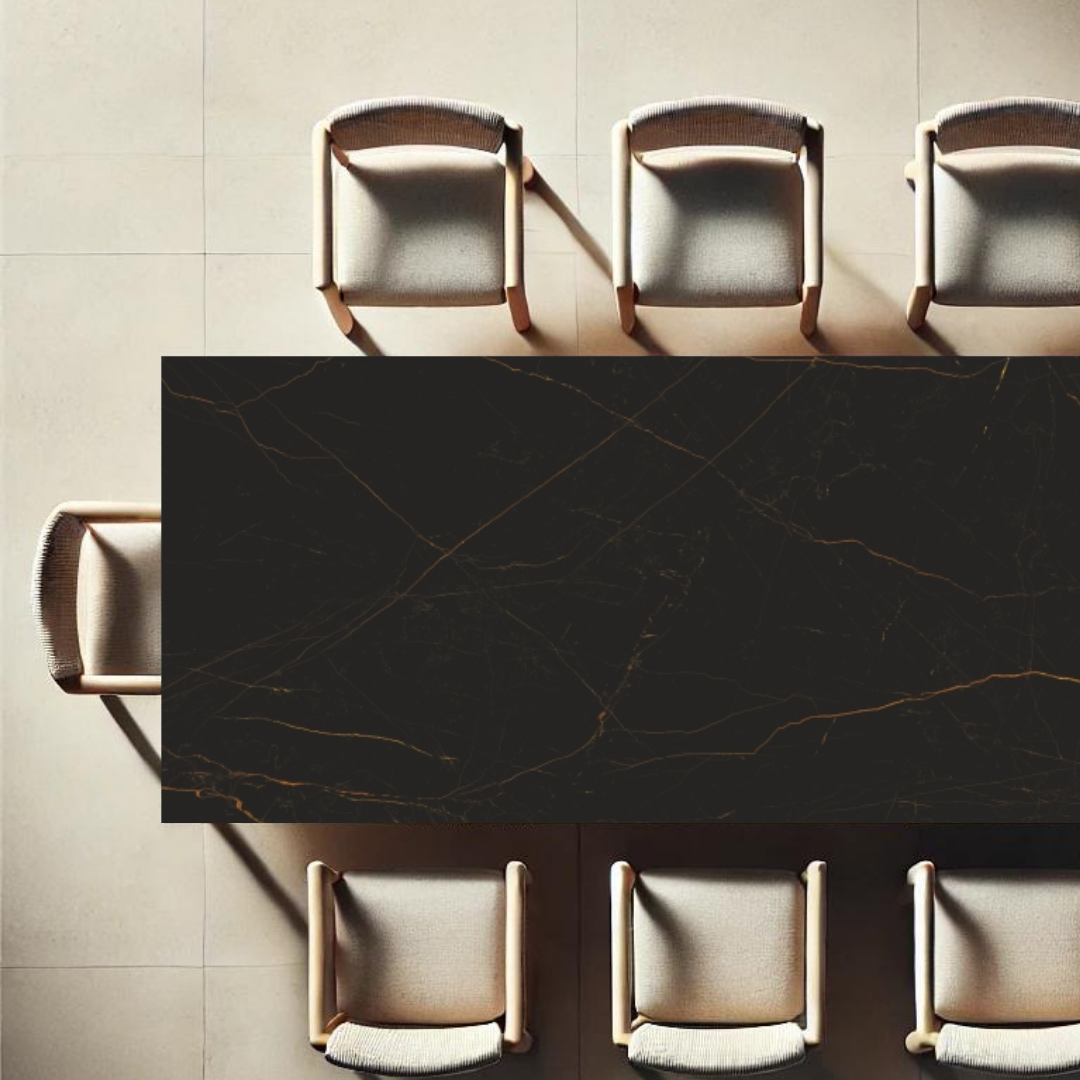
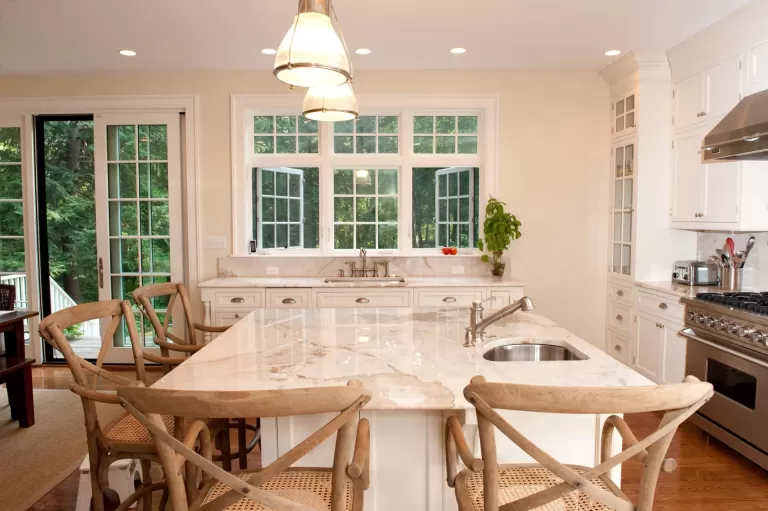
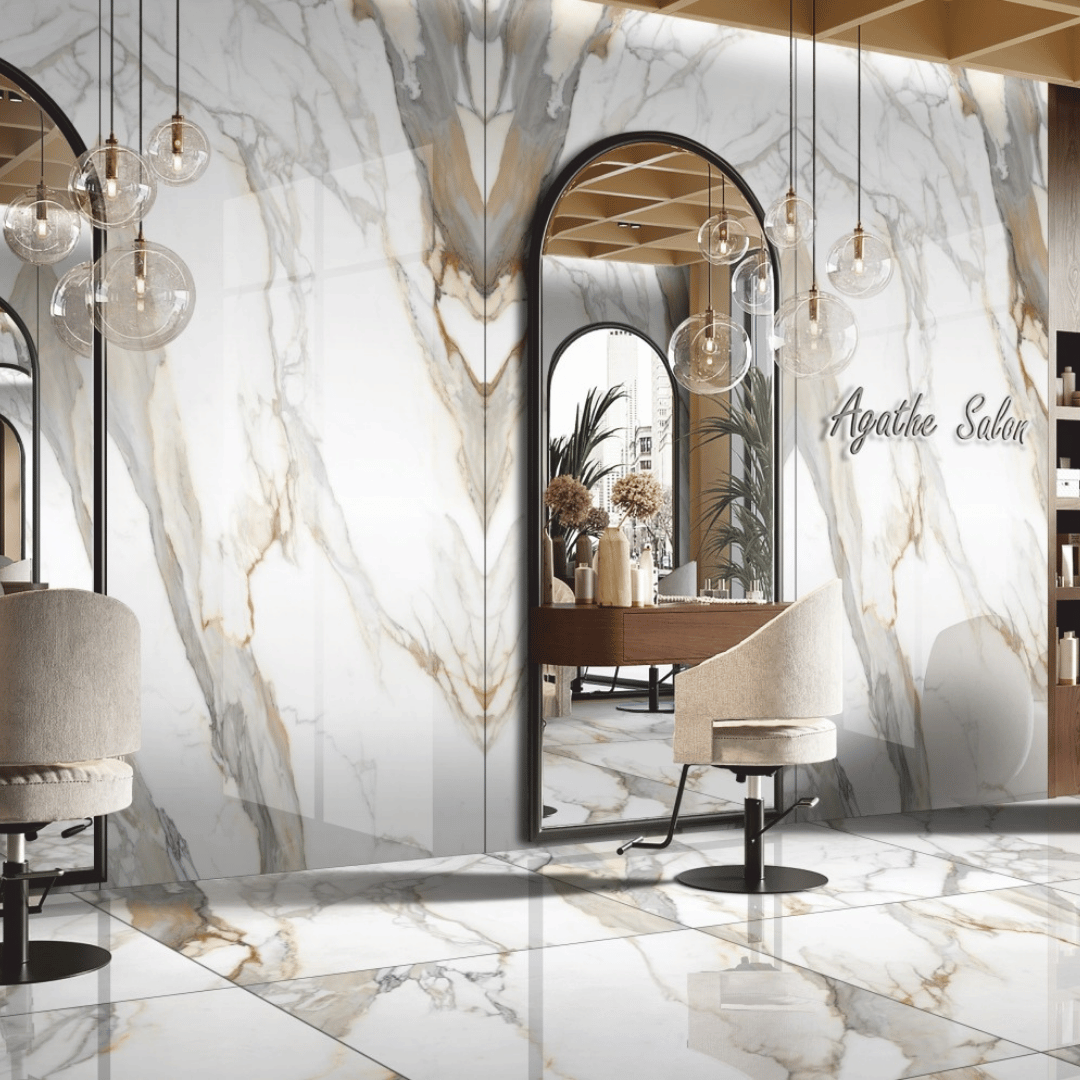
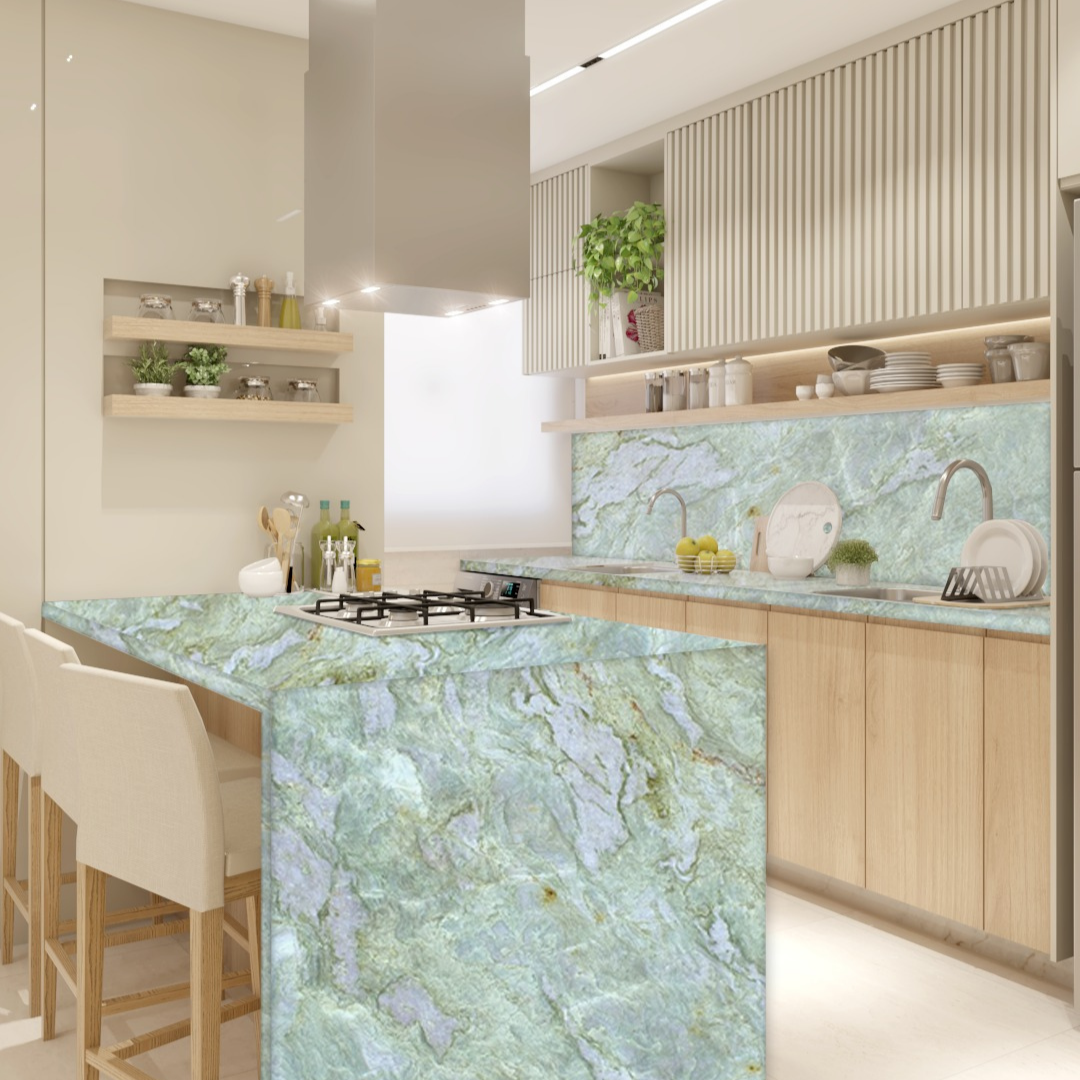
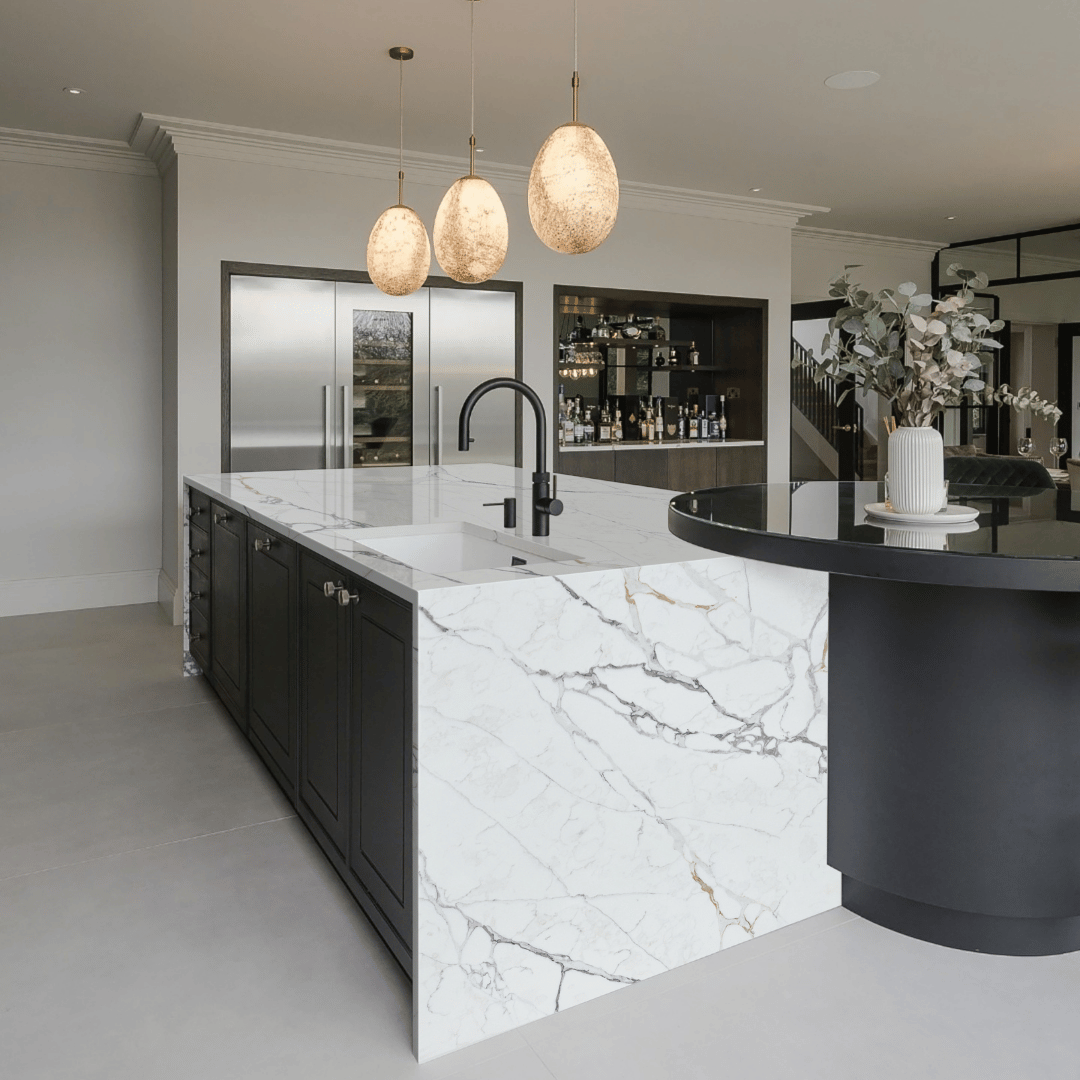
The first step in the slab selection process is to consider the aesthetic appeal of the material. Designers often visit showrooms to view slabs in person, as this allows them to appreciate the color, texture, and finish of each option. At Builder Stone Global, for example, designers can explore an extensive inventory of quartz, porcelain, quartzite, and granite slabs, all of which offer a range of colors and patterns that can complement various design styles.
2. Material Properties
Understanding the material properties is crucial for designers. Each type of slab has its own set of characteristics that can affect its performance in different applications:
- Quartz Slabs: Known for their durability and low maintenance, quartz slabs come in a variety of colors and patterns. Designers favor them for kitchen countertops due to their non-porous surface, which resists staining.
- Porcelain Slabs: High-performance porcelain slabs are appreciated for their large format and variety of finishes, including polished and matte. They are ideal for both interior and exterior applications, offering excellent resistance to heat and scratching.
- Natural Stone Slabs: Options like quartzite and granite provide unique, natural patterns that are sought after for their elegance. Designers often choose these materials for high-end applications where aesthetics are paramount.
Evaluating Performance and Functionality
Beyond aesthetics, designers must consider the performance and functionality of the slabs they choose. This includes factors such as durability, maintenance requirements, and how the slabs will hold up under different conditions.
3. Durability and Maintenance
Designers often inquire about the durability of slabs, as this can significantly impact the longevity of the installation. For instance, porcelain slabs are highly durable and resistant to scratches and stains, making them suitable for high-traffic areas. On the other hand, while natural stones like granite are durable, they may require periodic sealing to maintain their appearance.
4. Heat and Moisture Resistance
In kitchens and bathrooms, slabs must withstand heat and moisture. Designers often choose materials that offer excellent heat resistance, such as porcelain, which can handle hot cookware without damage. Understanding moisture resistance is also vital, especially in bathrooms, where humidity levels are higher.
Logistical Considerations
Once the aesthetic and performance factors are evaluated, designers must consider logistical aspects of slab selection, including availability, lead times, and delivery.
5. Inventory Availability
In Norcross, designers can check live inventory at Builder Stone Global to ensure the slabs they are interested in are readily available. This immediate access to inventory helps designers make informed decisions and avoid project delays.
6. Lead Times and Delivery Options
Designers need to be aware of lead times for slab orders, especially if the project timeline is tight. Builder Stone Global offers regional logistics with nationwide shipping, providing designers with flexibility in sourcing materials for their projects.
Collaboration with Fabricators and Contractors
Another key aspect of slab selection is collaboration with fabricators and contractors. Designers often consult with these professionals to discuss the practical implications of their choices.
7. Fabricator Requirements
Different slabs may have specific fabrication requirements. Designers must communicate with fabricators to understand how the chosen slabs can be cut, shaped, and installed. This collaboration ensures that the design vision is executed correctly without compromising the material’s integrity.
Conclusion
Choosing slabs in Norcross showrooms involves a thoughtful process that balances aesthetic appeal with practical performance. By considering key factors such as material properties, durability, and logistical elements, designers can make informed selections that enhance their projects. At Builder Stone Global, the extensive inventory of premium quartz, porcelain, and natural stone slabs empowers designers to find the perfect match for their architectural visions. Whether for a kitchen renovation or a commercial project, the right slabs can elevate the design and functionality of any space.
Call to Action
If you’re a designer looking for premium slab options, call +1 470-551-2092 to speak with our surface specialists, check our live inventory, or visit our Norcross showroom to explore our extensive collections.