

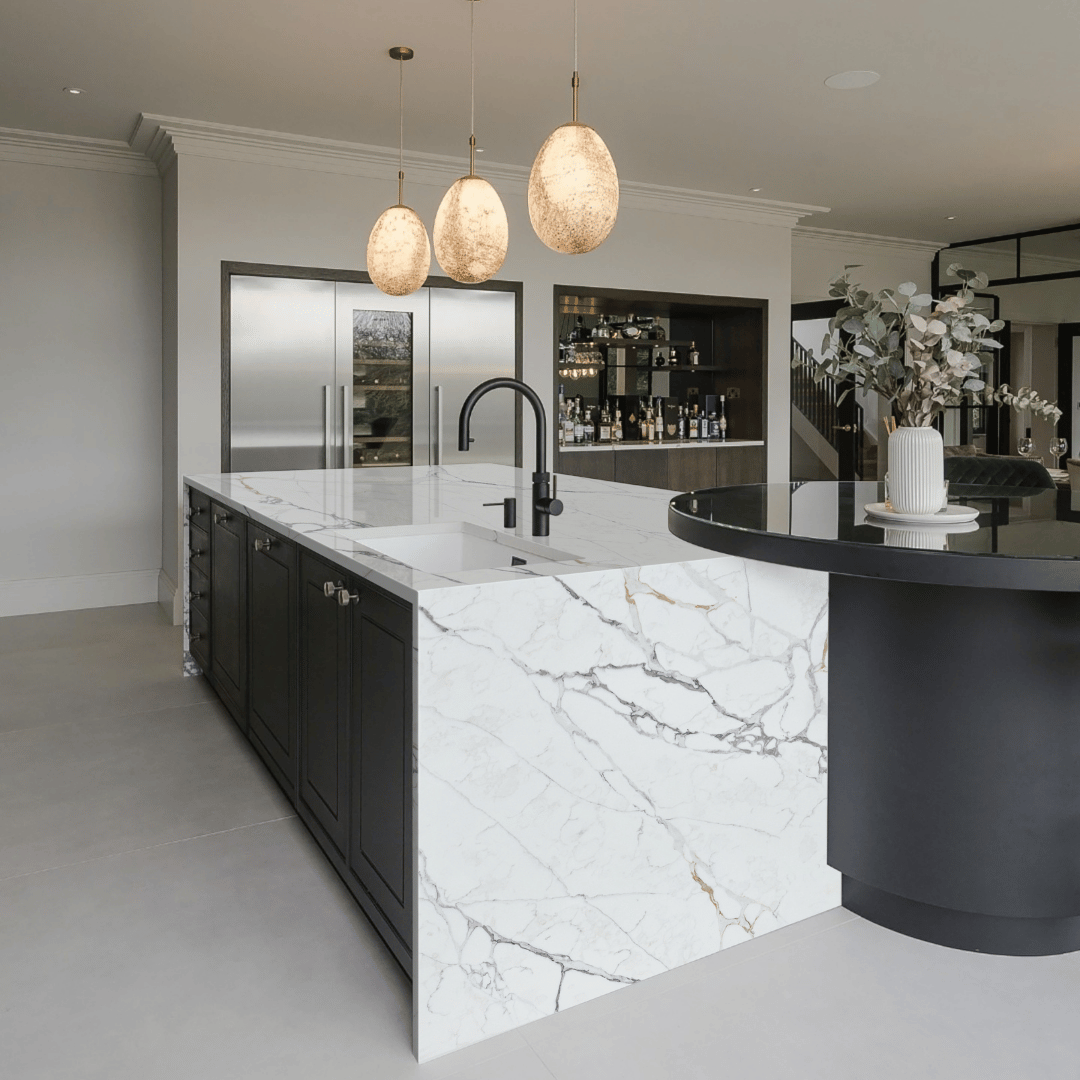
Top Slab Design Mistakes in Georgia Kitchens: Avoiding Common Pitfalls for a Flawless Finish
Top Slab Design Mistakes in Georgia Kitchens: Avoiding Common Pitfalls for a Flawless Finish
Designing a kitchen can be an exhilarating yet daunting task, especially when it comes to selecting the perfect slabs for countertops, backsplashes, and islands. In Georgia, where the architectural style varies from traditional to contemporary, it is crucial to make informed decisions to achieve a cohesive and aesthetically pleasing kitchen. This article will explore the top slab design mistakes commonly made in Georgia kitchens and provide valuable insights on how to avoid them.
1. Ignoring the Importance of Color Coordination
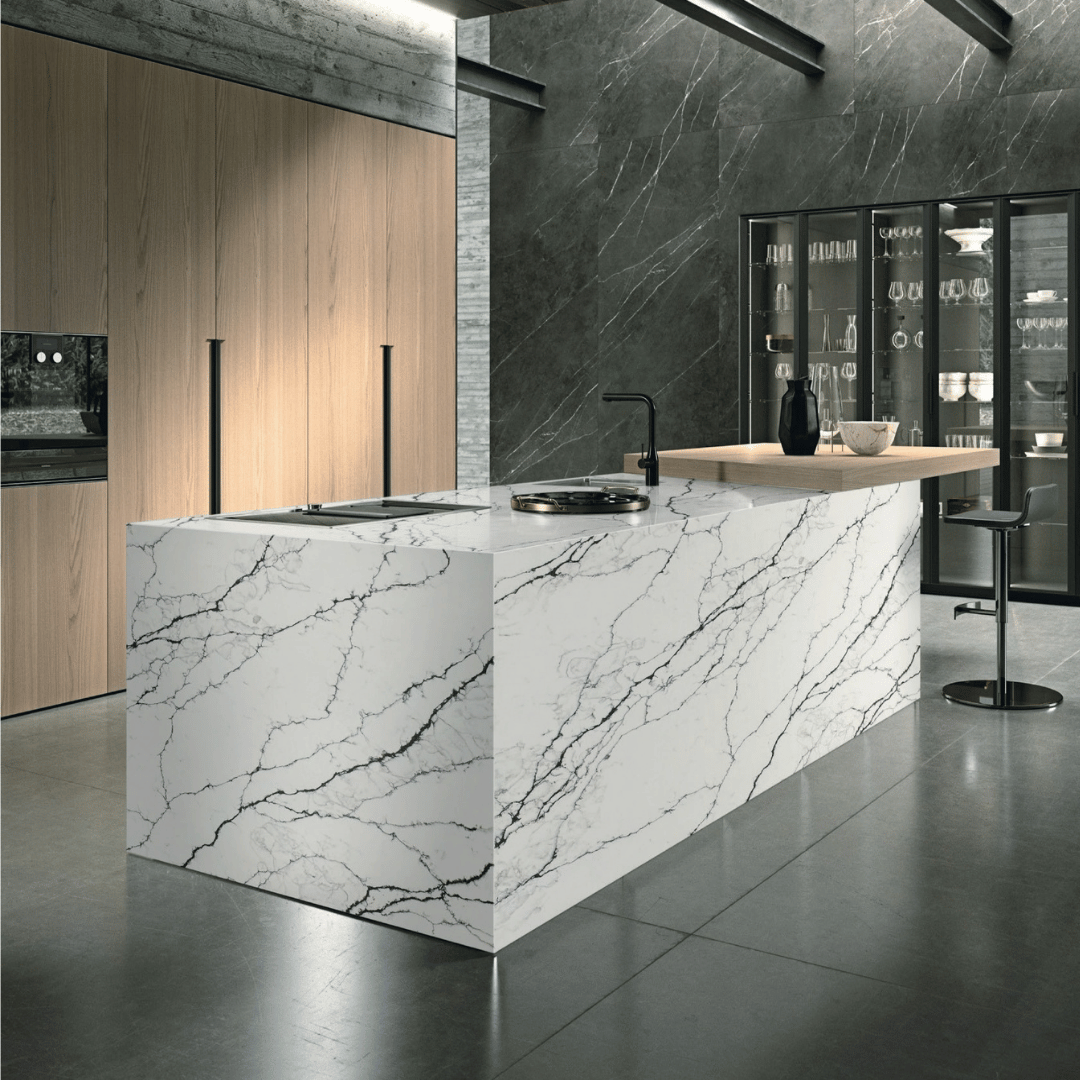
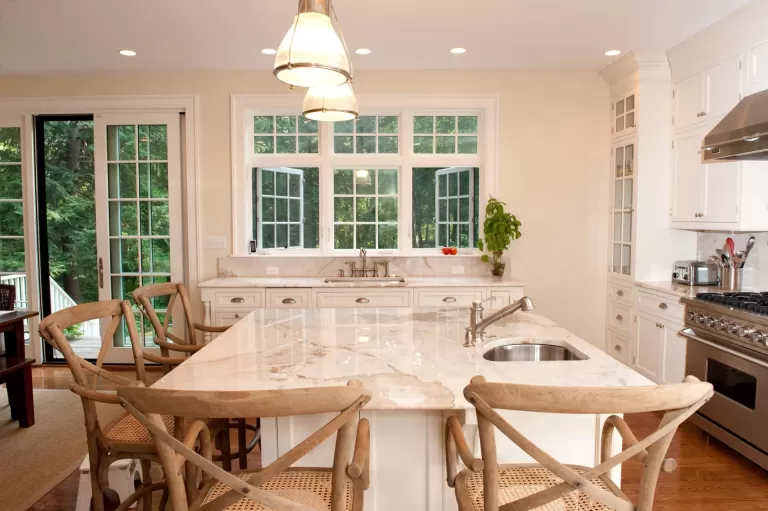
One of the most significant mistakes homeowners make is neglecting to coordinate the colors of the slabs with the overall kitchen design. The color palette should complement cabinetry, flooring, and wall colors. For instance, a stark white quartz slab may clash with warm-toned wood cabinets, creating a disjointed look. To avoid this mistake, consider bringing in color swatches and samples of cabinetry and flooring when selecting slabs. This way, you can visualize how different colors interact in the space.
2. Overlooking Slab Size and Scale
Another common error is failing to account for the size and scale of the slabs in relation to the kitchen layout. Large format slabs can create a stunning visual impact, but if they are too large for a small kitchen, they may overwhelm the space. Conversely, using small tiles in a spacious kitchen can make it feel fragmented. It’s essential to consider the dimensions of your kitchen and select slabs that enhance its proportions. Consulting with a design professional can help ensure the right scale is achieved.
3. Neglecting Functionality and Durability
While aesthetics are important, many homeowners make the mistake of prioritizing looks over functionality when selecting slab materials. For example, some may choose beautiful but high-maintenance materials that are not suited for everyday use in a busy kitchen. In Georgia, where humidity can affect certain materials, it’s crucial to select slabs that are durable and easy to maintain. Opt for quartz or porcelain slabs that offer both beauty and performance, minimizing the risk of chipping, scratching, or staining.
4. Misjudging the Lighting
Lighting is a critical element that can dramatically affect how slabs appear in your kitchen. Many homeowners fail to consider the natural and artificial lighting in their space, leading to poor color choices. For instance, a slab that looks stunning in a showroom under bright lights may appear dull or washed out in your kitchen. Always test slab samples in the actual kitchen environment under different lighting conditions to ensure you achieve the desired effect.
5. Inadequate Edge Profile Selection
The edge profile of a slab is often overlooked, yet it plays a crucial role in the overall design. Choosing a poorly suited edge profile can undermine the elegance of your kitchen design. For example, a thick, beveled edge may add a traditional touch to a modern kitchen, creating a visual disconnect. It’s essential to select an edge profile that complements the slab style and the overall design theme of the kitchen. Consult with your fabricator for recommendations that align with your design vision.
6. Failing to Plan for Seam Placement
When working with large slabs, it’s vital to plan for seam placement in advance. Many homeowners are surprised to find seams in prominent areas of their countertops, which can disrupt the visual flow. To avoid this mistake, communicate with your fabricator about the slab layout and seam placement during the planning stages. This will help ensure that seams are strategically positioned in less visible areas, maintaining a seamless look.
7. Skipping the Professional Consultation
Finally, one of the biggest mistakes is attempting to navigate slab selection and design without professional guidance. While DIY projects can be rewarding, the complexity of kitchen design requires expertise. Engaging with a qualified designer or a surface specialist can help you avoid costly mistakes and ensure that every aspect of your kitchen is carefully considered. They can offer valuable insights into current trends, material performance, and color coordination.
Conclusion
A well-designed kitchen is a blend of functionality and aesthetics, and selecting the right slabs is a critical component of that design. By avoiding these common slab design mistakes, homeowners in Georgia can create a kitchen that is not only beautiful but also practical and timeless. Whether you’re looking for premium quartz, porcelain, or natural stone slabs, Builder Stone Global is here to help you find the perfect materials for your dream kitchen. Call +1 470-551-2092 to speak with our surface specialists or schedule a showroom appointment in Norcross, GA.