

How Designers Evaluate Slabs in Showrooms: A Comprehensive Guide for Premium Surfaces
When it comes to choosing the perfect surface for a design project, the selection of slabs is one of the most critical decisions a designer must make. At Builder Stone Global, we understand the importance of this selection process and are dedicated to providing a premium experience for designers seeking the best quartz, porcelain, and natural stone slabs. In this article, we’ll explore how designers evaluate slabs in showrooms and the key factors that influence their decisions.
1. Understanding the Purpose of the Slab
Before stepping into a showroom, designers must have a clear understanding of the purpose the slab will serve in their project. Whether it’s for kitchen countertops, bathroom vanities, or commercial architectural surfaces, the intended use will greatly influence the evaluation criteria. Designers consider durability, aesthetics, and maintenance needs, all of which can vary significantly between materials like quartz, porcelain, and natural stone.
2. Aesthetic Appeal and Design Compatibility
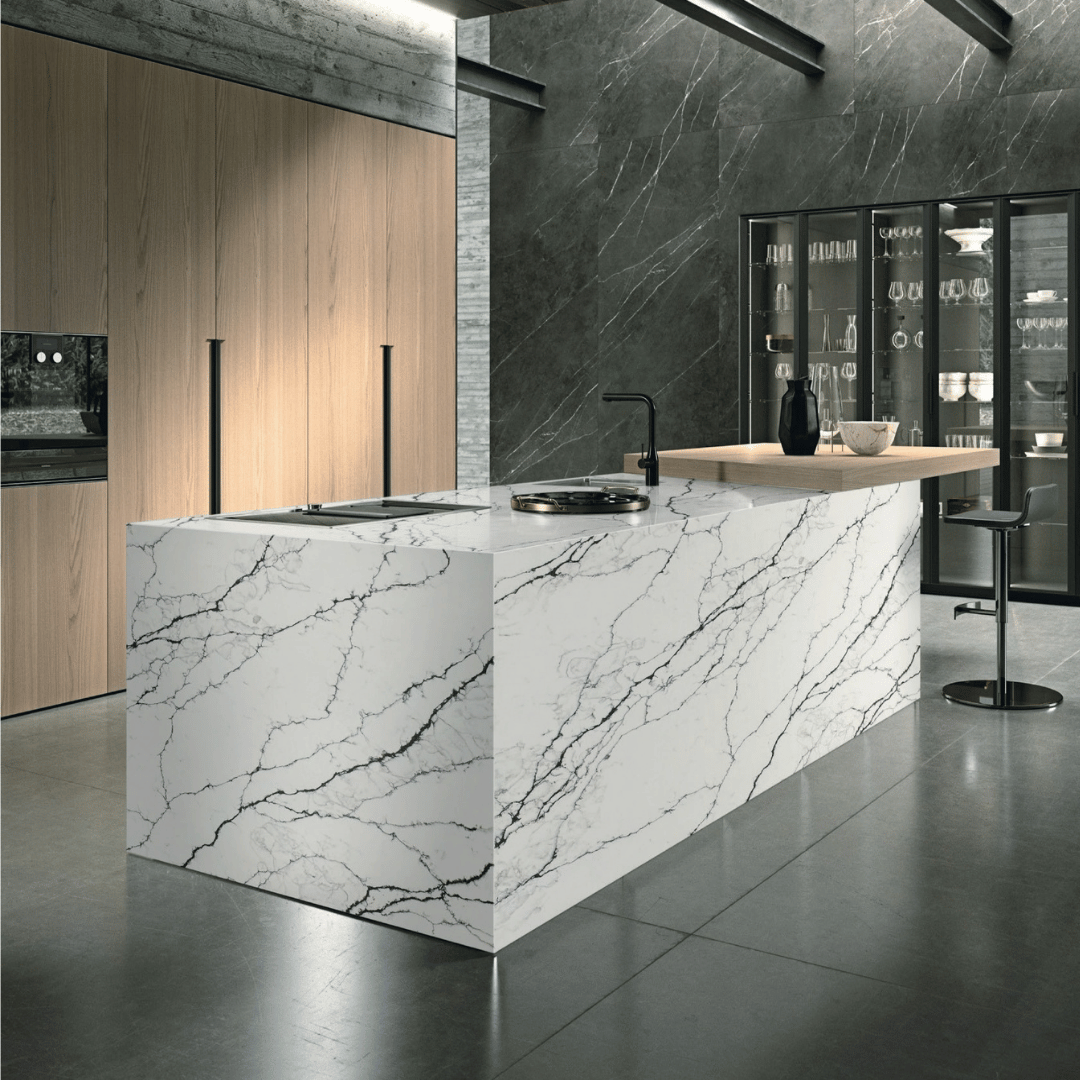
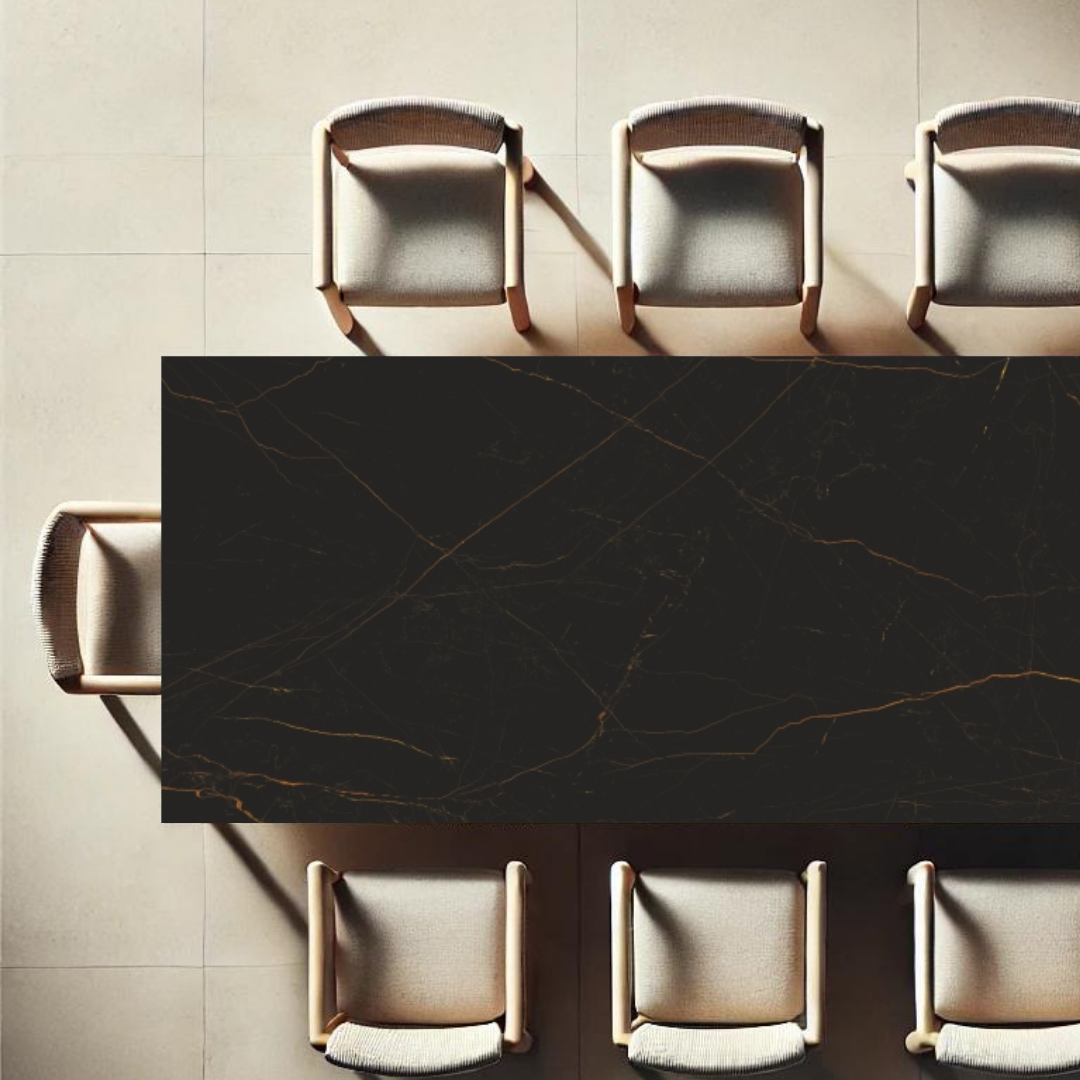
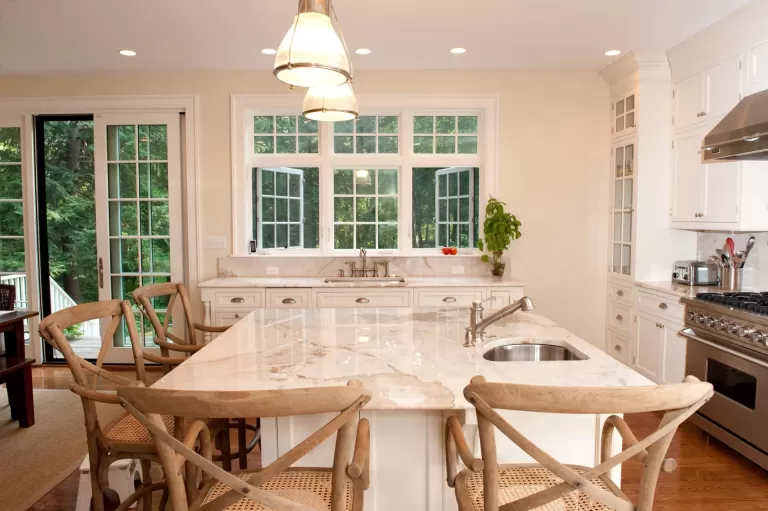
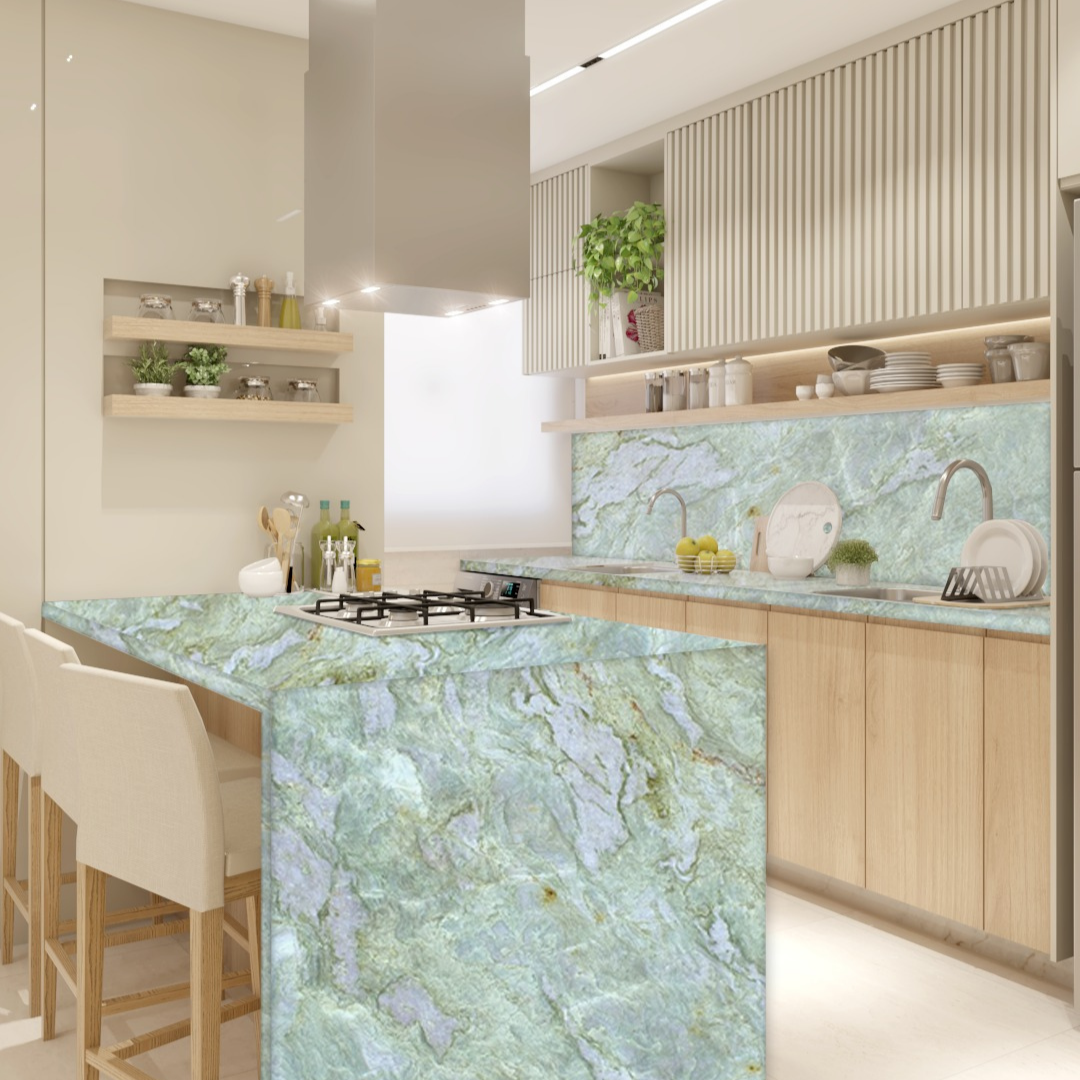
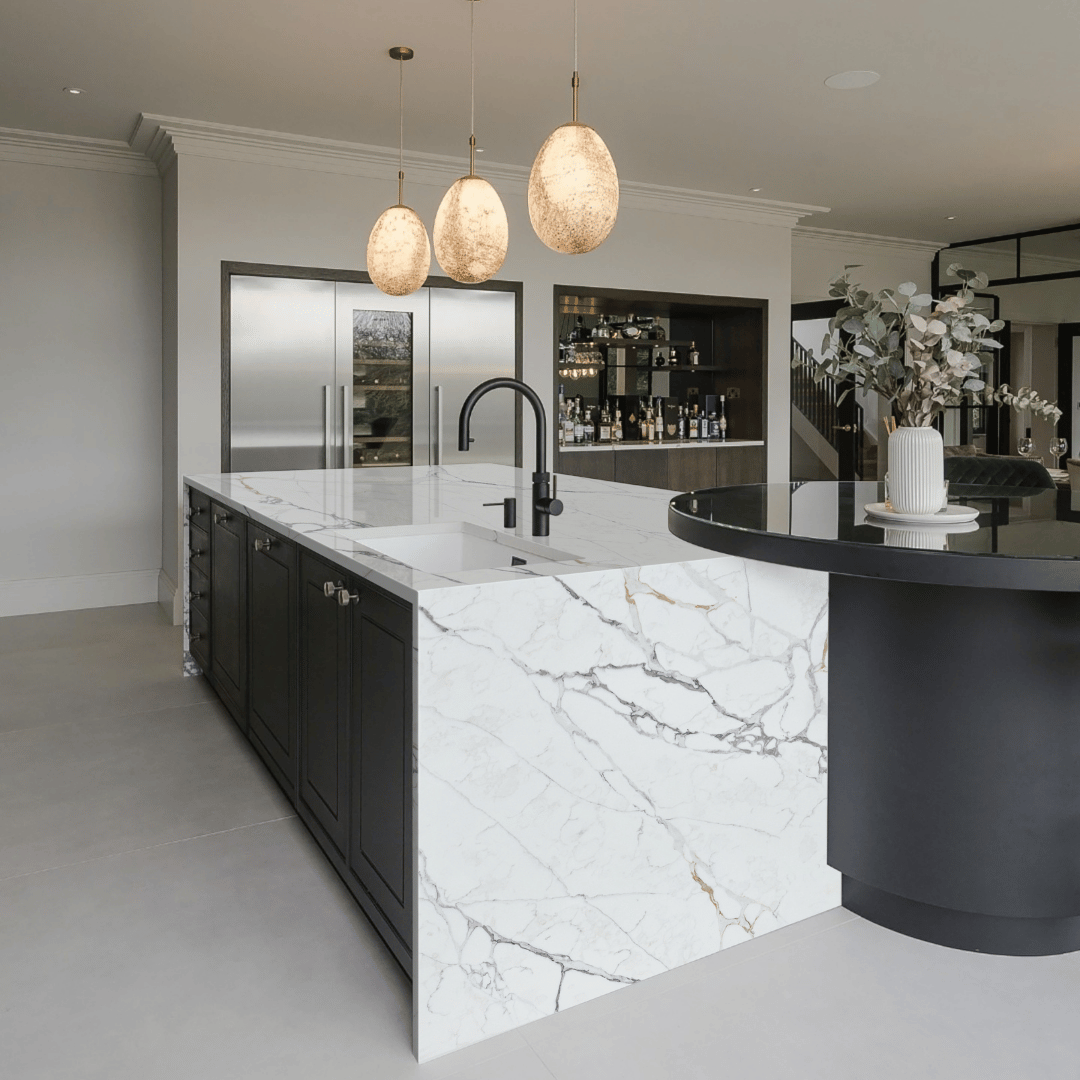
Designers often begin their evaluation by assessing the aesthetic appeal of the slabs. They look for colors, patterns, and finishes that complement the overall design vision. In showrooms, designers can view slabs in different lighting conditions, which helps them evaluate how the color and texture appear in various settings. Bookmatched porcelain slabs, for instance, may create a stunning visual impact that can enhance a space. Designers take note of how the slabs align with their project’s theme and color palette.
3. Texture and Finish
The texture and finish of a slab play a critical role in both aesthetics and functionality. Designers will assess the feel of the surface, whether it’s polished, matte, or textured. Each finish has its own set of characteristics regarding durability and maintenance. For example, polished surfaces may be more susceptible to scratches but are easier to clean, while matte finishes can hide fingerprints and stains more effectively. Evaluating these factors helps designers make informed decisions tailored to their project’s needs.
4. Size and Thickness
Another critical factor in slab evaluation is size and thickness. Designers must consider the dimensions of the slab in relation to the space it will occupy. Large format porcelain slabs, for example, can create a seamless look with fewer joints, which is often desired in modern designs. Additionally, designers assess the thickness options available, as thicker slabs may offer enhanced durability and a more substantial appearance. Understanding the architectural requirements of the project will guide designers in selecting the appropriate size and thickness.
5. Performance Characteristics
Performance characteristics such as heat resistance, scratch resistance, and stain resistance are vital considerations when evaluating slabs. Designers need to ensure that the materials they choose can withstand the demands of everyday use, especially in high-traffic areas like kitchens and commercial spaces. In showrooms, designers may inquire about the manufacturing processes and quality control measures that guarantee the performance of the slabs. This knowledge is crucial for ensuring long-term satisfaction and durability.
6. Availability and Lead Times
Availability of the chosen slabs is another essential aspect of the evaluation process. Designers often work within specific project timelines, so understanding lead times for ordering and delivery is crucial. In showrooms, designers can check the live inventory and discuss any concerns with the staff, ensuring they can secure the materials needed without delays. Builder Stone Global provides real-time slab inventory access, allowing designers to make informed decisions efficiently.
7. Fabricator Support and Recommendations
Designers often rely on their network of fabricators for insights into slab choices. When evaluating slabs in showrooms, designers may consult with fabricators on-site or seek recommendations based on past experiences. A strong partnership between designers and fabricators can lead to better outcomes, as fabricators can provide valuable information on installation techniques, edge profiles, and maintenance practices. Builder Stone Global encourages collaboration between designers and fabricators through our Dealer & Fabricator Partnership Program.
8. Sustainability and Environmental Considerations
As sustainability becomes increasingly important in design, many designers evaluate the environmental impact of the materials they choose. Designers may inquire about the sourcing and manufacturing processes of the slabs, looking for options that are eco-friendly and sustainable. Builder Stone Global is committed to providing premium slabs that meet high environmental standards, ensuring designers can make choices aligned with their values.
9. Finalizing the Decision
After conducting a thorough evaluation, designers will finalize their decisions based on a combination of factors. They consider aesthetic appeal, performance characteristics, availability, and the overall fit within the project’s vision. At Builder Stone Global, we support designers throughout this process, offering a wide range of premium quartz, porcelain, and natural stone slabs that meet diverse design needs.
Conclusion
The process of evaluating slabs in showrooms is a detailed and thoughtful undertaking for designers. By focusing on aesthetics, performance, and sustainability, designers can choose the perfect surfaces that enhance their projects. At Builder Stone Global, we invite designers to explore our vast selection of premium slabs and partner with us to create stunning spaces. Call +1 470-551-2092 to speak with our surface specialists or schedule an appointment to visit our showroom in Norcross, GA. Together, we can bring your design visions to life.