

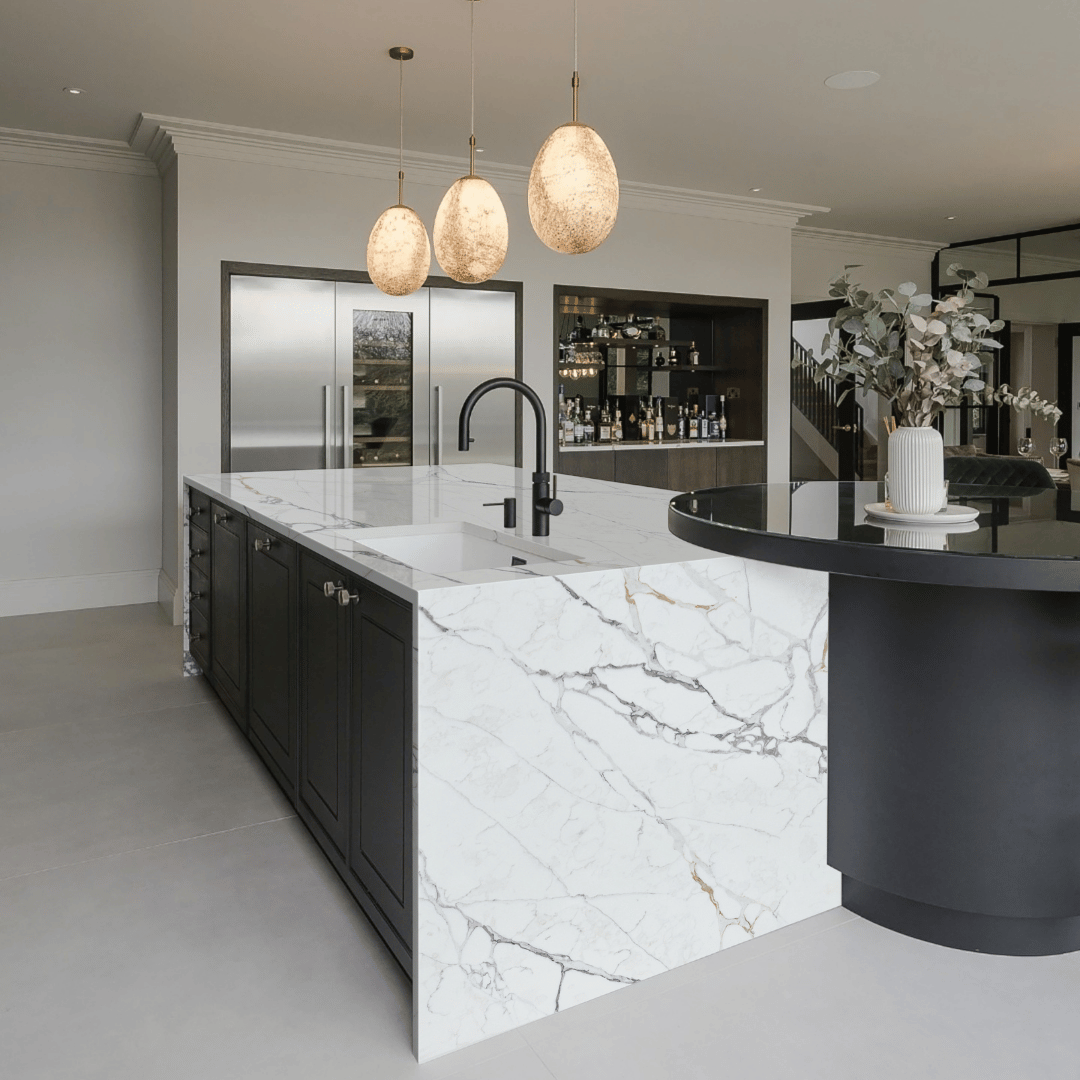
How Demand Affects Slab Availability: Understanding the Dynamics of Premium Quartz, Porcelain & Natural Stone Slabs
How Demand Affects Slab Availability: Understanding the Dynamics of Premium Quartz, Porcelain & Natural Stone Slabs
The world of architectural surfaces is a fascinating interplay of aesthetics, performance, and availability. As consumers’ preferences shift and architectural trends evolve, the demand for premium quartz, porcelain, and natural stone slabs experiences fluctuations that significantly impact availability. In this article, we will explore how these dynamics play a crucial role in the supply chain, influencing everything from inventory levels to pricing, and ultimately, the choices available to fabricators, designers, and homeowners.
Understanding the Basics of Demand and Supply
At its core, the relationship between demand and supply operates on a fundamental economic principle: as demand for a product increases, its availability can become constrained if supply does not keep pace. The slab market is no different. Factors contributing to demand include design trends, economic conditions, and seasonal influences. When a particular material, such as quartz or porcelain, gains popularity in kitchen and bathroom renovations, the demand surges, often outpacing the available supply.
The Role of Design Trends in Shaping Demand
Design trends greatly influence the demand for specific types of slabs. For example, the rise of minimalist and modern aesthetics has led to a surge in popularity for large format porcelain slabs that provide a seamless look in spaces. Similarly, the increasing preference for natural materials has driven demand for quartzite and granite slabs, known for their unique patterns and durability. Fabricators and designers must stay attuned to these shifts to ensure they have the right inventory to meet the evolving needs of their clients.
Economic Conditions and Their Impact on Demand
Economic factors play a pivotal role in slab demand. During periods of economic growth, homeowners and developers are more likely to invest in renovations and new constructions, increasing the demand for premium slab materials. Conversely, during economic downturns, spending on luxury surfaces may slow, leading to a decrease in demand. This cyclical nature of the economy means that slab distributors and fabricators must be agile, adjusting their inventory strategies to align with market conditions.
Seasonal Influences on Slab Availability
Seasonality can also impact slab availability. The construction industry often experiences peaks and troughs in activity based on the time of year. Spring and summer are typically busy seasons for renovations and new builds, leading to heightened demand for slabs. Conversely, fall and winter months may see a slowdown, which can affect inventory levels and supply chains. Understanding these seasonal patterns can help businesses anticipate demand and stock accordingly.
Manufacturing and Supply Chain Challenges
Availability is not solely dictated by demand; manufacturing capabilities and supply chain logistics also play critical roles. The production of high-quality slabs involves advanced processes and significant lead times. Disruptions in the supply chain, whether due to natural disasters, geopolitical issues, or logistical challenges, can create bottlenecks that limit the availability of certain materials. Moreover, as more fabricators and designers seek out unique and exotic slabs, the competition for these materials can intensify, further straining availability.
Strategies for Managing Slab Availability
To navigate the complexities of demand and availability, slab distributors can employ several strategies:
- Maintain Robust Inventory: Keeping a diverse and well-stocked inventory allows distributors to quickly respond to changes in demand, ensuring that fabricators and designers have access to the materials they need.
- Diversify Sourcing: Establishing relationships with multiple suppliers can mitigate risks associated with supply chain disruptions. By sourcing from various regions, distributors can reduce dependency on a single supplier.
- Leverage Technology: Utilizing inventory management software can provide real-time insights into slab availability, helping businesses make informed decisions about purchasing and stocking.
- Engage with Customers: Open communication with fabricators and designers allows distributors to anticipate demand trends and adjust their inventory accordingly.
Conclusion: The Future of Slab Availability
The dynamics of demand and slab availability will continue to evolve as consumer preferences, economic conditions, and global events shape the market. For those in the industry, staying informed and adaptable will be key to thriving in a competitive landscape. By understanding the factors that influence demand and employing strategic inventory management practices, slab distributors can ensure they are well-positioned to meet the needs of their customers, providing access to premium quartz, porcelain, and natural stone slabs that elevate architectural designs.
For more information about our slab collections, visit Builder Stone Global or contact our team at +1 470-551-2092 to schedule a showroom visit and check our live slab inventory!