Granite vs. Quartz Countertops: Which Is Better for Georgia Homes?
Granite vs. Quartz Countertops: Which Is Better for Georgia Homes?
When it comes to selecting the perfect countertop material for your Georgia home, granite and quartz are two of the most popular options. Both materials boast unique advantages and aesthetics, making them suitable for a variety of styles and preferences. In this article, we will delve into the key differences, advantages, and considerations of granite and quartz countertops to help you make an informed decision.
1. Understanding Granite and Quartz
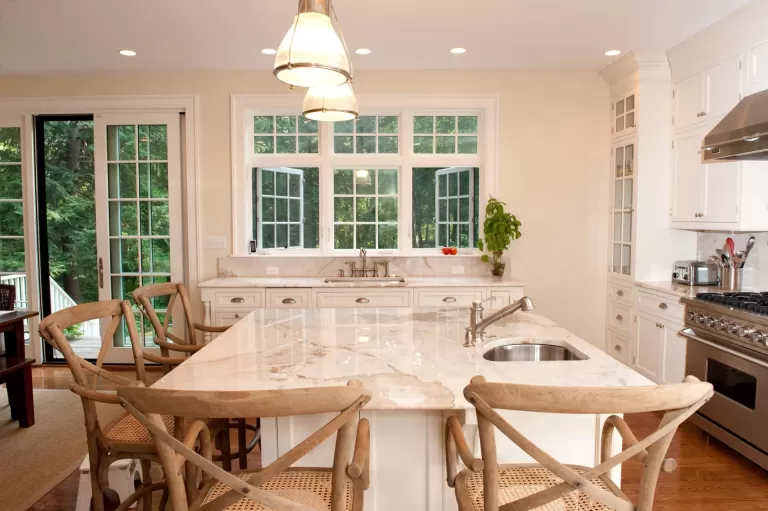
Granite is a natural stone that is formed from cooled magma and is renowned for its durability and unique patterns. Each slab of granite is unique, displaying a variety of colors and veining that can enhance any kitchen or bathroom design.
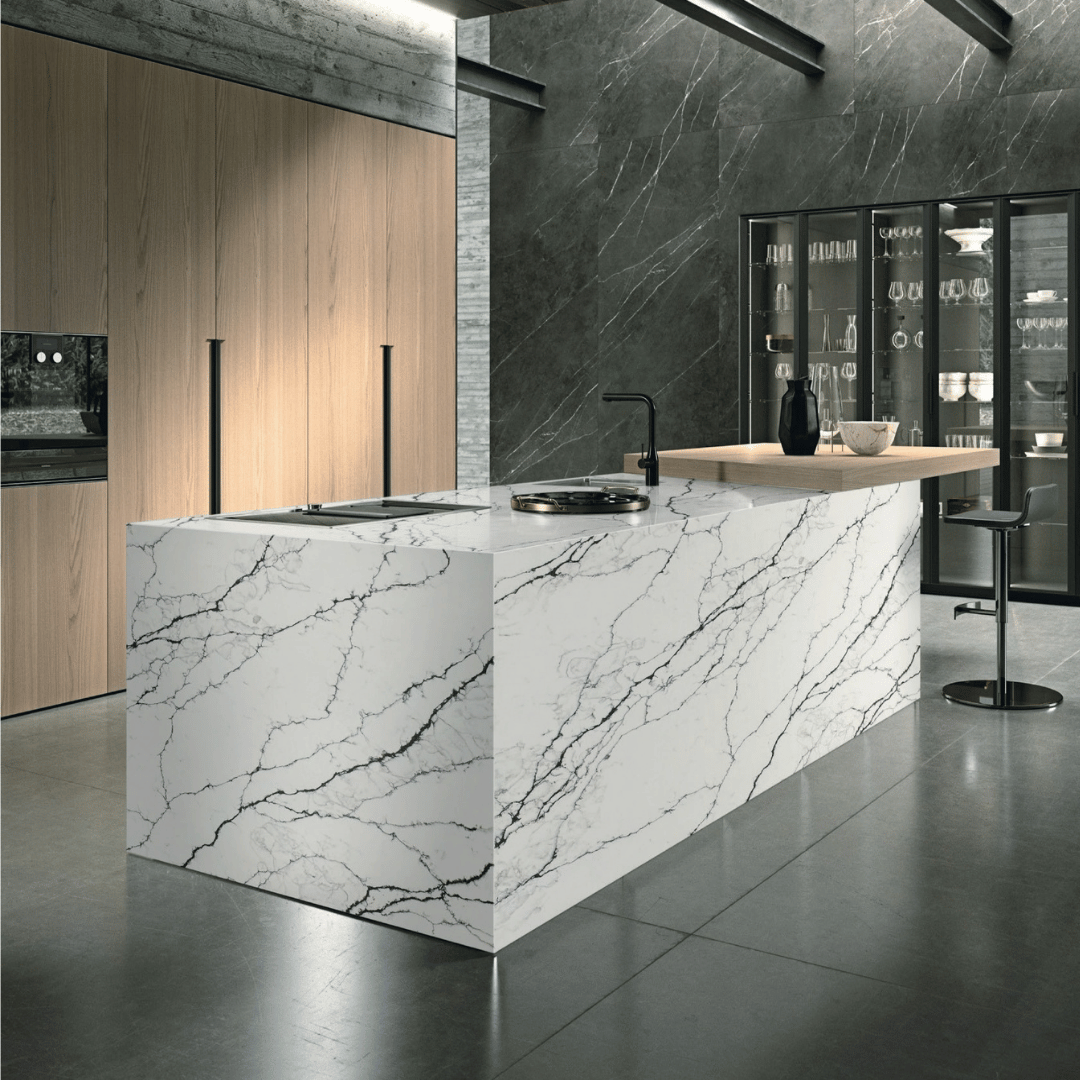
Quartz, on the other hand, is an engineered stone made from crushed natural quartz crystals mixed with resins and pigments. This process allows for a broader range of colors and patterns than natural stone, giving homeowners more versatility when it comes to design.
2. Aesthetics: Which Material Wins?
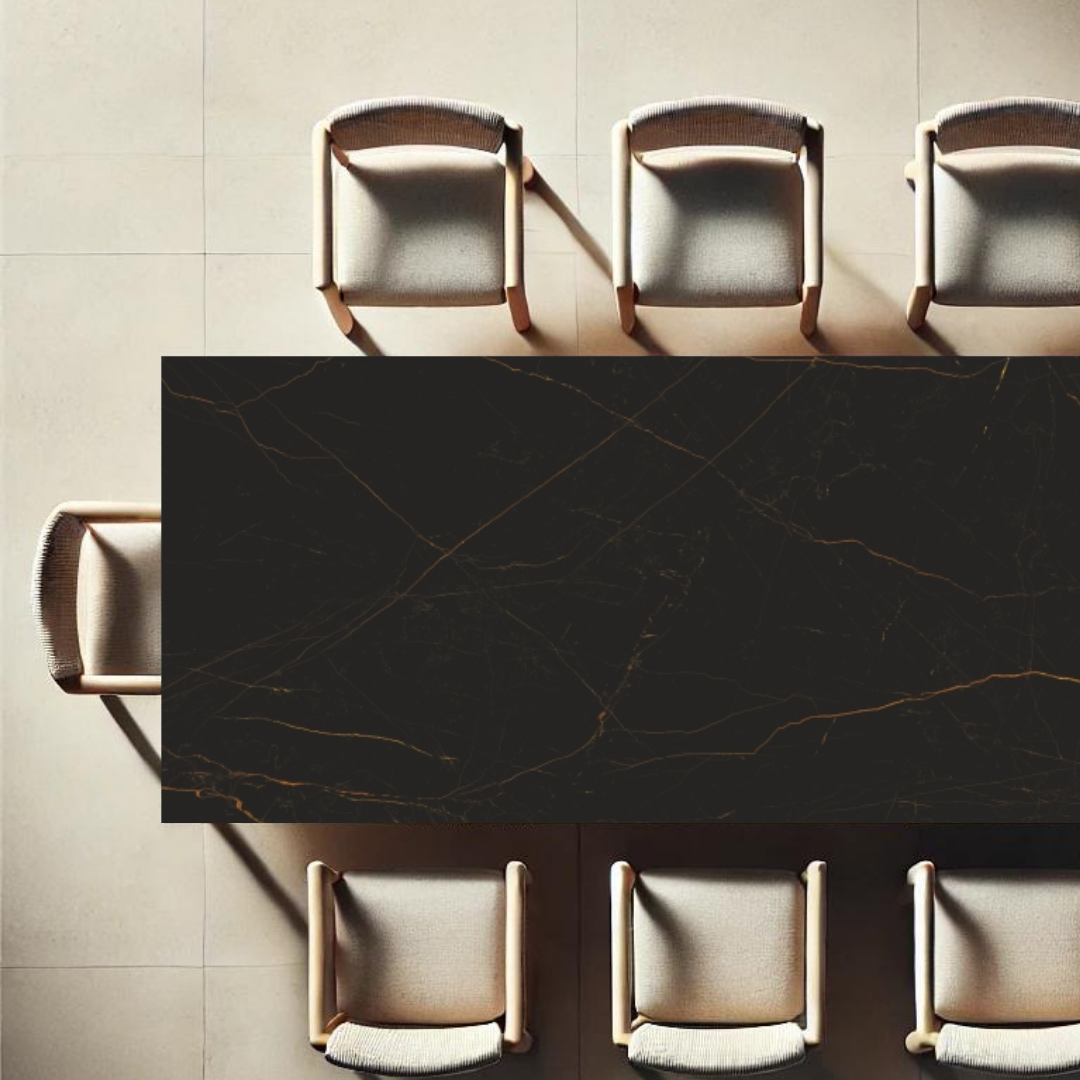
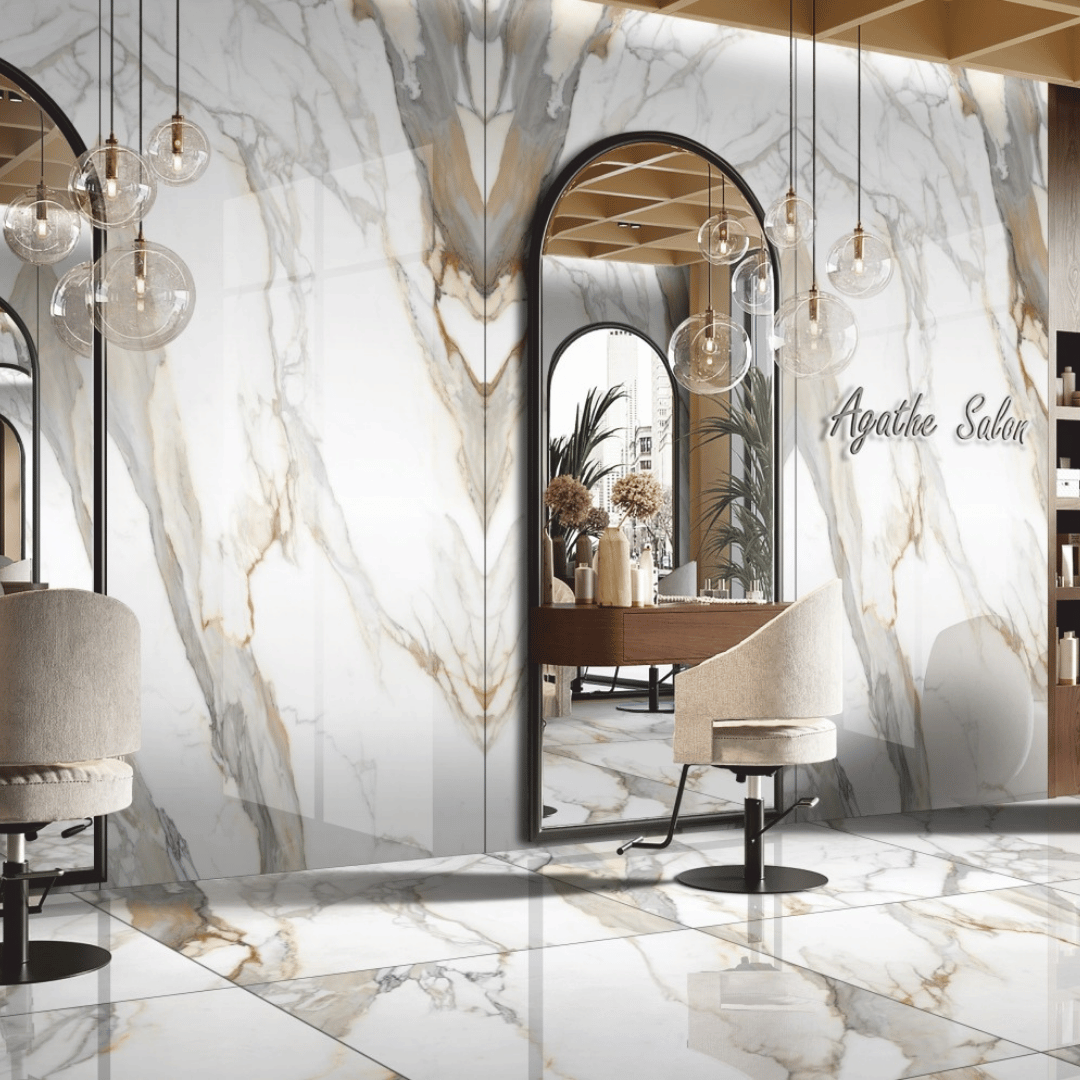
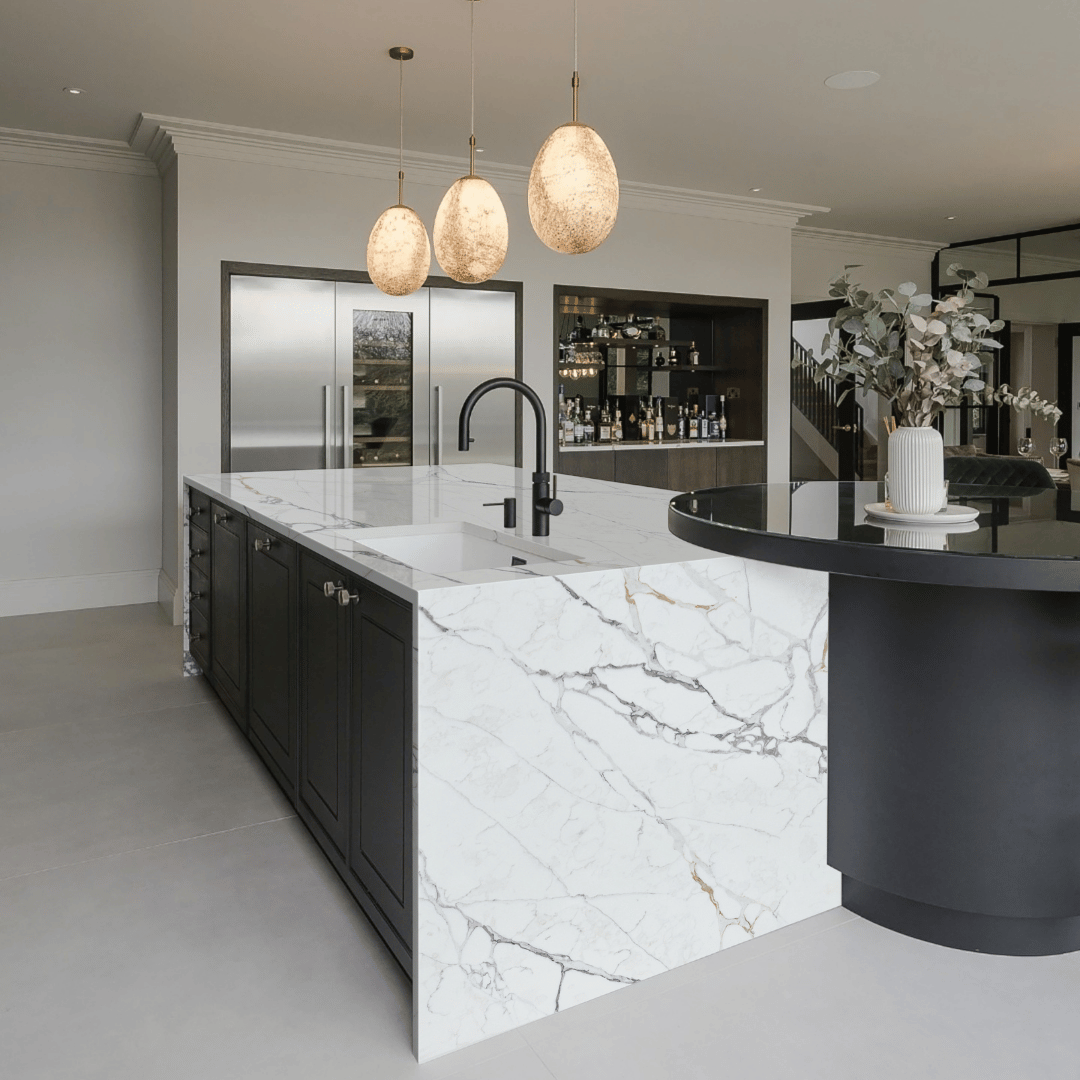
The aesthetic appeal of granite and quartz is subjective, as it largely depends on personal preference. Granite offers a natural, earthy look with unique patterns that can complement traditional and rustic designs. It is available in various colors, including earth tones, whites, and blacks.
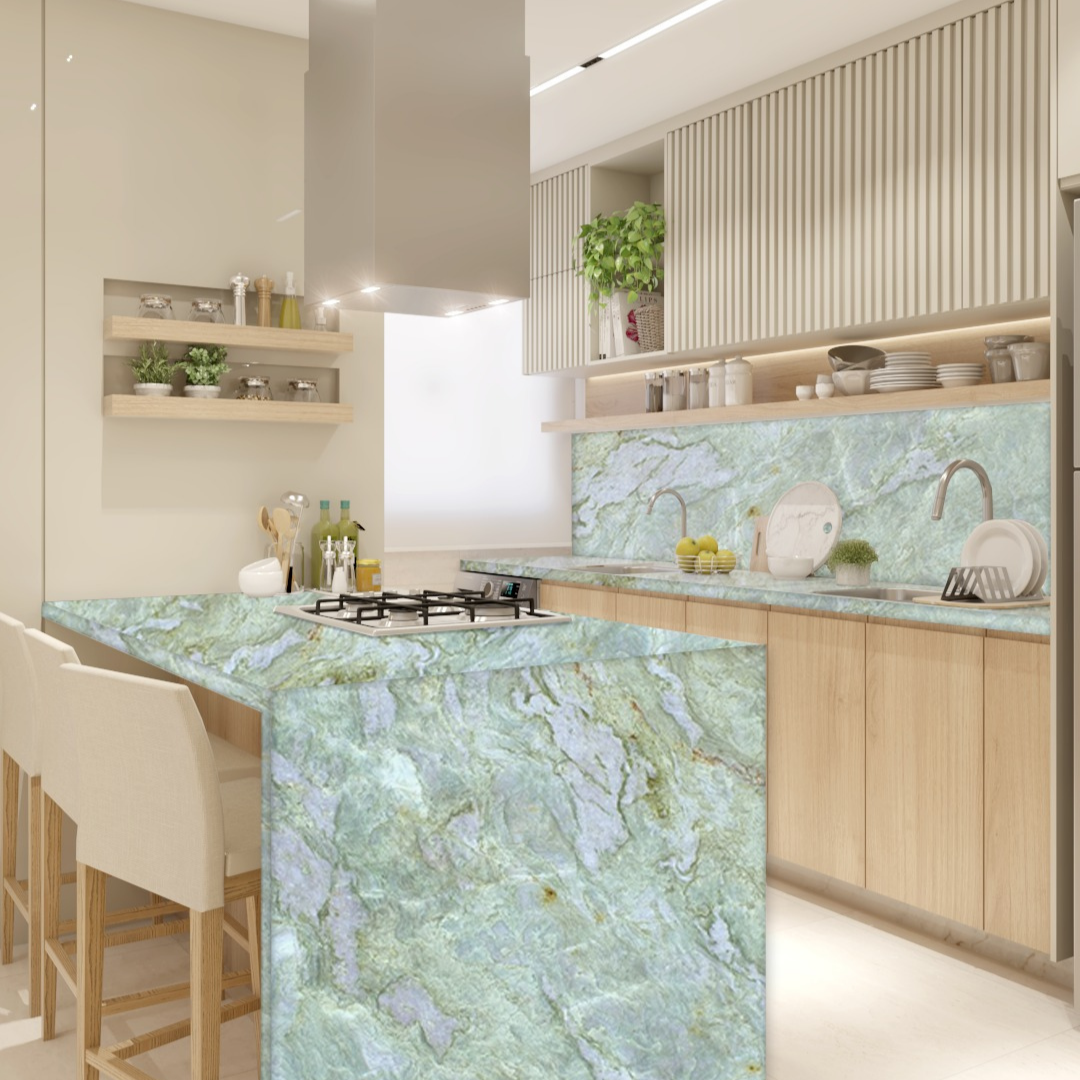
Quartz, however, provides a more uniform appearance, making it a great choice for modern and contemporary spaces. Its engineered nature means it can be manufactured in a variety of colors, including vibrant hues that are not found in natural stone.
3. Durability and Maintenance
Both granite and quartz are durable materials suited for high-traffic areas like kitchens. However, there are some differences in maintenance requirements:
- Granite: Being a natural stone, granite requires periodic sealing to prevent stains and damage from acidic substances. It is resistant to heat and scratches but can chip or crack if a heavy object is dropped.
- Quartz: Quartz is non-porous, making it resistant to staining and bacterial growth without the need for sealing. It is also less likely to chip or crack compared to granite. However, excessive heat can damage the resin in quartz, so hot pots and pans should be avoided.
4. Cost Considerations
When it comes to cost, both granite and quartz can vary widely based on quality, thickness, and installation. Generally, granite tends to be less expensive than quartz due to the availability of natural stone. However, custom options and higher-grade granite can be comparable in price to quartz.
In Georgia, the cost of installation may also vary based on local suppliers and fabricators. It’s essential to compare prices and seek quotes from multiple sources to ensure you are getting the best value for your investment.
5. Environmental Impact
For environmentally-conscious homeowners, it’s essential to consider the sustainability of the materials. Granite is a natural stone that is quarried from the earth, which has an environmental impact due to mining and transportation.
Quartz, being engineered, can be manufactured with recycled materials, making it a more sustainable option. Additionally, because quartz is non-porous, it typically requires fewer harsh chemicals for cleaning, reducing environmental pollution.
6. Conclusion: Making the Right Choice for Your Home
Choosing between granite and quartz countertops ultimately comes down to personal preference, lifestyle, and budget. If you appreciate the natural beauty and unique patterns of stone, granite may be your best option. For those seeking a low-maintenance, versatile, and contemporary look, quartz could be the right choice.
Regardless of your choice, both granite and quartz can elevate the aesthetic and value of your Georgia home. If you’re still undecided, visit Builder Stone Global in Norcross, GA, to explore our premium selection of granite and quartz slabs. Our surface specialists can provide guidance and answer any questions you may have.
7. Frequently Asked Questions
Q1: Is granite more expensive than quartz?
A1: Generally, granite can be less expensive than quartz, but prices vary based on quality and installation.
Q2: Do I need to seal my granite countertops?
A2: Yes, granite requires periodic sealing to maintain its durability and prevent stains.
Q3: Can quartz countertops withstand heat?
A3: Quartz can be damaged by excessive heat, so it’s best to avoid placing hot pots directly on the surface.
Q4: Which material is more durable?
A4: Both materials are durable, but quartz is less likely to chip or crack compared to granite.
Q5: Are quartz countertops environmentally friendly?
A5: Quartz can be manufactured with recycled materials, making it a more sustainable choice compared to granite.
Q6: How do I clean granite and quartz countertops?
A6: Use mild soap and water for both materials. Avoid harsh chemicals, especially on quartz.
Q7: Can I customize the color of quartz countertops?
A7: Yes, quartz offers a wide range of colors and patterns, including custom options.
Q8: Where can I find granite and quartz slabs in Georgia?
A8: Visit Builder Stone Global in Norcross, GA, for a wide selection and expert advice.
If you have further questions or would like to schedule a showroom appointment, call us at +1 470-551-2092 or contact our team.