What LEED-Certified Projects in Atlanta Use for Stone Surfaces
What LEED-Certified Projects in Atlanta Use for Stone Surfaces?
In recent years, the focus on sustainable building practices has gained unprecedented momentum, particularly in urban areas such as Atlanta. With the increasing demand for environmentally responsible construction, LEED (Leadership in Energy and Environmental Design) certification has become a benchmark for assessing the sustainability of buildings. One of the key components of sustainable architecture is the selection of materials used, and stone surfaces have emerged as a popular choice for LEED-certified projects. In this article, we will explore the types of stone surfaces commonly used in Atlanta’s LEED-certified projects, the benefits of these materials, and how they contribute to sustainability.
Understanding LEED Certification
LEED certification is a globally recognized system that rates the environmental performance of buildings and encourages market transformation towards sustainable design. The certification process evaluates various aspects of a building, including energy efficiency, water usage, indoor environmental quality, and the materials used. Projects can earn points across these categories, and the total points determine the level of certification: Certified, Silver, Gold, or Platinum.
Types of Stone Surfaces Used in LEED-Certified Projects
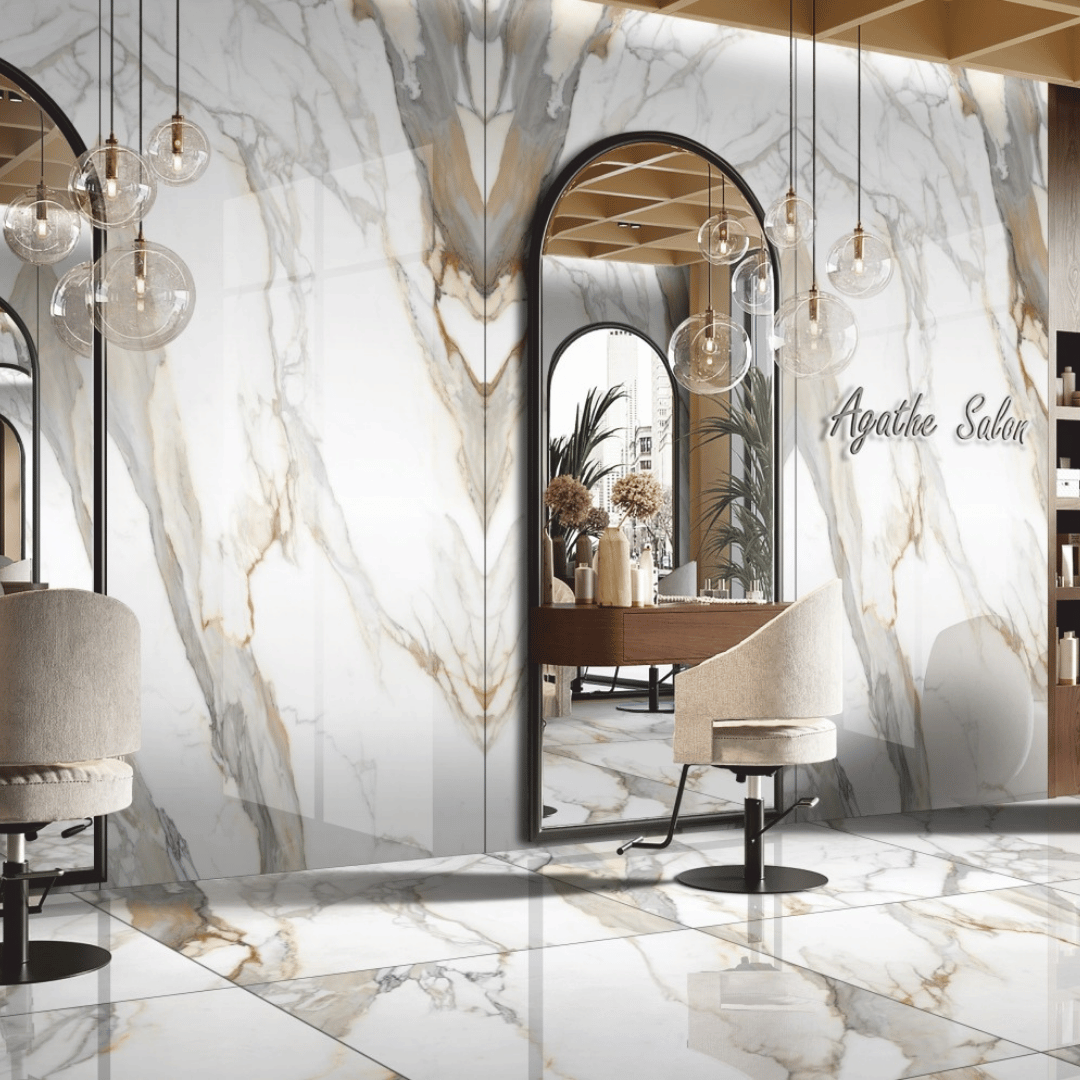
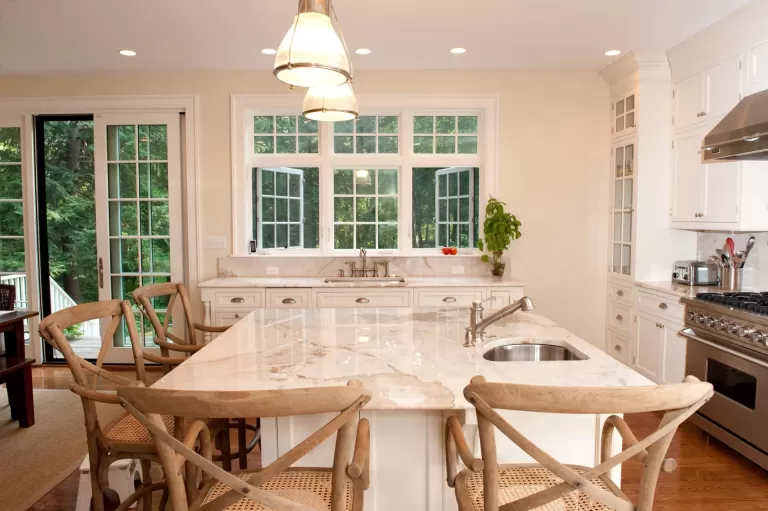
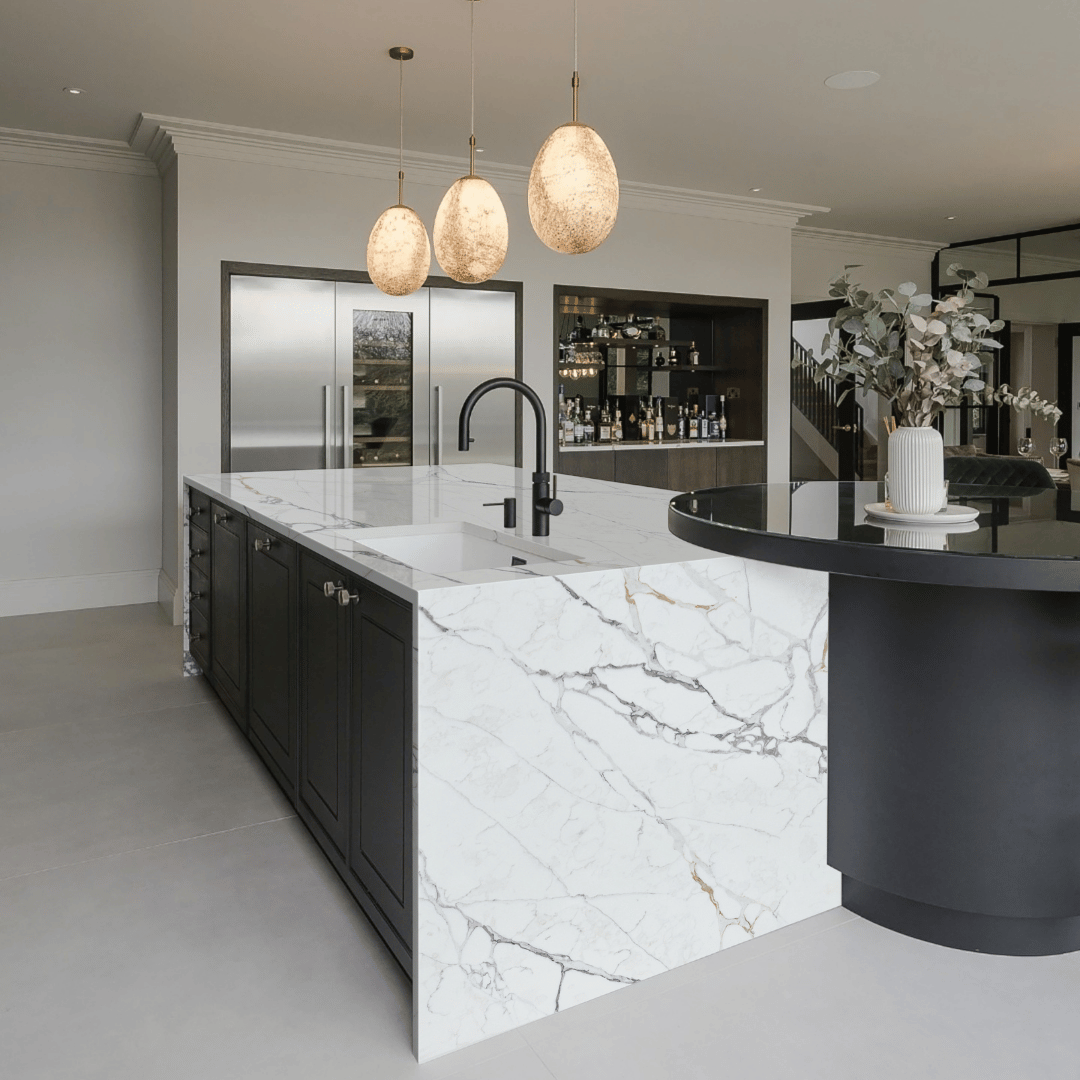
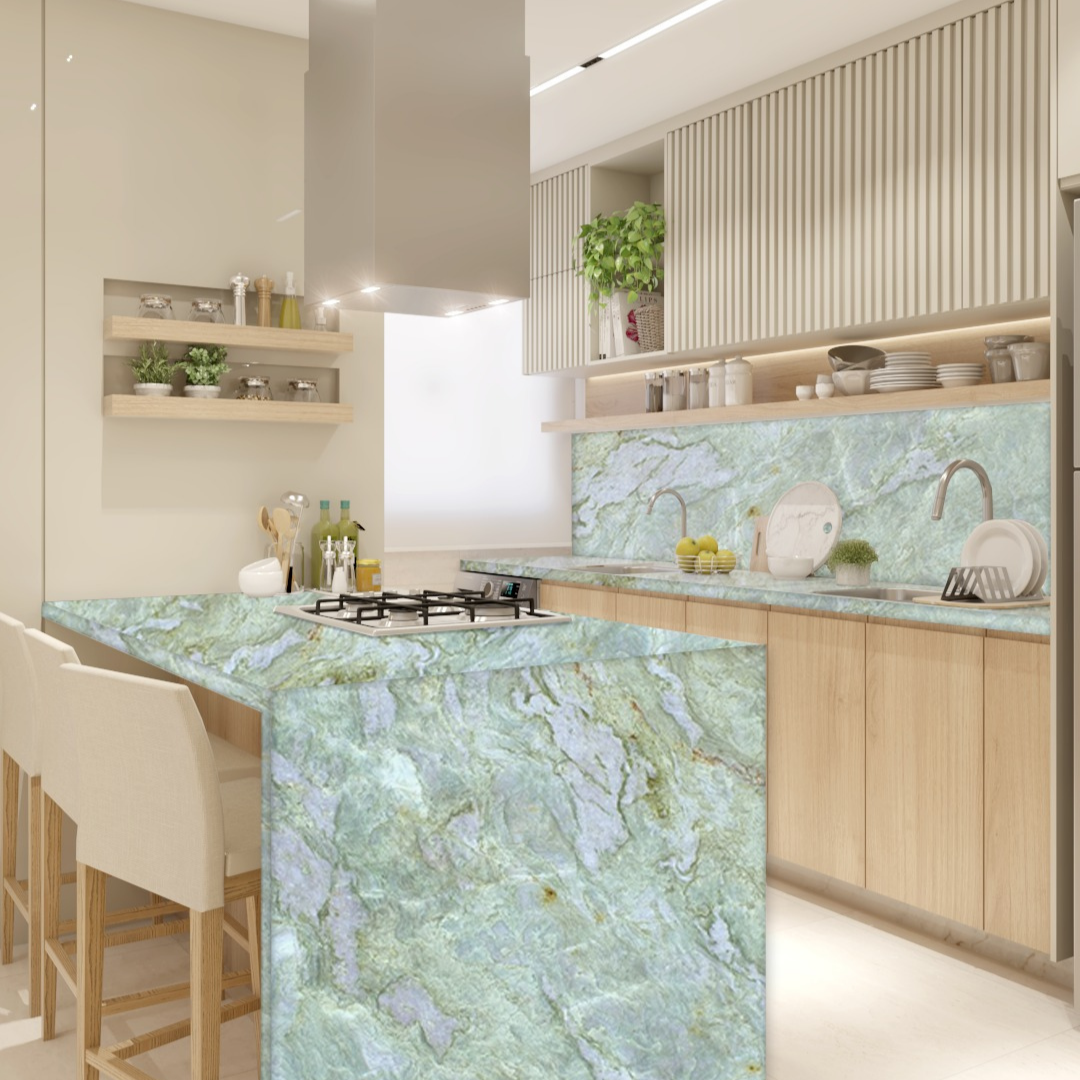
1. **Natural Stone**: Natural stone, such as granite, marble, and limestone, is often preferred for its durability, aesthetic appeal, and availability. These materials can be sourced locally, reducing transportation emissions and ensuring a lower carbon footprint.
2. **Recycled Stone**: Some projects incorporate recycled stone materials, which are salvaged from previous constructions. This practice not only reduces waste but also minimizes the demand for new raw materials, aligning with LEED’s sustainability goals.
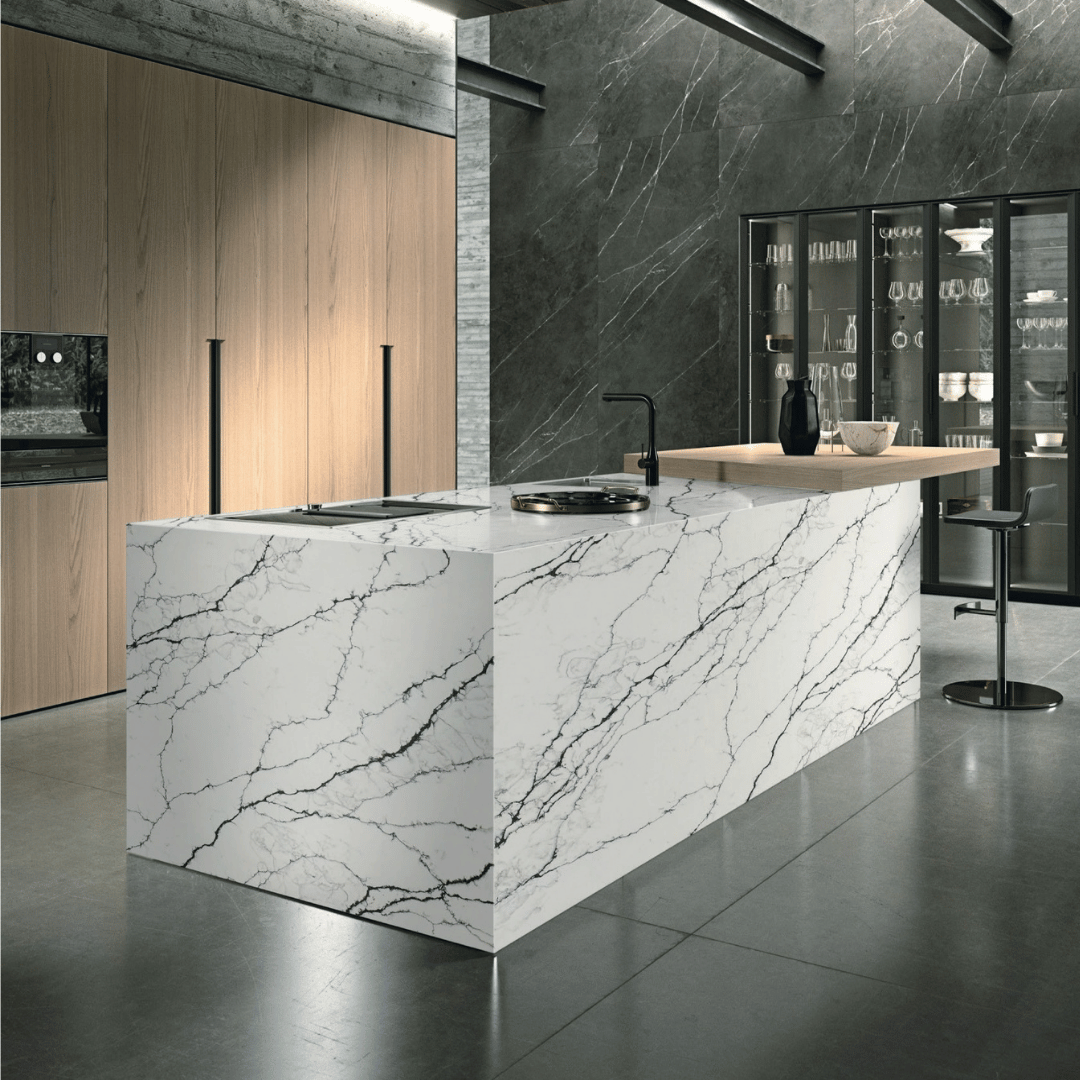
3. **Engineered Stone**: Engineered stone surfaces, made from a combination of natural stone and resin, offer a sustainable alternative. They can be produced with lower energy consumption and often have a longer lifespan than traditional materials.
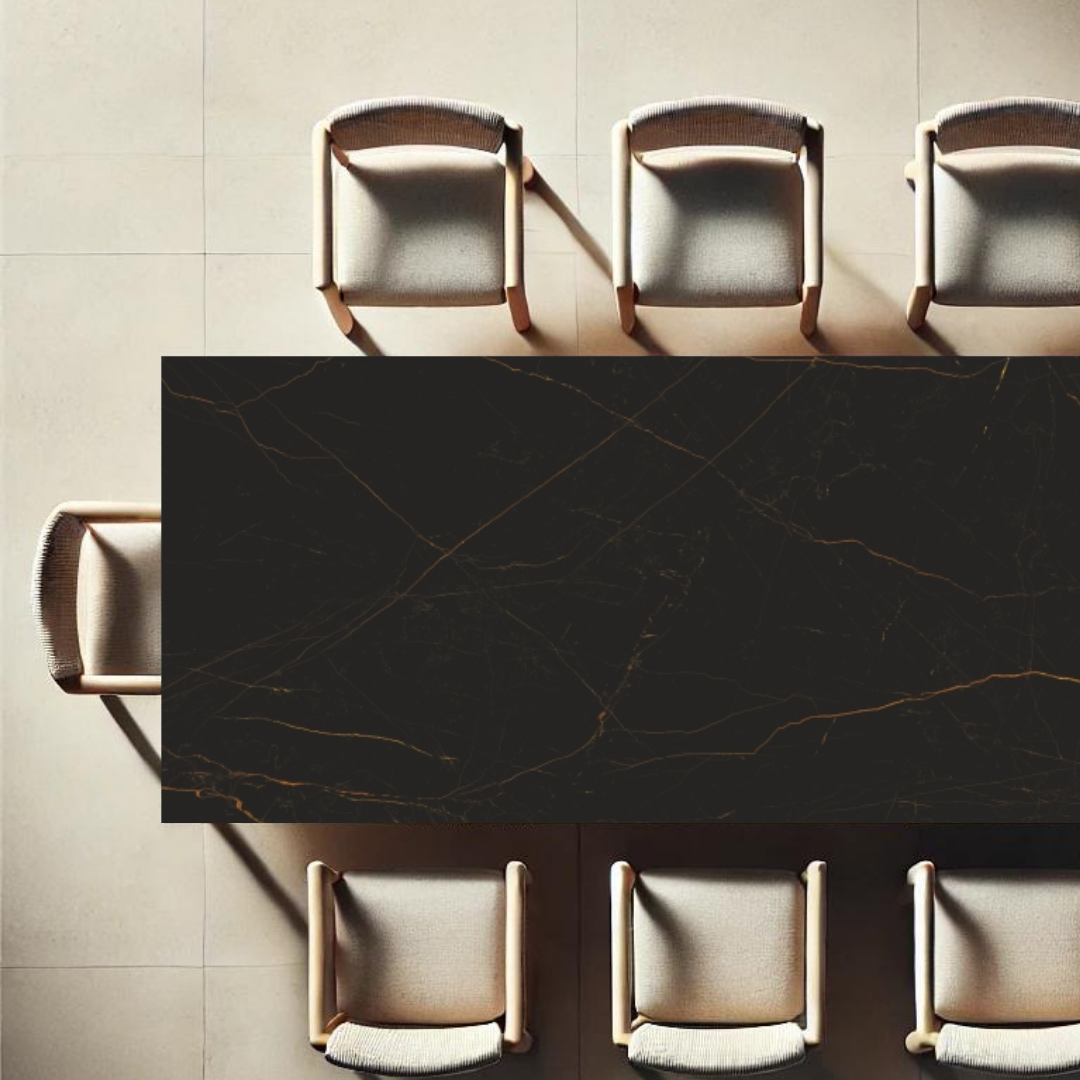
4. **Porcelain Slabs**: High-performance porcelain slabs are another popular choice for LEED projects. They are known for their durability, resistance to moisture, and ease of maintenance. Their production often involves recycled materials, further enhancing their sustainability profile.
Benefits of Using Stone Surfaces in LEED Projects
Durability: Stone surfaces are renowned for their longevity. They can withstand heavy use and adverse weather conditions, making them an ideal choice for both interior and exterior applications.
Low Maintenance: Many stone surfaces require minimal maintenance over time, which can lead to lower lifecycle costs and reduced resource consumption.
Aesthetic Versatility: Stone surfaces offer a wide range of colors, patterns, and textures, allowing architects and designers to create visually stunning environments while adhering to sustainable practices.
Thermal Mass Properties: Natural stone has excellent thermal mass properties, which can help regulate indoor temperatures, leading to reduced energy consumption for heating and cooling.
Notable LEED-Certified Projects in Atlanta Using Stone Surfaces
1. **Mercedes-Benz Stadium**: This iconic stadium features a variety of stone materials, including granite and marble, contributing to its aesthetic appeal and sustainability profile. The project achieved LEED Platinum certification, showcasing its commitment to environmentally responsible design.
2. **The Green Building**: Located in downtown Atlanta, this office building utilizes locally sourced stone for its façade and interior finishes. The project is designed to maximize natural light and energy efficiency, earning it LEED Gold certification.
3. **Ponce City Market**: This historic redevelopment project showcases reclaimed and recycled stone, preserving the building’s heritage while promoting sustainability. The project is LEED Silver certified, emphasizing its commitment to environmentally friendly practices.
Conclusion
As Atlanta continues to grow and evolve, the emphasis on sustainable building practices will remain a priority. The use of stone surfaces in LEED-certified projects not only enhances the aesthetic appeal of buildings but also aligns with the principles of sustainability. By choosing materials that are durable, low-maintenance, and environmentally friendly, architects and builders can contribute to a greener future while meeting the demands of modern design.
Contact Us for Premium Stone Surfaces
If you are involved in a LEED-certified project or looking for premium stone surfaces for your next construction endeavor, contact Builder Stone Global. We specialize in providing high-quality quartz, porcelain, and natural stone slabs that meet the highest standards of performance and design. Call us at +1 470-551-2092 or visit our website to explore our collection.