Ultimate Guide: Coordinating Stone Floors and Countertops in Atlanta Homes
Ultimate Guide: Coordinating Stone Floors and Countertops in Atlanta Homes
When it comes to home design, few elements evoke the timeless elegance and durability of stone. In Atlanta, where architectural styles range from classic Southern charm to contemporary chic, coordinating stone floors and countertops can significantly enhance the aesthetic and functionality of your living spaces. This comprehensive guide will walk you through everything you need to know about selecting, coordinating, and maintaining stone surfaces in your Atlanta home. Whether you’re a homeowner, architect, or designer, this article will provide you with expert insights and actionable tips to create stunning interiors that reflect your unique style.
Understanding Stone Types
Before you can effectively coordinate stone floors and countertops, it’s essential to understand the different types of stone available. Each type has its unique characteristics, benefits, and ideal applications. Here are some of the most popular stone types used in residential designs:
- Granite: Known for its durability and scratch resistance, granite is a popular choice for countertops. Its wide range of colors and patterns makes it easy to coordinate with various flooring options.
- Quartzite: This natural stone offers a stunning aesthetic and superior hardness, making it ideal for both countertops and flooring. It’s often chosen for high-end designs due to its luxurious appearance.
- Marble: Renowned for its classic beauty, marble is often used in bathrooms and kitchens. However, it requires careful maintenance due to its porous nature.
- Porcelain Slabs: An increasingly popular choice, porcelain slabs offer high performance and versatility. They are available in large formats and can mimic the appearance of natural stone.
- Slate: This stone is known for its unique textures and colors. It’s typically used for flooring due to its slip resistance and durability.
Understanding the properties of these stones will help you make informed decisions when coordinating your surfaces. For an in-depth look at the best uses for different stone types, check out our article on Porcelain Slabs in Georgia: Best Uses for Kitchens, Walls, and Fireplaces.
Choosing the Right Color Palette
Once you have a grasp of the stone types, the next step is selecting a color palette that complements both your floors and countertops. Here are some tips to consider:
1. Consider the Overall Theme
Your home’s overall design theme should guide your color choices. For instance, if your home features a modern aesthetic, consider cooler tones like whites, grays, and blacks. In contrast, traditional designs often benefit from warmer earth tones.
2. Use a Color Wheel
Utilizing a color wheel can help you identify complementary colors. For example, pairing a light-colored granite countertop with darker slate flooring can create a striking contrast.
3. Test Samples in Your Space
Always test stone samples in your actual space. Lighting can dramatically change how colors appear, so it’s essential to see how different stones look together under various lighting conditions.
4. Neutral vs. Bold Choices
Neutral colors provide a timeless backdrop, while bold colors can serve as focal points. If you choose a bold countertop, consider a more subdued floor to balance the visual weight.
For more insights on selecting colors for your kitchen, visit our article on Kitchen Countertop Colors Trending in Atlanta Metro 2026.
Textures and Finishes: The Details Matter
The texture and finish of your stone surfaces can dramatically influence the overall look and feel of your space. Here are some options to consider:
1. Polished Finishes
Polished finishes offer a glossy appearance that reflects light, enhancing colors and patterns. They are ideal for countertops where a sleek, modern look is desired.
2. Honed Finishes
Honed finishes provide a matte, soft appearance. They are often chosen for flooring due to their slip-resistant qualities. However, they may require more maintenance to prevent staining.
3. Textured Surfaces
Textured surfaces can add depth and interest to your design. Consider using textured tiles for flooring to create a dynamic contrast with smooth countertops.
Understanding the finishes will help you achieve a cohesive look. For more information on textures and finishes, check out our guide on Matte vs Polished Quartz: The Finish That Fits Your Lifestyle.
Harmonizing Patterns: Floors and Countertops
One of the most critical aspects of coordinating stone floors and countertops is harmonizing patterns. Here’s how to do it:
1. Match Patterns
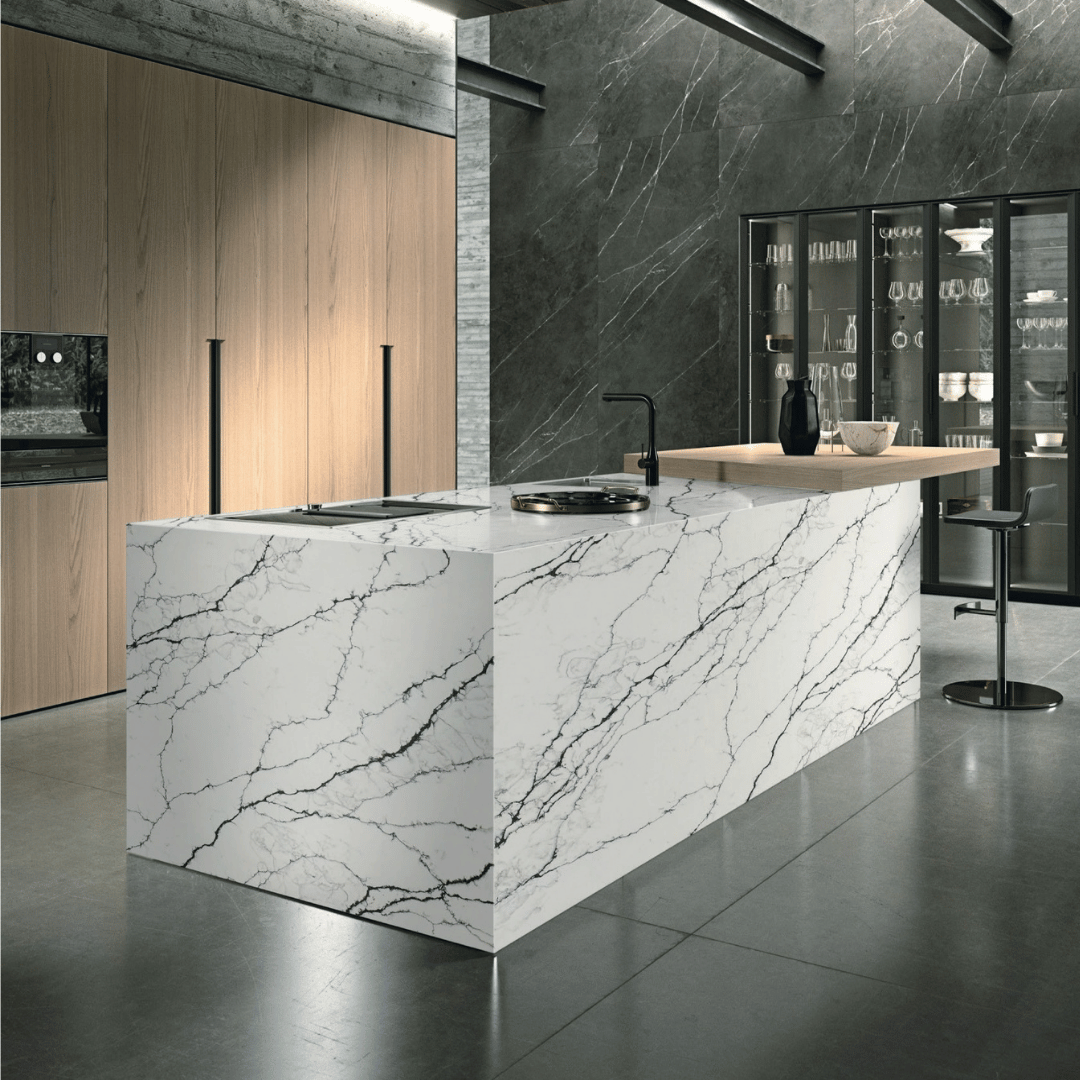
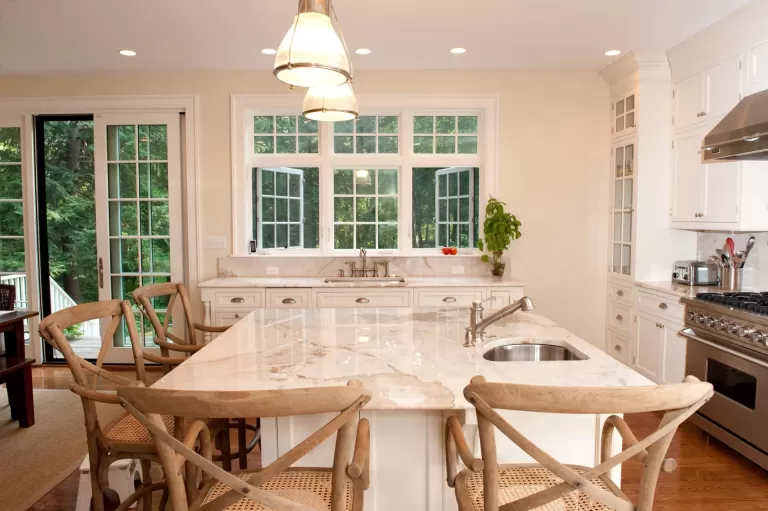
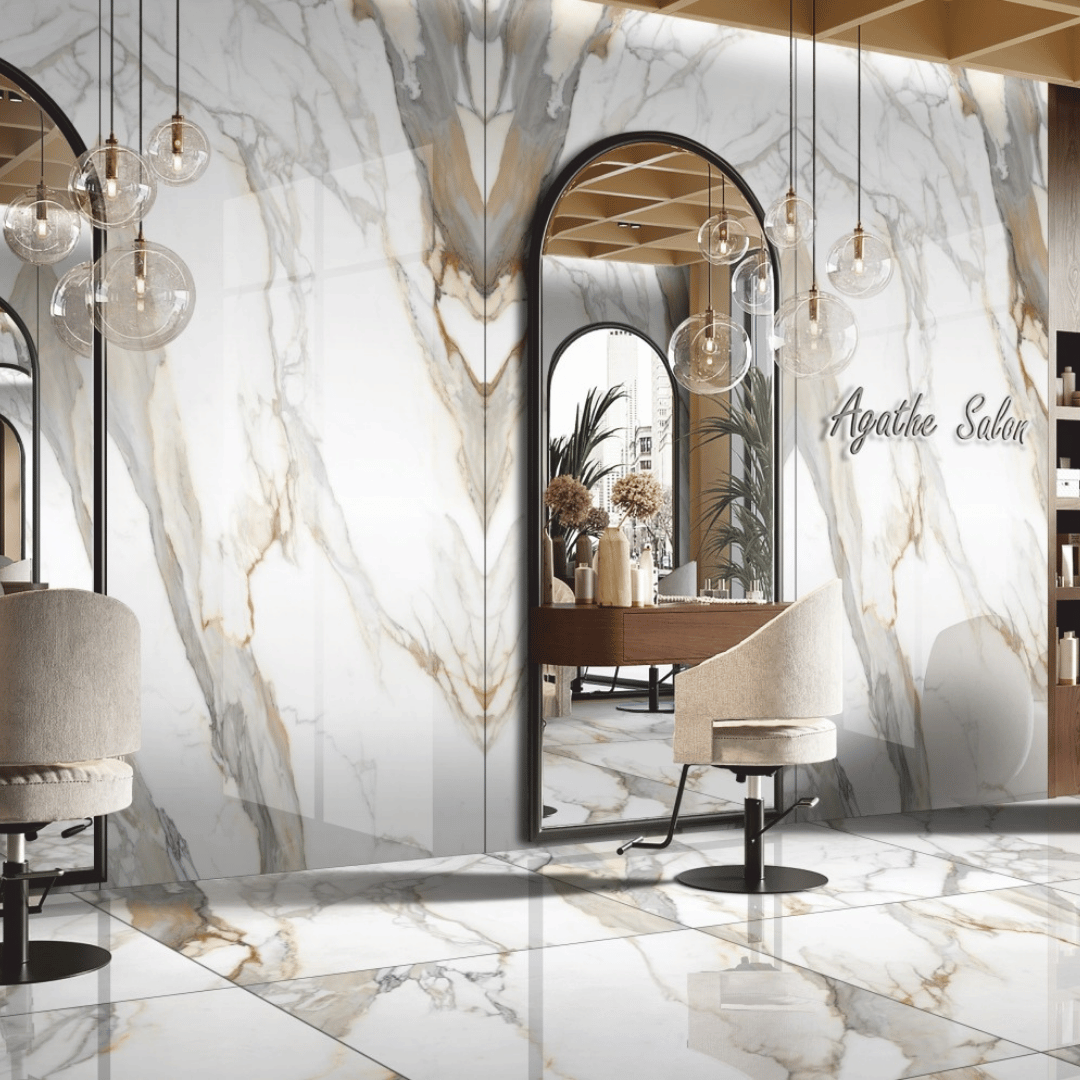
Matching patterns can create a sense of continuity throughout your space. For example, if you have a veined marble countertop, consider a floor tile that features a similar veining pattern.
2. Use Contrasting Patterns
Contrasting patterns can create visual interest and depth. Pair a busy patterned countertop with a more subdued floor to prevent overwhelming the space.
3. Layout Considerations
Consider how the layout of your stones will affect the overall flow of your space. For instance, running the same stone in a diagonal pattern across the floor can guide the eye toward a beautiful countertop.
4. Create Zones
In open-concept designs, using different stones to define zones can be effective. For example, using porcelain tiles in the kitchen area and granite in the dining space can create distinct yet harmonious areas.
Practical Tips for Selection
When selecting stone floors and countertops, consider the following practical tips:
- Assess Your Lifestyle: Choose stones that fit your lifestyle. For high-traffic areas, opt for durable materials like granite or porcelain.
- Plan for Maintenance: Understand the maintenance requirements of each stone type. Some stones need regular sealing, while others are more forgiving.
- Consult with Experts: Don’t hesitate to reach out to surface specialists. At Builder Stone Global, our team can guide you through the selection process. Contact us today to speak with our experts.
Maintenance Guidelines for Stone Surfaces
Proper maintenance is crucial for preserving the beauty and longevity of your stone surfaces. Here are some maintenance guidelines:
1. Regular Cleaning
Use a pH-balanced cleaner to regularly clean your stone surfaces. Avoid acidic or abrasive cleaners that can damage the finish.
2. Sealing
Depending on the stone type, sealing may be necessary to prevent stains and moisture penetration. Consult with your supplier for specific recommendations.
3. Addressing Stains Promptly
In the event of spills, clean them up immediately to prevent staining. For tough stains, consult a professional for appropriate cleaning solutions.
Expert Insights: Designing with Stone
To provide additional insights, we’ve gathered expert tips from renowned interior designers:
“When coordinating stone surfaces, always consider the natural light in the space. It can dramatically change how colors and textures appear.” – Jane Doe, Interior Designer
“Don’t be afraid to mix different types of stone. Combining textures can add depth and character to your design.” – John Smith, Architect
Conclusion
Coordinating stone floors and countertops in your Atlanta home can elevate your interior design to new heights. By understanding the different types of stone, selecting complementary colors, and harmonizing patterns, you can create a cohesive and stylish environment. Remember to prioritize maintenance to keep your surfaces looking their best for years to come. For further assistance, feel free to contact Builder Stone Global to explore our premium selection of quartz, porcelain, and natural stone slabs.
FAQs
1. What types of stone are best for kitchen countertops?
Granite, quartzite, and porcelain slabs are excellent choices for kitchen countertops due to their durability and resistance to stains.
2. How do I choose the right stone for my flooring?
Consider the traffic level, maintenance requirements, and aesthetic preferences when choosing stone for flooring.
3. Can I mix different types of stone in my home?
Yes, mixing different types of stone can add depth and character to your design if done thoughtfully.
4. How do I maintain my stone surfaces?
Regular cleaning with a pH-balanced cleaner and sealing when necessary will help maintain your stone surfaces.
5. What are the benefits of using porcelain slabs?
Porcelain slabs are highly durable, resistant to scratching, and available in various styles, making them an excellent choice for both floors and countertops.
6. How can I prevent staining on my stone countertops?
Promptly clean spills and use a high-quality sealant to protect against stains.
7. What is the best finish for stone countertops in a busy kitchen?
A honed finish is often recommended for busy kitchens as it provides slip resistance and is less likely to show fingerprints.
8. How can I create a cohesive look between my floors and countertops?
Choose complementary colors, textures, and patterns, and consider the overall design theme of your home.