The Complete Guide to Polished vs. Matte Slab Finishes for Every Application
The Complete Guide to Polished vs. Matte Slab Finishes for Every Application
When it comes to selecting the perfect slab finish for your architectural surfaces, understanding the differences between polished and matte finishes is crucial. This guide will provide you with comprehensive insights into both finishes, helping you make an informed decision for your next project. Whether you’re a countertop fabricator, interior designer, or homeowner, knowing the characteristics, advantages, and best applications of polished and matte finishes can significantly impact the aesthetic and functional outcomes of your spaces.
1. Understanding Slab Finishes
Slab finishes refer to the surface texture of stone materials, which can significantly affect both visual appeal and usability. The two most common finishes in the industry are polished and matte. Each finish serves different aesthetic and practical purposes, making it essential to understand their unique properties before making a selection.
2. The Characteristics of Polished Finishes
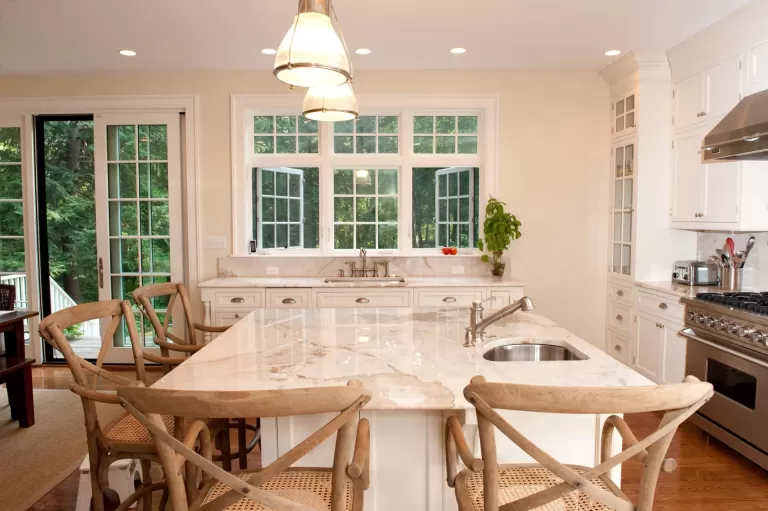
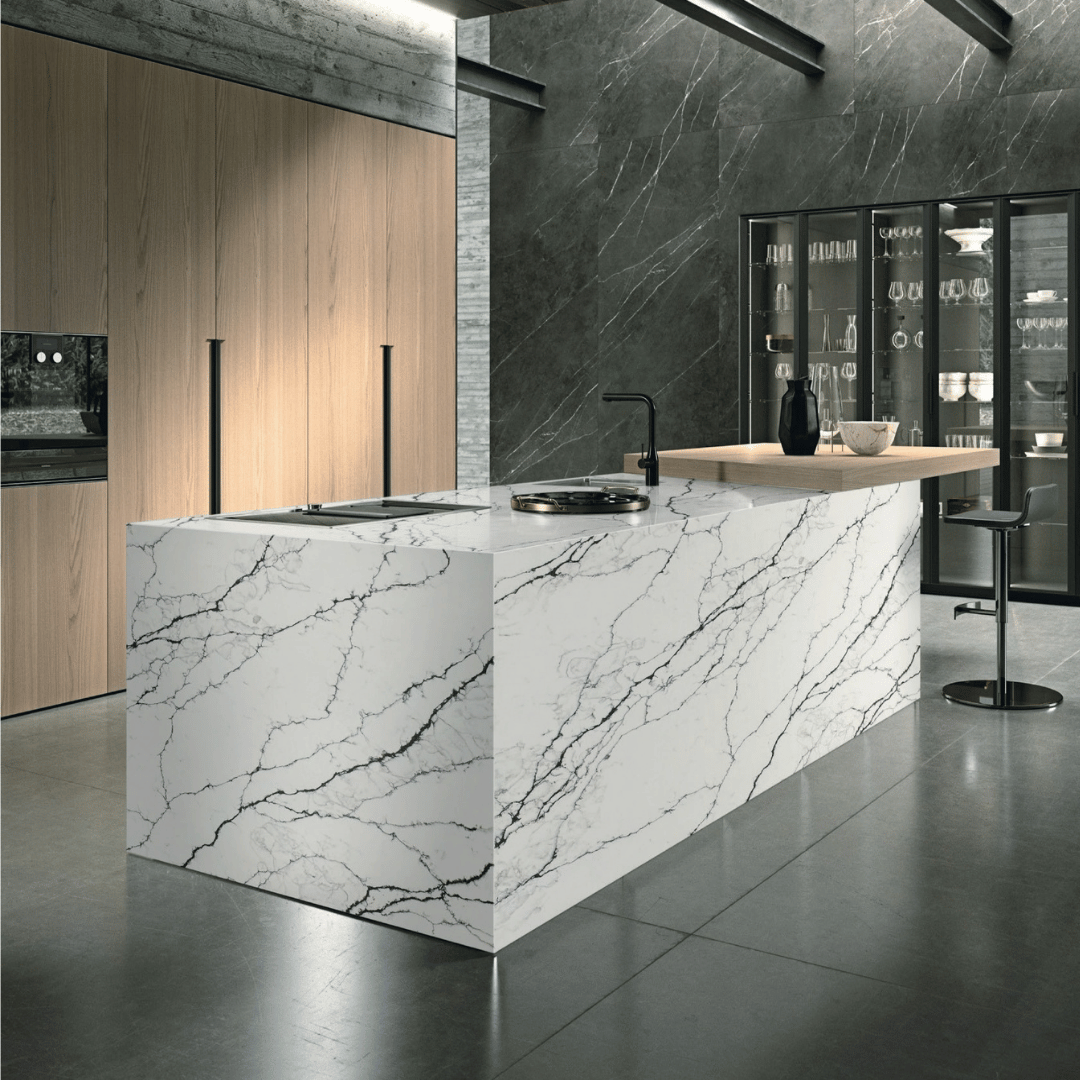
Polished finishes are known for their glossy appearance and reflective qualities. This finish is achieved through a meticulous grinding and polishing process, which creates a smooth surface that enhances the natural colors and patterns of the stone.
Advantages of Polished Finishes
- Enhanced Aesthetics: Polished surfaces reflect light beautifully, adding depth and vibrancy to the stone.
- Stain Resistance: The dense surface of polished stone is less porous, making it more resistant to stains and easier to clean.
- Durability: Polished finishes are typically more durable and can withstand heavy use, making them ideal for high-traffic areas.
Disadvantages of Polished Finishes
- Maintenance: While easier to clean, polished surfaces may require periodic resealing to maintain their shine.
- Scratches: Polished finishes can show scratches and wear more visibly than matte finishes.
3. The Characteristics of Matte Finishes
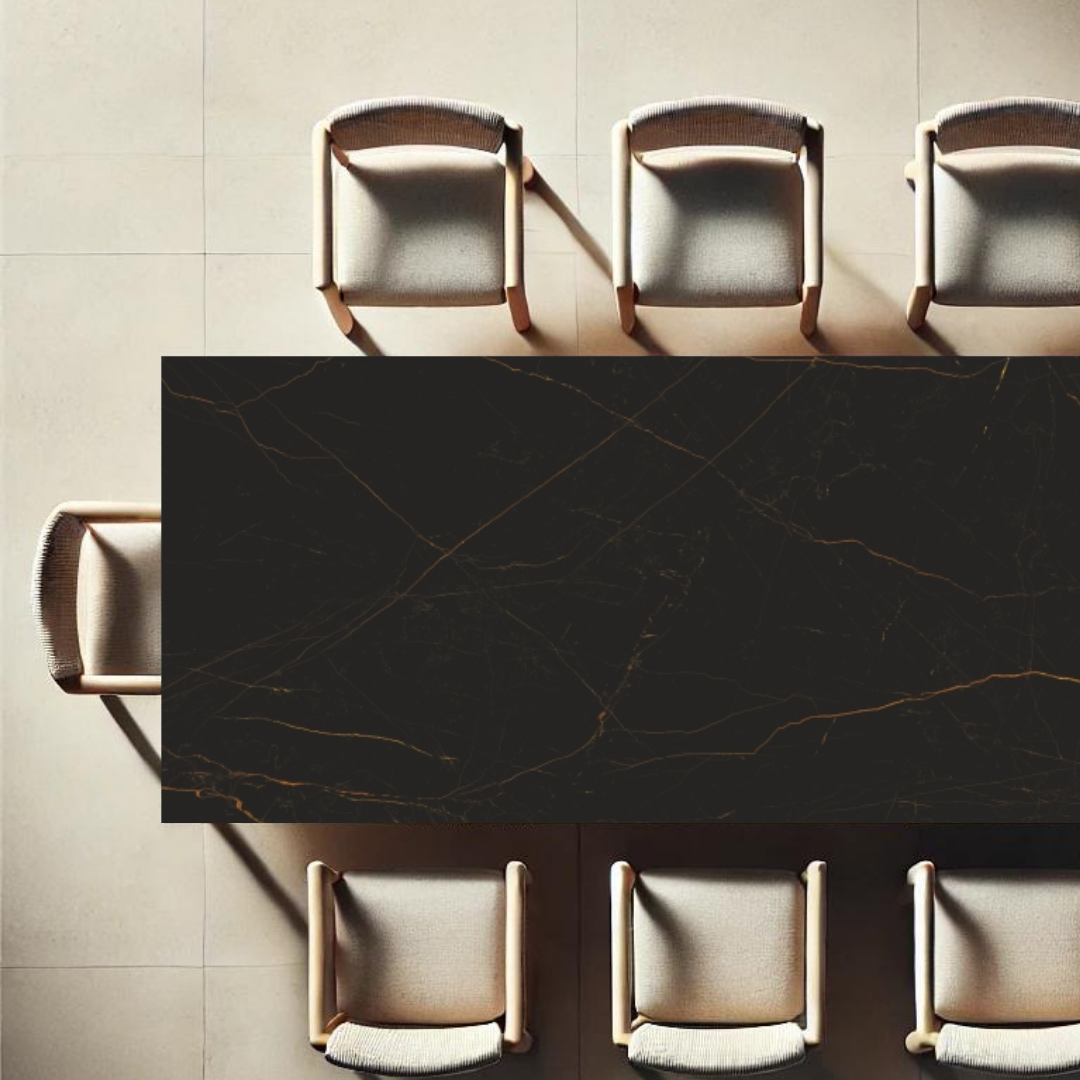
Matte finishes offer a non-reflective surface that provides a more understated and natural look. This finish is achieved through a grinding process that leaves the surface slightly textured.
Advantages of Matte Finishes
- Subtle Elegance: Matte surfaces provide a sophisticated, softer appearance that complements various design styles.
- Hides Imperfections: The textured nature of matte finishes can effectively conceal scratches and wear.
- Slip Resistance: Matte finishes often provide better traction, making them suitable for flooring applications.
Disadvantages of Matte Finishes
- Stain Sensitivity: Matte finishes can be more porous, making them more susceptible to stains, especially from oils and liquids.
- Cleaning Challenges: Cleaning matte surfaces can be more challenging, as they may require specific cleaning products to avoid streaks.
4. Comparing Polished and Matte Finishes
| Feature | Polished Finish | Matte Finish |
|---|---|---|
| Aesthetic Appeal | High gloss and reflection | Soft, subtle appearance |
| Stain Resistance | Highly resistant | Less resistant |
| Maintenance | Requires resealing | Special cleaning products needed |
| Durability | Very durable | Durable but may show wear |
| Slip Resistance | Less slip-resistant | More slip-resistant |
5. Best Applications for Each Finish
Choosing the right finish for your project can significantly impact both aesthetics and functionality. Here are some recommended applications for polished and matte finishes:
Polished Finish Applications
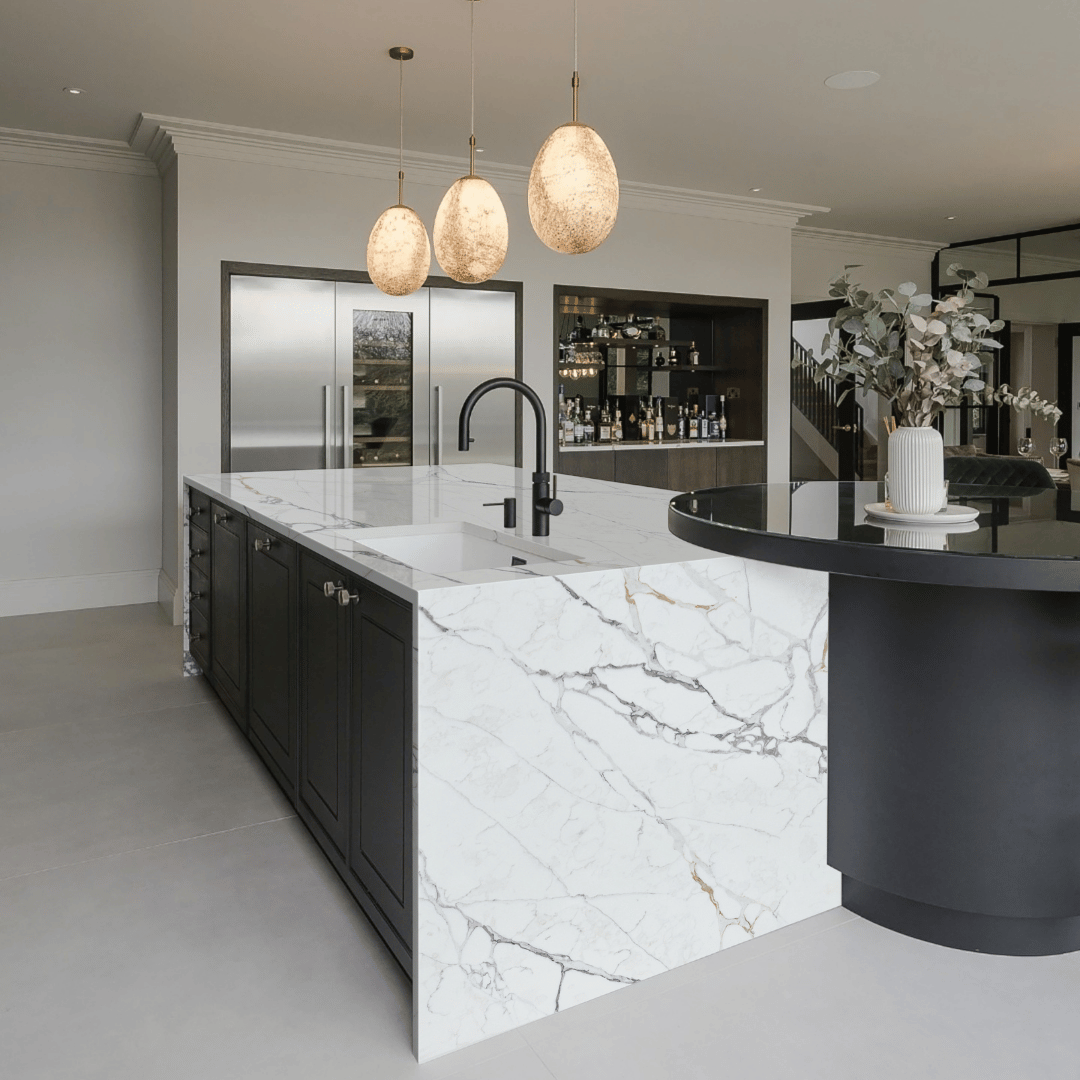
- Countertops: Ideal for kitchen and bathroom countertops where aesthetics and stain resistance are crucial.
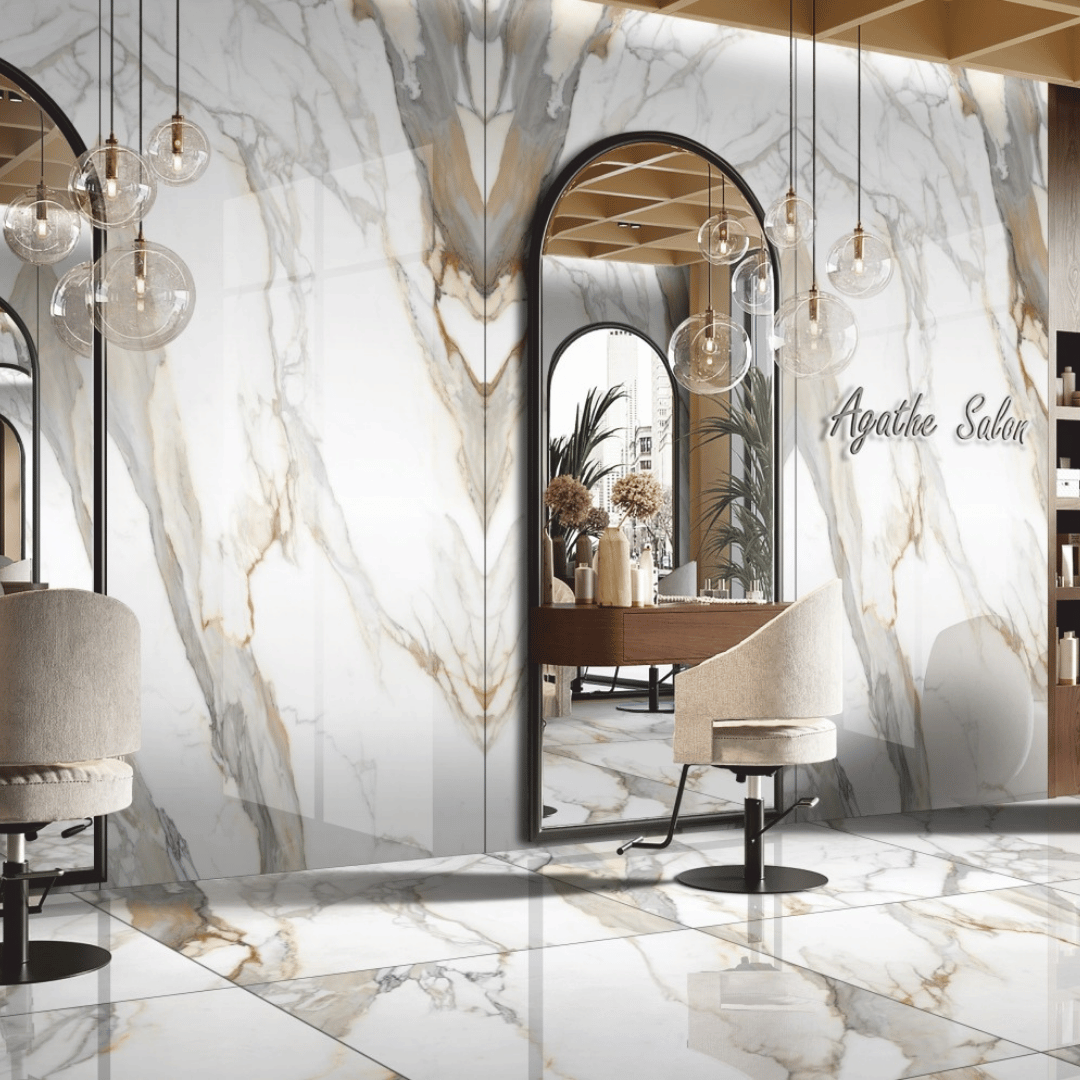
- Walls: Polished finishes can enhance the look of accent walls, creating a luxurious feel.
- Commercial Spaces: High-traffic areas benefit from the durability and easy maintenance of polished surfaces.
Matte Finish Applications
- Floors: Matte finishes work well for flooring, providing slip resistance and minimizing visible wear.
- Outdoor Spaces: Ideal for patios and outdoor kitchens, where a natural look and slip resistance are desired.
- Bathrooms: Matte finishes can create a spa-like ambiance in bathrooms while providing necessary slip resistance.
6. Maintenance and Care for Slab Finishes
Proper maintenance is essential for preserving the beauty and longevity of both polished and matte finishes. Here are some tips for maintaining each:
Maintaining Polished Finishes
- Regularly clean with a pH-balanced stone cleaner to avoid damaging the surface.
- Reseal every 6-12 months, depending on usage and exposure to moisture.
- Avoid abrasive cleaning products that can scratch the surface.
Maintaining Matte Finishes
- Use a soft cloth and a gentle cleaner specifically formulated for matte surfaces.
- Wipe up spills immediately to prevent staining, especially from oils and acidic substances.
- Consider applying a protective sealant designed for matte finishes to enhance durability.
7. Expert Tips for Choosing the Right Finish
8. Conclusion
In conclusion, both polished and matte slab finishes offer unique advantages that cater to different needs and design preferences. Polished finishes are excellent for those seeking a vibrant, reflective surface, while matte finishes provide a more understated elegance with practical benefits.
For your next project, consider visiting our live inventory to explore our extensive selection of premium quartz, porcelain, and natural stone slabs. Our surface specialists are ready to help you choose the perfect finish for your architectural surfaces. Call +1 470-551-2092 to speak with our surface specialists today!
9. FAQs
What is the difference between polished and matte finishes?
Polished finishes are glossy and reflective, while matte finishes have a non-reflective, textured appearance.
Are polished surfaces more durable than matte surfaces?
Polished surfaces are typically more durable and stain-resistant compared to matte surfaces.
Which finish is better for kitchen countertops?
Polished finishes are often preferred for kitchen countertops due to their stain resistance and vibrant appearance.
Can matte finishes be used in bathrooms?
Yes, matte finishes are great for bathrooms, providing a spa-like feel and slip resistance.
How do I maintain a polished finish?
Maintain a polished finish by regularly cleaning with a pH-balanced cleaner and resealing every 6-12 months.
Is a matte finish harder to clean than a polished finish?
Matte finishes can be more challenging to clean, as they may require specific cleaning products to avoid streaks.
What are the best applications for matte finishes?
Matte finishes are ideal for flooring, outdoor spaces, and bathrooms due to their slip resistance and understated elegance.
Where can I find premium slabs for my project?
Visit Builder Stone Global for an extensive selection of premium quartz, porcelain, and natural stone slabs.