





Why Quartz Slab Distribution Requires Careful Handling and Climate-Controlled Storage
Why Quartz Slab Distribution Requires Careful Handling and Climate-Controlled Storage
When it comes to premium architectural surfaces, few materials rival quartz for its durability, versatility, and aesthetic appeal. However, the journey from the quarry to the end user is fraught with challenges that necessitate careful handling and climate-controlled storage. As a premier quartz slab distributor in Norcross, GA, Builder Stone Global understands these challenges intimately. In this article, we will explore why careful handling and climate control are essential for quartz slab distribution, the impact of environmental variables on the material, and best practices to ensure optimal quality and longevity.
Understanding Quartz and Its Properties
Quartz is an engineered stone composed of approximately 90-95% crushed natural quartz crystals combined with resins and pigments. This unique composition grants quartz slabs several advantageous properties, making them a popular choice for countertops, flooring, and other architectural surfaces:
- Durability: Quartz is highly resistant to scratches, stains, and impact, making it suitable for high-traffic areas.
- Low Maintenance: Unlike natural stones, quartz does not require sealing, making it easier to maintain over time.
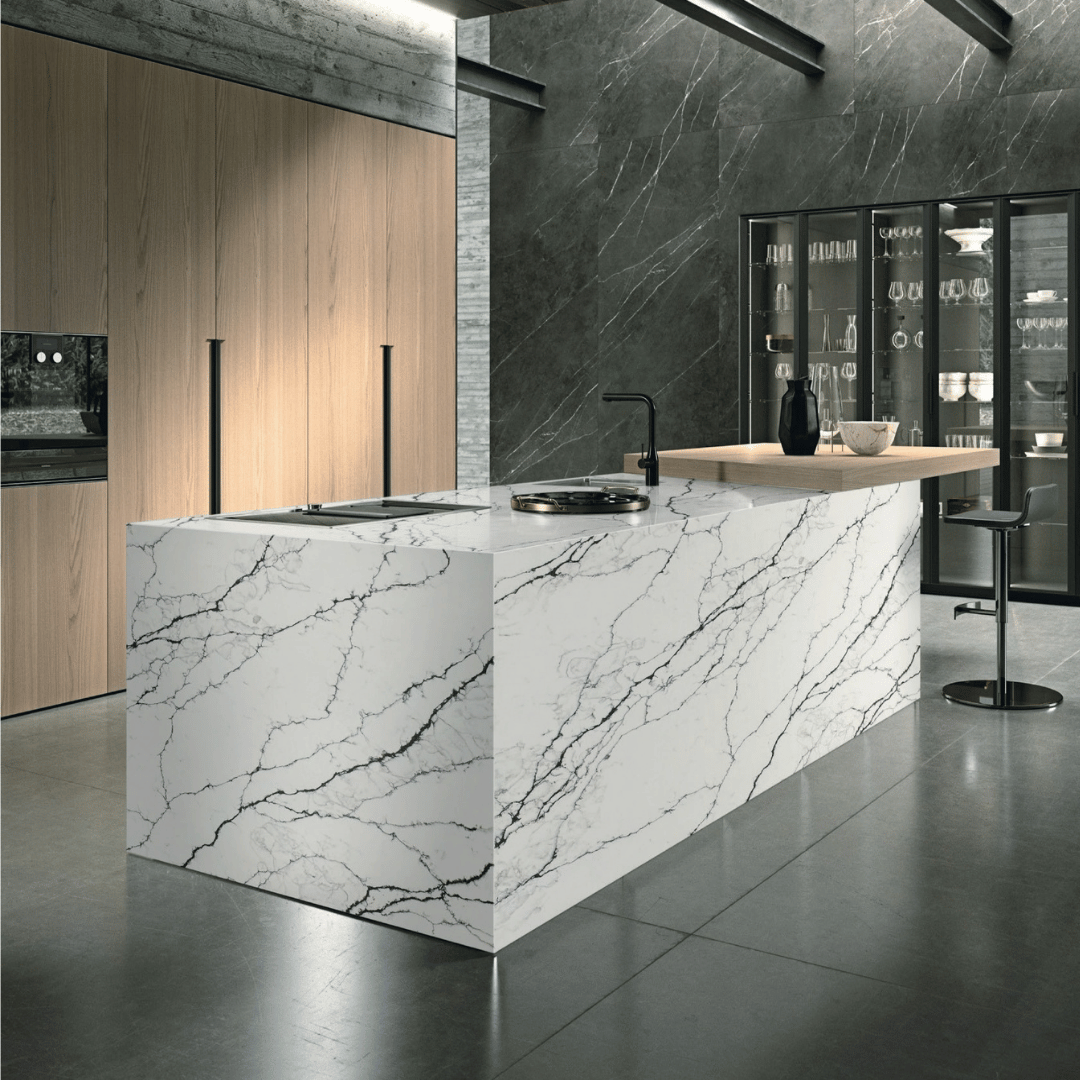
- Design Versatility: Available in a wide range of colors and patterns, quartz can be tailored to fit any design aesthetic.
However, despite its impressive qualities, quartz is not impervious to damage. Factors such as temperature fluctuations, moisture levels, and physical handling can significantly affect its integrity. This is why careful distribution practices are imperative.
The Importance of Careful Handling
Careful handling of quartz slabs begins at the point of extraction and continues through the distribution process. Here are several reasons why this practice is vital:
1. Preventing Physical Damage
Quartz slabs are heavy and can be easily chipped or cracked if not handled correctly. Improper lifting techniques or insufficient protective measures during transport can lead to irreversible damage.
2. Maintaining Aesthetic Quality
Many quartz slabs feature intricate designs and patterns that can be disrupted if they are mishandled. Scratches, dents, or chips can detract from the visual appeal and perceived value of the material.
3. Ensuring Safety
The weight of quartz slabs poses a safety risk during handling. Proper lifting techniques and equipment are essential to prevent injuries to workers and damage to the slabs.
4. Preserving Material Properties
Excessive heat or cold can alter the properties of quartz, leading to changes in color and texture. Careful handling ensures that slabs are kept within optimal temperature ranges throughout transport.
Climate-Controlled Storage: Why It Matters
Climate-controlled storage is another critical aspect of quartz slab distribution. Here’s how environmental factors can impact quartz and why maintaining a stable climate is essential:
1. Temperature Sensitivity
Quartz is sensitive to temperature changes. Extreme heat can cause the resin within the slabs to expand, while cold conditions can lead to contraction. Rapid fluctuations can introduce stress fractures.
2. Humidity Control
High humidity levels can lead to condensation on quartz surfaces, potentially introducing moisture into the resin. This can weaken the bonds and lead to delamination over time.
3. Dust and Contaminants
Storing quartz slabs in a climate-controlled environment minimizes exposure to dust and contaminants, which can mar the surface and affect the overall quality.
4. Longevity of the Material
Proper climate control ensures that quartz slabs maintain their structural integrity and aesthetic appeal over time, ultimately enhancing their lifespan and performance.
Best Practices for Quartz Slab Distribution
Implementing best practices in quartz slab distribution is essential for maintaining quality. Here are some expert tips to consider:
1. Use Specialized Equipment
Utilize equipment specifically designed for handling heavy slabs, such as suction cups and slab lifters, to minimize the risk of damage.
2. Train Your Team
Ensure that all employees involved in the handling and transportation of quartz slabs are trained in proper techniques and safety protocols.
3. Invest in Climate-Controlled Facilities
Consider investing in climate-controlled storage facilities that monitor temperature and humidity levels to protect your inventory.
4. Implement Quality Control Checks
Conduct regular quality control checks to ensure that slabs remain in optimal condition throughout the handling and storage process.
5. Monitor Environmental Conditions
Utilize sensors to monitor temperature and humidity levels in storage areas, enabling quick response to any fluctuations.
The Role of Technology in Quartz Slab Distribution
Advancements in technology are transforming the way quartz slabs are distributed. Here’s how technology enhances the distribution process:
1. Automated Inventory Management
Using automated systems can help track inventory levels, ensuring that your stock is always up to date and reducing the risk of overstocking or understocking.
2. Real-Time Monitoring Systems
Implementing real-time monitoring systems allows for continuous tracking of environmental conditions in storage facilities, ensuring optimal conditions for quartz slabs.
3. Enhanced Communication Tools
Utilizing communication platforms can streamline coordination between suppliers, distributors, and clients, ensuring that everyone is informed regarding inventory status and delivery schedules.
4. Advanced Packaging Solutions
Invest in specialized packaging that protects quartz slabs during transport, minimizing the risk of damage.
Conclusion
In conclusion, the distribution of quartz slabs requires meticulous attention to handling and climate control. As a premium quartz slab distributor in Norcross, GA, Builder Stone Global prioritizes these practices to ensure that our clients receive only the highest quality products. By understanding the properties of quartz and implementing best practices, we can enhance the longevity and performance of this exceptional material.
FAQs
What is quartz slab made of?
Quartz slabs are composed of approximately 90-95% crushed natural quartz crystals mixed with resins and pigments.
Why is careful handling important for quartz slabs?
Careful handling prevents physical damage, maintains aesthetic quality, ensures safety, and preserves material properties.
How does climate control affect quartz slabs?
Climate control protects quartz slabs from temperature fluctuations, humidity, and contaminants that can affect their quality and longevity.
What are the best practices for quartz slab distribution?
Best practices include using specialized equipment, training staff, investing in climate-controlled facilities, implementing quality control checks, and monitoring environmental conditions.
Can quartz slabs be damaged during transport?
Yes, improper handling and transport can lead to chips, cracks, and other forms of damage.
How can I ensure the longevity of my quartz surfaces?
Proper handling, climate-controlled storage, and regular maintenance will help ensure the longevity of quartz surfaces.
What should I look for in a quartz slab distributor?
Look for distributors who prioritize quality control, have climate-controlled facilities, and offer a wide selection of premium quartz slabs.
Where can I find premium quartz slabs?
Visit Builder Stone Global for a wide selection of premium quartz slabs and expert advice.