
The Complete Guide to Understanding Slab Thickness Options for Different Applications
The Complete Guide to Understanding Slab Thickness Options for Different Applications
Updated on August 9, 2026
When embarking on a project that involves architectural surfaces, one of the most critical decisions is selecting the appropriate slab thickness. This choice can significantly impact the durability, aesthetic appeal, and functionality of your design. In this comprehensive guide, we will delve into the various slab thickness options available for materials like quartz, porcelain, and natural stone, ensuring you make an informed decision that aligns with your project requirements and design vision.
Understanding Slab Thickness
Slab thickness refers to the vertical dimension of a stone or engineered surface, typically measured in centimeters (cm) or inches. This dimension plays a crucial role in determining the slab’s weight, structural integrity, and application suitability. For instance, a thicker slab generally offers enhanced durability and can withstand heavier loads, making it ideal for high-traffic areas or commercial applications. Conversely, thinner slabs may be more suitable for wall applications or decorative elements where weight is a concern.
At Builder Stone Global, we provide an extensive inventory of high-performance slabs that cater to various thickness requirements, ensuring you find the perfect fit for your architectural surface needs.
Common Slab Thickness Options
Slabs are typically available in several standard thickness options, each suited for specific applications. Here are some of the most commonly used thicknesses:
- 1 cm (0.39 inches): Often used for wall cladding and decorative applications, this thickness is lightweight and easy to handle. Ideal for vertical installations where weight is a concern.
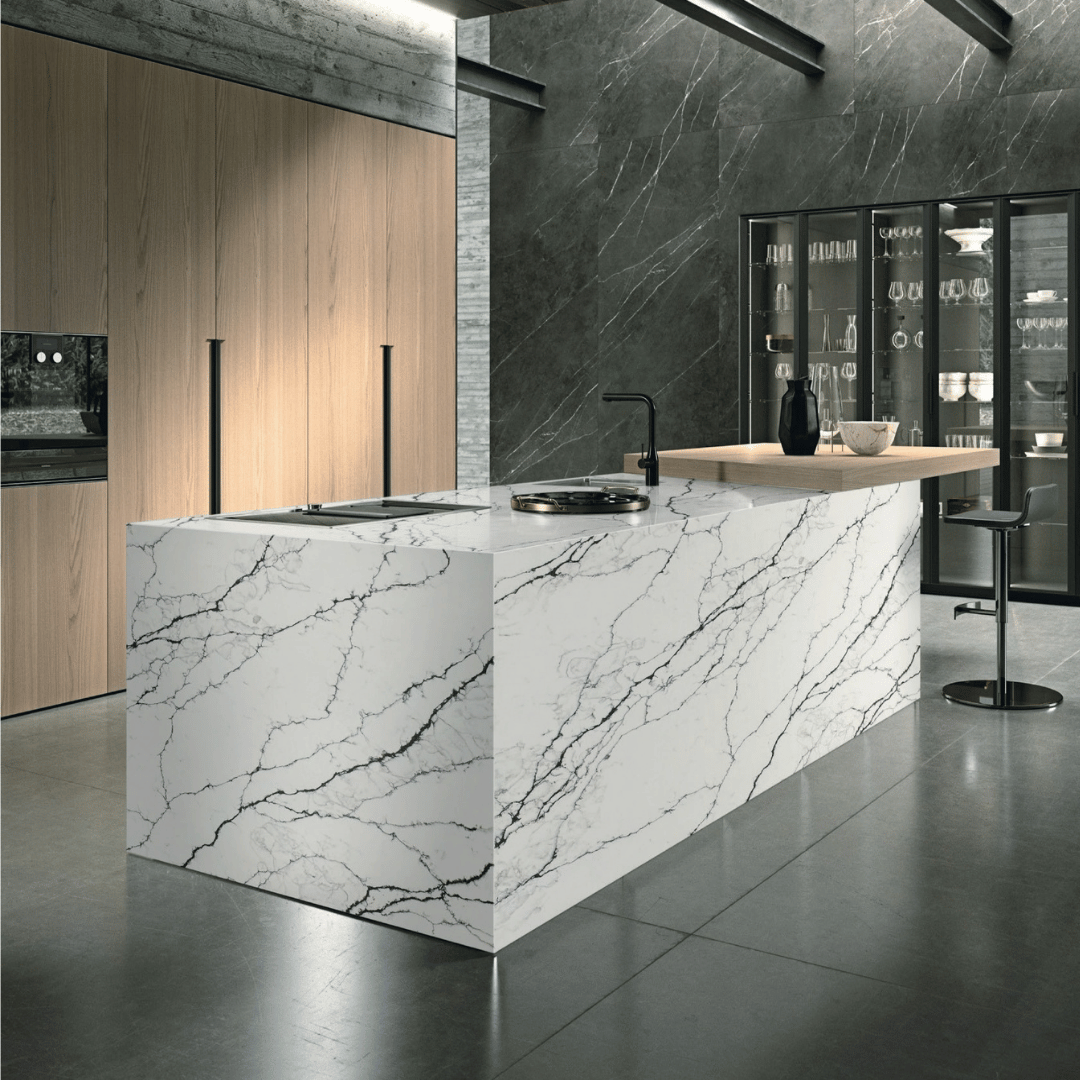
- 2 cm (0.79 inches): This is the most popular thickness for countertops and surfaces in both residential and commercial settings. It strikes a balance between durability and aesthetics, offering sufficient strength while remaining manageable for installations.
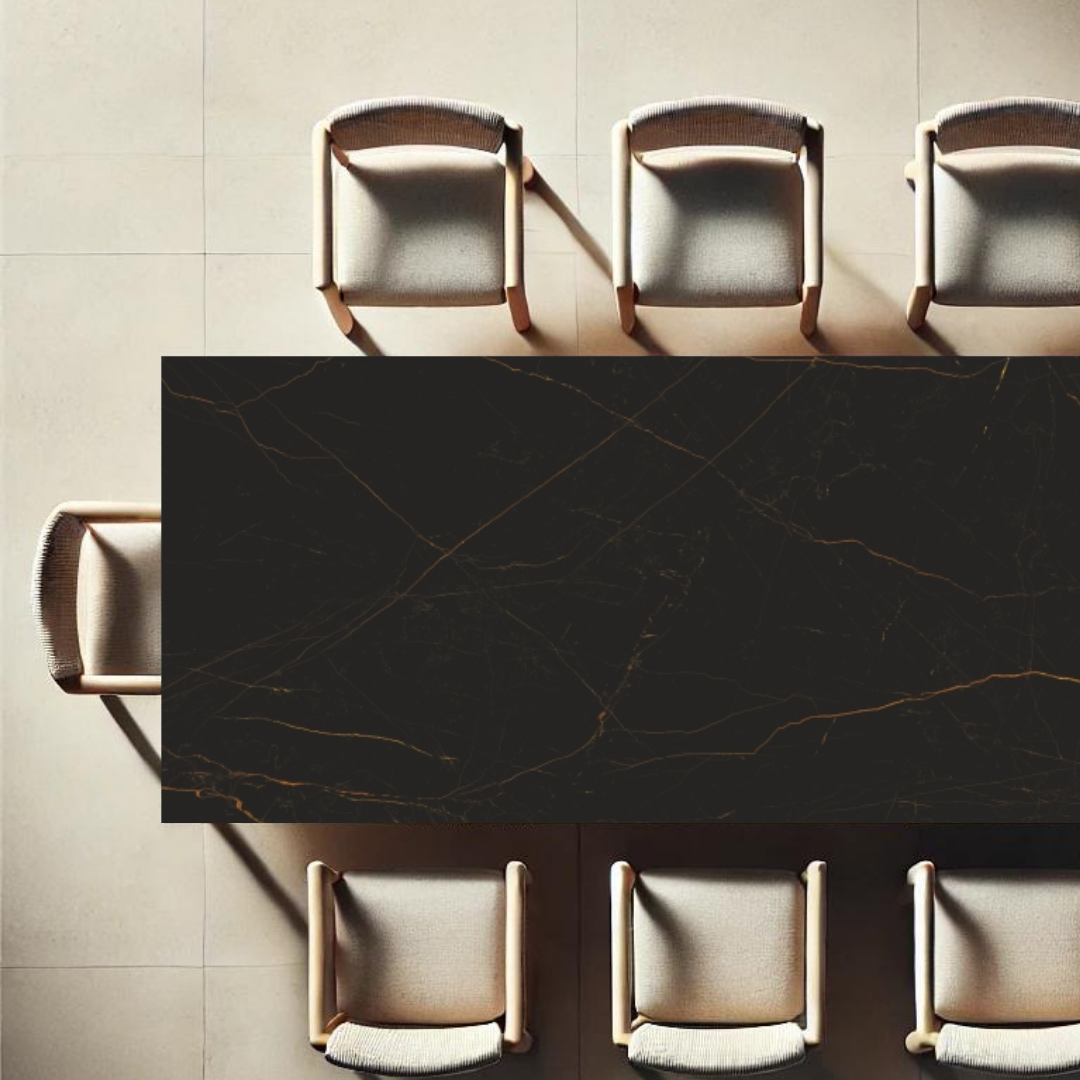
- 3 cm (1.18 inches): A robust option for high-end applications, this thickness is favored for heavy-duty countertops, tabletops, and flooring in high-traffic areas. Its substantial weight and thickness provide excellent durability and resistance to chipping.
- 5 cm (1.97 inches) and above: Used predominantly in specialized applications such as architectural features, large-scale installations, or custom fabrications. This thickness offers unparalleled strength but may require additional structural support.
Choosing the Right Thickness for Your Application
Selecting the appropriate slab thickness involves several considerations, including the intended use, design aesthetic, and structural requirements. Here are key factors to consider:
1. Application Type
Different applications have varying demands. For example:
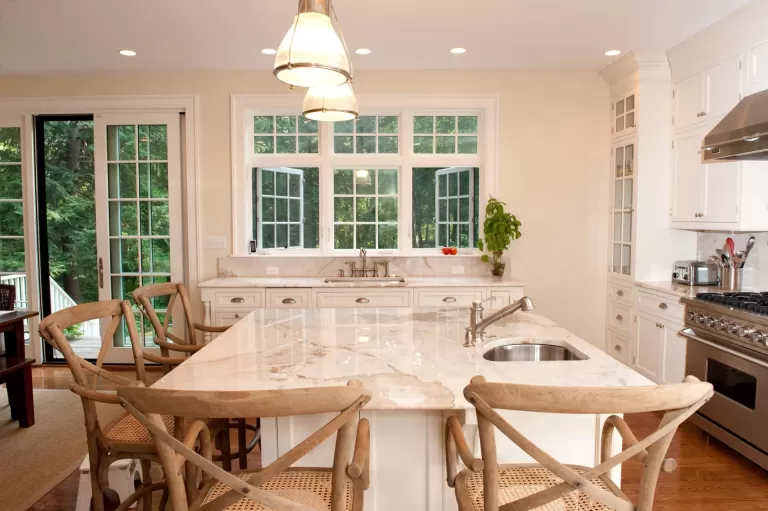
- **Countertops:** A thickness of 2 cm is common, but 3 cm is recommended for larger spans without support.
- **Walls:** Thinner slabs (1 cm) can be used for wall applications where weight is a concern.
- **Floors:** Thicker slabs (2-3 cm) are preferred for flooring to withstand foot traffic and heavy loads.
2. Aesthetic Considerations
The visual impact of slab thickness can also influence your choice. Thicker slabs often convey a sense of luxury and permanence, while thinner options can create a sleek, modern look. Consider how the thickness will impact the overall design of your space.
3. Structural Support
Ensure that the substrate or support structure can handle the weight of the chosen thickness. For thicker slabs, additional reinforcement may be necessary to prevent cracking or bowing.
4. Cost Factors
Thicker slabs generally come at a higher cost due to the increased material usage. However, the investment may pay off in terms of durability and longevity, particularly for high-traffic applications.
Comparative Analysis of Slab Thickness
Understanding the differences in slab thickness helps in making informed decisions. Below is a comparison table outlining the key attributes of various thicknesses:
| Thickness | Applications | Durability | Weight | Cost |
|---|---|---|---|---|
| 1 cm | Wall cladding, decorative elements | Low | Lightweight | Lower cost |
| 2 cm | Countertops, flooring | Moderate | Moderate | Standard cost |
| 3 cm | High-end countertops, commercial surfaces | High | Heavy | Higher cost |
| 5 cm+ | Architectural features, custom pieces | Very high | Very heavy | Premium cost |
Maintenance Considerations Based on Thickness
Maintenance requirements can vary based on slab thickness and material type. Here are some considerations:
1. Thinner Slabs
Thinner slabs may require more careful handling during installation and maintenance due to their susceptibility to cracking. Regular sealing may be necessary to protect against staining.
2. Thicker Slabs
While thicker slabs are generally more durable, they can be more challenging to install due to their weight. Ensure proper sealing and cleaning to maintain their appearance and longevity.
Expert Tips for Selecting Slab Thickness
To aid in your decision-making process, here are some expert tips:
1. Consider Future Needs
Think about potential future applications for your space. Choosing a thicker slab may be beneficial if you anticipate changing uses or increased foot traffic.
2. Sample Testing
Request samples of different thicknesses to visualize how they will look in your space and understand their weight and handling characteristics.
3. Seek Professional Advice
Engage with architects, designers, or fabricators who have experience with slab installations. Their insights can be invaluable in selecting the right thickness for your project.
FAQs
What thickness is best for kitchen countertops?
The most common thickness for kitchen countertops is 2 cm, while 3 cm is recommended for larger spans or high-end applications.
Can I use 1 cm slabs for flooring?
While 1 cm slabs can be used for flooring, they are generally not recommended for high-traffic areas due to their lower durability.
How do I maintain thick stone slabs?
Regular sealing and careful cleaning are essential for maintaining thick stone slabs. Avoid harsh chemicals that can damage the surface.
Is thickness the only factor to consider for slabs?
No, other factors such as material type, application, and aesthetics should also be considered when selecting slab thickness.
What are the benefits of thicker slabs?
Thicker slabs offer greater durability, resistance to chipping, and a more luxurious appearance, making them ideal for high-end applications.
Can I mix slab thicknesses in my design?
Yes, mixing slab thicknesses can create visual interest and cater to different functional needs within the same space.
How do I choose between quartz and natural stone slabs?
Consider factors such as maintenance, durability, and aesthetics. Quartz is often more consistent in appearance, while natural stone offers unique patterns.
Where can I find premium slabs in Norcross, GA?
Visit Builder Stone Global for an extensive selection of premium quartz, porcelain, and natural stone slabs with various thickness options.
Conclusion
Selecting the right slab thickness is crucial for achieving both functionality and aesthetic appeal in your architectural projects. By understanding the various thickness options available and considering factors such as application, aesthetics, and maintenance, you can make an informed decision. At Builder Stone Global, we are committed to providing premium quality slabs tailored to your specific needs. Contact us today to speak with our surface specialists and explore our extensive inventory.