How HD Quartz Surfaces Achieve Depth and Movement Through Advanced Manufacturing
How HD Quartz Surfaces Achieve Depth and Movement Through Advanced Manufacturing
In the realm of premium architectural surfaces, HD quartz surfaces stand out for their remarkable depth and movement. These high-performance materials not only enhance the aesthetic appeal of spaces but also offer durability and functionality that meets the demands of modern design. In this comprehensive guide, we will explore the advanced manufacturing processes that enable HD quartz surfaces to achieve their stunning visual effects, including depth and movement. By the end of this article, you will understand how these surfaces are produced, their unique benefits, and how to choose the right HD quartz for your projects.
What is HD Quartz?
HD quartz, or high-definition quartz, represents a new generation of engineered stone surfaces that combine natural quartz with advanced technology to produce visually stunning slabs. Unlike traditional quartz surfaces, HD quartz surfaces are designed to mimic the intricate patterns and depth of natural stone while offering greater consistency and performance.
The unique composition of HD quartz typically consists of about 90-95% natural quartz crystals, mixed with resins, pigments, and other additives. This blend not only enhances the visual appeal but also improves durability, making HD quartz an excellent choice for countertops, backsplashes, and other architectural applications.
The Manufacturing Process of HD Quartz Surfaces
The manufacturing process of HD quartz surfaces involves several critical steps that contribute to their unique appearance and performance. Understanding these steps can help designers and fabricators make informed choices when selecting materials for their projects.
1. Raw Material Selection
The first step in producing HD quartz surfaces is the careful selection of high-quality raw materials. This includes sourcing natural quartz crystals, resins, and pigments from reputable suppliers. The purity and quality of these materials are crucial for achieving the desired aesthetic and performance characteristics.
2. Blending and Mixing
Once the raw materials are sourced, they are blended together in precise ratios. This process involves mixing the quartz crystals with resins and pigments to achieve a uniform consistency. The mixing process is key to ensuring that the final product will have a consistent color and pattern throughout the slab.
3. Molding
After blending, the mixture is poured into molds to form slabs. The molds can be designed to create various thicknesses and sizes, allowing for customization based on project requirements. During this stage, vibration and vacuum processes may be employed to remove air bubbles and ensure a dense, solid product.
4. Curing
Once the slabs are molded, they undergo a curing process. This step is essential for hardening the resin and bonding the materials together. The slabs are typically cured in a controlled environment, allowing for optimal temperature and humidity conditions that enhance the resin’s performance.
5. Polishing and Finishing
After curing, the slabs are polished to achieve the desired finish. This can include a high-gloss or matte surface, depending on the design intent. Advanced polishing techniques enhance the depth and movement of the surface, making it visually striking. The finishing touches may also involve edge treatments and quality control checks to ensure that each slab meets the highest standards.
Creating Depth in HD Quartz Surfaces
One of the most remarkable features of HD quartz surfaces is their ability to create the illusion of depth. This effect is achieved through several techniques employed during the manufacturing process.
1. Color Layering
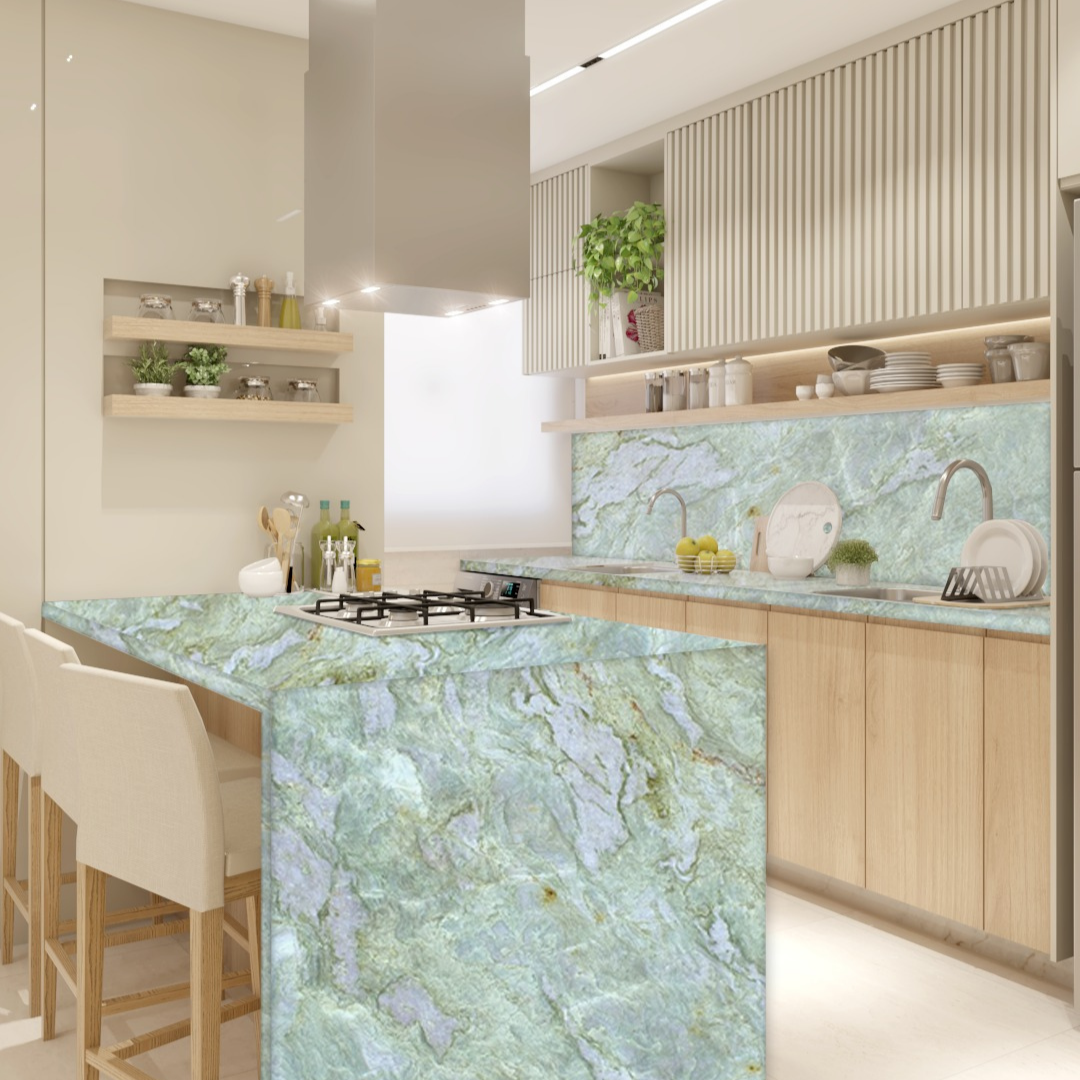
Color layering is a technique that involves adding multiple layers of pigments during the mixing process. By varying the shades and tones, manufacturers can create a depth effect that mimics the appearance of natural stone. This method allows for the production of slabs that boast rich, multi-dimensional colors.
2. Veining Techniques
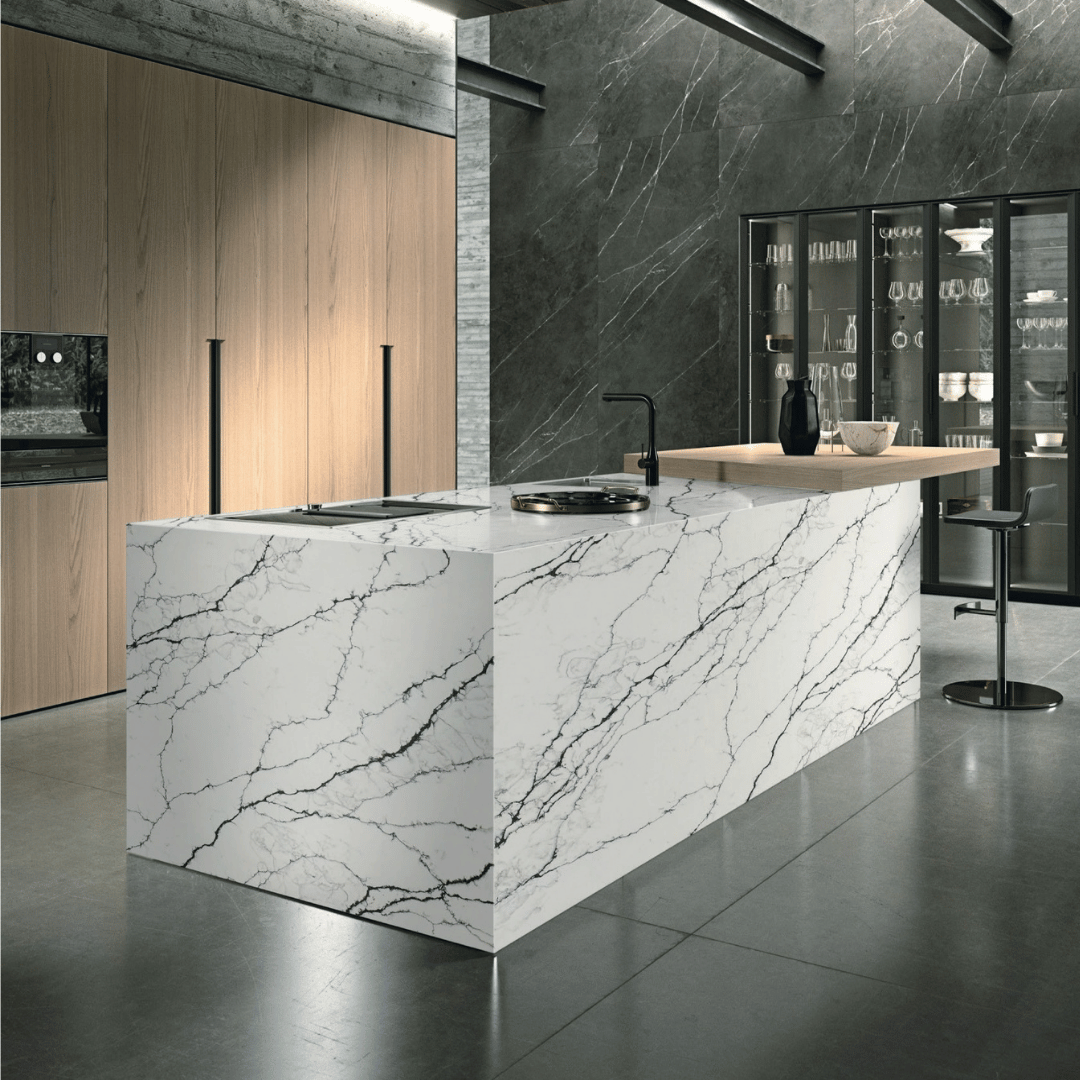
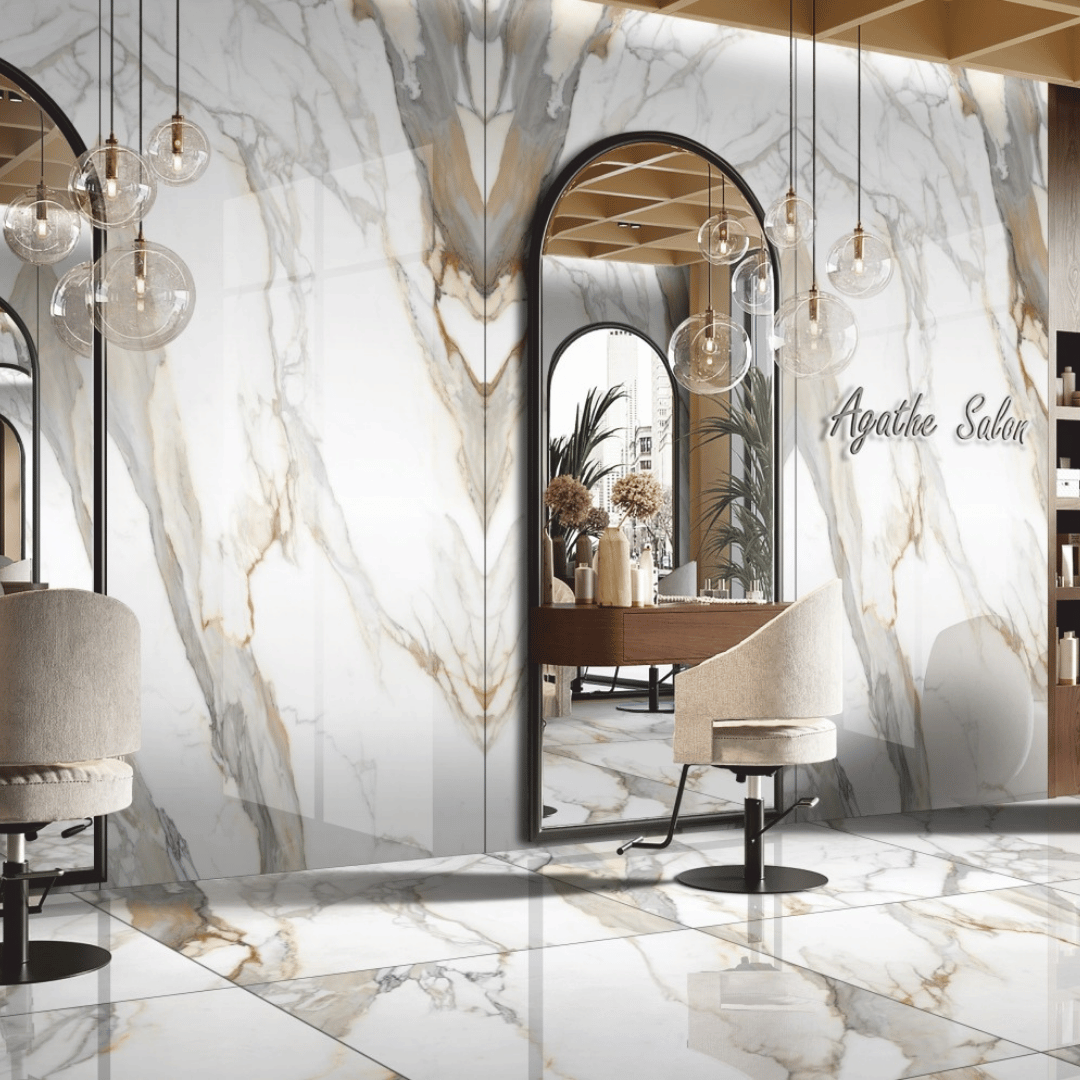
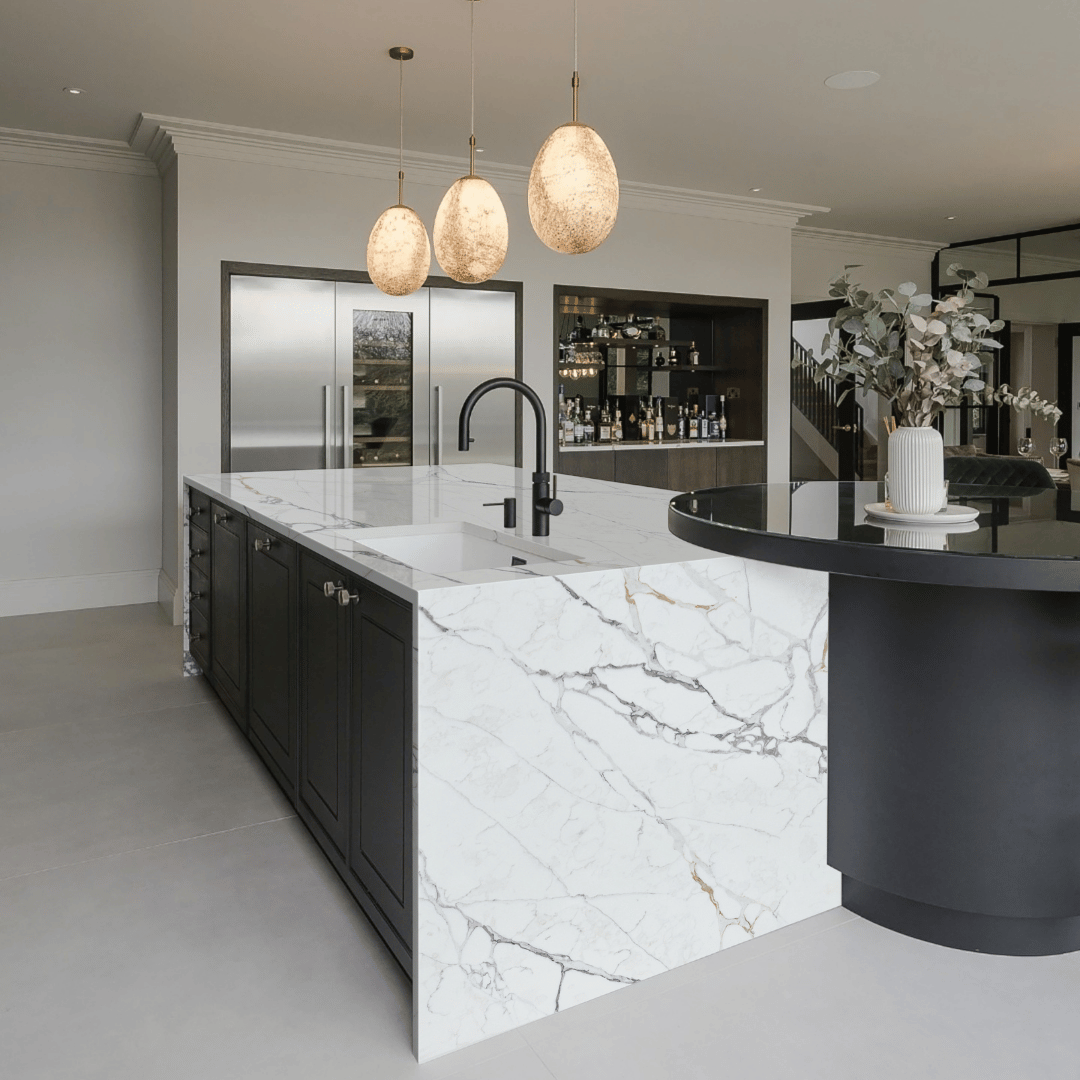
Advanced veining techniques are used to replicate the intricate patterns found in natural stones like marble and granite. These veins can be created through the strategic placement of contrasting colors during the mixing process or through post-manufacturing techniques that involve applying additional layers of resin and pigments.
3. Surface Texturing
Surface texturing plays a crucial role in enhancing the depth of HD quartz surfaces. By creating subtle textures on the surface, manufacturers can reflect light in different ways, adding to the dimensionality of the material. Textures can range from fine graining to more pronounced patterns, depending on the desired outcome.
Creating Movement in HD Quartz Surfaces
In addition to depth, HD quartz surfaces can also exhibit a sense of movement, making them visually dynamic and engaging. This is achieved through a combination of design techniques and manufacturing processes.
1. Flowing Patterns
Flowing patterns are designed to mimic the natural movement found in stones like marble. By carefully controlling the mixing and pouring of materials, manufacturers can create patterns that appear to flow across the surface, enhancing the illusion of movement.
2. Gradient Effects
Gradient effects involve transitioning between colors in a way that creates a sense of motion. This technique can be used to produce slabs that have a soft, flowing appearance, drawing the eye across the surface and adding to the overall aesthetic appeal.
3. Light Reflection
The reflective properties of HD quartz surfaces also contribute to the perception of movement. By employing polishing techniques that enhance the surface’s shine, manufacturers can create slabs that catch and reflect light, giving the illusion of movement as the viewer changes their perspective.
Benefits of HD Quartz Surfaces
HD quartz surfaces offer numerous advantages that make them an ideal choice for a variety of applications. Here are some of the key benefits:
- Durability: HD quartz surfaces are engineered to withstand everyday wear and tear, making them suitable for high-traffic areas.
- Low Maintenance: Unlike natural stone, HD quartz does not require sealing or special maintenance, making it easy to care for.
- Consistent Appearance: The manufacturing process ensures that HD quartz surfaces have a uniform appearance, eliminating the variability often found in natural stone.
- Environmental Considerations: Many HD quartz manufacturers prioritize sustainability, using recycled materials in their products.
Design Tips for Using HD Quartz
When incorporating HD quartz surfaces into your design projects, consider the following tips to maximize their impact:
1. Choose the Right Color Palette
Select colors that complement the overall design scheme of your space. Neutral tones can create a calming atmosphere, while bold colors can serve as a statement piece.
2. Consider Surface Finishes
Decide whether a polished or matte finish best suits your design intent. Polished finishes tend to reflect light and enhance depth, while matte finishes offer a more subdued look.
3. Use Contrasting Veining
Incorporate slabs with contrasting veining to add visual interest. This can enhance the sense of movement and depth in your design.
4. Plan for Lighting
Lighting plays a crucial role in showcasing the beauty of HD quartz surfaces. Consider using natural light, accent lighting, or under-cabinet lighting to highlight the material’s features.
Frequently Asked Questions
1. What is HD quartz?
HD quartz, or high-definition quartz, is an engineered stone surface made from a blend of natural quartz crystals, resins, and pigments, designed to mimic the appearance of natural stone.
2. How is HD quartz manufactured?
The manufacturing process includes raw material selection, blending, molding, curing, and polishing, which together create a durable and visually appealing surface.
3. What are the benefits of using HD quartz surfaces?
Benefits include durability, low maintenance, consistent appearance, and the potential for environmentally friendly manufacturing practices.
4. How do HD quartz surfaces achieve depth?
Depth is achieved through color layering, veining techniques, and surface texturing, which create the illusion of dimensionality.
5. Can HD quartz surfaces be used in outdoor applications?
While HD quartz is primarily designed for indoor use, some products may be suitable for outdoor applications; however, it’s essential to consult with the manufacturer.
6. How do I care for HD quartz surfaces?
HD quartz surfaces require minimal maintenance; simply clean with soap and water or a gentle cleaner, avoiding harsh chemicals.
7. Are HD quartz surfaces heat resistant?
HD quartz surfaces are heat resistant to a degree, but it’s advisable to use trivets or hot pads to protect the surface from extreme heat.
8. Where can I purchase HD quartz surfaces?
You can explore our extensive in-stock quartz slab inventory at Builder Stone Global’s Norcross showroom or check our live inventory.
Conclusion
In conclusion, HD quartz surfaces represent a significant advancement in engineered stone technology, providing a unique blend of beauty and performance. Their ability to achieve depth and movement through advanced manufacturing techniques makes them an attractive option for architects, designers, and homeowners alike. With their numerous benefits, including durability and low maintenance, HD quartz surfaces are poised to remain a popular choice in contemporary design. For more information on selecting the right HD quartz for your project, contact our surface specialists today!