
How Porcelain Slab Technology Enables Ultra-Thin Profiles for Wall and Cladding Applications
How Porcelain Slab Technology Enables Ultra-Thin Profiles for Wall and Cladding Applications
Updated on August 14, 2026
In the realm of architectural design, the quest for innovation and elegance has led to the rise of porcelain slab technology, particularly in the context of ultra-thin profiles for wall and cladding applications. As a premier quartz slab distributor in Norcross, GA, Builder Stone Global recognizes the transformative power of this technology, allowing designers and architects to push the boundaries of creativity while maintaining structural integrity and aesthetic appeal. In this comprehensive guide, we will explore how porcelain slabs enable ultra-thin profiles, their benefits, applications, and considerations for implementation.
What Are Porcelain Slabs?
Porcelain slabs are large-format tiles made from refined clay and minerals, subjected to high temperatures and pressures during the manufacturing process. This results in a dense, durable material with low porosity, making it an excellent choice for various architectural applications. Unlike traditional ceramic tiles, porcelain slabs offer superior strength and versatility, allowing for thinner profiles without compromising performance.
The Technology Behind Ultra-Thin Profiles
The advancement of porcelain slab technology has paved the way for ultra-thin profiles, generally ranging from 6mm to 12mm in thickness. This innovation is primarily attributed to:
- High-Pressure Compaction: The manufacturing process involves pressing the raw materials at extremely high pressures, resulting in a compact structure that enhances the slab’s strength and durability.
- Sintering Process: During sintering, the materials are heated to a temperature where they fuse together without melting, creating a strong bond that contributes to the slab’s integrity.
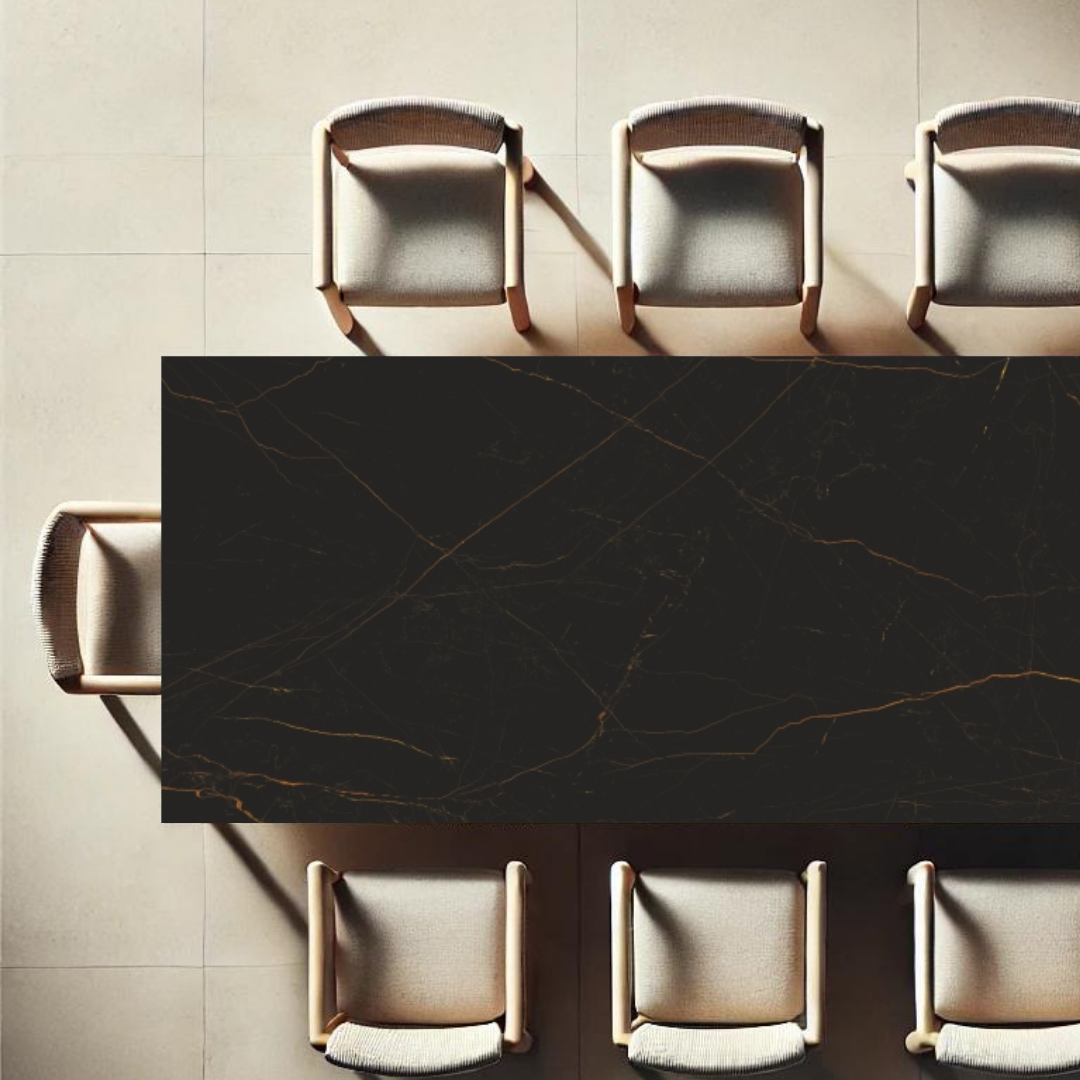
- Digital Printing Technology: Modern porcelain slabs can be digitally printed with intricate designs and textures, allowing for a wide array of aesthetic options that can mimic natural materials such as stone or wood.
- Advanced Glazing Techniques: New glazing methods enhance the slab’s surface finish, providing additional resistance to scratches, stains, and UV rays.
These technological advancements enable manufacturers to produce ultra-thin porcelain slabs that maintain excellent performance characteristics while offering designers greater flexibility in their projects.
Benefits of Ultra-Thin Porcelain Slabs
Ultra-thin porcelain slabs provide numerous advantages, making them an appealing choice for architects and designers:
| Benefit | Description |
|---|---|
| Lightweight | Ultra-thin slabs reduce the overall weight of wall and cladding systems, facilitating easier handling and installation. |
| Design Flexibility | The versatility in thickness and size allows for creative applications in both residential and commercial settings. |
| Durability | Porcelain slabs are resistant to scratches, stains, and heat, ensuring longevity in high-traffic areas. |
| Low Maintenance | The non-porous nature of porcelain prevents moisture absorption, reducing the need for frequent cleaning and sealing. |
| Eco-Friendly Options | Many manufacturers produce porcelain slabs using sustainable practices, making them a green choice for environmentally conscious projects. |
Applications of Ultra-Thin Porcelain Slabs
With their myriad benefits, ultra-thin porcelain slabs are suitable for a wide range of applications:
- Wall Cladding: These slabs can be used as exterior and interior wall cladding, providing a sleek, modern look while enhancing insulation and weather resistance.
- Bathroom Design: Ultra-thin porcelain is ideal for shower walls, vanities, and flooring due to its water resistance and easy maintenance.
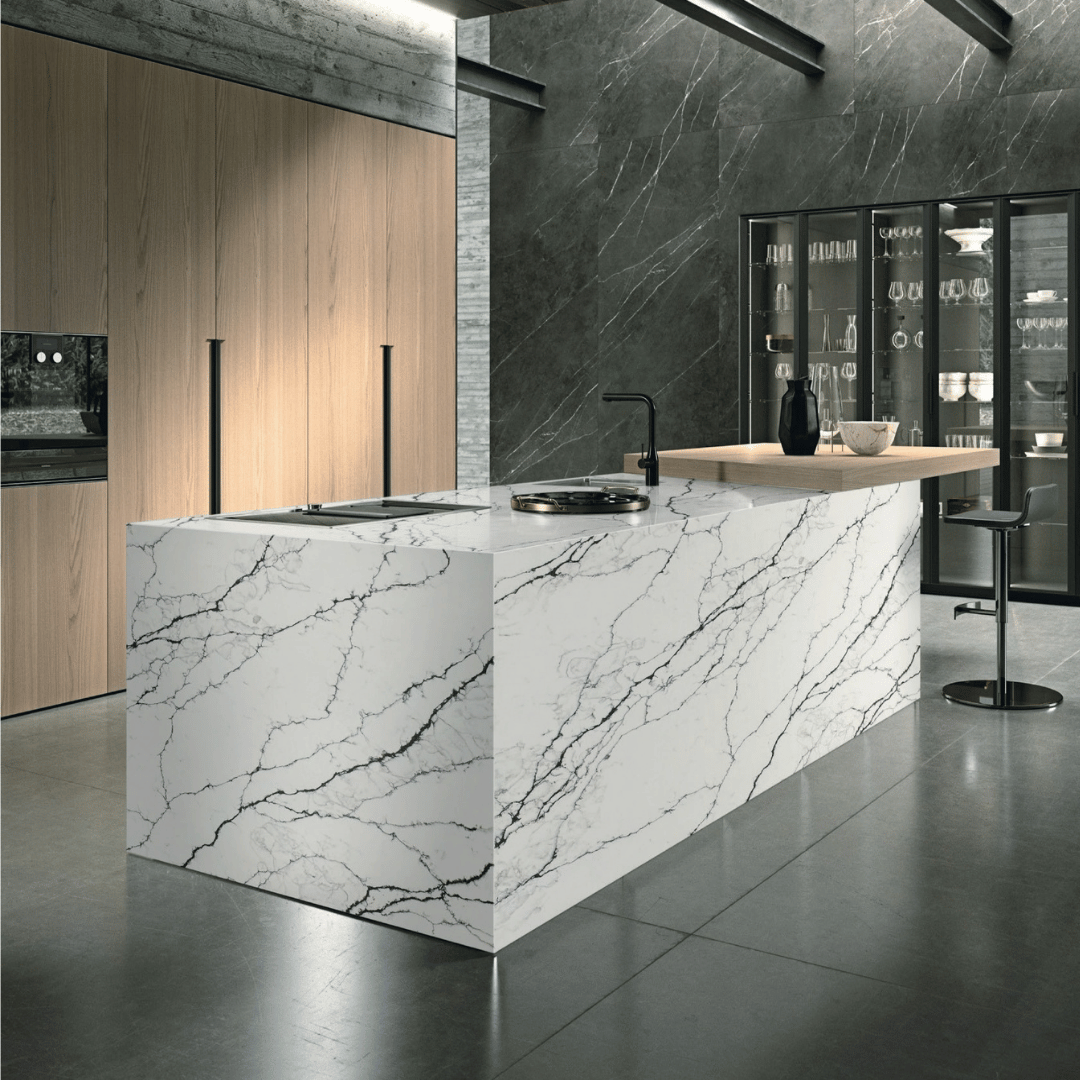
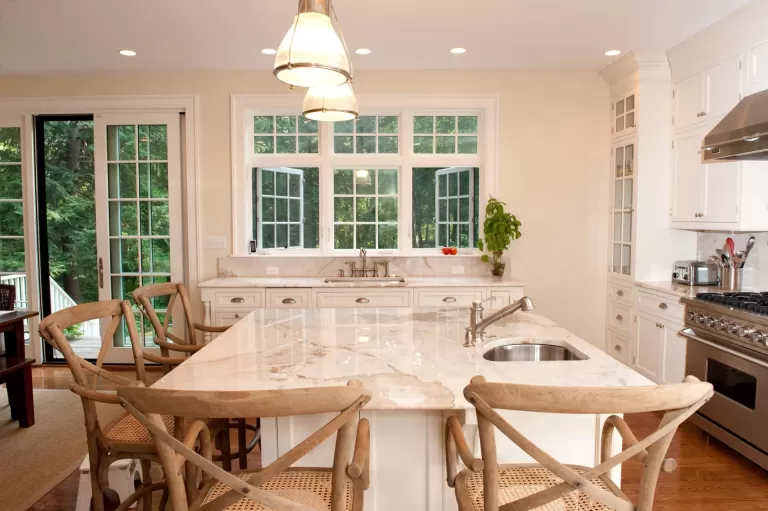
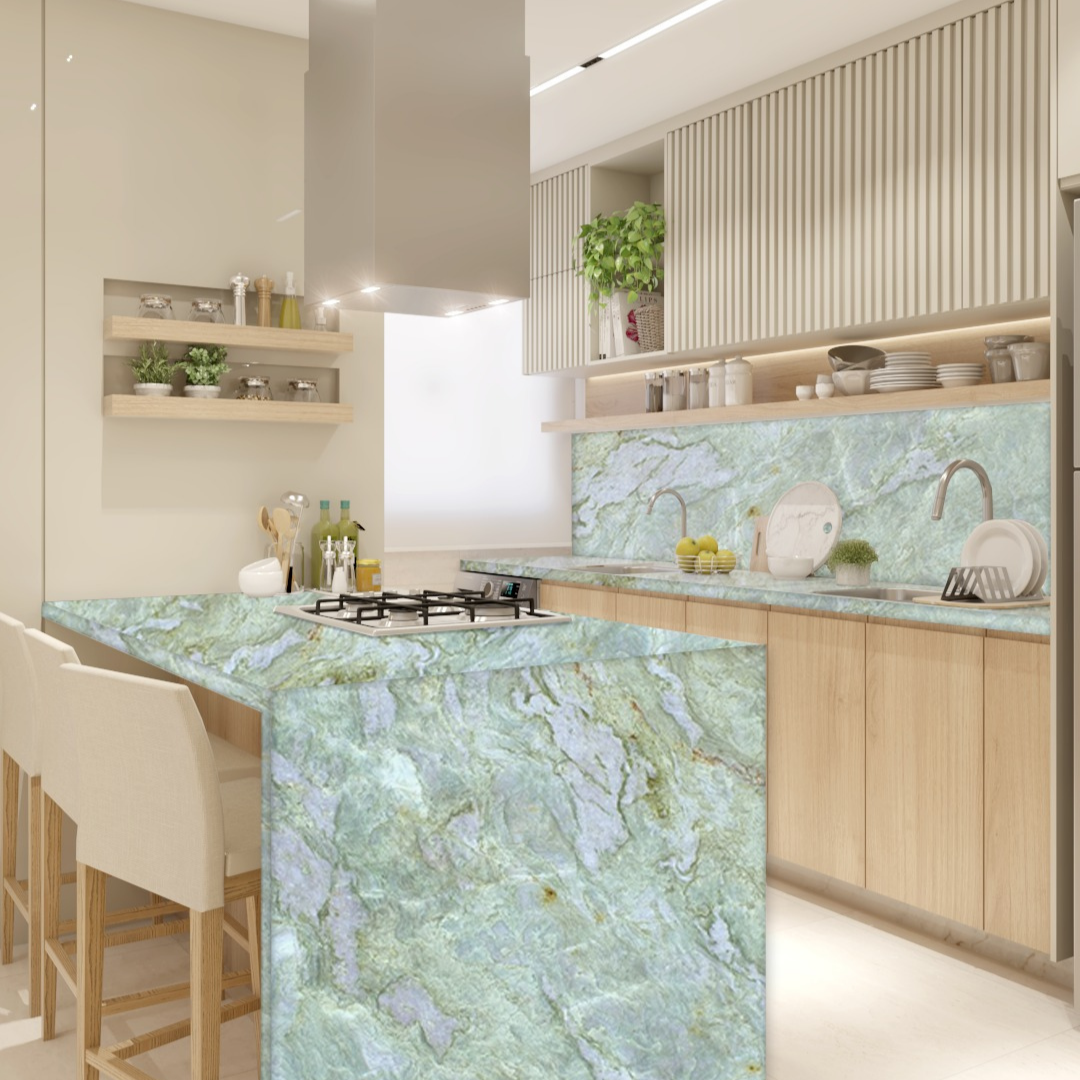
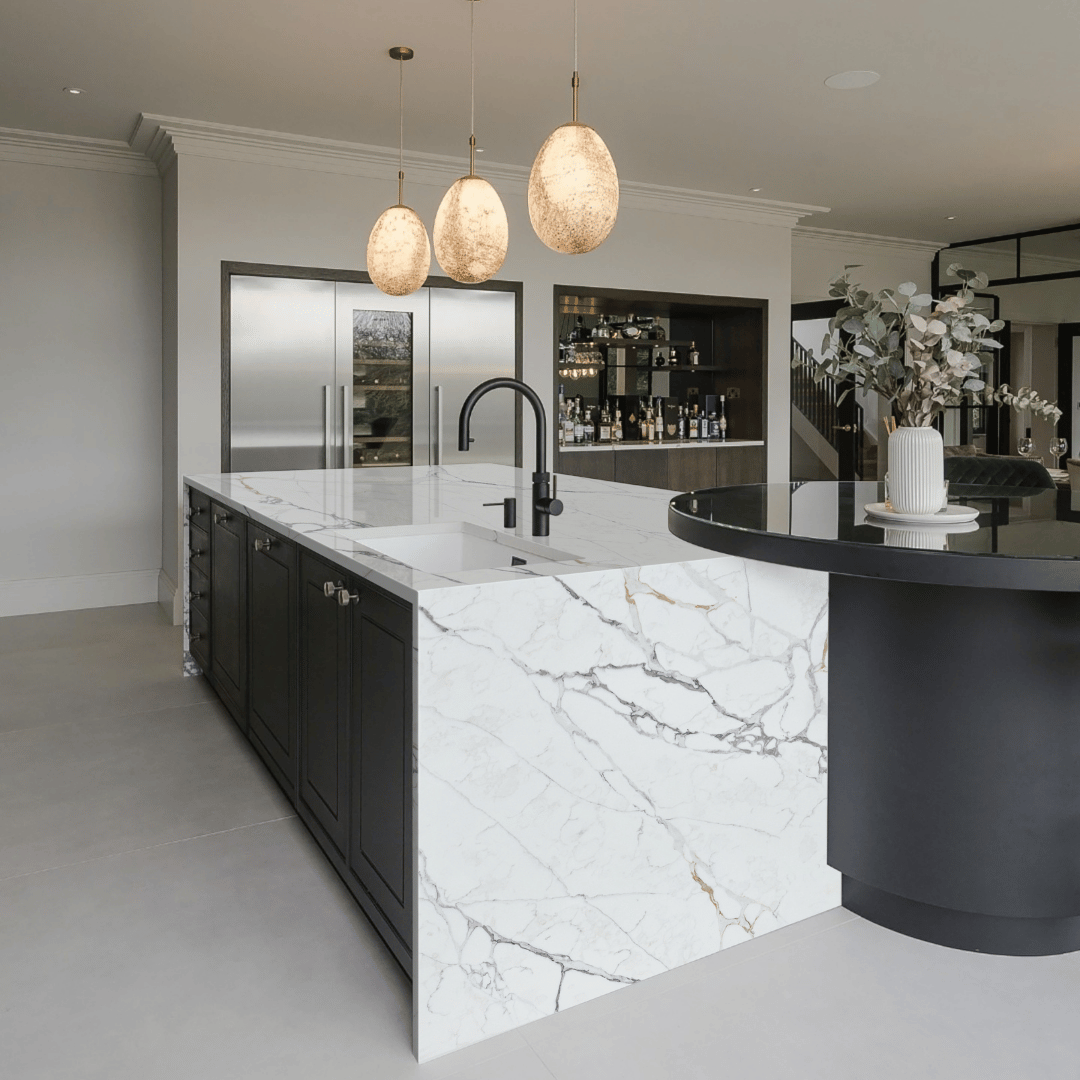
- Kitchen Countertops: The durability and heat resistance of porcelain make it an excellent choice for kitchen countertops, allowing for seamless designs.
- Commercial Spaces: Retail environments benefit from the aesthetic appeal and durability of porcelain slabs, which can withstand high foot traffic.
As a premium porcelain slab supplier in Georgia, Builder Stone Global offers an extensive selection of ultra-thin porcelain slabs that cater to diverse architectural needs.
Installation Considerations
While ultra-thin porcelain slabs offer numerous advantages, proper installation is crucial to maximize their benefits. Here are some key considerations:
- Substrate Preparation: Ensure that the substrate is level, clean, and structurally sound to support the weight of the porcelain slabs.
- Adhesives: Use high-quality, flexible adhesives designed for porcelain installations to ensure a secure bond.
- Expansion Joints: Incorporate expansion joints to accommodate potential movement and prevent cracking.
- Professional Installation: Given the fragility of ultra-thin slabs, it is advisable to hire experienced professionals for installation to avoid damage.
Maintenance and Care
One of the significant advantages of ultra-thin porcelain slabs is their low maintenance requirements. To keep them looking pristine, consider the following:
- Regular Cleaning: Use a soft cloth or mop with mild detergent and water to clean the surface.
- Avoid Harsh Chemicals: Steer clear of abrasive cleaners or harsh chemicals that may damage the surface.
- Sealing: While many porcelain slabs are non-porous and do not require sealing, consult with your supplier for specific recommendations.
Expert Tips for Choosing and Using Porcelain Slabs
Frequently Asked Questions
1. What are porcelain slabs made of?
Porcelain slabs are made from a mixture of refined clay, feldspar, and other minerals, which are fired at high temperatures to create a dense, durable material.
2. How thin can porcelain slabs be?
Ultra-thin porcelain slabs typically range from 6mm to 12mm in thickness, depending on the manufacturer and specific product.
3. Are porcelain slabs suitable for outdoor use?
Yes, many porcelain slabs are suitable for outdoor applications due to their durability and resistance to weather elements.
4. How do I clean porcelain slabs?
Clean porcelain slabs with a soft cloth or mop using mild detergent and water. Avoid abrasive cleaners to maintain their finish.
5. Can porcelain slabs be used for countertops?
Yes, ultra-thin porcelain slabs are an excellent choice for countertops due to their heat resistance and durability.
6. What are the advantages of using ultra-thin porcelain slabs?
Advantages include lightweight characteristics, design flexibility, durability, low maintenance, and eco-friendly options.
7. Do porcelain slabs require sealing?
Most porcelain slabs are non-porous and do not require sealing, but it is advisable to consult with your supplier for specific products.
8. How can I ensure proper installation of porcelain slabs?
To ensure proper installation, prepare the substrate, use high-quality adhesives, incorporate expansion joints, and consider hiring professionals.
9. Where can I find premium porcelain slabs?
You can find premium porcelain slabs at Builder Stone Global, which offers a diverse selection for various architectural applications.
10. What design trends are popular with porcelain slabs?
Popular design trends include large-format tiles, natural stone aesthetics, and matte finishes for a contemporary look.
11. How do I choose the right porcelain slab for my project?
Consider factors such as thickness, finish, pattern, and application area when selecting a porcelain slab for your project.
12. Are there eco-friendly options for porcelain slabs?
Yes, many manufacturers produce porcelain slabs using sustainable practices, making them an environmentally friendly choice.