The Complete Guide to Porcelain Slab Applications Beyond Countertops
The Complete Guide to Porcelain Slab Applications Beyond Countertops
Updated on August 13, 2026
When it comes to architectural surfaces, porcelain slabs have emerged as a premium choice for countless applications beyond traditional countertops. As a leading quartz slab distributor in Norcross, GA, Builder Stone Global recognizes the versatility and durability of porcelain slabs. This comprehensive guide will explore the myriad applications of porcelain slabs, including walls, floors, and facades, while providing insights into their benefits, design possibilities, and maintenance. Whether you’re an architect, interior designer, builder, or homeowner, understanding the full potential of porcelain slabs can elevate your next project.
1. What Are Porcelain Slabs?
Porcelain slabs are large-format tiles made from dense, durable clay that is fired at high temperatures. This manufacturing process results in a non-porous, highly resilient surface that can withstand a variety of environmental conditions. Unlike traditional ceramic tiles, porcelain slabs offer superior strength, making them suitable for high-traffic areas and various applications.
These slabs are available in a wide range of colors, patterns, and finishes, allowing for creative expression in design. Various thicknesses are also offered, catering to different installation needs. At Builder Stone Global, we provide an extensive selection of high-performance porcelain slabs, ensuring that you find the perfect match for your project.
2. Advantages of Using Porcelain Slabs
Choosing porcelain slabs for your project comes with a host of benefits:
- Durability: Porcelain slabs are resistant to scratches, stains, and moisture, making them ideal for both indoor and outdoor applications.
- Low Maintenance: Their non-porous surface means that they require minimal upkeep, making them an excellent choice for busy environments.
- Design Versatility: With a vast array of colors, textures, and finishes, porcelain slabs can mimic the appearance of natural stone, wood, or even concrete, allowing for endless design possibilities.
- Eco-Friendly Options: Many porcelain slabs are made from recycled materials, contributing to sustainable building practices.
- Heat and Frost Resistance: Ideal for outdoor use, porcelain slabs can withstand extreme temperatures without cracking or fading.
3. Applications of Porcelain Slabs Beyond Countertops
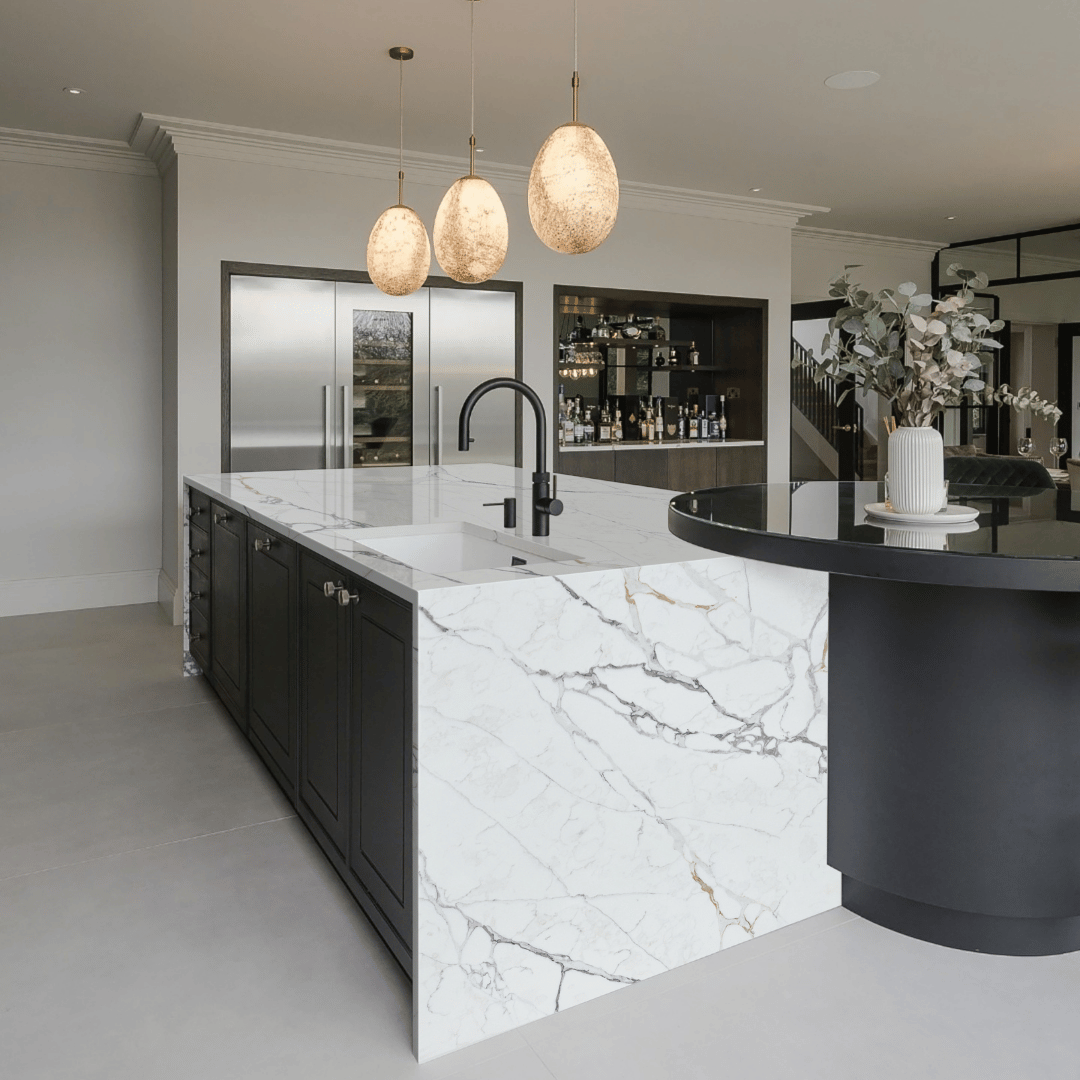
While porcelain slabs are commonly associated with countertops, their applications extend far beyond this traditional use. Here are some creative ways to incorporate porcelain slabs into your next project:
3.1 Walls
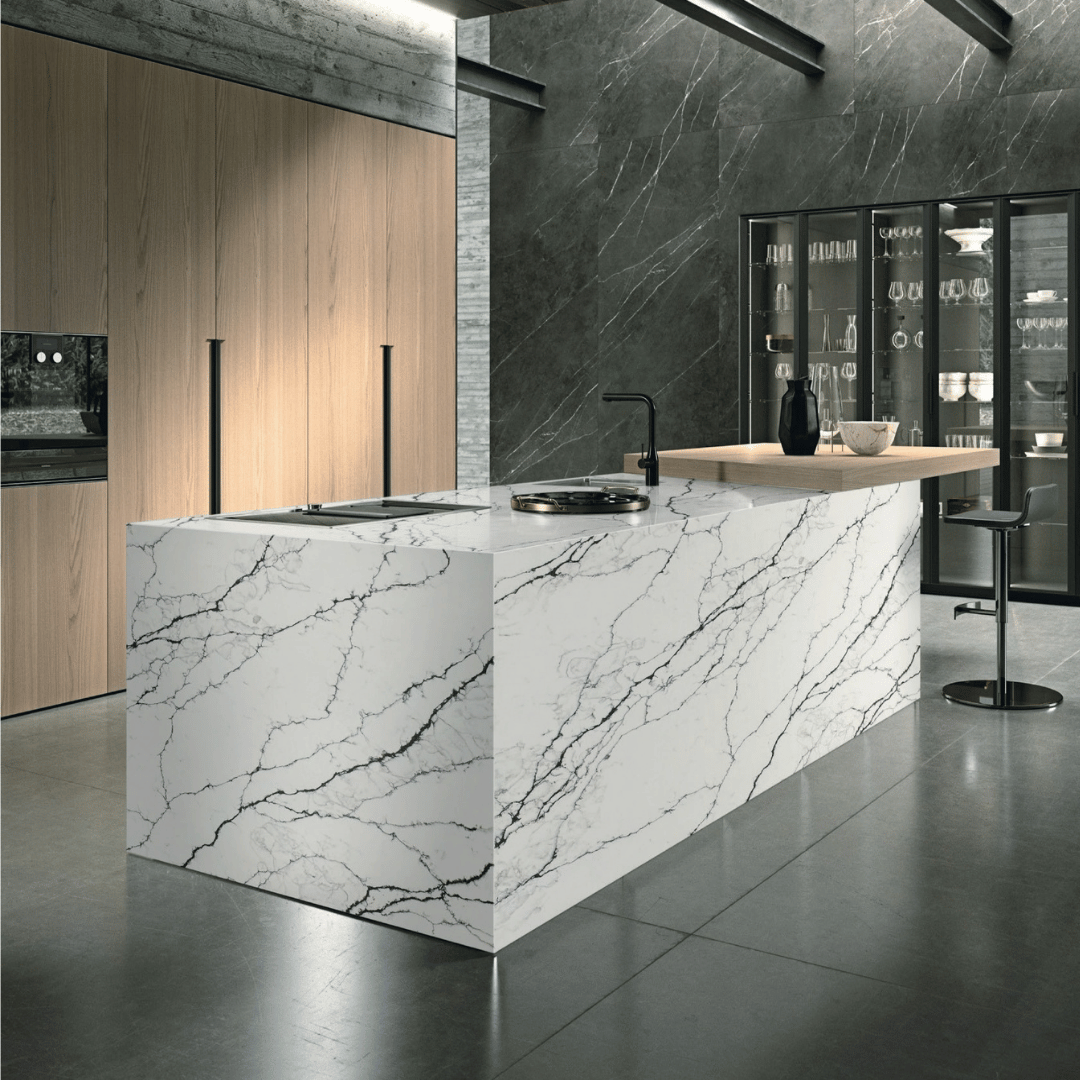
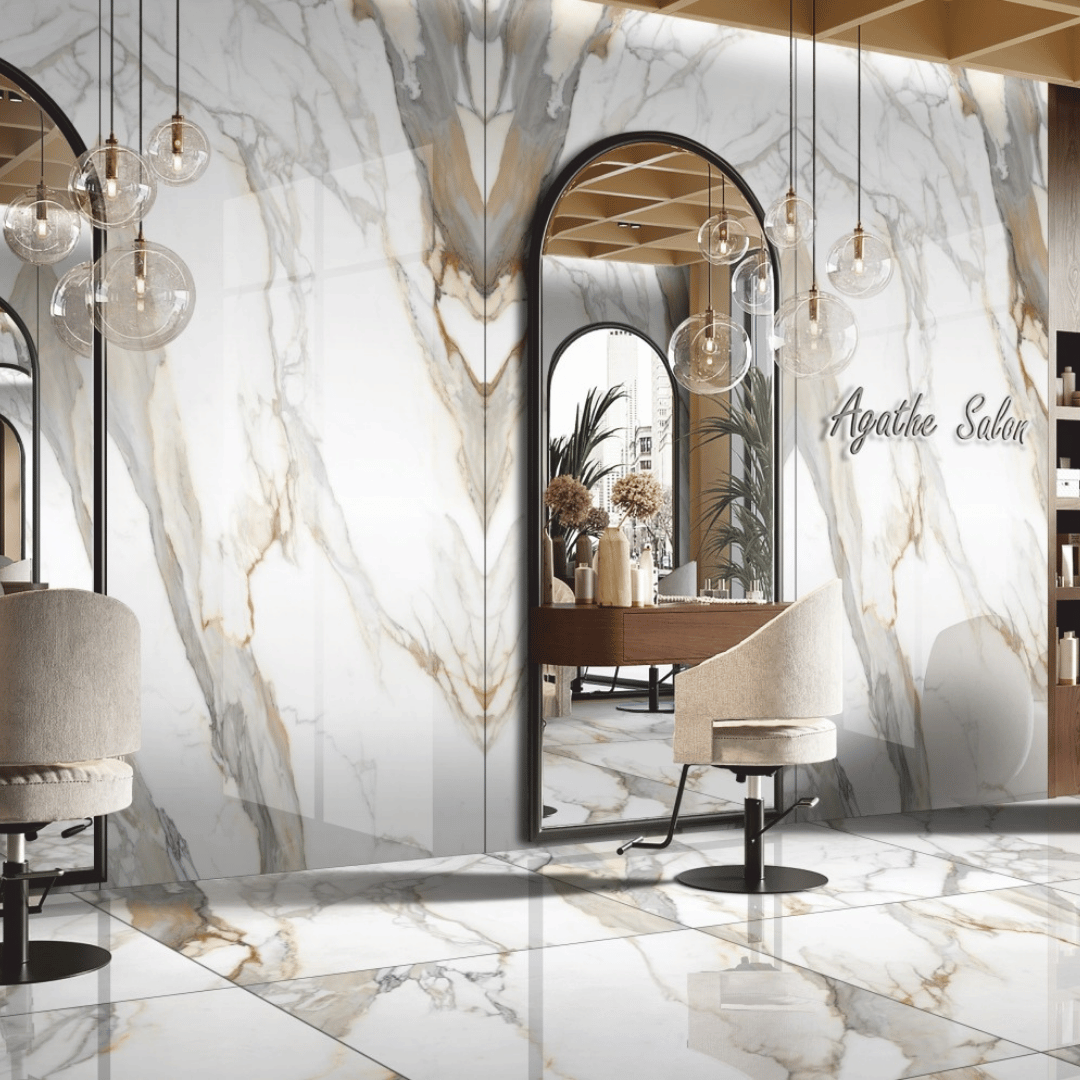
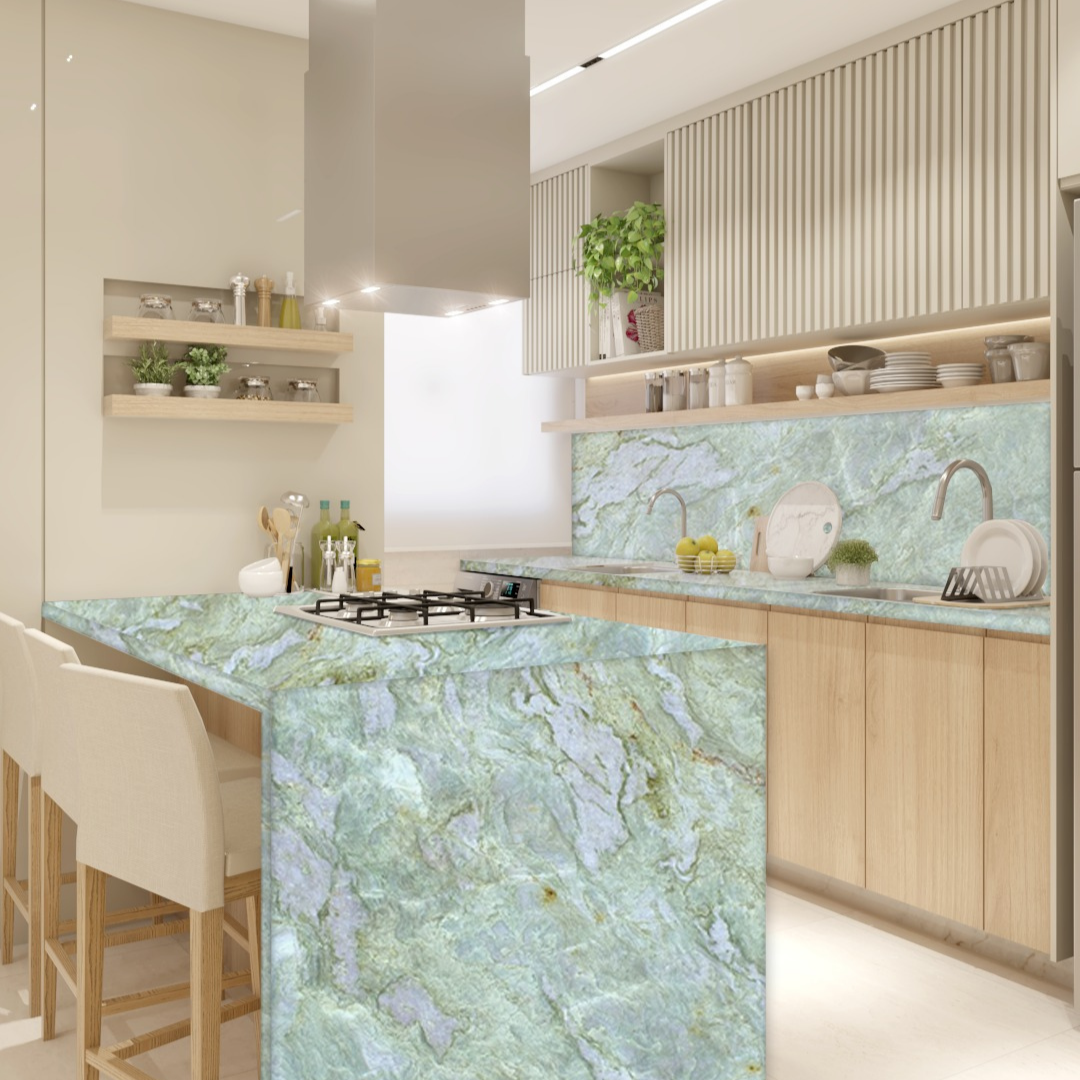
Porcelain slabs can transform any wall into a stunning feature. From accent walls in living rooms to entire bathroom installations, the design possibilities are endless. Their ability to resist moisture makes them particularly suitable for wet areas like showers and kitchens.
3.2 Floors
Using porcelain slabs for flooring provides a durable and stylish solution. They can withstand heavy foot traffic and are available in slip-resistant finishes, making them perfect for both residential and commercial spaces. With large-format options, fewer grout lines make for an aesthetically pleasing finish.
3.3 Facades
The use of porcelain slabs for building facades is gaining popularity due to their lightweight and robust nature. They provide a modern look while enhancing energy efficiency by acting as a thermal barrier. Additionally, their resistance to fading and weathering ensures that the facade maintains its aesthetic appeal over time.
3.4 Outdoor Spaces
Porcelain slabs are also an excellent choice for outdoor applications, such as patios, pool surrounds, and walkways. Their ability to resist moisture and temperature fluctuations makes them ideal for outdoor environments. Additionally, they can be used in landscaping features like retaining walls and garden pathways.
3.5 Furniture and Decor
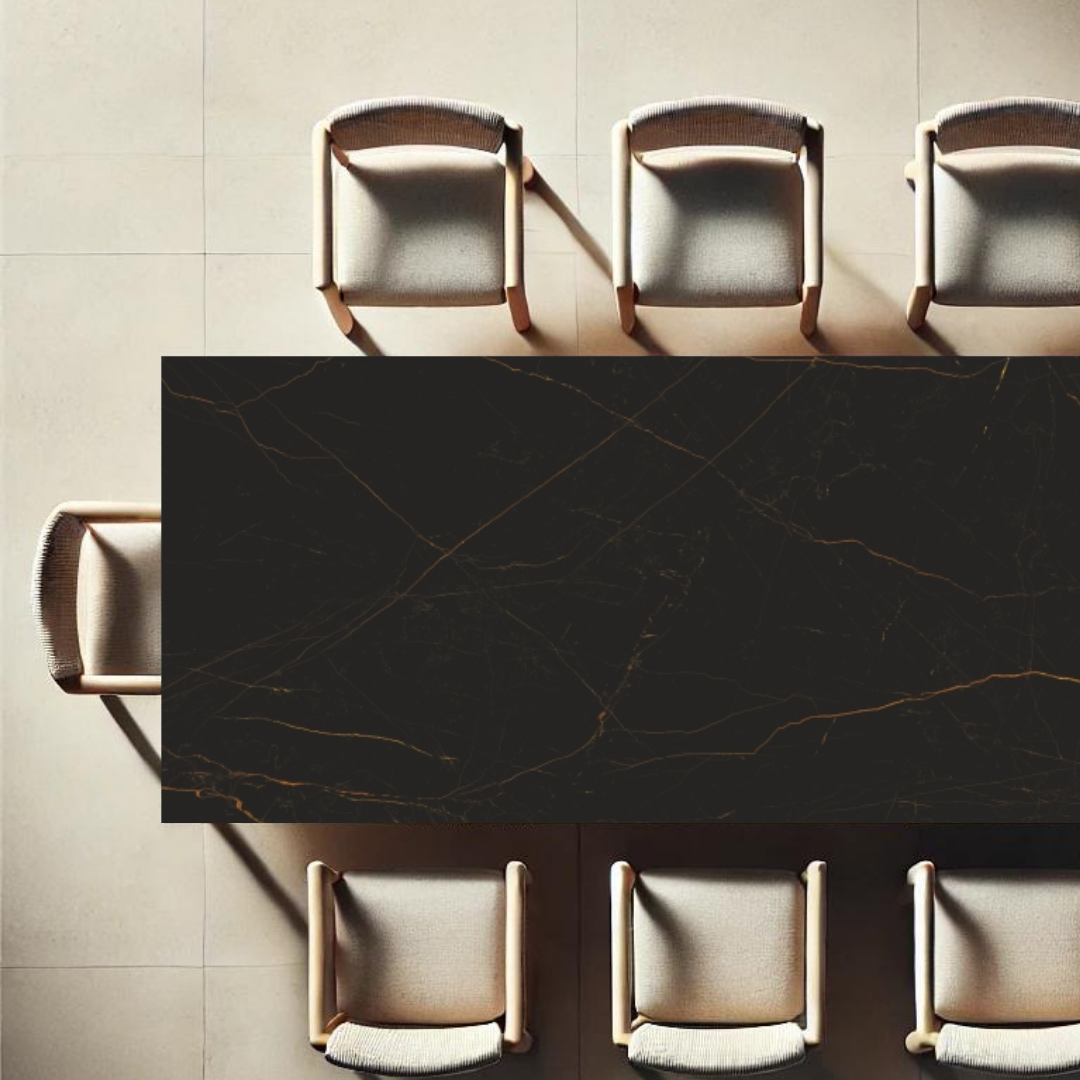
Innovative designers are now incorporating porcelain slabs into furniture and decor items. Think coffee tables, benches, and decorative panels that add a touch of architectural elegance to any space.
4. Design Considerations for Porcelain Slabs
When selecting porcelain slabs for your project, consider the following design aspects:
- Color and Texture: Choose colors and textures that complement your overall design scheme. Matte finishes can create a subtle look, while polished finishes can add a touch of luxury.
- Size and Thickness: Larger slabs can create a seamless look, while thickness can affect the weight and installation process.
- Joint Placement: Plan your layout to minimize visible joints and maximize visual impact.
- Lighting: Consider how natural and artificial lighting will interact with your porcelain surfaces, influencing their appearance throughout the day.
5. Maintenance and Care for Porcelain Surfaces
Maintaining porcelain surfaces is relatively straightforward. Here are some expert tips to keep them looking pristine:
- Regular Cleaning: Use a damp cloth and mild detergent to wipe down surfaces. Avoid abrasive cleaners that can scratch the surface.
- Sealing (if needed): Some porcelain slabs may require sealing. Consult with your supplier or contractor for specific recommendations.
- Preventive Measures: Use coasters and mats to protect surfaces from heavy objects, and avoid dragging furniture across the surface.
6. FAQs
What are porcelain slabs made of?
Porcelain slabs are made from a mixture of natural clay, feldspar, and other minerals that are fired at high temperatures to create a dense, durable surface.
Can porcelain slabs be used outdoors?
Yes, porcelain slabs are highly resistant to weather conditions, making them suitable for outdoor applications.
How do I clean porcelain slabs?
Use a damp cloth and mild detergent for regular cleaning. Avoid abrasive cleaners and tools that can damage the surface.
Are porcelain slabs more expensive than ceramic tiles?
Generally, porcelain slabs can be more expensive than ceramic tiles due to their manufacturing process and durability.
Can I install porcelain slabs myself?
While it is possible to install porcelain slabs yourself, it is recommended to hire a professional for optimal results, especially for large-format installations.
What thickness of porcelain slabs should I choose?
The thickness of porcelain slabs typically ranges from 2 cm to 3 cm, depending on the application. Thicker slabs are often used for countertops, while thinner options can be suitable for walls and floors.
Do porcelain slabs require sealing?
Most porcelain slabs are non-porous and do not require sealing. However, it is best to consult the manufacturer’s guidelines.
Where can I find high-quality porcelain slabs?
For premium quality porcelain slabs, visit Builder Stone Global in Norcross, GA, or check our live inventory.
Conclusion
Porcelain slabs are not just for countertops—they offer a versatile and durable solution for walls, floors, facades, and more. Their aesthetic appeal, combined with their practical benefits, makes them an excellent choice for any architectural project. For premium quality porcelain slabs and expert guidance, contact Builder Stone Global today!