Why Porcelain Slabs Resist UV Fading: Ideal for Outdoor Spaces
Why Porcelain Slabs Resist UV Fading: Ideal for Outdoor Spaces
When it comes to designing outdoor areas, selecting the right materials is paramount to ensuring durability and aesthetic appeal. One of the top contenders in the realm of architectural surfaces is porcelain slabs, renowned for their exceptional resistance to UV fading. This characteristic makes them ideal for outdoor and sun-exposed areas, providing not only beauty but also longevity. In this comprehensive guide, we will explore the science behind porcelain’s UV resistance, its benefits for outdoor use, and practical tips for choosing the perfect porcelain slabs for your next project.
Understanding Porcelain Slabs
Porcelain slabs are a type of ceramic material, made from a refined clay mixture that undergoes a high-temperature firing process. This results in a dense, non-porous surface that is highly durable and impervious to moisture. Unlike traditional ceramics, porcelain is known for its strength and low absorption rate, making it an excellent choice for both indoor and outdoor applications.
Builder Stone Global specializes in premium porcelain slabs, providing an extensive inventory that caters to architects, designers, and homeowners seeking high-performance surfaces. Our porcelain offerings are designed with architectural elegance in mind, ensuring that they meet the aesthetic and functional needs of any project.
The Science of UV Resistance
Understanding why porcelain slabs resist UV fading begins with a closer look at their composition. The primary materials used in porcelain production include kaolin clay, feldspar, and quartz. These components are not only responsible for the strength of the slabs but also their ability to withstand environmental factors, including UV radiation.
UV rays can cause significant damage to many materials, leading to fading, discoloration, and degradation over time. However, porcelain slabs have an inherent advantage due to the following factors:
- High Firing Temperatures: The high temperatures during the firing process create a vitrified surface, making the porcelain dense and less susceptible to UV degradation.
- Color Stability: The pigments used in porcelain are often inorganic and resistant to fading. This means that even when exposed to direct sunlight, the color remains vibrant over time.
- Non-Porous Surface: The non-porous nature of porcelain prevents moisture absorption, which can lead to mold and mildew growth that further affects appearance.
Benefits of Using Porcelain Slabs Outdoors
Choosing porcelain slabs for outdoor spaces offers numerous advantages beyond UV resistance. Here are some key benefits:
1. Durability
Porcelain slabs are exceptionally durable, capable of withstanding harsh weather conditions, including rain, snow, and extreme temperatures. This durability ensures that your outdoor surfaces remain intact and visually appealing for years to come.
2. Low Maintenance
One of the standout features of porcelain is its low maintenance requirements. Unlike natural stone, which may need sealing and regular upkeep, porcelain simply requires periodic cleaning with mild soap and water to maintain its appearance.
3. Aesthetic Versatility
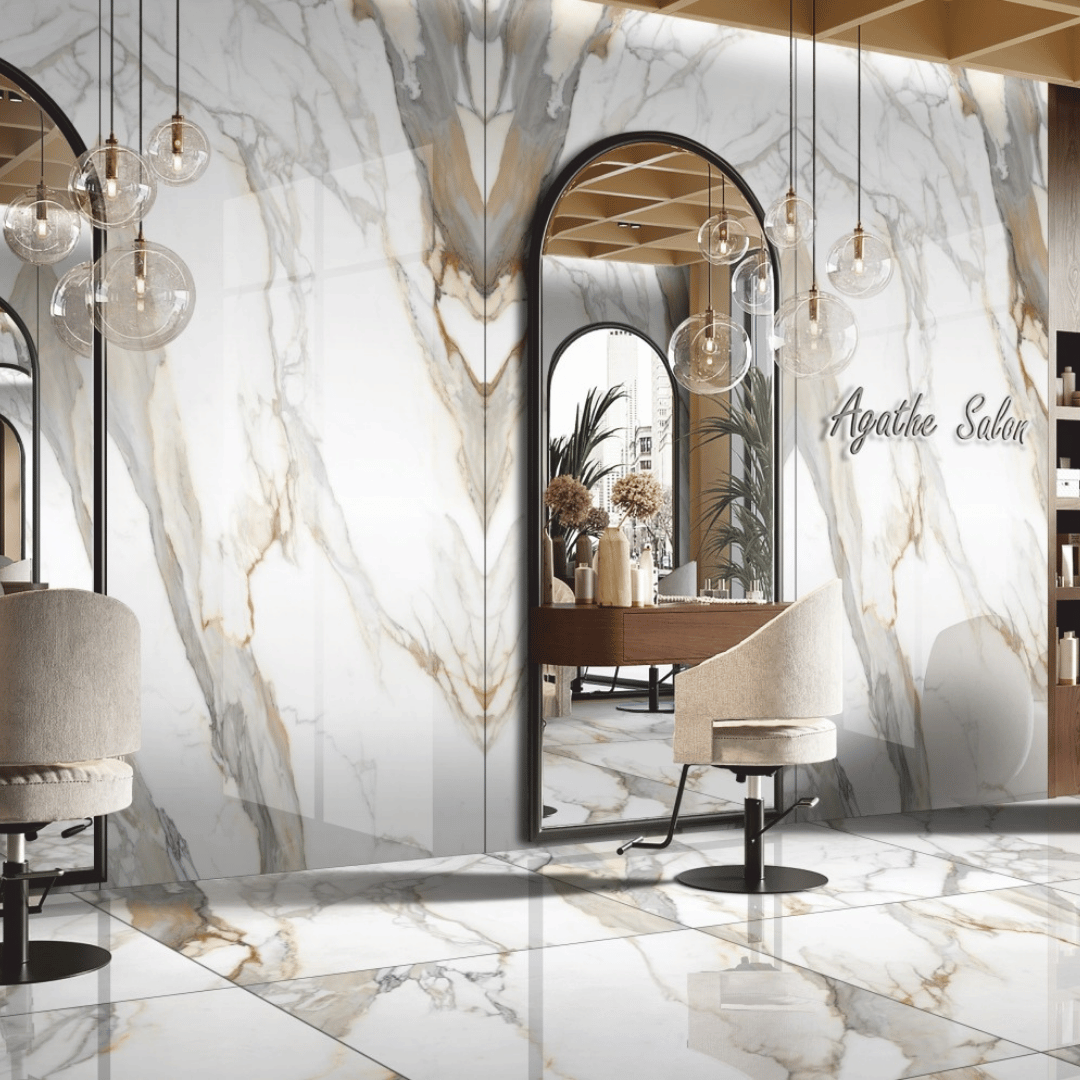
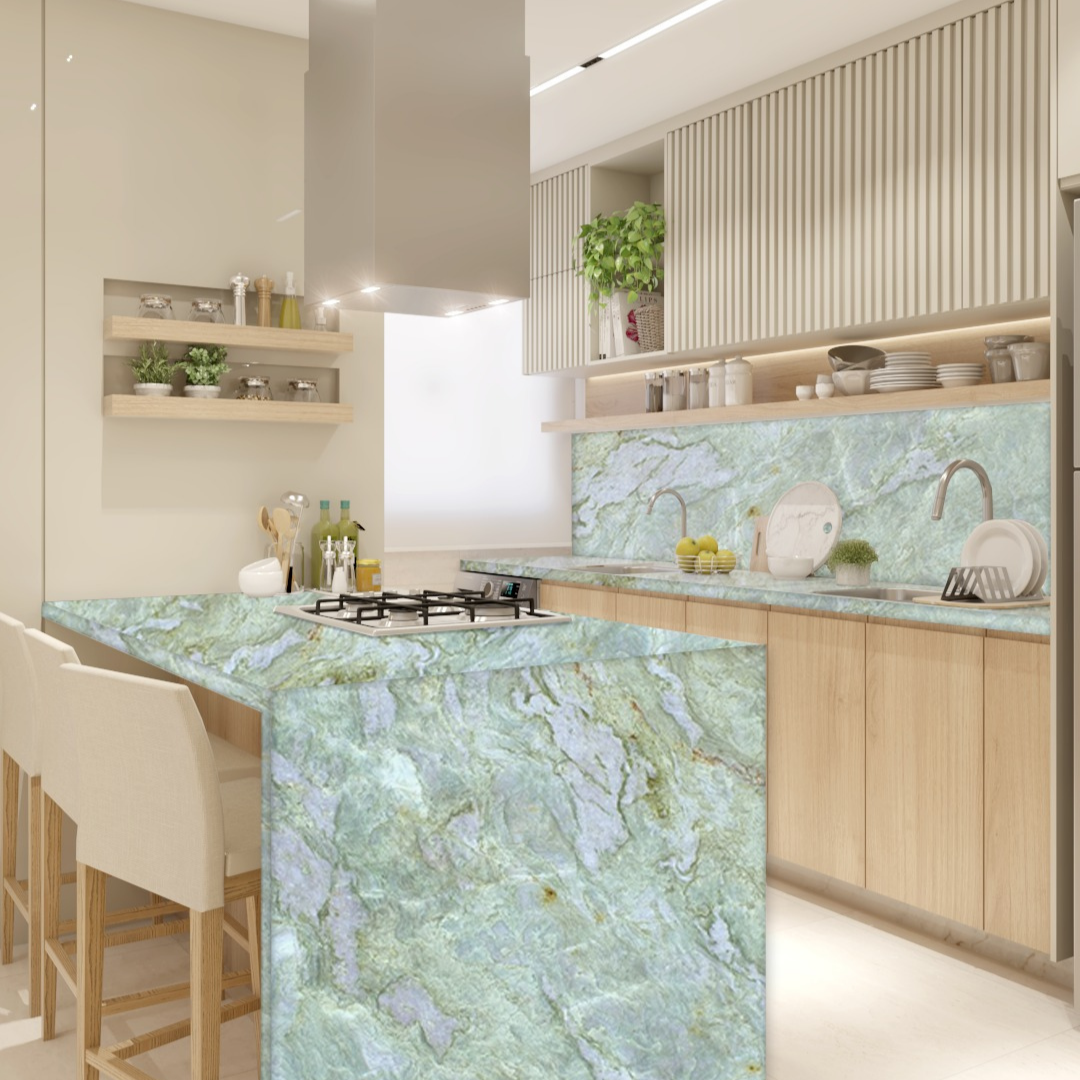
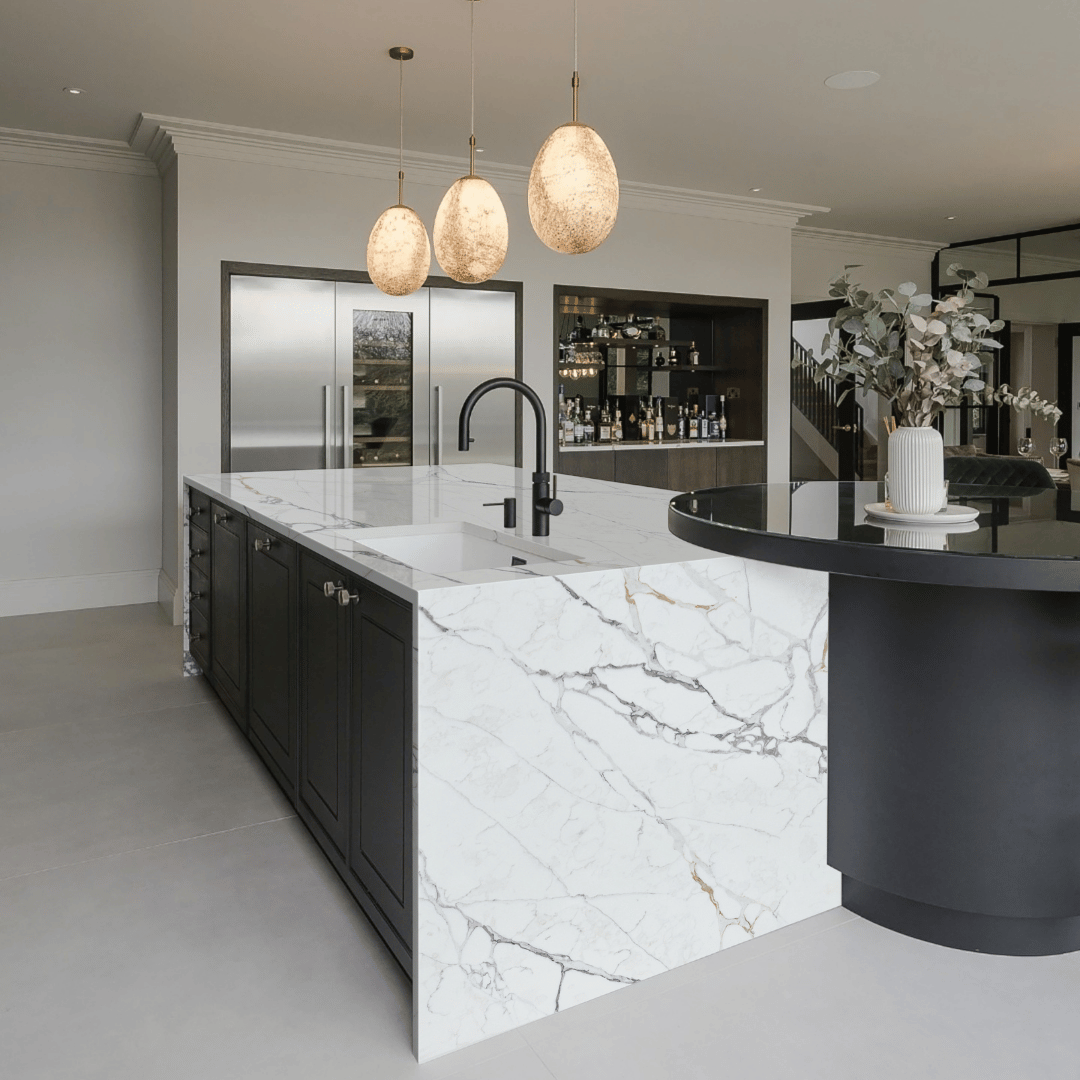
Porcelain slabs come in a wide array of colors, patterns, and finishes, allowing for endless design possibilities. Whether you’re looking for a sleek modern look or a rustic aesthetic, there’s a porcelain slab that fits your vision.
4. Eco-Friendly Options
Many porcelain manufacturers are now producing eco-friendly options that utilize recycled materials and sustainable practices. This makes porcelain a responsible choice for environmentally-conscious consumers.
5. Cost-Effectiveness
While the initial investment in porcelain may be higher than some other materials, its longevity and low maintenance requirements often make it a more cost-effective choice in the long run.
Choosing the Right Porcelain Slab
When selecting porcelain slabs for outdoor use, consider the following factors:
- Thickness: Thicker slabs (typically 20mm or more) are better suited for outdoor applications as they provide enhanced durability and resistance to cracking.
- Finish: Choose a finish that complements your design while also providing slip resistance. Textured finishes are ideal for areas prone to moisture.
- Color and Pattern: Consider how the color and pattern will look in natural light. Some colors may appear differently in sunlight than indoors.
- Manufacturer Reputation: Opt for reputable manufacturers known for quality control and consistency in their products. Builder Stone Global prides itself on offering architectural-grade slabs that meet the highest standards.
Maintenance and Care for Outdoor Porcelain
To ensure the longevity of your outdoor porcelain surfaces, follow these maintenance tips:
- Regular Cleaning: Sweep or hose off debris regularly. For deeper cleaning, use a pH-neutral cleaner.
- Avoid Harsh Chemicals: Steer clear of abrasive cleaners that can scratch the surface.
- Inspect for Damage: Regularly check for any chips or cracks and address them promptly to prevent further damage.
Frequently Asked Questions
1. What are porcelain slabs made of?
Porcelain slabs are made from a mixture of refined clay, feldspar, and quartz, which are fired at high temperatures to create a dense, durable surface.
2. How do porcelain slabs resist UV fading?
The high firing temperatures and the use of inorganic pigments contribute to the UV resistance of porcelain slabs, preventing color degradation over time.
3. Can porcelain slabs be used for pool areas?
Yes, porcelain slabs are an excellent choice for pool areas due to their slip resistance and ability to withstand moisture without damage.
4. How do I clean porcelain slabs?
Regular cleaning can be done with mild soap and water. For stubborn stains, a pH-neutral cleaner is recommended.
5. Are porcelain slabs eco-friendly?
Many manufacturers now offer eco-friendly porcelain options made from recycled materials, making them a sustainable choice for outdoor spaces.
6. What thickness is best for outdoor porcelain slabs?
For outdoor applications, thicker slabs (20mm or more) are recommended for enhanced durability and resistance to cracking.
7. Do porcelain slabs require sealing?
No, porcelain slabs do not require sealing due to their non-porous nature, making them easier to maintain than natural stone.
8. Where can I find high-quality porcelain slabs?
Builder Stone Global offers a premium selection of porcelain slabs ideal for outdoor use, available in various colors and patterns. Visit our Live Inventory for more options.
Conclusion
In summary, porcelain slabs are an exceptional choice for outdoor and sun-exposed areas, thanks to their remarkable UV resistance, durability, and aesthetic versatility. By understanding the science behind their performance and considering the factors for selection and maintenance, you can confidently choose porcelain for your next outdoor project. For premium quality porcelain slabs and expert guidance, contact Builder Stone Global today or visit our showroom in Norcross, GA.