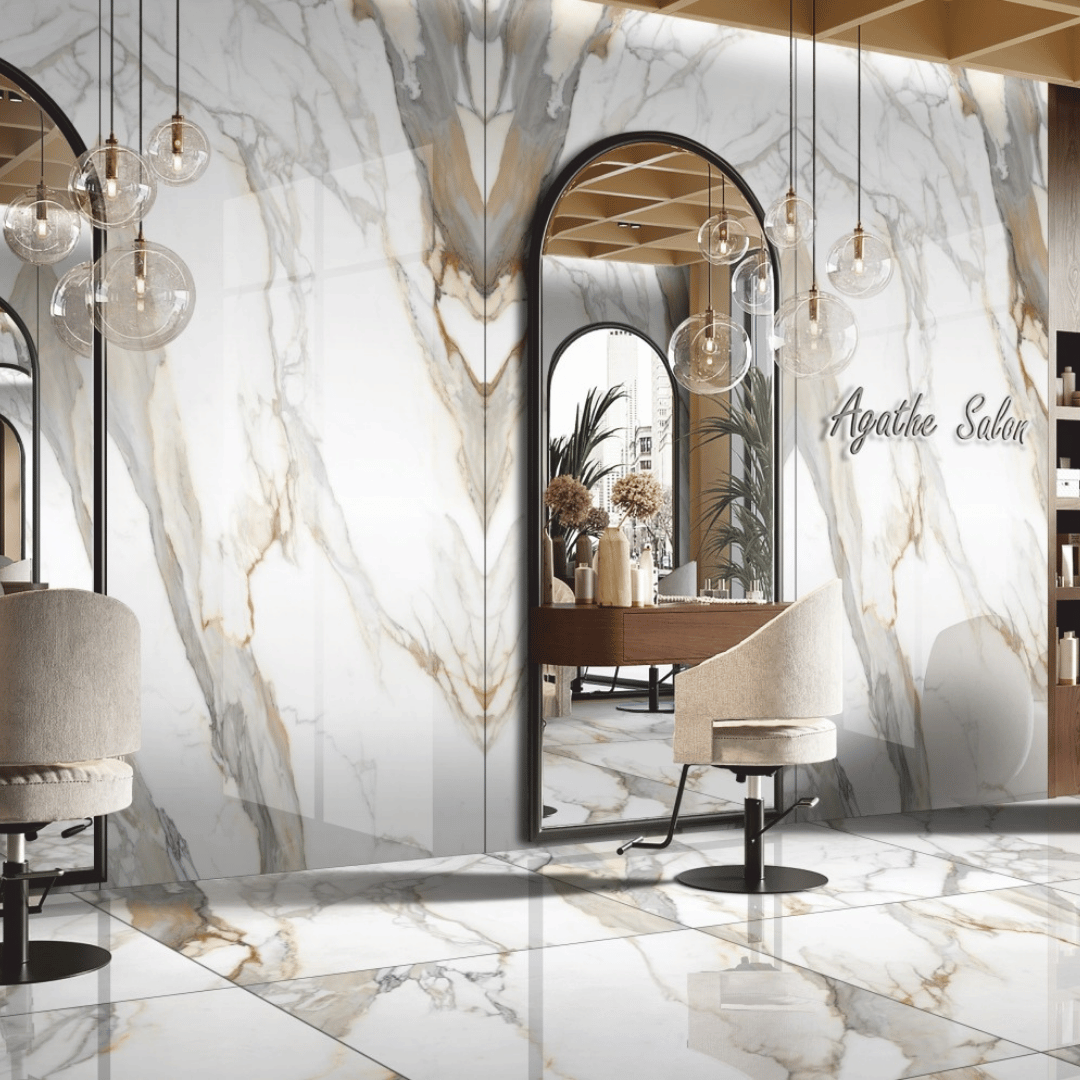
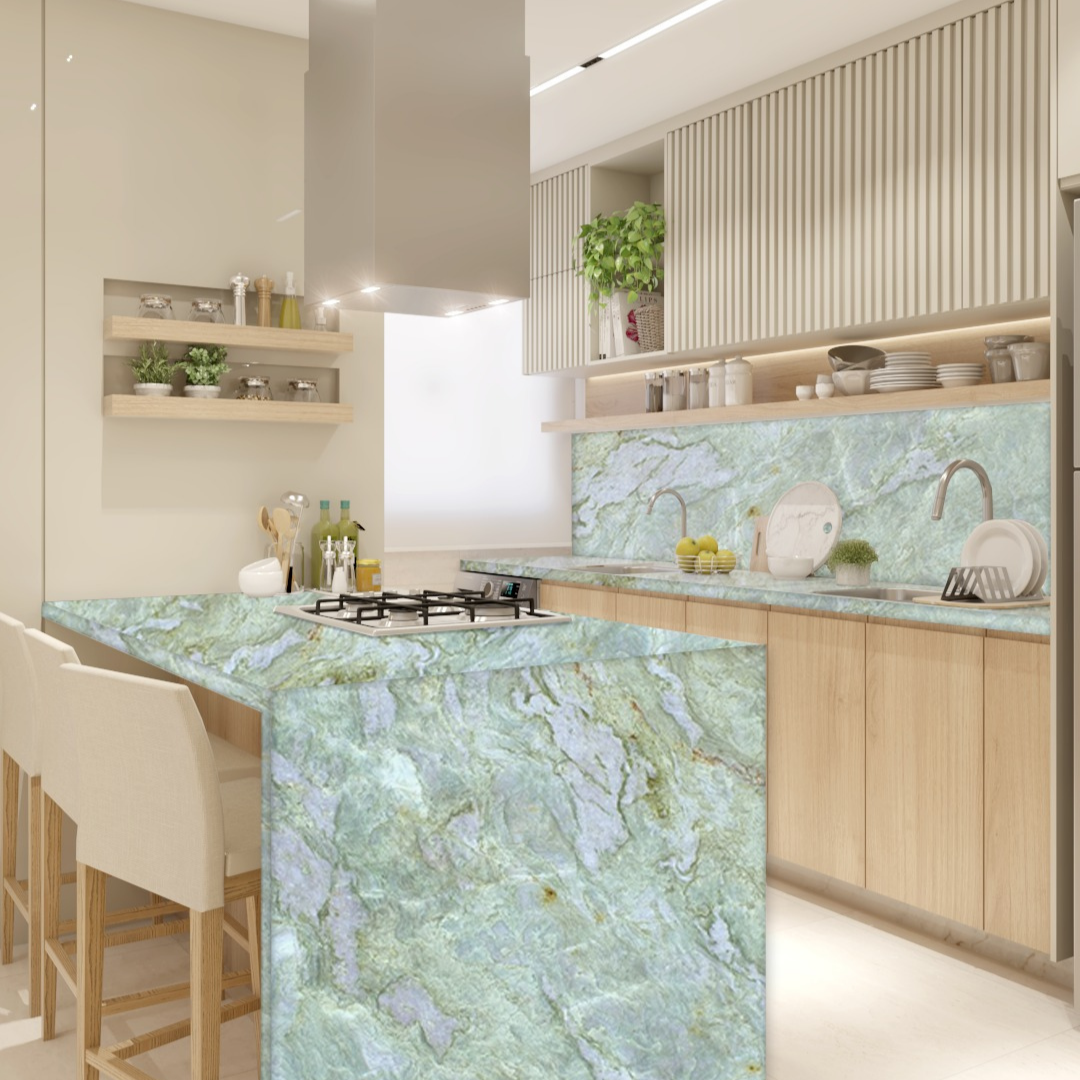
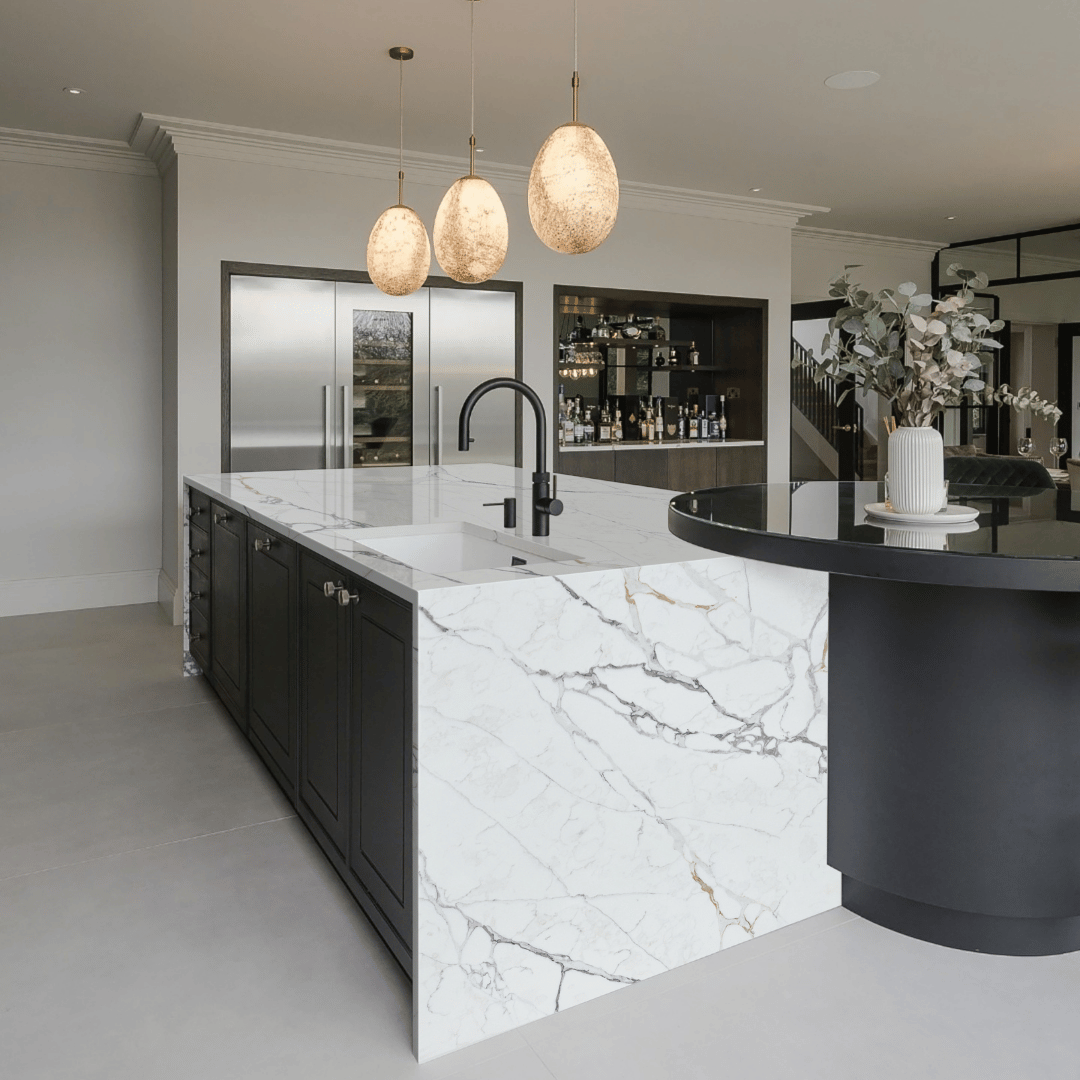
Unmatched Heat and Scratch Resistance of Porcelain Slabs for Kitchens
How Porcelain Slabs Deliver Unmatched Heat and Scratch Resistance for Kitchen Surfaces
When it comes to designing your kitchen, the materials you choose can make all the difference. Among the myriad of options available, porcelain slabs stand out for their exceptional performance, particularly in terms of heat and scratch resistance. As a premium quartz, porcelain, and natural stone slab distributor in Norcross, GA, Builder Stone Global understands the nuances of these materials and their applications in modern kitchen designs. In this article, we will explore how porcelain slabs deliver unmatched heat and scratch resistance, making them an ideal choice for kitchen surfaces.
Understanding Porcelain Slabs
Porcelain slabs are made from a refined clay mixture that is fired at extremely high temperatures. This process results in a dense and durable material that can withstand the rigors of daily kitchen use. Unlike traditional ceramic tiles, porcelain slabs are non-porous, making them resistant to stains and moisture. This characteristic alone makes them a popular choice for countertops, backsplashes, and other kitchen surfaces.
Key Features of Porcelain Slabs
Porcelain slabs come with a host of features that make them stand out:
- Durability: Porcelain is known for its strength and longevity, making it a smart investment for any kitchen.
- Heat Resistance: These slabs can withstand high temperatures, making them ideal for hot pots and pans.
- Scratch Resistance: The surface is hard and resilient, providing excellent protection against scratches.
- Design Versatility: Available in a variety of colors, patterns, and finishes, porcelain slabs can complement any kitchen aesthetic.
- Low Maintenance: The non-porous surface is easy to clean and maintain, requiring only mild soap and water.
Heat Resistance: Why It Matters
In a busy kitchen, heat resistance is a critical factor when selecting countertop materials. Porcelain slabs can withstand temperatures up to 1,800°F (982°C) without warping or cracking. This feature is particularly advantageous for homeowners who frequently use hot cookware. According to a study published by the National Institute of Standards and Technology, materials that can endure high temperatures are essential for safety and functionality in kitchen environments (NIST).
Why Choose Heat-Resistant Materials?
- Safety: Heat-resistant surfaces minimize the risk of burns and damage to countertops.
- Versatility: You can place hot pots and pans directly on the surface without concern.
- Longevity: Heat-resistant materials maintain their appearance and structural integrity over time.
Scratch Resistance: A Kitchen Essential
Scratch resistance is another vital attribute of porcelain slabs. The surface hardness of porcelain is rated at 7 on the Mohs scale, which is higher than many other popular countertop materials. This means that porcelain slabs can withstand the daily wear and tear of kitchen activities, including cutting, chopping, and other food preparation tasks.
Benefits of Scratch-Resistant Surfaces
- Visual Appeal: Scratch-resistant surfaces maintain their pristine appearance over time.
- Hygiene: Non-porous surfaces reduce the risk of harboring bacteria and other harmful pathogens.
- Cost-Effective: Reduced need for repairs or replacements saves money in the long run.
Comparing Porcelain Slabs to Other Materials
To better understand the advantages of porcelain slabs, let’s compare them with other common kitchen surface materials like granite, quartz, and laminate. The following table summarizes key attributes, including heat resistance, scratch resistance, and maintenance:
| Material | Heat Resistance | Scratch Resistance | Maintenance |
|---|---|---|---|
| Porcelain Slabs | Up to 1,800°F | 7 on Mohs Scale | Low |
| Granite | Up to 1,200°F | 6-7 on Mohs Scale | Moderate |
| Quartz | Up to 1,200°F | 6-7 on Mohs Scale | Low |
| Laminate | Up to 200°F | 3-4 on Mohs Scale | High |
From the table, it is clear that porcelain slabs outperform many other materials in both heat and scratch resistance. This makes them a superior choice for kitchen surfaces.
Maintenance Tips for Porcelain Surfaces
While porcelain slabs are low maintenance, following some simple guidelines can help you maximize their lifespan:
- Regular Cleaning: Use a soft cloth or sponge with mild soap and water to clean the surface.
- Avoid Harsh Chemicals: Steer clear of abrasive cleaners that could damage the surface.
- Use Cutting Boards: Although porcelain is scratch-resistant, using cutting boards helps maintain its appearance.
- Seal Grout Lines: If your porcelain slab has grout lines, ensure they are sealed to prevent staining.
Conclusion
In summary, porcelain slabs are an exceptional choice for kitchen surfaces due to their unmatched heat and scratch resistance. Their durability, aesthetic versatility, and low maintenance make them a preferred option for homeowners and designers alike. At Builder Stone Global, we offer a wide selection of premium porcelain slabs that can elevate your kitchen’s design while providing long-lasting performance. Call +1 470-551-2092 to speak with our surface specialists, or visit our Norcross showroom to explore our extensive inventory.
FAQs
1. What are porcelain slabs made of?
Porcelain slabs are made from a refined mixture of clay and minerals, fired at high temperatures to create a dense, durable material.
2. How heat-resistant are porcelain slabs?
Porcelain slabs can withstand temperatures up to 1,800°F (982°C), making them ideal for hot cookware.
3. Are porcelain slabs scratch-resistant?
Yes, porcelain slabs have a hardness rating of 7 on the Mohs scale, making them highly resistant to scratches.
4. How do I clean porcelain slabs?
Use a soft cloth or sponge with mild soap and water for regular cleaning. Avoid abrasive cleaners.
5. Can I place hot pots directly on porcelain slabs?
Yes, porcelain slabs can handle hot pots and pans without damage.
6. Do porcelain slabs require sealing?
No, porcelain slabs are non-porous and do not require sealing, but grout lines may need to be sealed.
7. How do porcelain slabs compare to granite?
Porcelain slabs have higher heat resistance and are generally easier to maintain than granite.
8. Where can I buy porcelain slabs in Norcross, GA?
You can explore our extensive collection of porcelain slabs at Builder Stone Global’s showroom in Norcross, GA, or check our Live Inventory.