The Complete Guide to Full-Body vs. Non-Full-Body Porcelain Slab Differences
The Complete Guide to Full-Body vs. Non-Full-Body Porcelain Slab Differences
When it comes to selecting the right materials for architectural surfaces, understanding the distinctions between full-body and non-full-body porcelain slabs is paramount for homeowners, designers, and fabricators alike. This comprehensive guide will walk you through the key differences, advantages, and applications of each type of porcelain slab, ensuring you make an informed choice for your next project. As a leading quartz slab distributor in Norcross, GA, Builder Stone Global is committed to providing you with expert insights and high-performance surfaces that elevate your spaces.
What is Full-Body Porcelain?
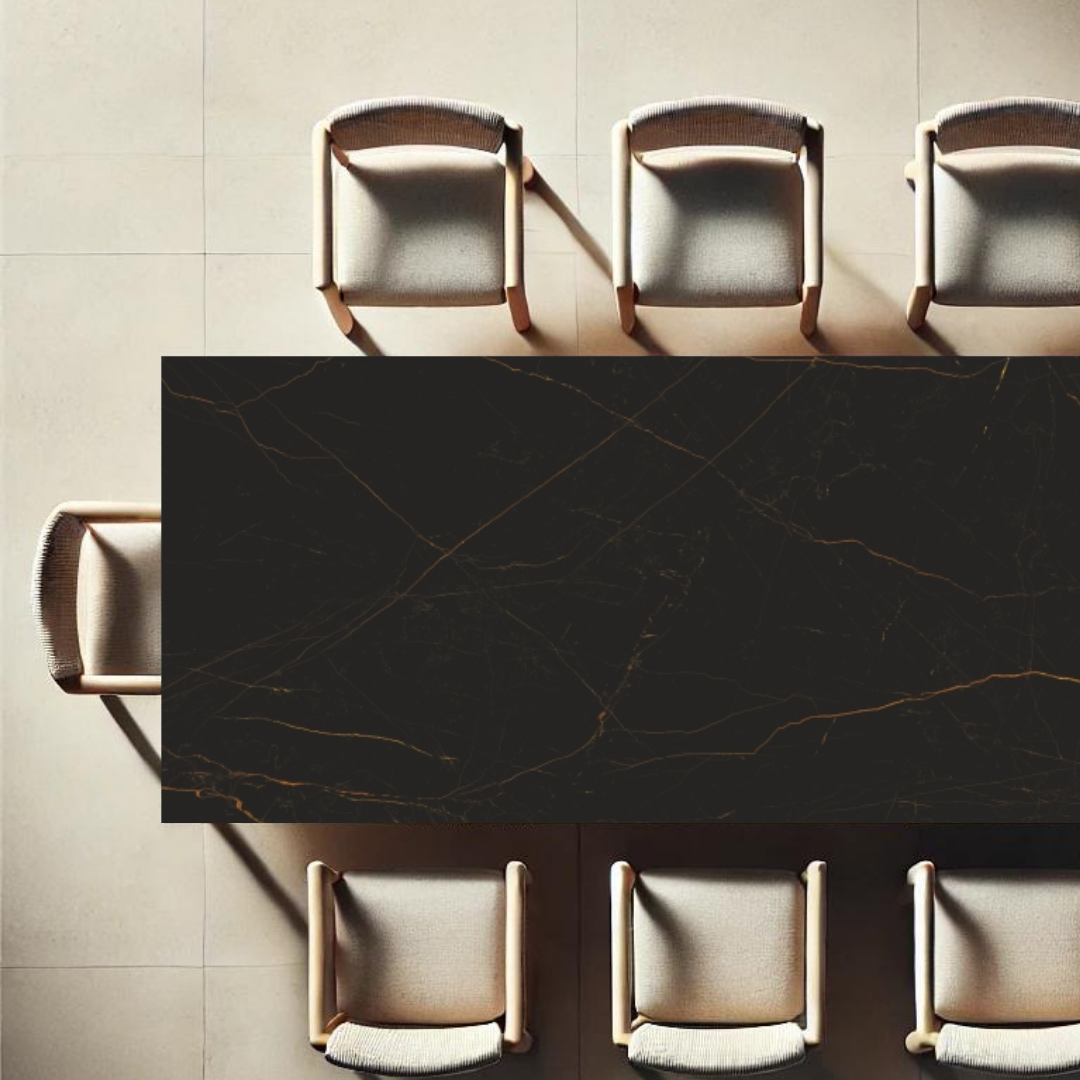
Full-body porcelain is a type of porcelain tile that features a consistent color and pattern throughout the entire thickness of the slab. This uniformity is achieved during the manufacturing process, where the clay is mixed with pigments, resulting in a product that maintains its appearance even when chipped or scratched. Full-body porcelain is often favored for its durability and aesthetic appeal, making it suitable for high-traffic areas and surfaces that require a robust finish.
What is Non-Full-Body Porcelain?
In contrast, non-full-body porcelain slabs are characterized by a surface glaze that is applied over a different colored body. While this type may offer a wider variety of patterns and colors, it can be more susceptible to wear and tear over time. Non-full-body porcelain is typically lighter and may not have the same level of durability as its full-body counterpart, making it more suitable for lower-traffic areas or decorative applications.
Key Differences Between Full-Body and Non-Full-Body Porcelain
| Feature | Full-Body Porcelain | Non-Full-Body Porcelain |
|---|---|---|
| Composition | Uniform color and pattern throughout | Surface glaze over a different colored body |
| Durability | Highly durable; resistant to chips and scratches | Less durable; surface can wear down |
| Maintenance | Easy to maintain; stain-resistant | Requires careful maintenance; prone to staining |
| Applications | High-traffic areas, commercial spaces | Low-traffic areas, decorative use |
Benefits of Full-Body Porcelain Slabs
Choosing full-body porcelain slabs offers numerous advantages:
- Durability: With a consistent structure, full-body porcelain resists chips, scratches, and wear, making it ideal for high-traffic environments.
- Aesthetic Longevity: The uniformity of color ensures that even when the surface is worn, the underlying material maintains its visual appeal.
- Versatility: Full-body porcelain can be used in various applications, including flooring, walls, countertops, and even outdoor spaces.
- Low Maintenance: These slabs are non-porous, making them resistant to stains and easy to clean.
- Design Options: While the color is uniform, full-body porcelain can still be found in various shades and finishes, allowing for creative design.
Benefits of Non-Full-Body Porcelain Slabs
Non-full-body porcelain slabs also have their unique benefits:
- Variety: The surface glaze allows for more intricate designs and patterns, catering to diverse aesthetic preferences.
- Cost-Effective: Typically, non-full-body options can be more affordable, making them suitable for budget-conscious projects.
- Lightweight: Non-full-body slabs can be lighter than full-body options, which can ease installation.
Applications for Full-Body Porcelain
Full-body porcelain is suitable for a wide array of applications:
- Commercial Spaces: Due to its durability, full-body porcelain is ideal for retail stores, restaurants, and offices where high foot traffic is expected.
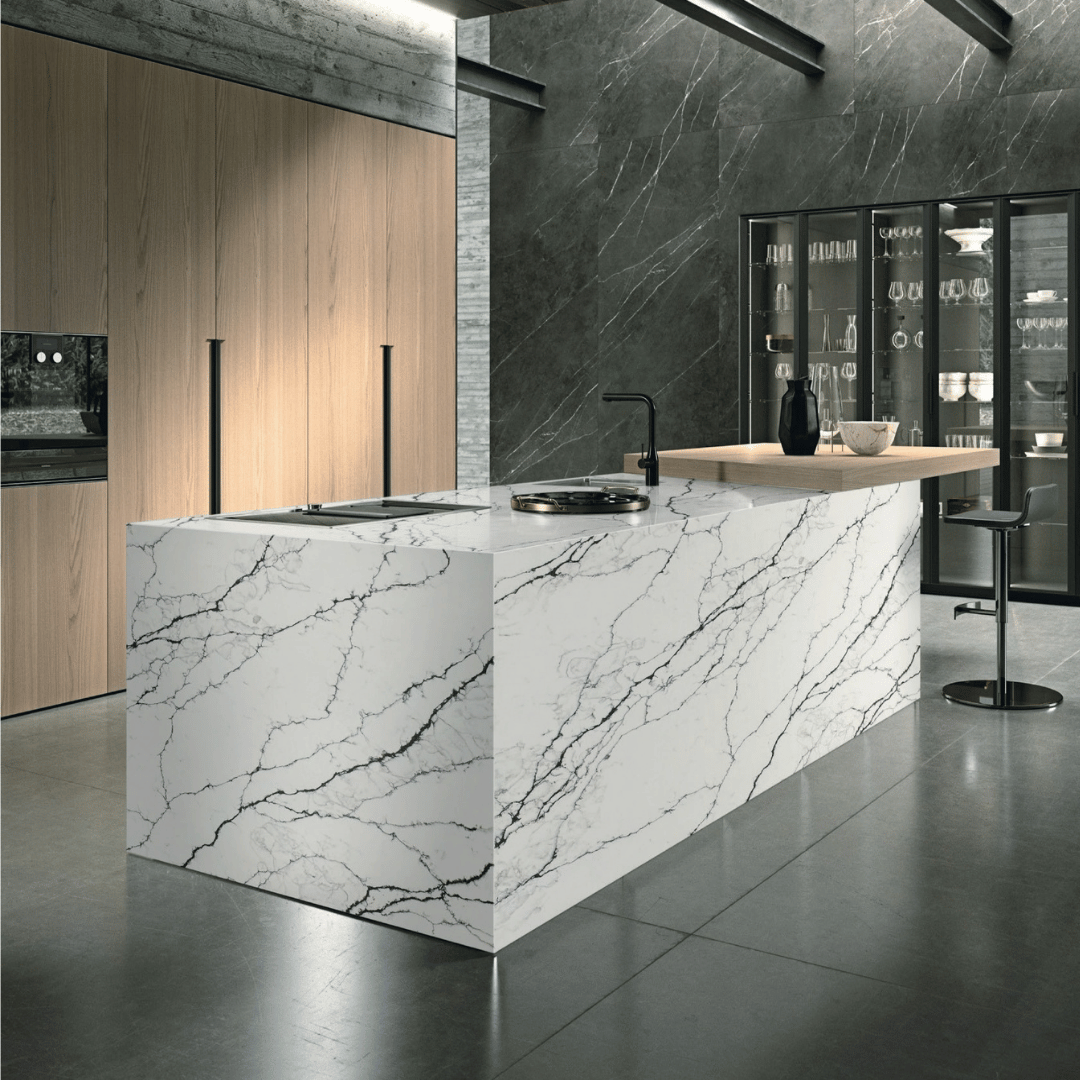
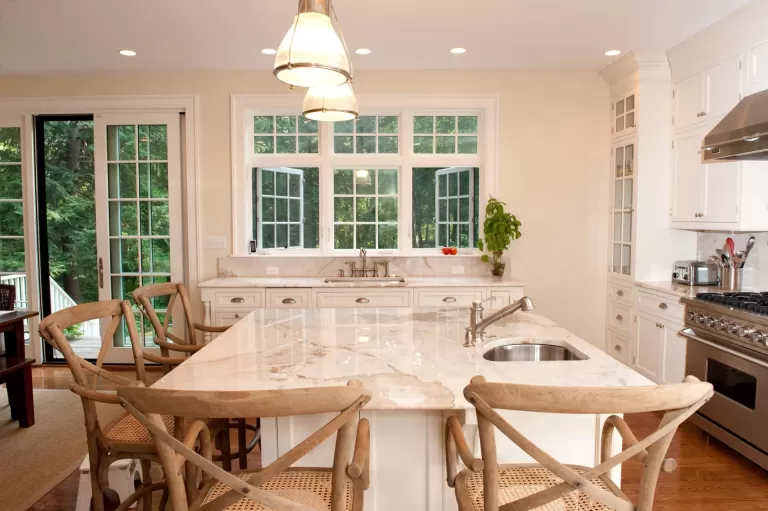
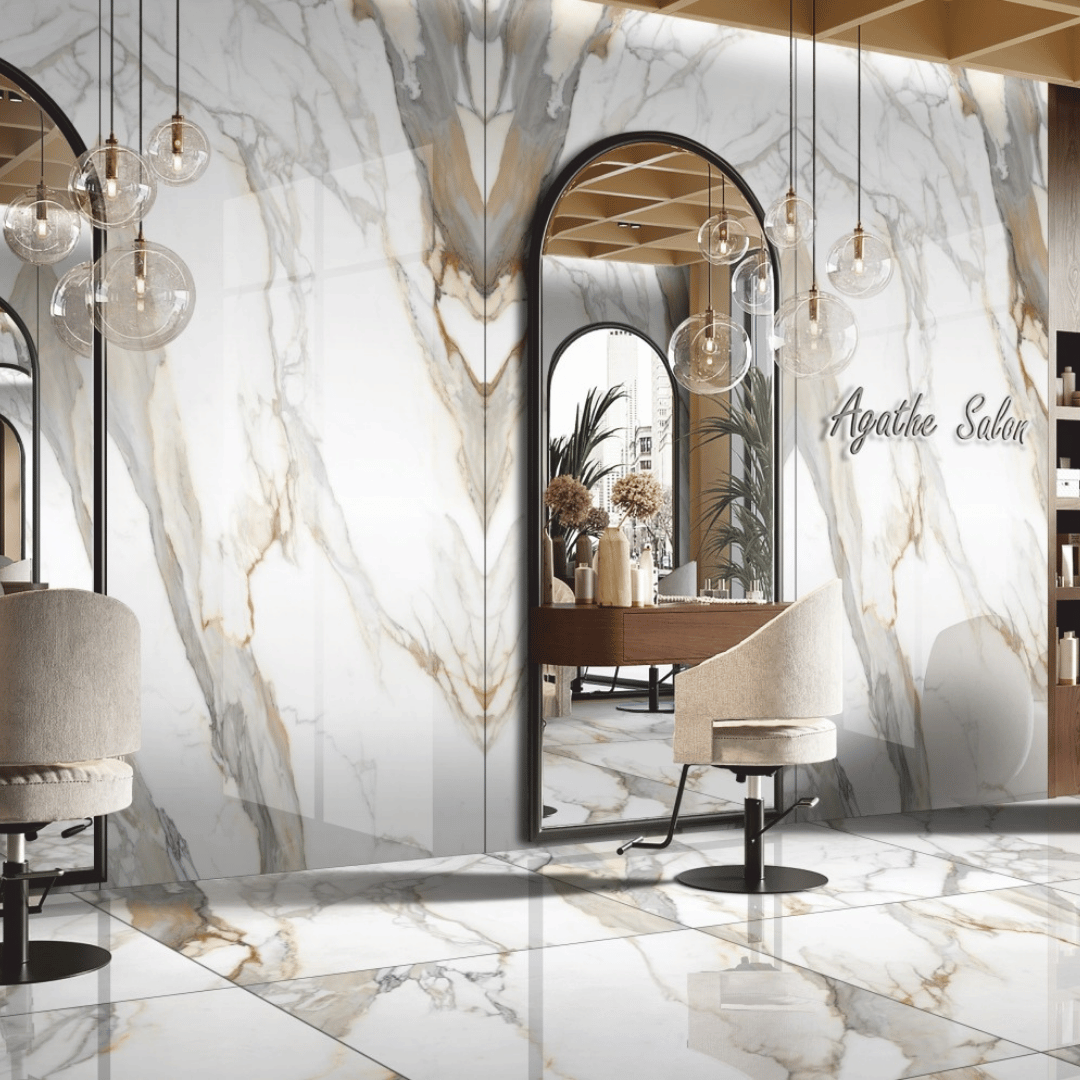
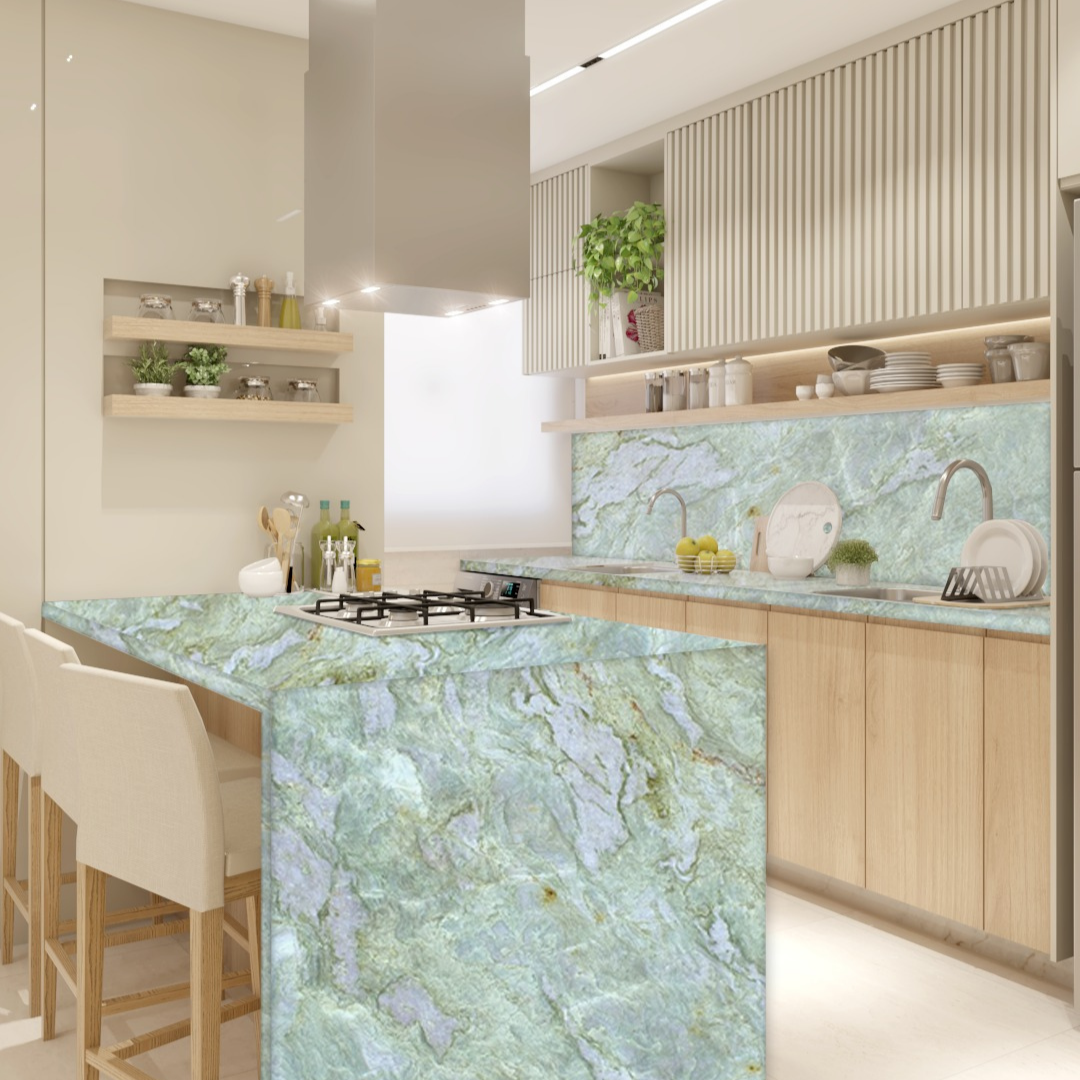
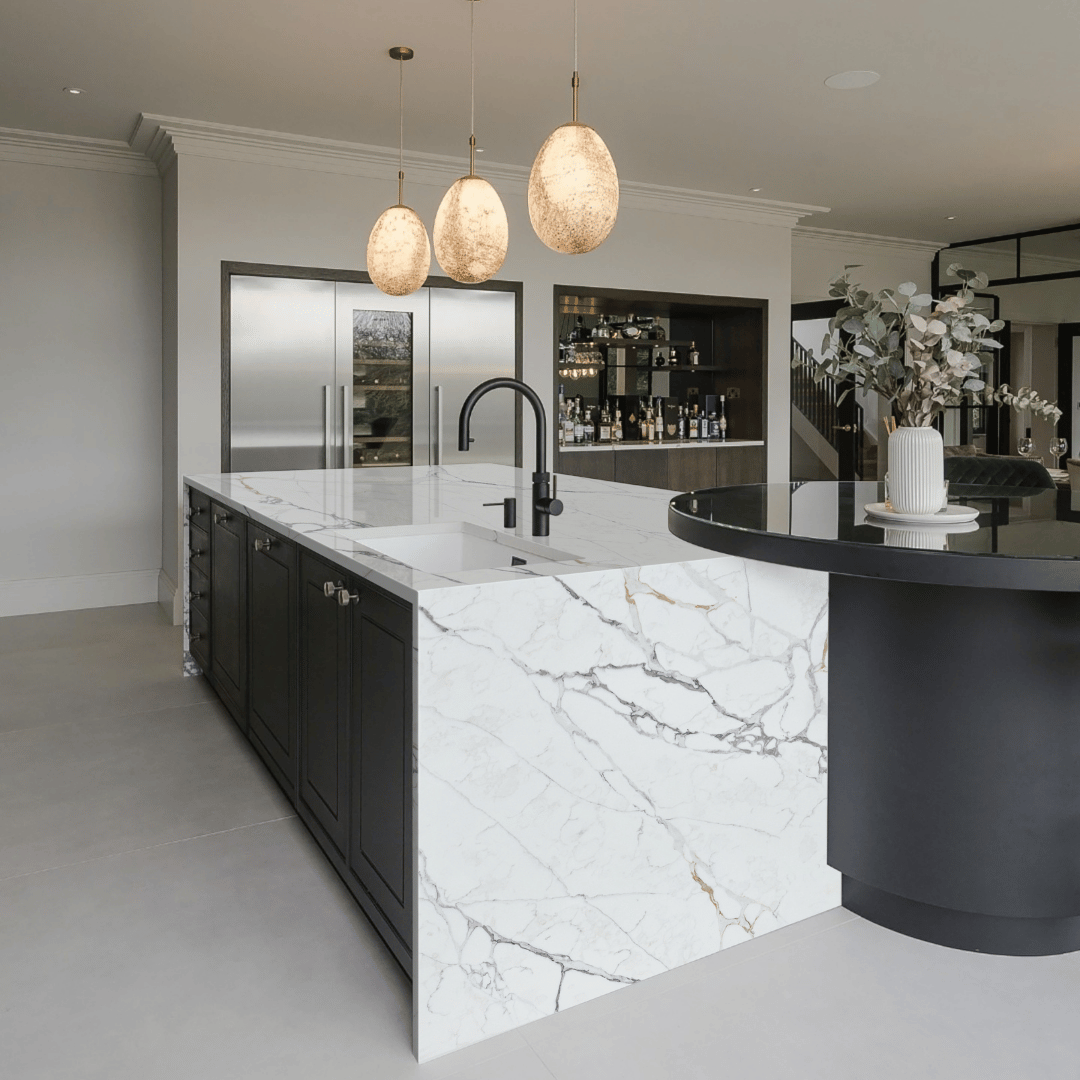
- Residential Interiors: Use full-body porcelain for flooring, backsplashes, and countertops in kitchens and bathrooms for a cohesive look.
- Outdoor Areas: Full-body porcelain is resistant to weather conditions, making it suitable for patios, pool decks, and outdoor kitchens.
Applications for Non-Full-Body Porcelain
Non-full-body porcelain is best suited for:
- Decorative Features: Utilize non-full-body porcelain for accent walls, decorative accents, and artistic installations where design takes precedence over durability.
- Residential Spaces: Ideal for low-traffic areas such as guest bathrooms or decorative niches.
- Wall Applications: Non-full-body porcelain can add visual interest to walls without the need for heavy-duty performance.
Maintenance and Care for Porcelain Slabs
Maintaining porcelain slabs, whether full-body or non-full-body, is crucial for preserving their beauty and functionality:
- Regular Cleaning: Use a soft cloth or mop with a pH-balanced cleaner to avoid damaging the surface.
- Avoid Abrasives: Steer clear of harsh chemicals and abrasive cleaners that can scratch or dull the finish.
- Sealants: While full-body porcelain is generally non-porous, some non-full-body options may require sealing to protect the surface.
- Immediate Spill Cleanup: Wipe up spills promptly to prevent staining, especially on non-full-body slabs.
Expert Tips for Choosing the Right Porcelain Slab
Here are some additional tips:
- Assess the environment where the slabs will be installed. Full-body porcelain is better for outdoor or high-traffic areas.
- Evaluate design preferences. If intricate designs are essential, non-full-body porcelain may be more suitable.
- Consult with a professional to determine the best options based on your project’s requirements.
Frequently Asked Questions
Frequently Asked Questions
1. What is the main difference between full-body and non-full-body porcelain slabs?
Full-body porcelain has a consistent color and pattern throughout, while non-full-body porcelain features a surface glaze over a different body color.
2. Which type of porcelain slab is more durable?
Full-body porcelain is generally more durable and resistant to chips and scratches compared to non-full-body porcelain.
3. Can I use non-full-body porcelain outdoors?
While some non-full-body porcelain can be used outdoors, it is typically not as durable as full-body porcelain for exterior applications.
4. How do I maintain porcelain slabs?
Regular cleaning with a soft cloth and pH-balanced cleaner is recommended. Avoid abrasive cleaners to prevent damage.
5. Are full-body porcelain slabs more expensive?
Full-body porcelain can be more expensive due to its durability and manufacturing process, but it often provides better long-term value.
6. What are the best applications for full-body porcelain?
Full-body porcelain is ideal for high-traffic areas, commercial spaces, and outdoor applications due to its durability.
7. Can I find unique designs in full-body porcelain?
While full-body porcelain typically has uniform color, it is available in various shades and finishes to suit different design preferences.
8. What should I consider when choosing between full-body and non-full-body porcelain?
Consider the traffic level, maintenance requirements, and desired aesthetics of your project to determine the best option.
In conclusion, understanding the distinctions between full-body and non-full-body porcelain slabs is essential for making the right choice for your architectural surfaces. By considering durability, maintenance, and aesthetic preferences, you can select the perfect slab that meets your needs. For more information and to explore our extensive inventory, check our live inventory or contact us today!