
Ultimate Guide: How Builders Select Slab Materials for Multi-Unit Projects
Ultimate Guide: How Builders Select Slab Materials for Multi-Unit Projects
When embarking on multi-home and multi-unit projects, builders and developers face a myriad of decisions, none more crucial than the selection of slab materials. The choice of materials significantly impacts not only the aesthetic of the project but also its durability, functionality, and overall cost-effectiveness. In this comprehensive guide, we will explore the factors that influence slab material selection, the advantages of various materials, and practical tips for making informed decisions. By the end of this article, you will have a thorough understanding of how to select slab materials that align with both architectural vision and practical needs.
Understanding Slab Materials
Slab materials are foundational elements in construction, serving both structural and aesthetic purposes. The most common types of slab materials include:
- Concrete Slabs: Known for their strength and durability, concrete slabs are often used for their load-bearing capacity. They can be reinforced with steel to enhance their resilience.
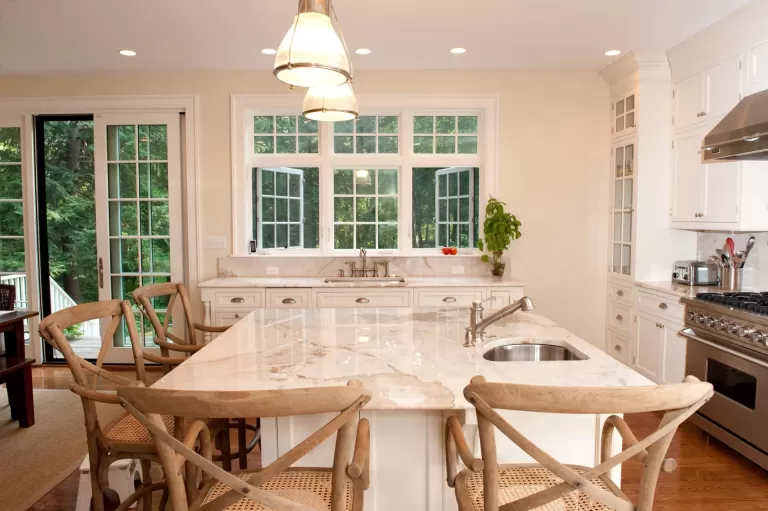
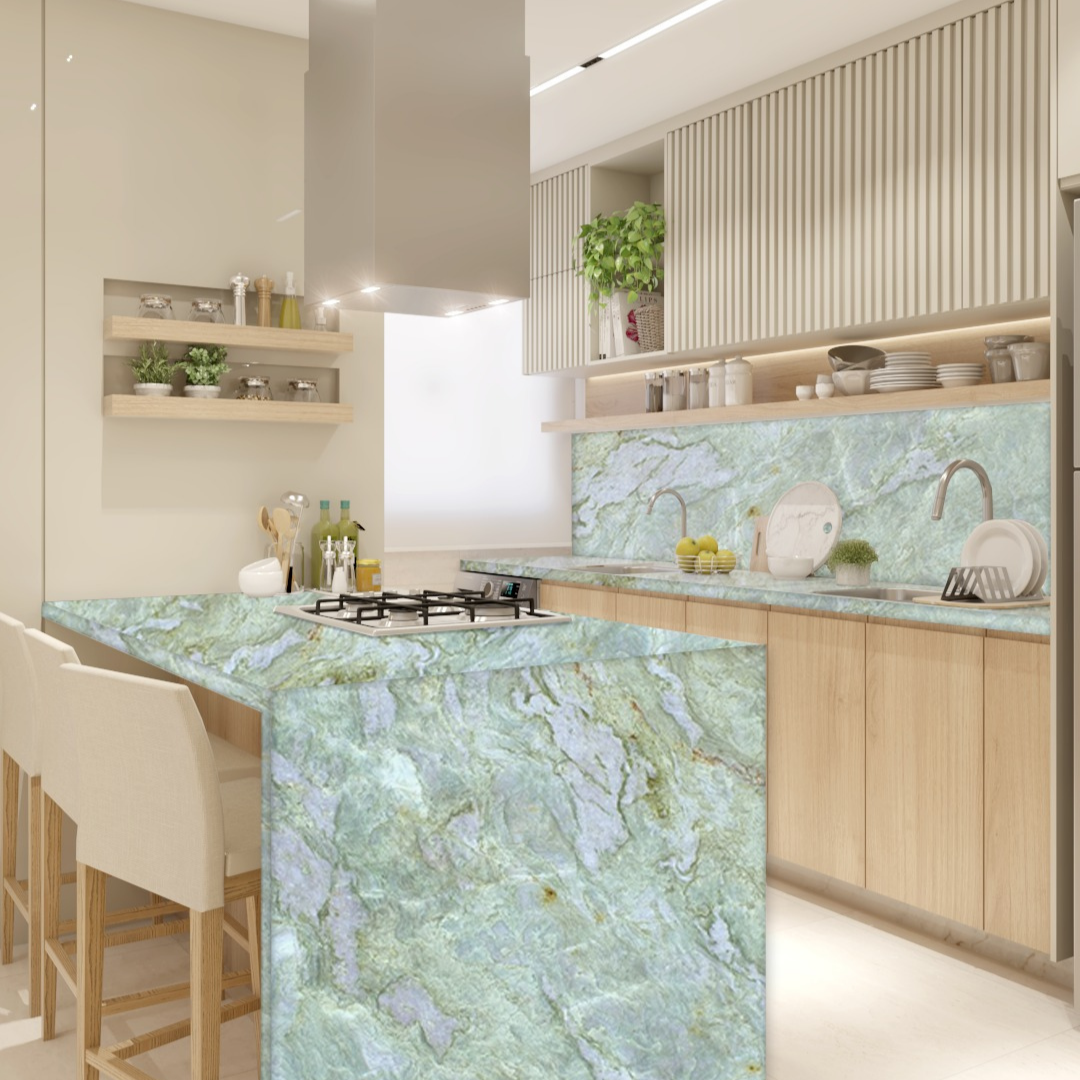
- Natural Stone Slabs: Materials like granite, quartzite, and marble offer unique aesthetics and durability. Natural stone is often chosen for high-end applications due to its luxurious appearance.
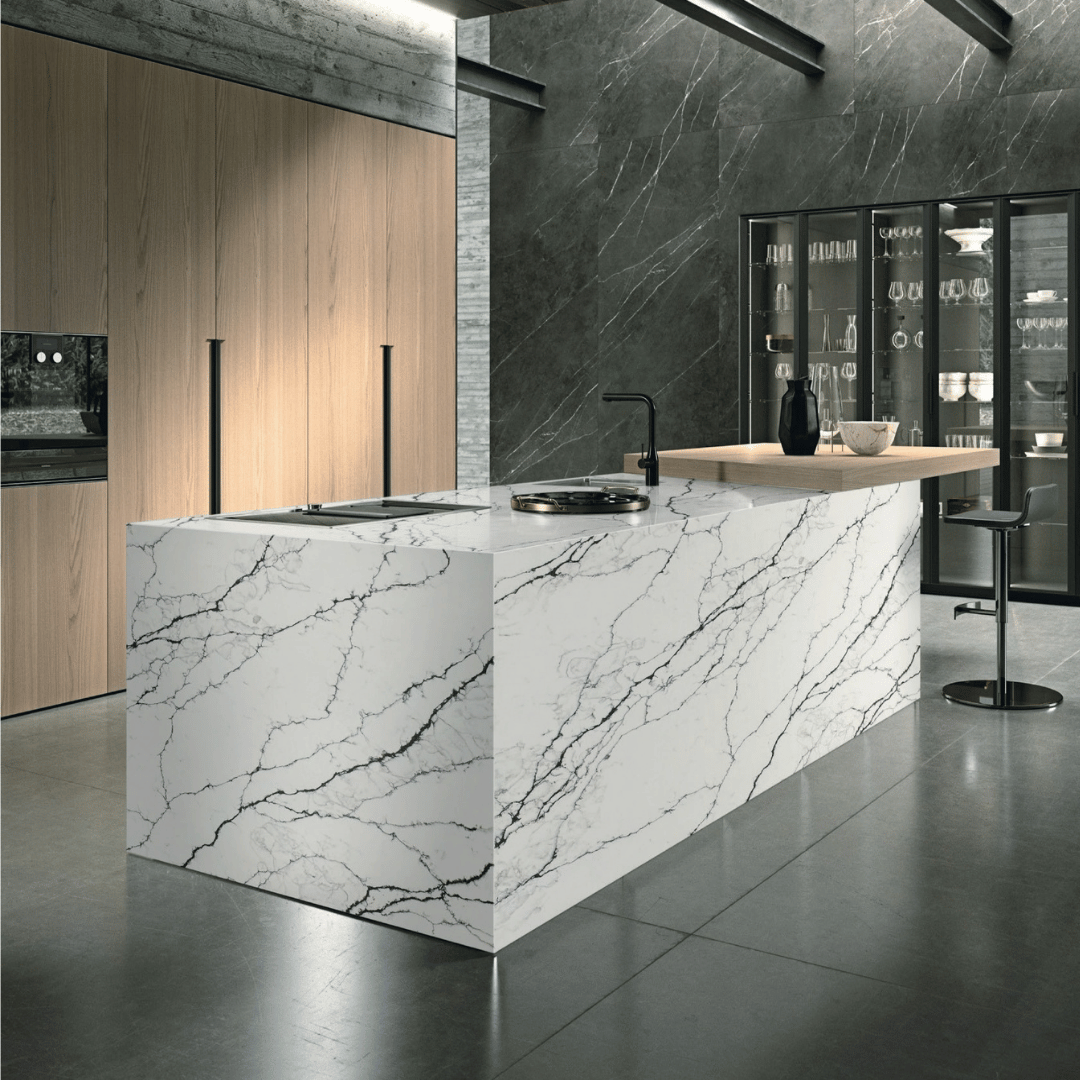
- Engineered Stone Slabs: Composed of crushed stone and resin, engineered stone provides a uniform appearance and is less porous than natural stone, making it easier to maintain.
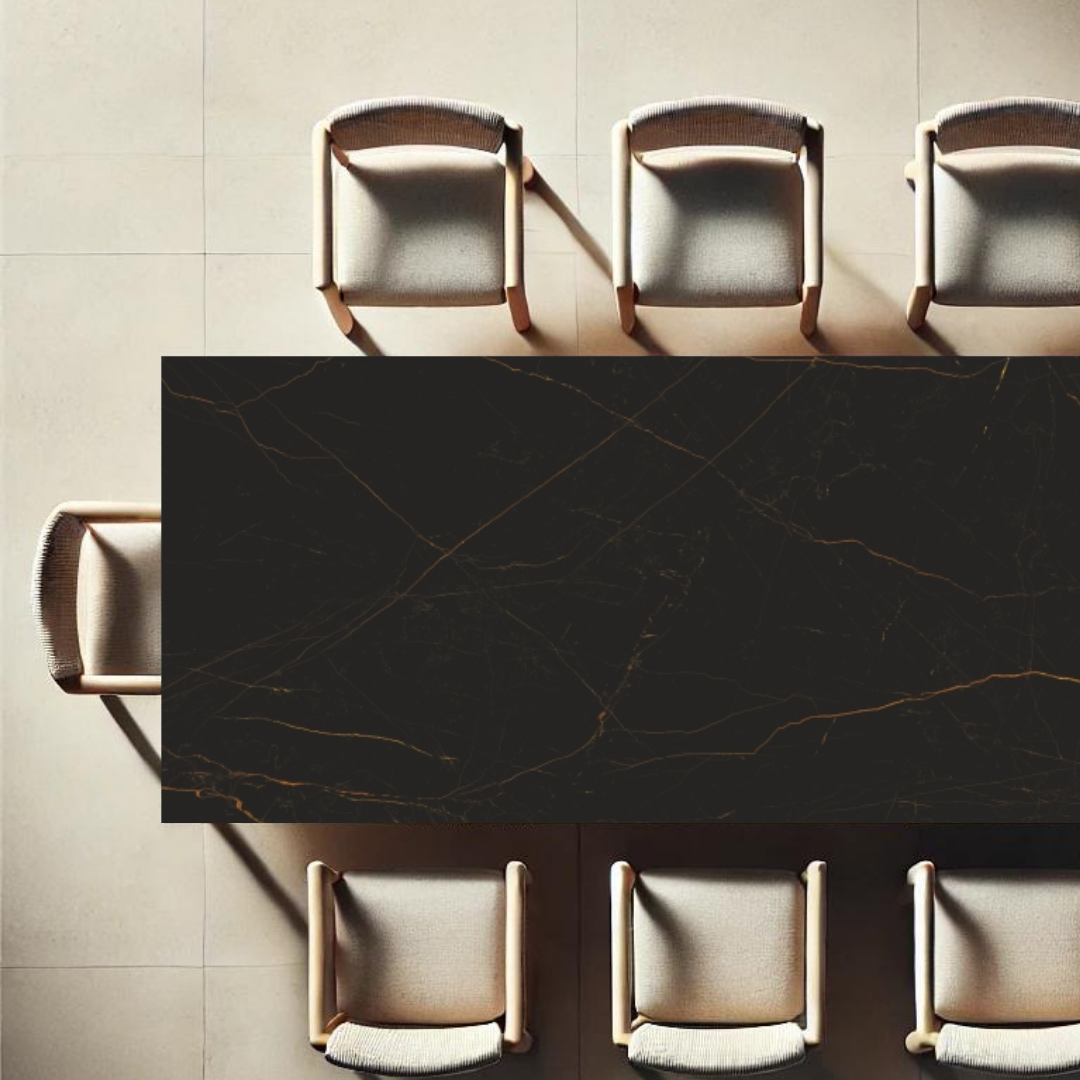
- Porcelain Slabs: These high-performance slabs are known for their resistance to scratches, stains, and heat, making them ideal for various applications.
- Composite Slabs: Made from a mixture of materials, composite slabs often provide a balance between cost and performance.
Factors Influencing Material Selection
When selecting slab materials for multi-home and multi-unit projects, builders and developers must consider several key factors:
1. Project Budget
The project’s budget is often the primary determinant in material selection. High-end natural stone may elevate a project’s aesthetic but can significantly increase costs. Builders must balance quality with affordability, often opting for materials that provide the best value for money.
2. Aesthetic Appeal
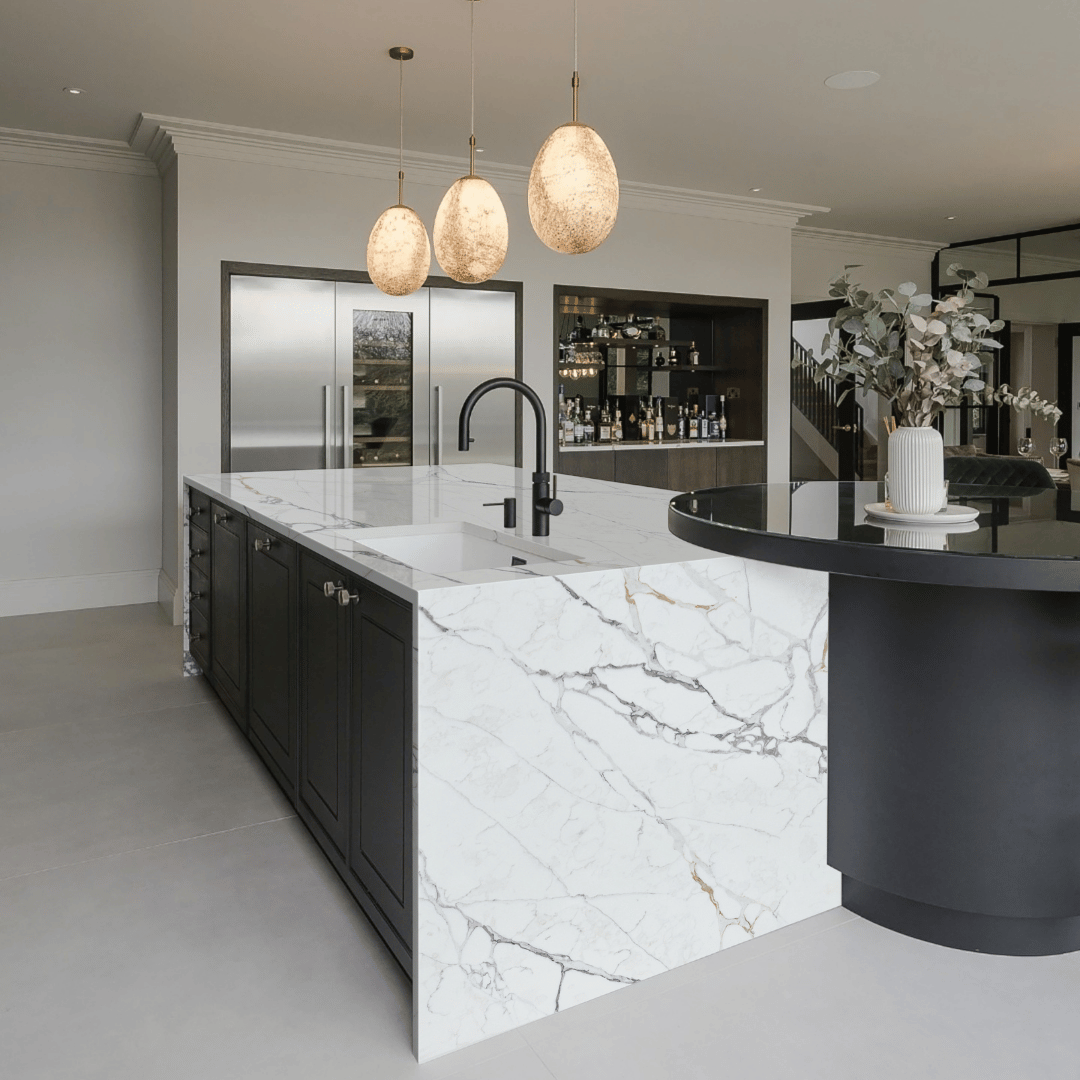
The visual impact of slab materials contributes to the overall design of the development. Builders should consider how different materials complement the architectural style and the surrounding environment. For instance, modern developments may benefit from sleek, minimalist porcelain slabs, while traditional homes might look better with classic granite or marble.
3. Durability and Maintenance
Durability is crucial, especially in multi-unit buildings that experience high foot traffic. Slabs must withstand wear and tear over time. Materials like porcelain and engineered stone are known for their resilience and low maintenance requirements, making them smart choices for busy environments.
4. Environmental Impact
With increasing emphasis on sustainability, builders are now considering the environmental impact of their material choices. Selecting locally sourced materials can reduce transportation emissions, while opting for recyclable or eco-friendly materials can enhance a project’s sustainability profile.
5. Local Climate
The local climate can also influence material selection. For instance, in areas with high humidity, moisture-resistant materials may be necessary to prevent mold and mildew growth.
6. Building Codes and Regulations
Compliance with local building codes is non-negotiable. Builders must ensure that the selected materials meet all required standards for safety and performance.
Comparing Popular Slab Materials
To make informed decisions, builders should compare the properties and benefits of various slab materials. Below is a detailed comparison table highlighting key attributes of popular slab materials:
| Material Type | Durability | Maintenance | Aesthetic Appeal | Cost |
|---|---|---|---|---|
| Concrete | High | Low | Minimalist | Low |
| Natural Stone | Very High | Medium | Luxurious | High |
| Engineered Stone | High | Low | Uniform | Medium |
| Porcelain | Very High | Very Low | Modern | Medium to High |
| Composite | Medium | Medium | Varied | Medium |
Sustainability Considerations
As the construction industry evolves, sustainability has become a priority for many builders and developers. Here are some sustainable practices to consider when selecting slab materials:
- Use of Recycled Materials: Opting for slabs made from recycled content can significantly reduce the environmental footprint of a project.
- Energy Efficiency: Select materials that improve energy efficiency in buildings, such as those with insulating properties.
- Local Sourcing: Utilizing locally sourced materials not only supports the local economy but also minimizes transportation emissions.
- Low VOC Emissions: Choosing materials with low volatile organic compounds (VOCs) can improve indoor air quality.
Expert Tips for Selecting Slab Materials
Here are some actionable tips to guide builders and developers in selecting the right slab materials:
1. Assess Long-Term Costs
While the initial cost of materials is important, builders should also consider long-term costs, including maintenance and replacement. Materials that require frequent upkeep can lead to higher overall expenses.
2. Consult with Experts
Engaging with architects, interior designers, and surface specialists can provide valuable insights into material selection. For example, Builder Stone Global offers expert advice tailored to specific project needs.
3. Evaluate Performance in Real-World Conditions
Consider how materials will perform under real-world conditions. Look for case studies or examples of similar projects that utilized the materials in question.
4. Consider the End User
Understanding the needs of the end users can guide material selection. For instance, families with children may prioritize durability and ease of cleaning.
Case Studies: Successful Multi-Unit Projects
Examining successful multi-unit projects can provide practical insights into material selection:
Case Study 1: Urban Apartment Complex
This project utilized porcelain slabs for both interior and exterior applications due to their durability and modern aesthetic. The decision resulted in lower maintenance costs and higher tenant satisfaction.
Case Study 2: Luxury Townhomes
Granite slabs were chosen for countertops and vanities, elevating the overall luxury feel of the homes. The investment in high-quality materials attracted discerning buyers and commanded higher resale values.
Case Study 3: Eco-Friendly Development
A multi-home project focused on sustainability by using recycled composite slabs. This choice not only met local building codes but also appealed to environmentally conscious buyers.
Conclusion
Selecting the right slab materials for multi-home and multi-unit projects is a multifaceted decision that requires careful consideration of various factors. By understanding the properties of different materials, evaluating long-term costs, and consulting with experts, builders can make informed choices that enhance the aesthetic and functional qualities of their developments. For assistance in finding premium quality slabs tailored to your project needs, contact Builder Stone Global today!
FAQs
What are the most popular slab materials for construction?
The most popular slab materials include concrete, natural stone (like granite and quartzite), engineered stone, and porcelain.
How do I choose the right slab material for my project?
Consider factors such as budget, aesthetic appeal, durability, maintenance, climate, and compliance with building codes.
What is the difference between natural stone and engineered stone?
Natural stone is quarried from the earth and offers unique patterns, while engineered stone is man-made and provides a more uniform appearance.
Are porcelain slabs suitable for outdoor use?
Yes, high-quality porcelain slabs are very durable and resistant to weather conditions, making them suitable for outdoor applications.
What are the maintenance requirements for natural stone slabs?
Natural stone slabs typically require sealing to prevent staining and should be cleaned with pH-neutral cleaners to maintain their appearance.
How can I ensure sustainability in my material choices?
Opt for locally sourced materials, those made from recycled content, and products with low VOC emissions to enhance sustainability.
What is the cost difference between various slab materials?
Costs can vary significantly; for instance, concrete is generally more affordable than high-end natural stone like granite or marble.
Where can I find quality slab materials in Georgia?
Builder Stone Global is a trusted distributor of premium quartz, porcelain, and natural stone slabs in Norcross, GA. Visit our showroom or check our live inventory for the latest selections.