The Complete Guide to Commercial Slab Specifications for Hospitality and Retail Projects
The Complete Guide to Commercial Slab Specifications for Hospitality and Retail Projects
When it comes to designing and constructing hospitality and retail spaces, the choice of materials plays a pivotal role in both aesthetic appeal and functionality. Commercial slab specifications are crucial for ensuring that the surfaces not only look stunning but also withstand the wear and tear of high foot traffic. This guide aims to provide architects, interior designers, builders, and developers with a comprehensive understanding of the specifications necessary for selecting premium quartz, porcelain, and natural stone slabs in hospitality and retail projects.
Introduction
In the bustling environments of hotels, restaurants, and retail stores, the surfaces that patrons interact with significantly impact their overall experience. The right commercial slab specifications can elevate the design, enhance durability, and ensure safety. This guide will delve into the essential aspects of selecting and specifying commercial slabs for hospitality and retail projects, focusing on materials, finishes, and installation techniques.
Types of Commercial Slabs
Commercial slabs come in various types, each with unique characteristics that suit different applications. Understanding these types will help you make informed decisions based on the specific needs of your project.
1. Quartz Slabs
Quartz slabs are engineered stone surfaces made from 90-95% crushed natural quartz crystals and resins. They are known for their durability, non-porosity, and low maintenance requirements. Their versatility makes them ideal for countertops, flooring, and wall cladding in busy environments.
2. Porcelain Slabs
Porcelain slabs are crafted from clay and other natural materials that are fired at high temperatures, resulting in a dense, durable product. These slabs are highly resistant to scratches, stains, and moisture, making them perfect for high-traffic areas such as hotel lobbies and retail storefronts.
3. Natural Stone Slabs
Natural stone slabs, including granite, marble, and quartzite, offer unique aesthetics and textures. Each piece is one-of-a-kind, providing a luxurious feel. However, they often require more maintenance than engineered options and may be less resistant to scratching and staining.
4. Large Format Slabs
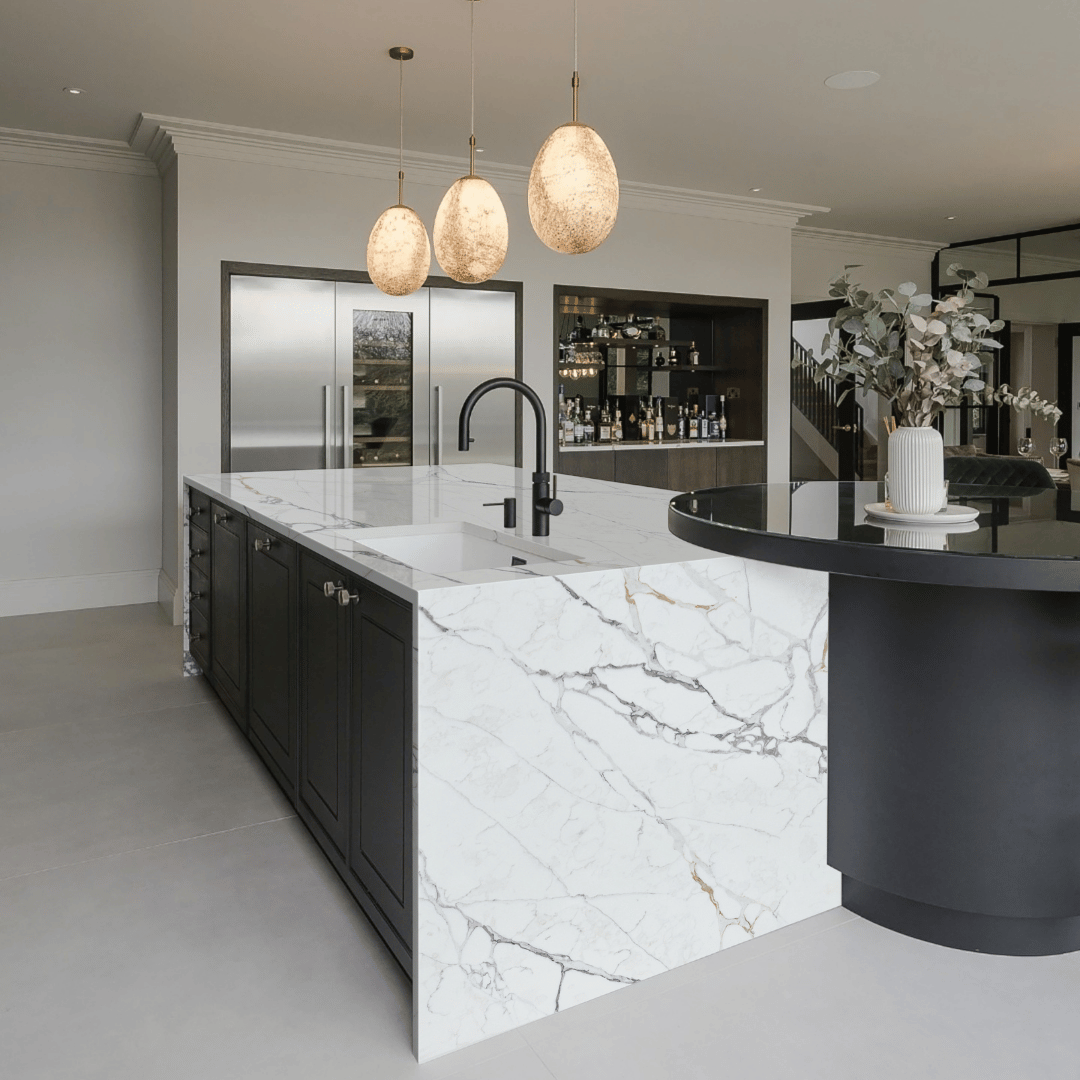
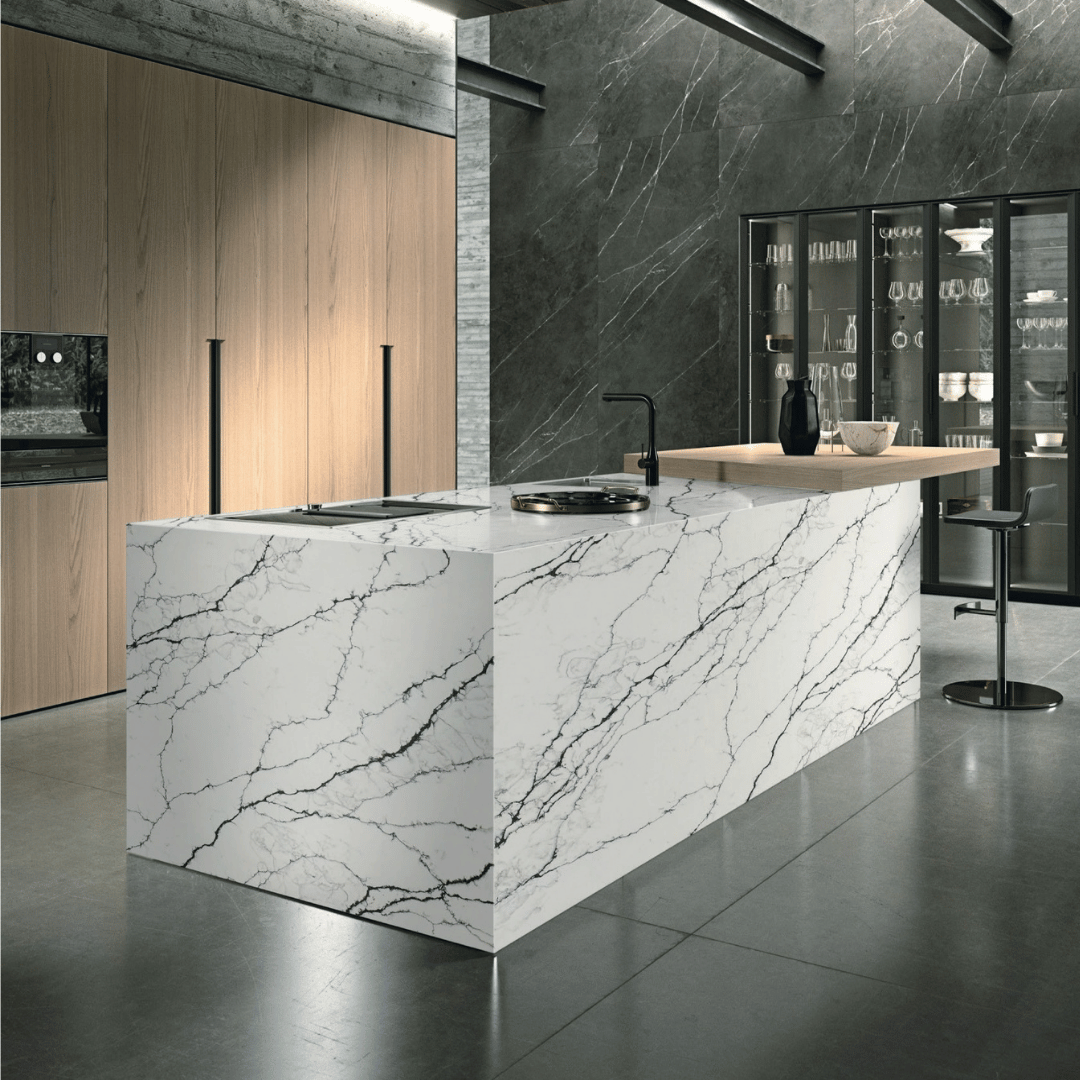
Large format slabs, available in both porcelain and quartz, are increasingly popular in commercial applications due to their minimal seams and expansive surface area, allowing for bold design statements. They can be used for flooring, wall coverings, and countertops, providing a seamless look.
Key Specifications for Slabs
When specifying commercial slabs for hospitality and retail projects, consider the following specifications:
1. Thickness
The thickness of the slab is crucial for both durability and aesthetic appeal. Common thicknesses include:
| Thickness | Applications | Recommended Use |
|---|---|---|
| 2 cm | Countertops, Walls | Light to Moderate Use |
| 3 cm | Countertops, Flooring | Heavy Use |
2. Finish
Slabs are available in various finishes, including polished, honed, and matte. The finish affects the surface’s aesthetic and performance characteristics, such as slip resistance and stain visibility. For high-traffic areas, a honed or matte finish may be preferable for safety and maintenance.
3. Color and Pattern
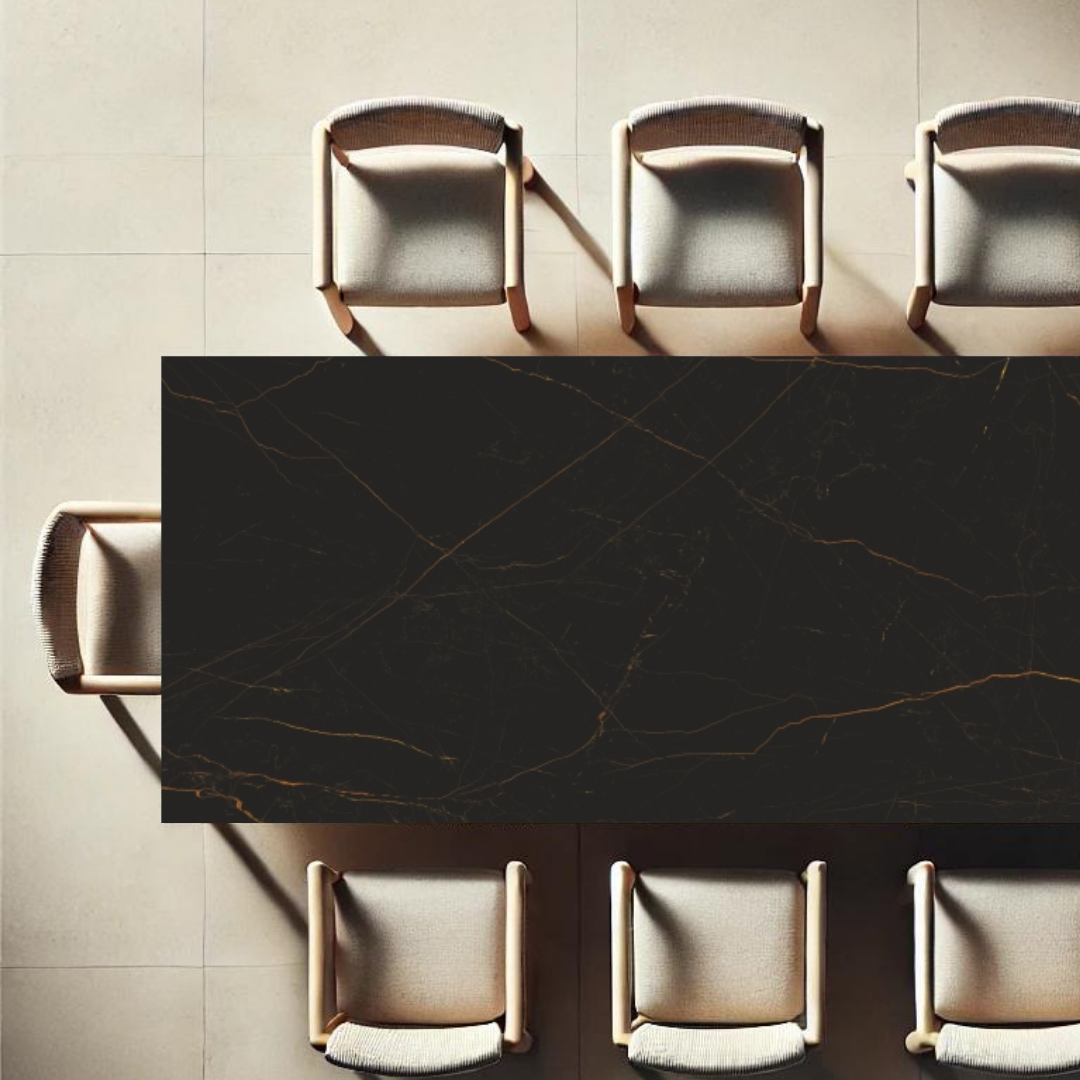
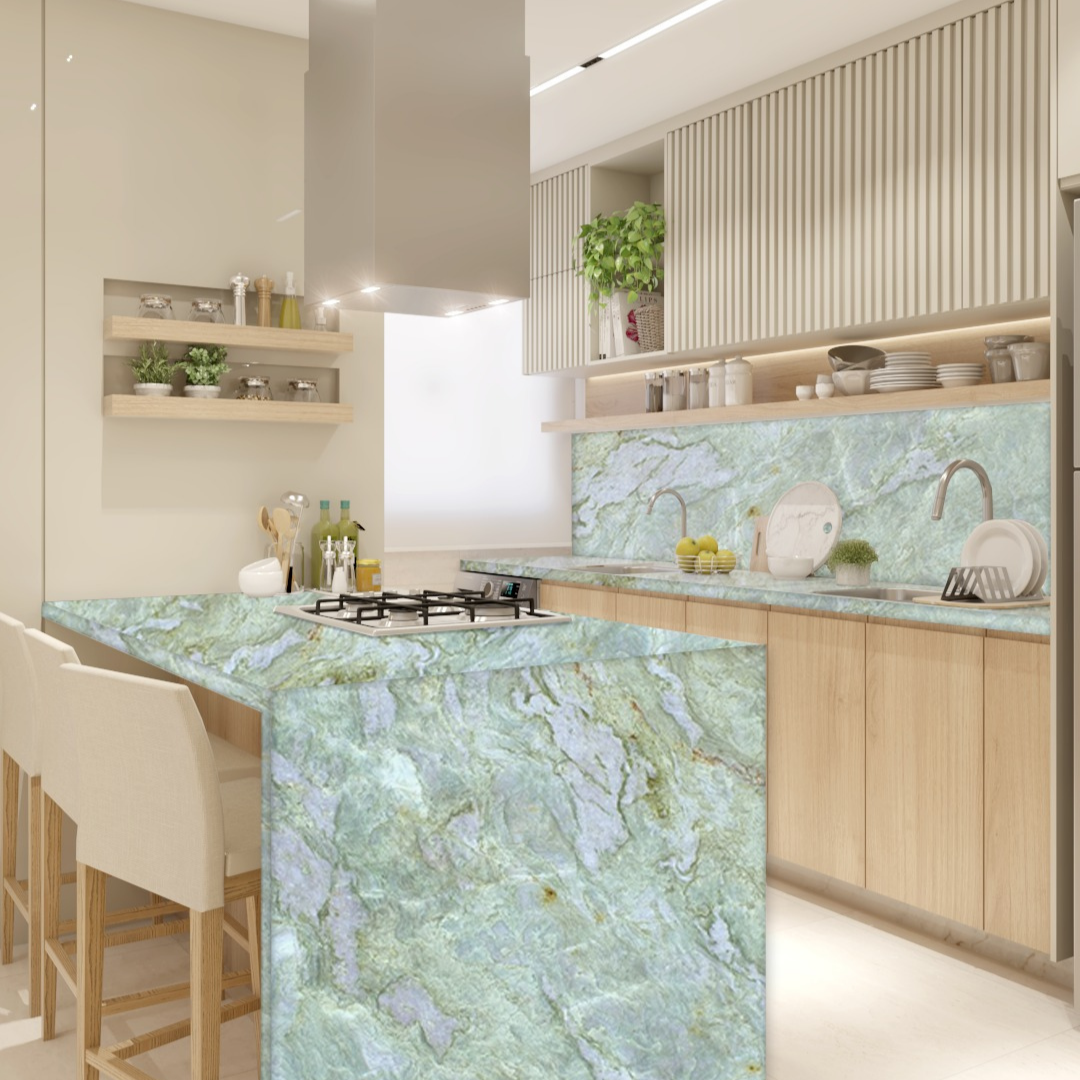
Choosing the right color and pattern is essential for achieving the desired ambiance. Neutral tones can create a calm atmosphere, while bold colors can make a statement. Additionally, certain patterns, such as bookmatching, can add visual interest and luxury.
4. Durability Ratings
Understanding the durability ratings of materials is crucial. Look for slabs that meet industry standards for scratch resistance, stain resistance, and heat resistance, especially in commercial environments where spills and heavy use are common.
Choosing the Right Material
Selecting the right material for your commercial slabs involves balancing aesthetic preferences with performance requirements. Here are some guidelines:
1. Consider the Environment
Evaluate the specific environment where the slabs will be installed. For instance, areas prone to moisture, such as bathrooms or kitchens, may benefit from porcelain slabs due to their superior water resistance.
2. Assess Foot Traffic
High foot traffic areas require materials that can withstand wear and tear. Quartz and large format porcelain slabs are excellent choices for these applications, offering durability without compromising aesthetics.
3. Maintenance Needs
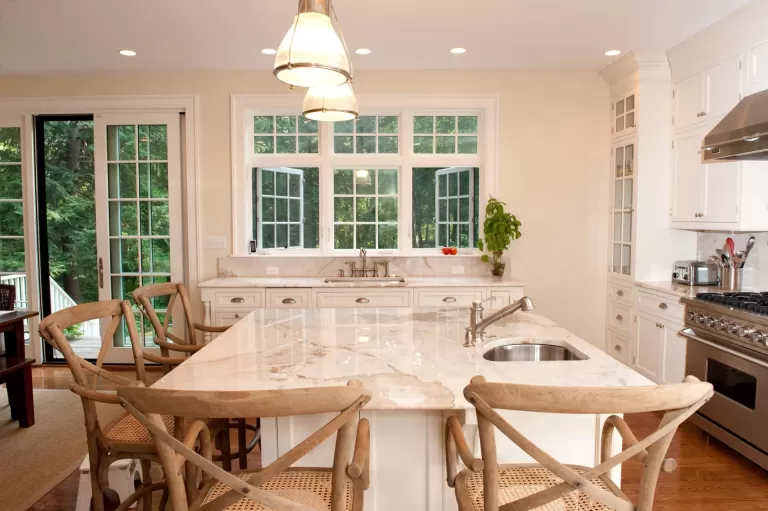
Consider the maintenance requirements of each material. Quartz slabs generally require less upkeep than natural stone, which may need periodic sealing to maintain their appearance and performance.
4. Sustainability Considerations
Sustainability is an increasingly important factor in material selection. Look for suppliers, such as Builder Stone Global, who offer eco-friendly options and practices. Materials with low VOC emissions and those sourced responsibly can contribute to a healthier environment.
Installation Best Practices
Proper installation is vital to ensure the longevity and performance of commercial slabs. Here are some best practices to follow:
1. Hire Experienced Professionals
Always work with experienced installers who understand the specific requirements for commercial slab installation. Their expertise will help avoid common pitfalls and ensure a flawless finish.
2. Prepare the Substrate
Ensure that the substrate is clean, level, and dry before installation. Any imperfections in the substrate can lead to issues down the line, such as cracking or uneven surfaces.
3. Use Appropriate Adhesives
Choosing the right adhesive is crucial for ensuring a strong bond between the slab and substrate. Consult with the manufacturer for recommendations based on the material type.
4. Follow Manufacturer Guidelines
Always adhere to the manufacturer’s installation guidelines to maintain warranties and ensure optimal performance. This includes recommendations on cutting, handling, and sealing the slabs.
Maintenance and Care
Proper maintenance is essential for preserving the beauty and functionality of commercial slabs. Here are some tips for different materials:
1. Quartz Slabs
Quartz slabs are non-porous and resistant to stains, making them easy to clean. Use a mild dish soap and water for routine cleaning. Avoid harsh chemicals that can damage the surface.
2. Porcelain Slabs
Porcelain’s durability makes it easy to maintain. Regular sweeping and mopping with a pH-neutral cleaner will keep surfaces looking new. For tough stains, a mixture of baking soda and water can be effective.
3. Natural Stone Slabs
Natural stone requires more care. Regular sealing is recommended to protect against stains and moisture. Use a stone-specific cleaner for maintenance.
Case Studies
To illustrate the impact of choosing the right commercial slabs, let’s explore a few notable projects:
1. Luxury Hotel Lobby
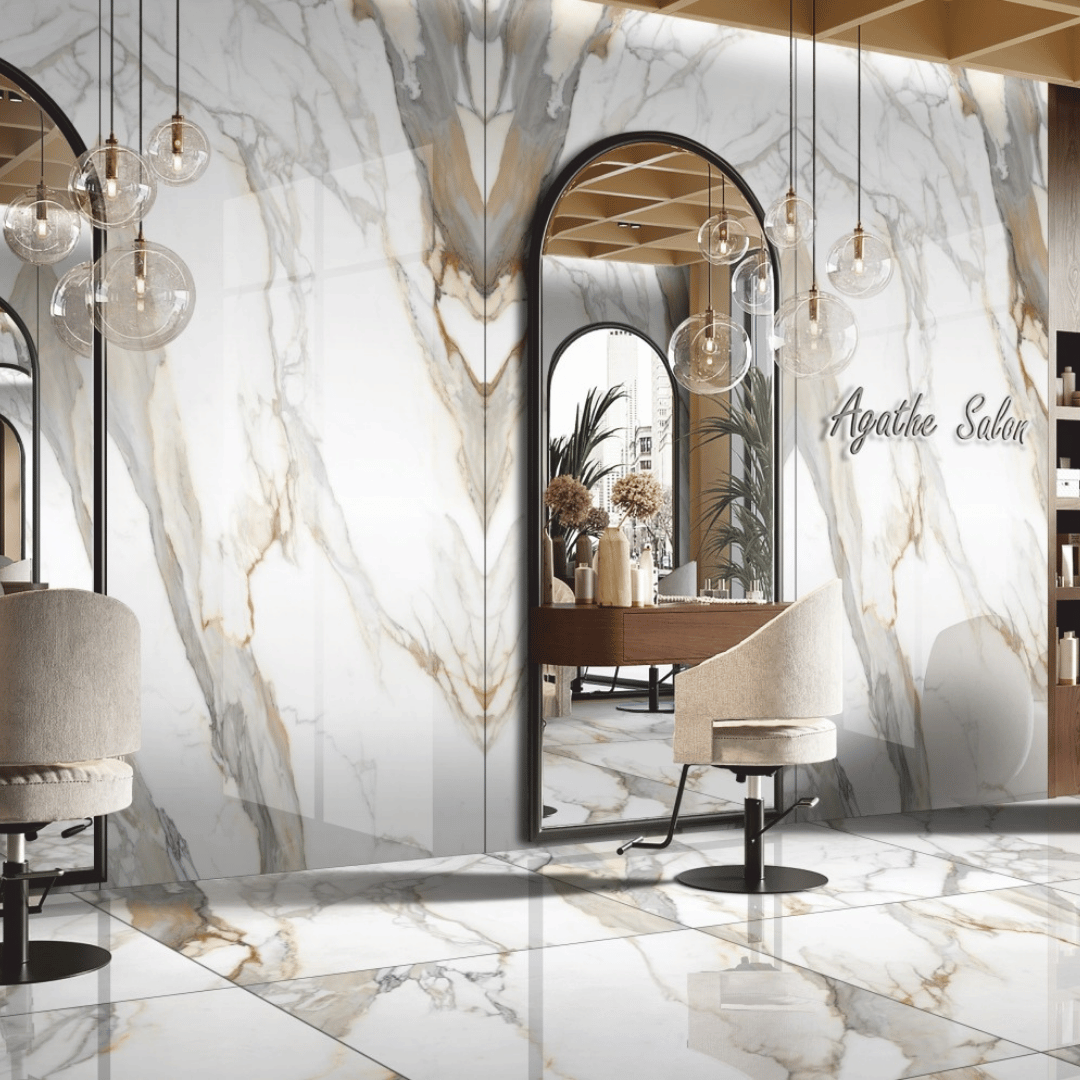
A luxury hotel in Atlanta opted for large format porcelain slabs in a stunning marble effect for its lobby. The choice not only provided a high-end aesthetic but also ensured durability against heavy foot traffic. The seamless installation minimized maintenance while enhancing the overall design.
2. Retail Store Revamp
A retail store in Norcross, GA, used engineered quartz slabs for their countertops and displays. The vibrant colors and patterns attracted customers, while the non-porous surface ensured easy cleaning. This choice significantly improved the store’s ambiance and customer satisfaction.
Frequently Asked Questions
What are commercial slab specifications?
Commercial slab specifications refer to the technical and aesthetic requirements for selecting and installing slabs in hospitality and retail projects, including material type, thickness, finish, and durability ratings.
How do I choose the right slab material for my project?
Consider factors such as environment, foot traffic, maintenance needs, and sustainability when selecting slab materials for your project.
What is the difference between quartz and porcelain slabs?
Quartz slabs are engineered stone made from natural quartz and resins, while porcelain slabs are fired clay products known for their density and durability. Quartz is non-porous, while porcelain offers excellent water resistance.
How thick should commercial slabs be?
Common thicknesses for commercial slabs are 2 cm for lighter applications and 3 cm for areas with heavy use, such as flooring and countertops.
How can I maintain my commercial slabs?
Maintenance varies by material. Quartz requires simple soap and water cleaning, porcelain needs regular sweeping and mopping, and natural stone requires periodic sealing and specialized cleaners.
What are the best finishes for high-traffic areas?
Honed or matte finishes are recommended for high-traffic areas to enhance slip resistance and minimize the visibility of scratches and stains.
Can I install slabs myself?
While DIY installation is possible, it is advisable to hire experienced professionals to ensure proper installation and avoid potential issues.
Where can I find premium commercial slabs?
Builder Stone Global offers an extensive inventory of premium quartz, porcelain, and natural stone slabs suitable for commercial applications. Visit our live inventory to explore options.
Conclusion
Choosing the right commercial slab specifications for hospitality and retail projects is integral to creating stunning and functional spaces. By understanding the types of slabs available, key specifications, installation best practices, and maintenance requirements, you can ensure that your surfaces not only meet aesthetic expectations but also stand the test of time. For premium quality slabs, call +1 470-551-2092 to speak with our surface specialists or visit our Norcross showroom for personalized assistance.