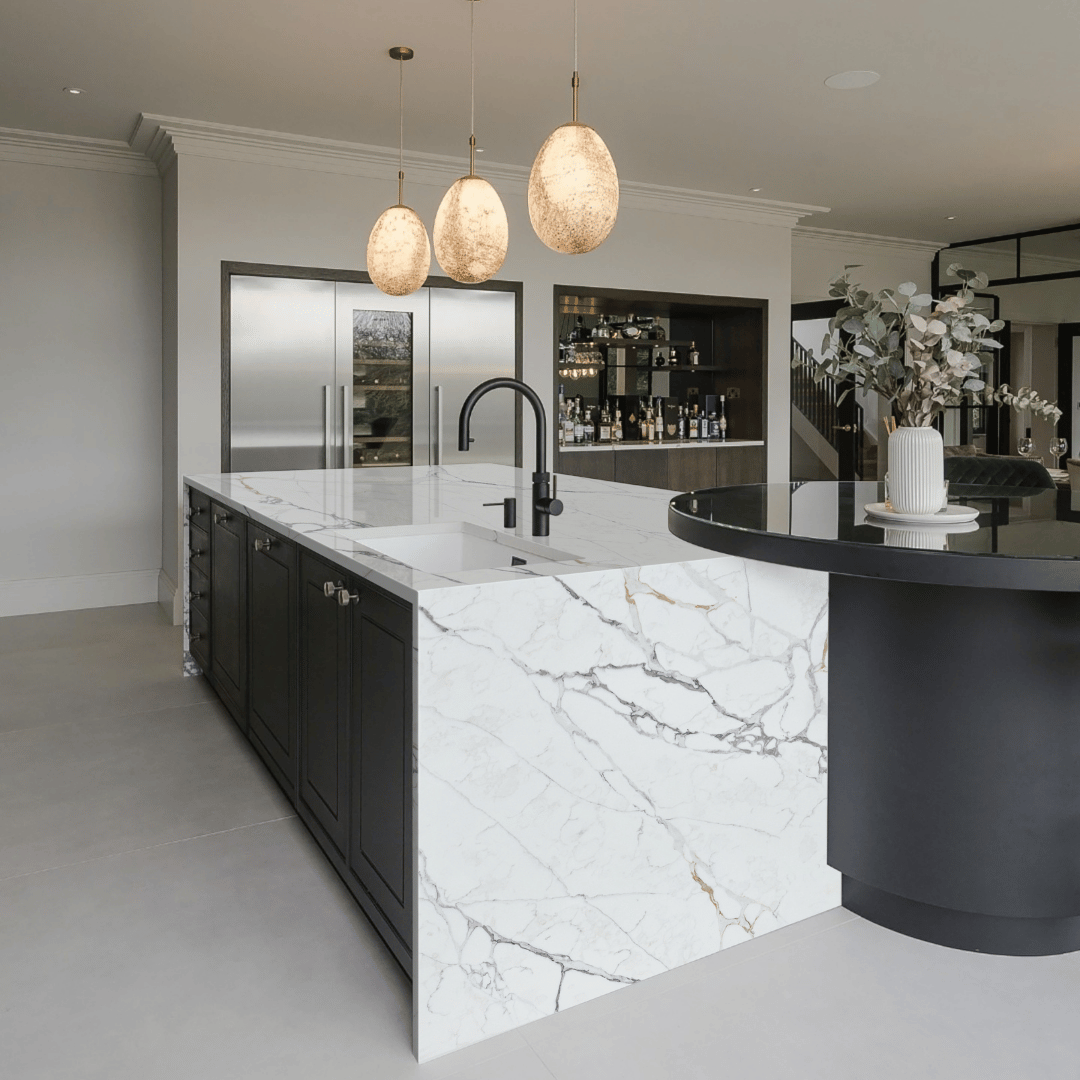

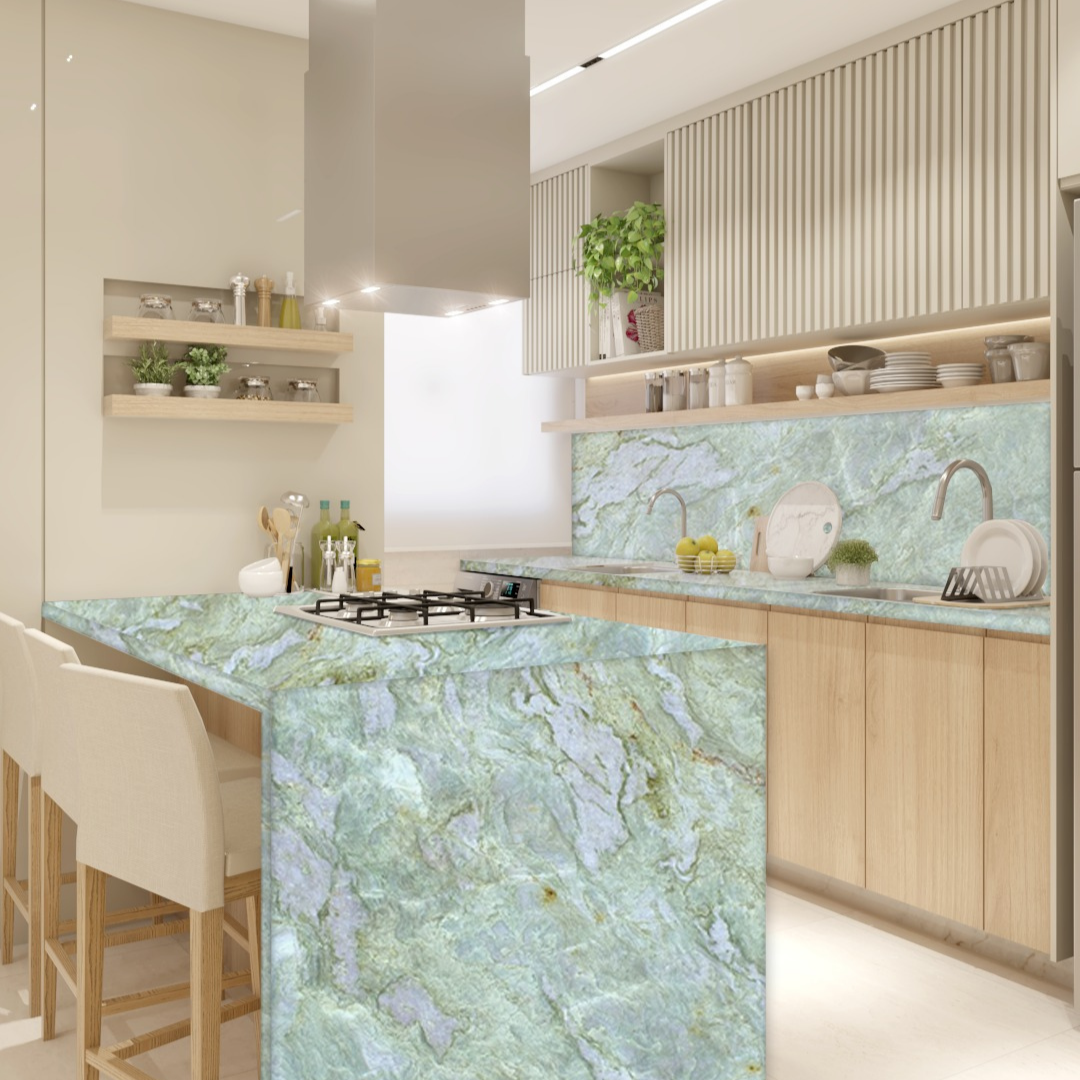
The Complete Guide to Brazilian and Indian Natural Stone Quarrying and Processing
The Complete Guide to Brazilian and Indian Natural Stone Quarrying and Processing
In the realm of natural stone, Brazil and India stand out as two of the most significant players in quarrying and processing. As a leading quartz slab distributor in Norcross, GA, we at Builder Stone Global recognize the importance of understanding the intricacies involved in sourcing premium natural stone. This guide will delve into the comprehensive processes of quarrying and processing Brazilian and Indian natural stones, highlighting their unique characteristics, techniques, and applications. Whether you are an architect, interior designer, or contractor, this guide will equip you with the knowledge needed to make informed decisions for your projects.
1. Brazilian Natural Stone Overview
Brazil is renowned for its diverse range of natural stones, particularly granites and quartzites. The country is one of the largest exporters of these materials, supplying various markets worldwide. Brazilian natural stones are celebrated for their rich colors, unique patterns, and durability, making them ideal for high-end architectural applications.
Some of the most popular Brazilian stones include:
- Santa Cecilia Granite: A beautiful blend of cream and gold tones, perfect for countertops.
- Black Galaxy Granite: Known for its striking black surface with golden flecks, ideal for commercial spaces.
- Crystal Blue Quartzite: A stunning blue stone that adds elegance to any design.
2. Indian Natural Stone Overview
India is another significant player in the natural stone industry, recognized for its vast deposits of granite, marble, and sandstone. Indian natural stones are popular for their variety and affordability, making them accessible to a broader audience. The intricate designs and colors available in Indian stones offer unique aesthetic options for both residential and commercial projects.
Key Indian stones include:
- Raj Green Sandstone: A durable and visually appealing stone, often used for outdoor applications.
- Makrana Marble: Renowned for its purity and white color, famously used in the Taj Mahal.
- Black Basalt: A strong, dark stone used in various architectural designs.
3. Quarrying Process
The quarrying process for natural stones involves several stages, from exploration to extraction. Understanding these stages is crucial for ensuring quality and sustainability.
3.1 Exploration and Site Selection
The first step in quarrying is identifying suitable sites for extraction. This involves geological surveys and environmental assessments to ensure that the area has sufficient deposits of the desired stone type. In Brazil and India, this process is often supported by geological maps and core samples.
3.2 Extraction Techniques
Once a site is deemed viable, extraction begins. The techniques used can vary based on the stone type and the quarry’s location:
- Open-pit mining: Common for granite quarries, this method involves removing large sections of rock in a series of benches.
- Wire saws: These are increasingly used for cutting stone blocks with precision, minimizing waste.
- Diamond wire cutting: This advanced technique allows for more intricate cuts and shapes, enhancing the quality of the extracted stone.
4. Processing Techniques
After extraction, the stones undergo various processing techniques to prepare them for the market. The processing stages include:
4.1 Block Dressing
This initial step involves trimming the rough blocks of stone to achieve a more manageable size and shape. This process often utilizes gang saws and diamond wire saws to ensure precision.
4.2 Surface Finishing
Surface finishing is essential for enhancing the aesthetic appeal of the stone. Common finishes include:
- Polished: Provides a glossy finish, enhancing the color and pattern.
- Honed: A matte finish that is less slippery, ideal for flooring.
- Brushed: A textured finish that adds depth and character.
4.3 Quality Control
Quality control is a critical step in the processing phase. This involves inspecting each slab for defects, ensuring consistent color and texture. At Builder Stone Global, we emphasize stringent quality control measures to guarantee premium quality in every slab.
5. Comparison of Brazilian and Indian Stones
| Feature | Brazilian Natural Stone | Indian Natural Stone |
|---|---|---|
| Color Variety | Rich and vibrant colors | Wide range, including earthy tones |
| Durability | Highly durable, especially granites | Durable but varies by type |
| Price Point | Generally higher due to quality | More affordable options available |
| Market Demand | High demand in luxury segments | Growing demand across various sectors |
6. Sourcing and Logistics
When sourcing natural stones from Brazil and India, several factors come into play:
6.1 Import Regulations
Importing natural stone requires compliance with various regulations, including tariffs and environmental standards. Understanding these regulations is essential for smooth logistics.
6.2 Shipping Considerations
Shipping natural stone can be complex due to its weight and fragility. Partnering with reliable logistics providers who specialize in stone transportation is crucial.
6.3 Partnering with Local Suppliers
Building relationships with local suppliers can enhance sourcing efficiency. At Builder Stone Global, we maintain strong partnerships with quarries in Brazil and India, ensuring a steady supply of premium stones.
7. Sustainability in Quarrying
Sustainability is an increasingly important consideration in the natural stone industry. Both Brazil and India are adopting eco-friendly practices in quarrying and processing:
- Recycling Water: Many quarries are implementing systems to recycle water used in processing, reducing waste.
- Land Rehabilitation: Post-extraction land rehabilitation is becoming standard practice to restore natural habitats.
- Responsible Sourcing: Ethical sourcing practices are being emphasized to ensure fair labor and environmental stewardship.
8. Frequently Asked Questions
What types of natural stones are commonly quarried in Brazil?
Brazil is known for its granites and quartzites, including popular varieties like Santa Cecilia and Black Galaxy.
How does the quarrying process differ between Brazil and India?
The quarrying process can vary based on local regulations and available technology; however, both countries utilize advanced techniques like diamond wire cutting.
What are the benefits of using Brazilian natural stone in construction?
Brazilian stones are known for their durability and stunning aesthetics, making them ideal for high-end applications.
Are Indian natural stones affordable?
Yes, Indian natural stones generally offer a range of price points, making them accessible for various budgets.
How do I choose the right stone for my project?
Consider factors such as durability, color, and finish. Consulting with surface specialists can also provide valuable insights.
What is the environmental impact of natural stone quarrying?
Natural stone quarrying can have environmental impacts, but sustainable practices are being adopted to mitigate these effects.
How can I maintain natural stone surfaces?
Regular cleaning with pH-neutral solutions and periodic sealing can help maintain the beauty of natural stone surfaces.
What should I know about importing natural stones from Brazil and India?
Familiarize yourself with import regulations, shipping logistics, and establish relationships with reliable suppliers.
Where can I find quality natural stones in Norcross, GA?
Builder Stone Global offers an extensive selection of premium quartz, porcelain, and natural stone slabs. Contact us to learn more.
What are the latest trends in natural stone design?
Current trends include the use of bold colors, large-format slabs, and sustainable materials in architectural designs.
How does the cost of Brazilian stone compare to Indian stone?
Brazilian stones tend to be priced higher due to their quality and demand, while Indian stones offer more affordable options.
What are the best applications for Brazilian and Indian natural stones?
Both types of stone are versatile and can be used for countertops, flooring, and wall cladding in residential and commercial settings.