
The Complete Guide to Emerging Slab Technologies Shaping Distribution in 2027
The Complete Guide to Emerging Slab Technologies Shaping Distribution in 2027
As we approach 2027, the landscape of slab technologies is rapidly evolving, significantly impacting the distribution of premium architectural surfaces. In this comprehensive guide, we will explore innovative technologies that are set to redefine how quartz, porcelain, and natural stone slabs are distributed, focusing on sustainability, efficiency, and quality control. Builder Stone Global stands at the forefront of these changes, offering insights from our extensive experience as a leading quartz slab distributor in Norcross, GA. By the end of this article, you will understand the emerging trends and technologies that will shape the future of slab distribution.
1. Understanding Emerging Slab Technologies
The slab industry is undergoing a transformation driven by technological advancements that enhance quality, efficiency, and sustainability. From smart manufacturing processes to innovative distribution methods, these technologies are set to shape the future of slab distribution. As a premium quartz slab distributor, Builder Stone Global is committed to integrating these technologies into our operations to provide our clients with the best products available.
2. Innovations in Quartz Slab Manufacturing
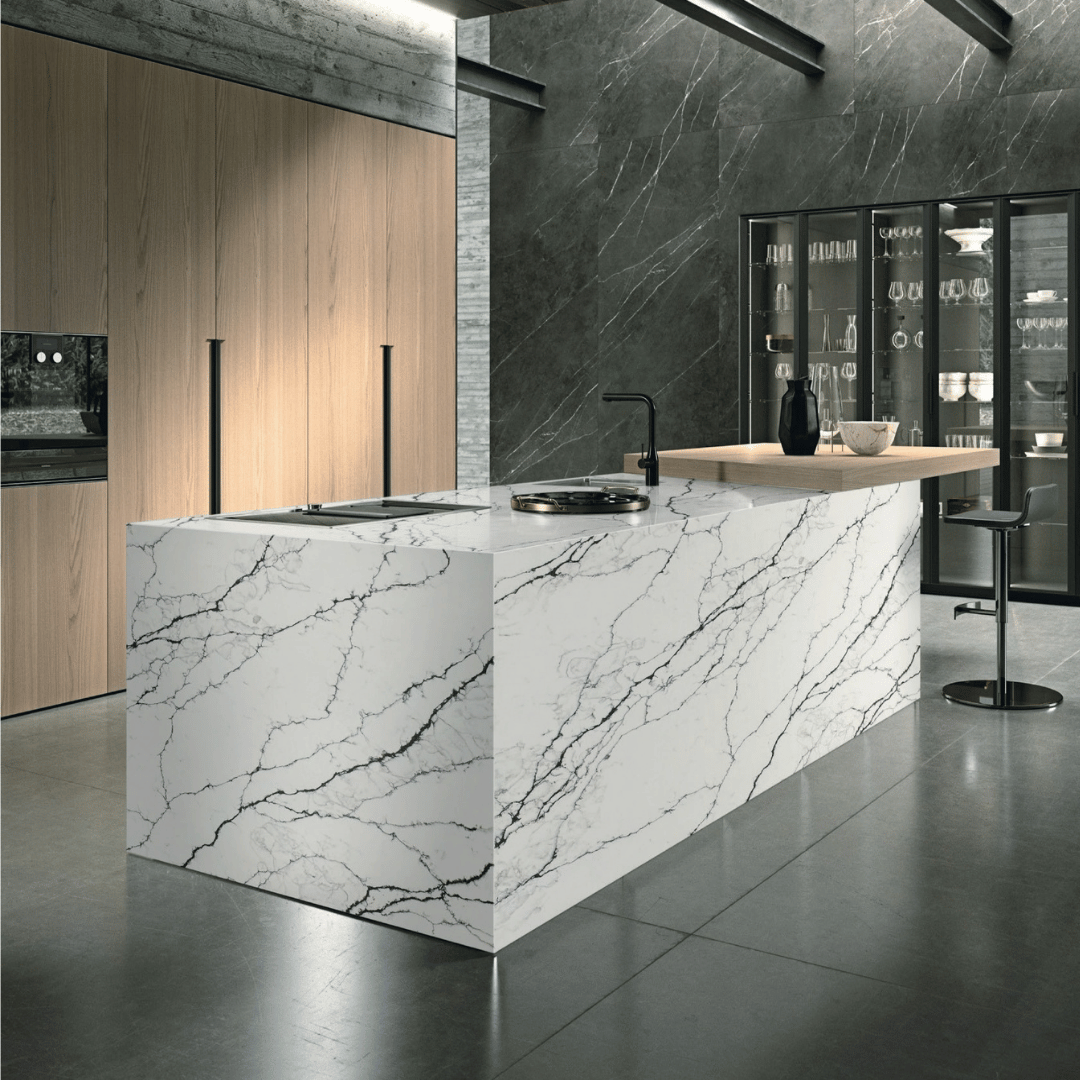
Quartz slabs have gained immense popularity in recent years, particularly for kitchen countertops and architectural surfaces. The manufacturing process has seen significant advancements that enhance durability and aesthetic appeal. The key innovations include:
- Engineered Quartz Technology: Modern engineered quartz combines natural stone with resins and pigments to create a highly durable surface. Innovations in this area have led to improved color consistency and strength.
- Automation and Robotics: Automated production lines are becoming standard in quartz manufacturing. Robotics streamline processes, reducing human error and increasing production speed. This ensures that customers receive high-performance surfaces with consistent quality.
- Advanced Surface Treatments: New surface treatments enhance the stain and scratch resistance of quartz slabs. Technologies such as anti-bacterial coatings and hydrophobic treatments are becoming increasingly common.
These innovations not only improve the product quality but also enhance the efficiency of distribution. As a kitchen countertop slab supplier, we ensure that our clients benefit from these advancements.
3. Advances in Porcelain Slab Production
Porcelain slabs are increasingly favored for their versatility and aesthetic appeal. The production of porcelain slabs has evolved, driven by technological advancements that allow for larger formats and improved durability.
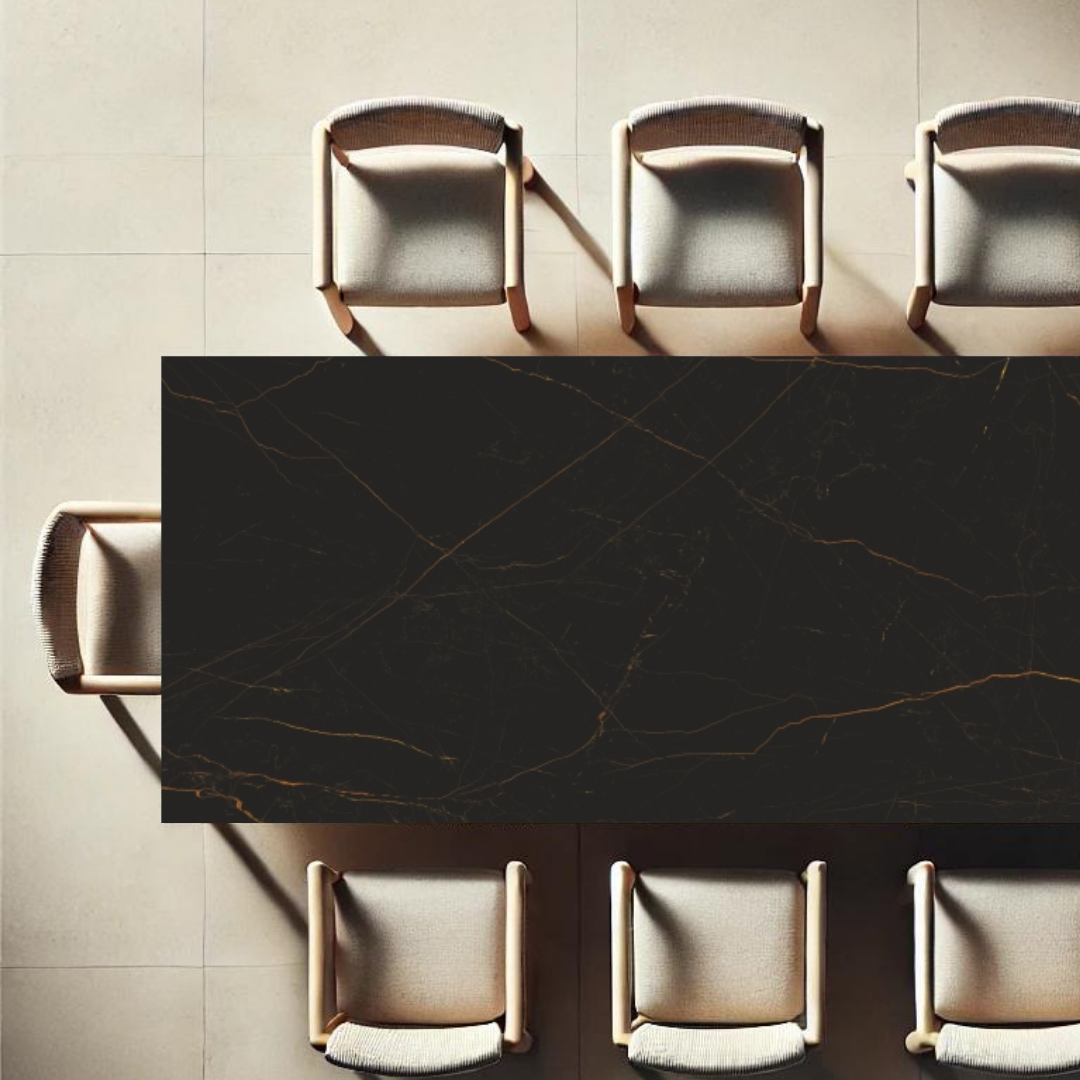
- Large Format Porcelain Technology: The trend towards larger porcelain slabs is reshaping the market. These slabs can be used for a variety of applications, including flooring, walls, and countertops, providing a seamless look.
- 3D Printing in Porcelain Manufacturing: The use of 3D printing allows for intricate designs and patterns that were previously difficult to achieve. This technology enables customization and personalization of porcelain surfaces.
- Eco-Friendly Manufacturing Processes: As sustainability becomes a priority, manufacturers are adopting eco-friendly practices, including using recycled materials and reducing energy consumption during production.
These advancements align with the growing demand for sustainable and high-performance surfaces. To explore more about porcelain slabs, check out our guide on best uses for porcelain slabs.
4. The Role of Natural Stone in Modern Design
Natural stone remains a timeless choice for architectural surfaces. However, its distribution is being transformed by technology as well. Key developments include:
- Digital Quarrying: Advanced technologies are now being employed in quarrying natural stone. Drones and 3D scanning allow for precise measurements and efficient extraction, reducing waste and ensuring the highest quality slabs.
- Enhanced Logistics Solutions: As a natural stone slab warehouse in Norcross, we utilize advanced logistics solutions to streamline distribution. Real-time tracking and optimized routing ensure timely delivery of slabs across various regions.
- Custom Finishes and Treatments: Technology allows for a wider variety of finishes and treatments for natural stone, enabling customization that meets specific project requirements.
These innovations contribute to the growing popularity of natural stone in modern design, making it an essential component of architectural projects.
5. Sustainable Practices in Slab Distribution
As the industry shifts towards sustainability, slab distributors like Builder Stone Global are adopting eco-friendly practices. Key sustainable practices include:
- Recycling and Waste Reduction: Many manufacturers are implementing recycling programs to minimize waste during production. This includes reusing off-cuts and utilizing natural byproducts.
- Energy-Efficient Transportation: Optimizing transportation routes and utilizing fuel-efficient vehicles reduces the carbon footprint associated with slab distribution.
- Eco-Friendly Packaging: Using recyclable and biodegradable packaging materials ensures that products are delivered without harming the environment.
These practices not only meet consumer demand for sustainability but also position companies as responsible and forward-thinking leaders in the industry.
6. The Impact of Digital Technologies on Distribution
The integration of digital technologies into the slab distribution process is revolutionizing how products are delivered. Key impacts include:
- Inventory Management Systems: Advanced inventory management systems allow for real-time tracking of stock levels, helping to minimize delays and ensure that clients have access to the slabs they need.
- Online Ordering Platforms: As a countertop material wholesaler, we provide an online platform where clients can browse our live inventory and place orders conveniently.
- Virtual Showrooms: Virtual reality technologies are enabling clients to visualize how slabs will look in their spaces before making a purchase, enhancing the decision-making process.
These digital advancements are not only improving efficiency but also enhancing the customer experience, making it easier for clients to access premium quality surfaces.
7. Future Trends in Slab Technology
As we look forward to 2027, several trends are expected to dominate the slab technology landscape:
- Smart Slabs: The integration of smart technology into slabs, such as sensors for monitoring temperature and humidity, is on the horizon, providing valuable data for maintenance and care.
- Increased Customization: Advances in manufacturing technology will enable greater customization options, allowing clients to create unique designs tailored to their specific needs.
- Hybrid Materials: The development of hybrid materials that combine the best properties of various surfaces is gaining traction, offering enhanced performance and aesthetic appeal.
These trends will not only enhance the quality of slabs but also ensure that they meet the evolving needs of both consumers and designers.
8. Conclusion
The slab industry is on the cusp of a technological revolution that promises to reshape distribution practices by 2027. From innovations in manufacturing to sustainable practices and digital technologies, the future looks bright for slab distributors and their clients. At Builder Stone Global, we are committed to staying ahead of these trends, ensuring that our clients have access to the highest quality quartz, porcelain, and natural stone slabs. For inquiries or to explore our extensive inventory, contact us today.
9. FAQ
What are the latest technologies in slab manufacturing?
Recent technologies include automated production lines, advanced surface treatments, and eco-friendly manufacturing processes.
How is sustainability impacting slab distribution?
Companies are adopting recycling practices, energy-efficient transportation, and eco-friendly packaging to reduce their environmental impact.
What are the benefits of using porcelain slabs?
Porcelain slabs are known for their durability, versatility, and aesthetic appeal, making them suitable for various applications.
How can digital technologies improve slab distribution?
Digital technologies enhance inventory management, streamline ordering processes, and improve customer experiences through virtual showrooms.
What trends should we expect in slab technology by 2027?
Expect trends like smart slabs, increased customization, and the development of hybrid materials.
What role does natural stone play in modern architecture?
Natural stone adds timeless beauty and durability to architectural designs, making it a preferred choice among designers.
How can I choose the right slab for my project?
Consider factors like material durability, aesthetics, and maintenance requirements when selecting a slab.
Where can I find premium slab distributors?
Look for reputable distributors like Builder Stone Global, which offers a wide range of high-performance slabs.