Why Ultra-Thin Slab Formats Are Expanding Application Possibilities in Architecture
Why Ultra-Thin Slab Formats Are Expanding Application Possibilities in Architecture
The architectural landscape is undergoing a significant transformation, with ultra-thin slab formats leading the charge in innovation and design versatility. As a premium quartz and natural stone distributor, Builder Stone Global recognizes the profound impact that these advanced materials have on architectural applications, enabling designers and architects to explore new creative horizons. In this article, we will delve deeply into how ultra-thin slabs are reshaping the architecture field, their benefits, applications, and why they are becoming the preferred choice for modern projects.
Understanding Ultra-Thin Slab Formats
Ultra-thin slabs are engineered surfaces that typically measure between 3mm and 12mm in thickness, offering a lightweight yet durable alternative to traditional stone materials. These slabs are manufactured using advanced technology that combines natural minerals with high-performance resins, resulting in a product that is not only aesthetically pleasing but also functional. The versatility of ultra-thin slabs allows for a wide range of applications, from countertops and wall cladding to flooring and furniture.
At Builder Stone Global, our collection includes premium quartz, porcelain, and natural stone slabs, all available in ultra-thin formats. This allows architects and designers to achieve architectural elegance without compromising on durability. The lightweight nature of these slabs makes them easier to transport and install, significantly reducing labor costs and project timelines.
Benefits of Ultra-Thin Slabs
The rise of ultra-thin slabs can be attributed to several key benefits that enhance their appeal to architects and builders:
- Lightweight: Unlike traditional stone slabs, ultra-thin options are significantly lighter, making them easier to handle and install.
- Versatility: These slabs can be used in various applications, including residential, commercial, and public spaces.
- Design Flexibility: Ultra-thin slabs can be easily cut and shaped, allowing for intricate designs and custom applications.
- Durability: Despite their thin profile, these slabs offer exceptional strength and resistance to wear, heat, and stains.
- Cost-Effective: The reduced material use and lighter weight lead to lower shipping and installation costs.
Applications in Architecture
Ultra-thin slabs are redefining what is possible in architectural design. Here are some of the most common applications:
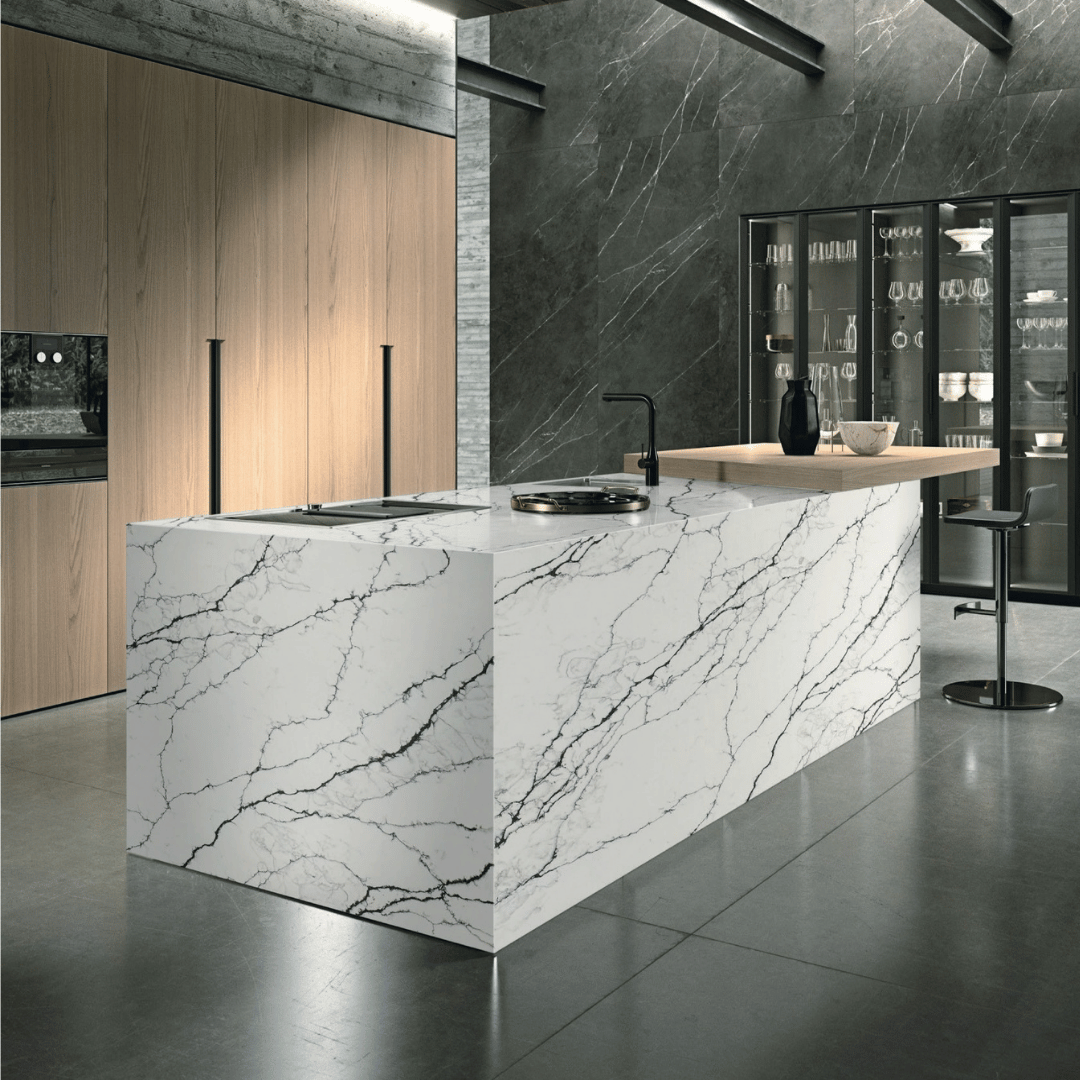
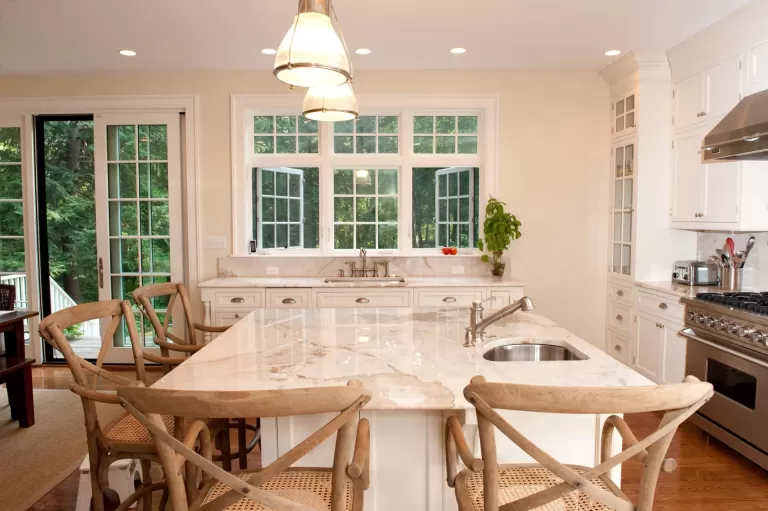
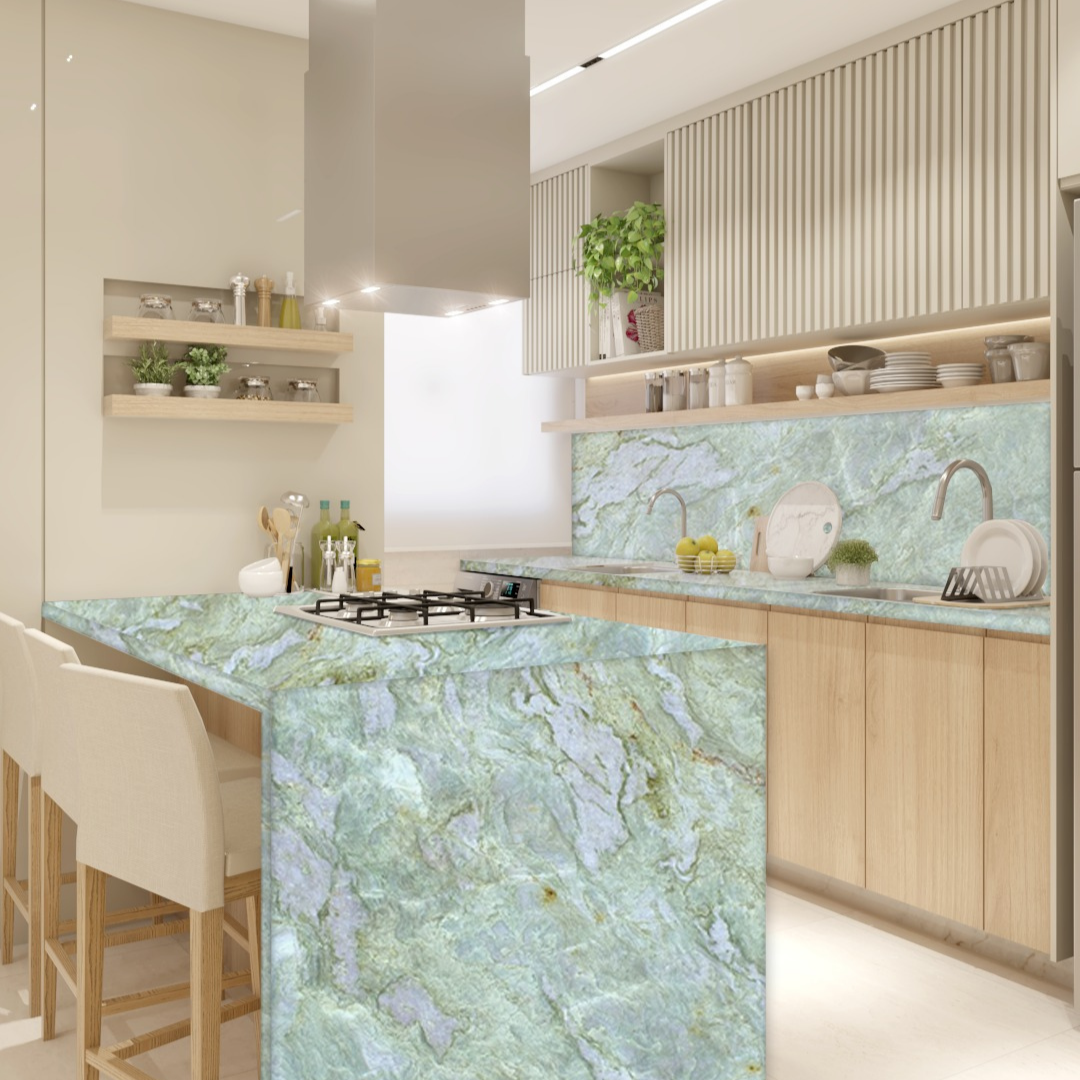
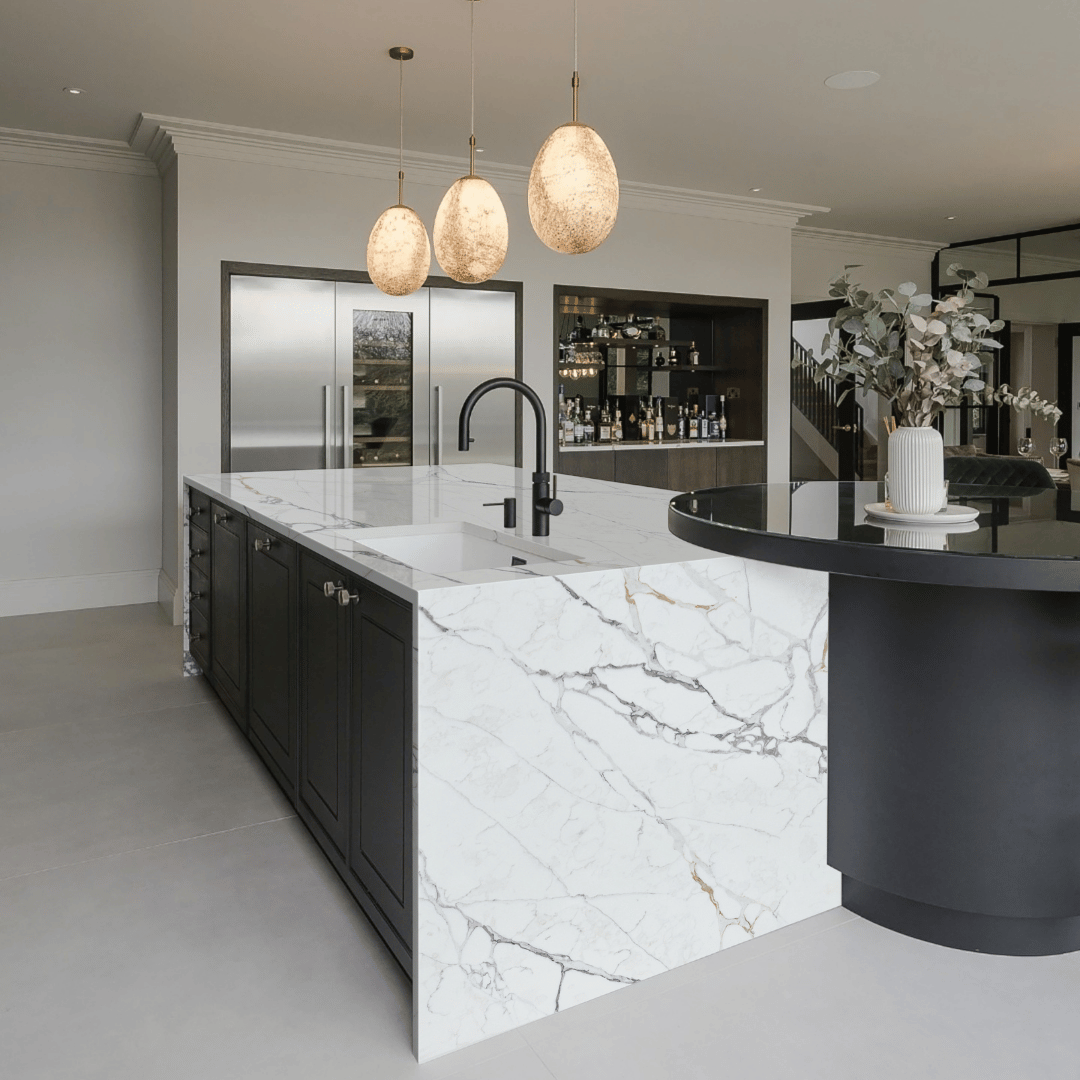
- Countertops: The lightweight nature of ultra-thin slabs makes them ideal for kitchen and bathroom countertops. They offer a sleek, modern look while maintaining high durability.
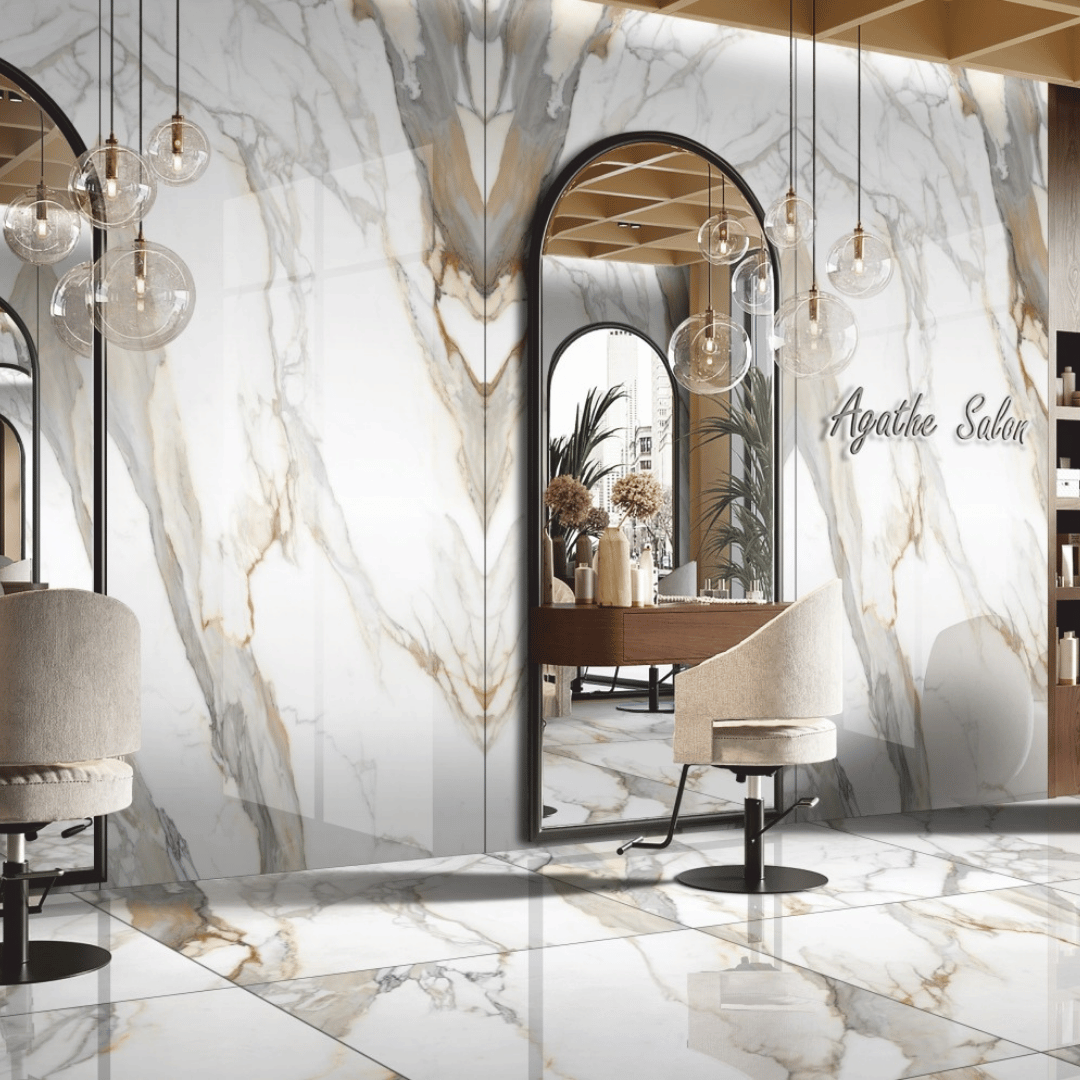
- Wall Cladding: Ultra-thin slabs can be used for interior and exterior wall cladding, offering a seamless appearance that enhances aesthetic appeal.
- Flooring: These slabs are perfect for flooring solutions, providing a contemporary look while being easy to maintain.
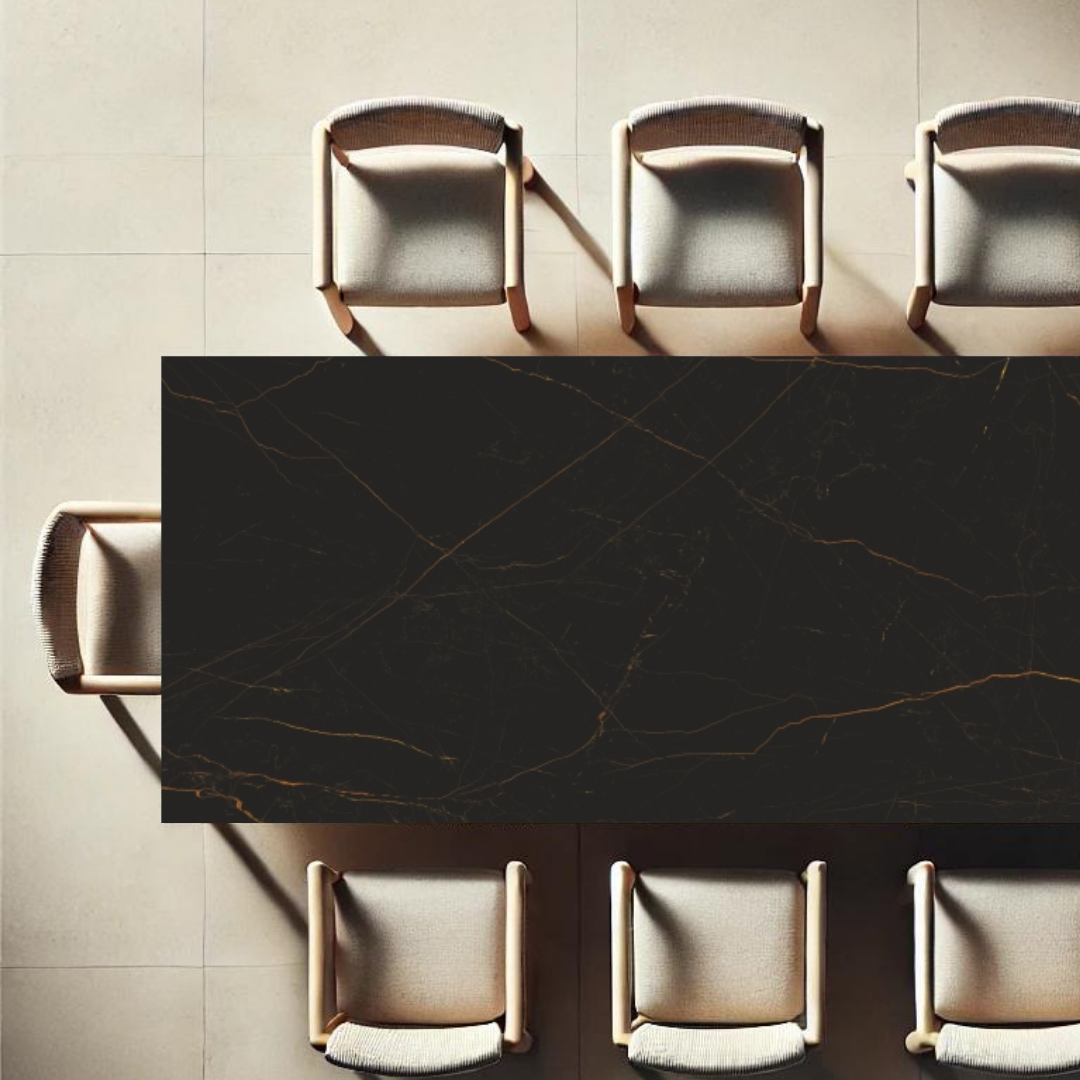
- Furniture: Designers are increasingly using ultra-thin slabs in furniture design, creating elegant tables, shelving, and cabinetry.
- Architectural Features: From facades to decorative elements, ultra-thin slabs allow architects to push the boundaries of design.
Comparative Analysis: Ultra-Thin vs. Traditional Slabs
| Feature | Ultra-Thin Slabs | Traditional Slabs |
|---|---|---|
| Weight | Lightweight | Heavy |
| Thickness | 3mm – 12mm | 20mm and above |
| Flexibility | High | Limited |
| Cost | Generally lower | Higher |
| Installation Ease | Easy | Challenging |
This comparison highlights the advantages of ultra-thin slabs in terms of weight, cost, and installation ease. These factors are crucial for architects and builders looking to optimize their projects.
Choosing the Right Ultra-Thin Slab for Your Project
Selecting the right ultra-thin slab requires careful consideration of several factors:
- Application: Consider where the slab will be used (e.g., countertops, flooring, wall cladding).
- Material Type: Choose between quartz, porcelain, or natural stone based on your design needs and durability requirements.
- Color and Finish: Select colors and finishes that complement your overall design vision.
- Thickness: Determine the appropriate thickness based on the application and aesthetic preference.
At Builder Stone Global, we offer a diverse range of ultra-thin slab options to meet the unique requirements of every project. Our live inventory allows you to explore our extensive selection of colors and materials available for immediate purchase.
Expert Tips for Working with Ultra-Thin Slabs
Here are some additional expert tips:
- Proper Handling: Always handle ultra-thin slabs with care to prevent damage during transport and installation.
- Consult Professionals: Work with experienced fabricators who understand the nuances of ultra-thin materials.
- Sealing and Maintenance: Depending on the material, consider sealing the slabs to enhance durability and stain resistance.
Sustainability and Innovation in Ultra-Thin Slabs
As the demand for sustainable materials rises, ultra-thin slabs are stepping up to the challenge. Many manufacturers are adopting eco-friendly practices, using recycled materials, and reducing waste during the production process. This aligns with the growing trend among architects and builders to prioritize sustainable and environmentally responsible materials in their projects.
Additionally, the innovative manufacturing processes that create ultra-thin slabs often require less energy, further reducing their environmental impact. For architects looking to incorporate sustainability into their designs, ultra-thin slabs provide a viable solution without compromising on aesthetics or performance.
Conclusion
Ultra-thin slab formats are revolutionizing the architectural landscape, providing designers and architects with unparalleled opportunities for creativity and innovation. The benefits of these materials, from their lightweight nature to their versatility in various applications, make them an essential choice for modern projects. As a leading provider of premium quartz, porcelain, and natural stone slabs, Builder Stone Global is committed to supporting architects and designers in their pursuit of architectural excellence. For more information on our products, contact us or visit our live inventory today.
FAQ Section
What are ultra-thin slabs?
Ultra-thin slabs are engineered surfaces typically between 3mm and 12mm thick, made from materials like quartz or porcelain, known for their lightweight and durability.
What are the benefits of using ultra-thin slabs in construction?
Benefits include lower weight, design flexibility, ease of installation, and cost-effectiveness compared to traditional slabs.
Can ultra-thin slabs be used for countertops?
Yes, ultra-thin slabs are ideal for countertops due to their modern aesthetic and strong resistance to heat and stains.
How do I choose the right ultra-thin slab for my project?
Consider the application, material type, color, finish, and thickness when selecting an ultra-thin slab.
Are ultra-thin slabs environmentally friendly?
Many ultra-thin slabs are produced using eco-friendly practices and recycled materials, making them a sustainable choice for construction.
What is the installation process for ultra-thin slabs?
The installation process typically involves careful handling, specialized tools for cutting, and securing to ensure durability and aesthetic appeal.
How do ultra-thin slabs compare to traditional stone slabs?
Ultra-thin slabs are lighter, require less material, and are easier to install compared to traditional stone slabs, which are heavier and more challenging to handle.
Where can I find ultra-thin slabs for my project?
You can explore a wide selection of ultra-thin slabs at Builder Stone Global, available through our live inventory.