

How Recycled Content Slab Technology Is Advancing Sustainability in Surface Manufacturing
How Recycled Content Slab Technology Is Advancing Sustainability in Surface Manufacturing
As the world increasingly prioritizes sustainability, the construction and design industries are also evolving to meet these demands. One of the most exciting developments in this space is the advancement of recycled content slab technology. This innovative approach to surface manufacturing not only reduces waste but also enhances the durability and aesthetic appeal of architectural surfaces. In this article, we will explore how recycled content slab technology is revolutionizing sustainability in surface manufacturing, with a particular focus on the implications for quartz, porcelain, and natural stone slabs. By the end, you will understand the benefits, applications, and future trends associated with this technology, positioning you to make informed choices for your projects.
Understanding Recycled Content Slab Technology
Recycled content slab technology refers to the manufacturing process that incorporates materials reclaimed from previous products or waste into new slabs. This not only optimizes the use of raw materials but also significantly reduces the environmental impact associated with quarrying and processing natural stones. The technology is applicable across various materials, including quartz, porcelain, and natural stones like granite and quartzite.
For instance, in the production of quartz slabs, manufacturers can utilize post-consumer glass, recycled porcelain, and other materials, blending them with resin to create durable and aesthetically pleasing surfaces. This innovative approach aligns with the principles of the circular economy, which seeks to minimize waste and make the most of available resources.
Benefits of Recycled Content in Surface Manufacturing
The benefits of adopting recycled content slab technology extend beyond environmental considerations. Here are some key advantages:
- Environmental Impact: By reducing the demand for virgin materials, recycled content slabs help to conserve natural resources and reduce landfill waste. According to the EPA, recycling can save substantial energy and reduce greenhouse gas emissions.
- Durability: Many recycled slabs are engineered for enhanced durability, making them suitable for high-traffic areas in both residential and commercial applications. Their resistance to scratches, stains, and heat makes them ideal for kitchen countertops and bathroom vanities.
- Aesthetic Versatility: Recycled slabs can be produced in a variety of colors, patterns, and finishes, providing designers and homeowners with an array of options to choose from. The unique characteristics of recycled materials often lead to distinctive appearances.
- Cost-Effectiveness: While the initial investment in recycled slabs may be higher than traditional materials, the long-term benefits, such as reduced maintenance and replacement costs, often outweigh these costs. Additionally, many local governments offer incentives for using sustainable materials in construction, further enhancing their cost-effectiveness.
Applications of Recycled Slabs in Architecture
Recycled content slabs are versatile and can be utilized in various architectural applications:
Countertops
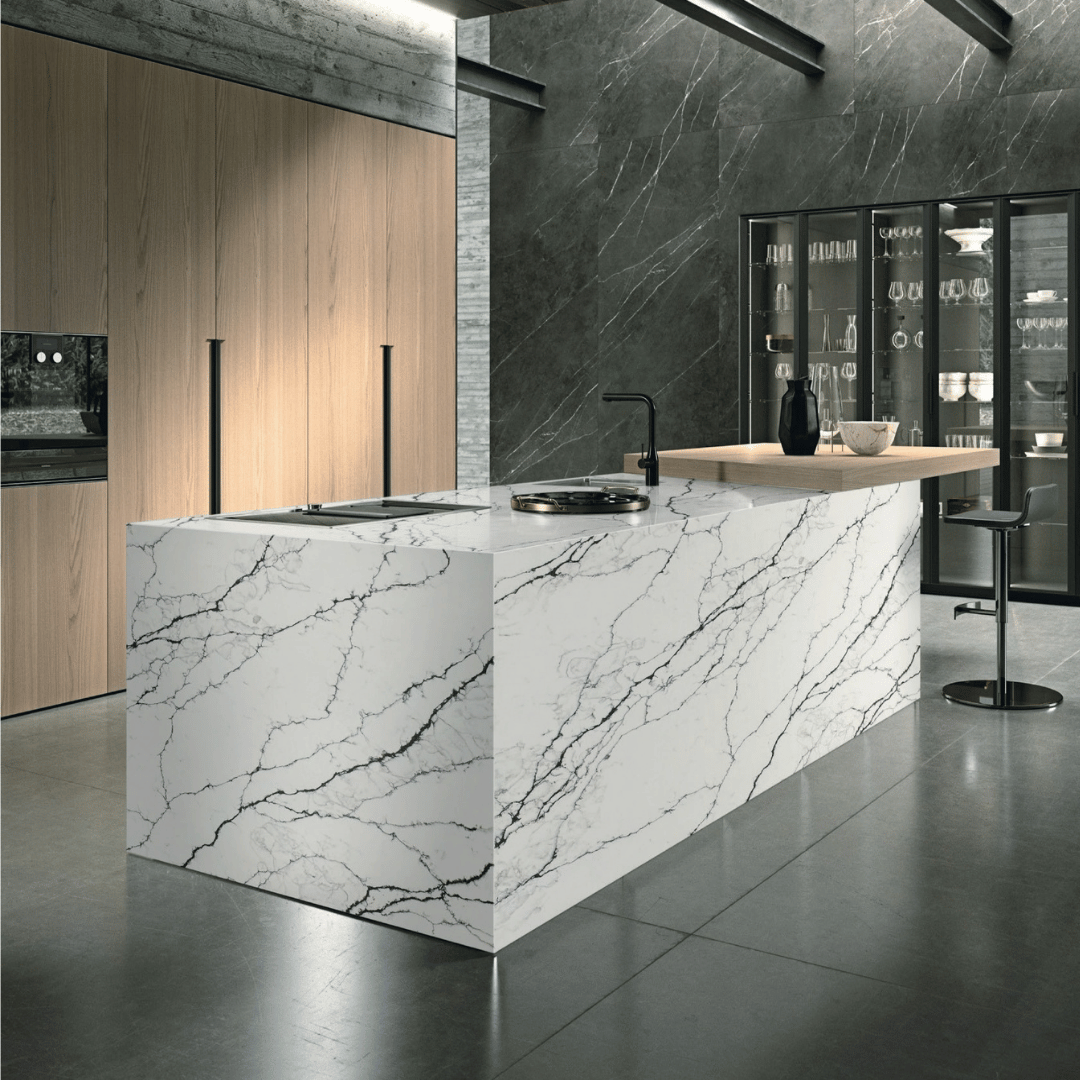
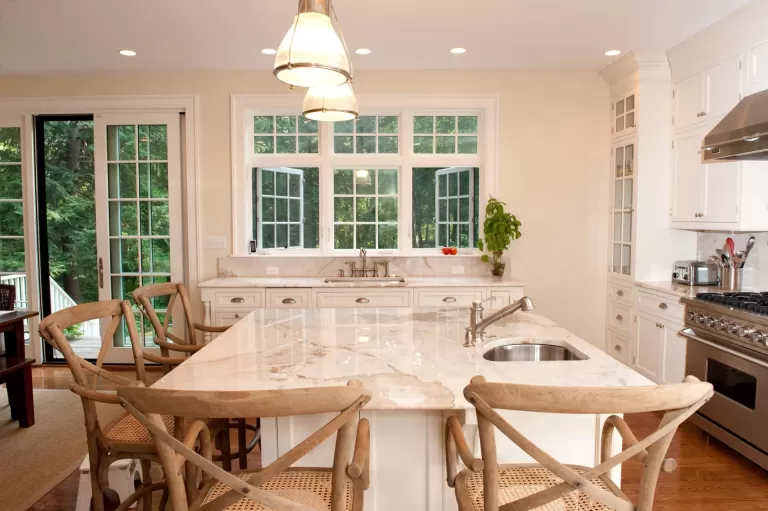
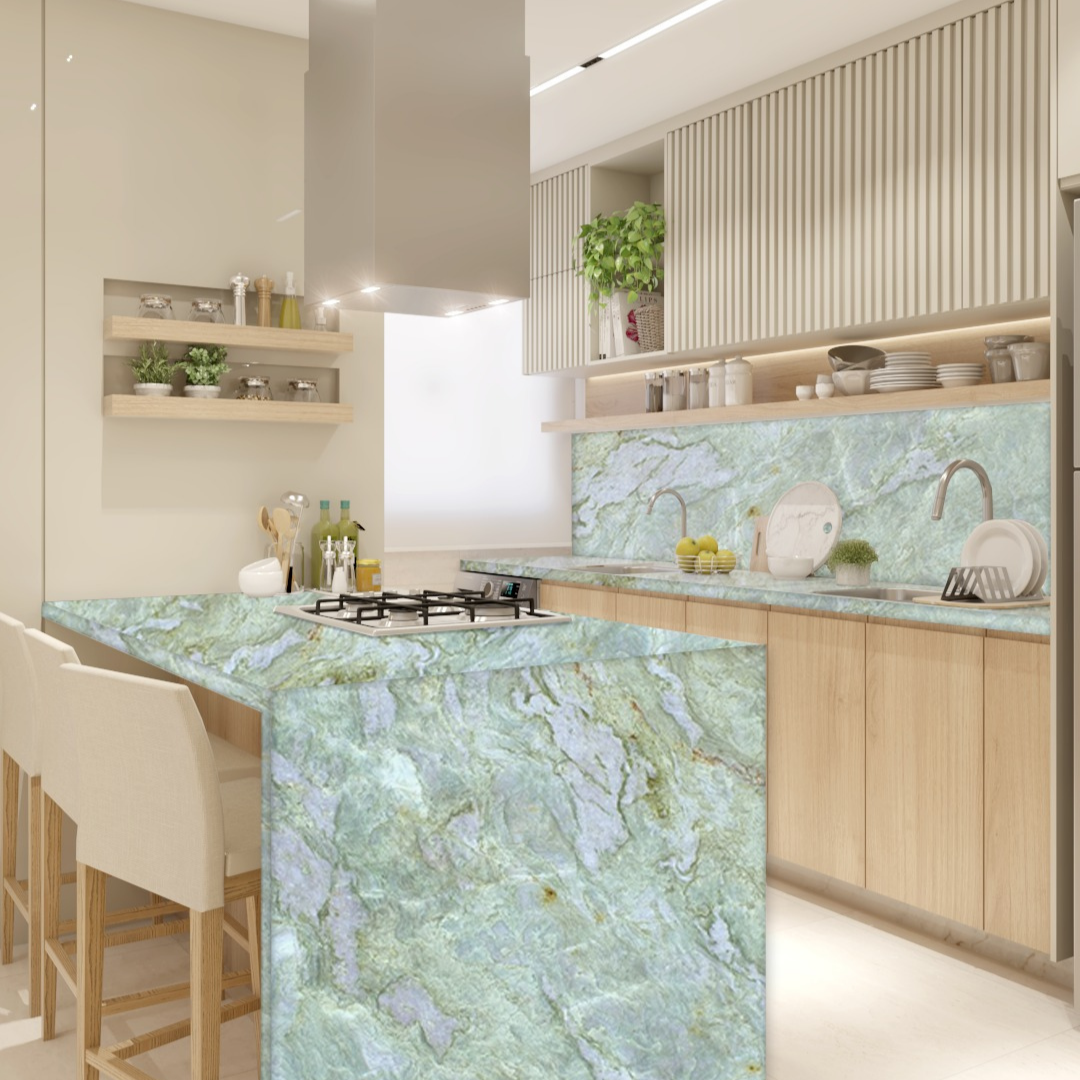
Kitchen countertops made from recycled content slabs provide both functionality and style. They can withstand the wear and tear of everyday use while offering a unique aesthetic appeal. For instance, Builder Stone Global offers an extensive range of premium quartz surfaces that incorporate recycled materials, making them an excellent choice for eco-conscious homeowners.
Flooring
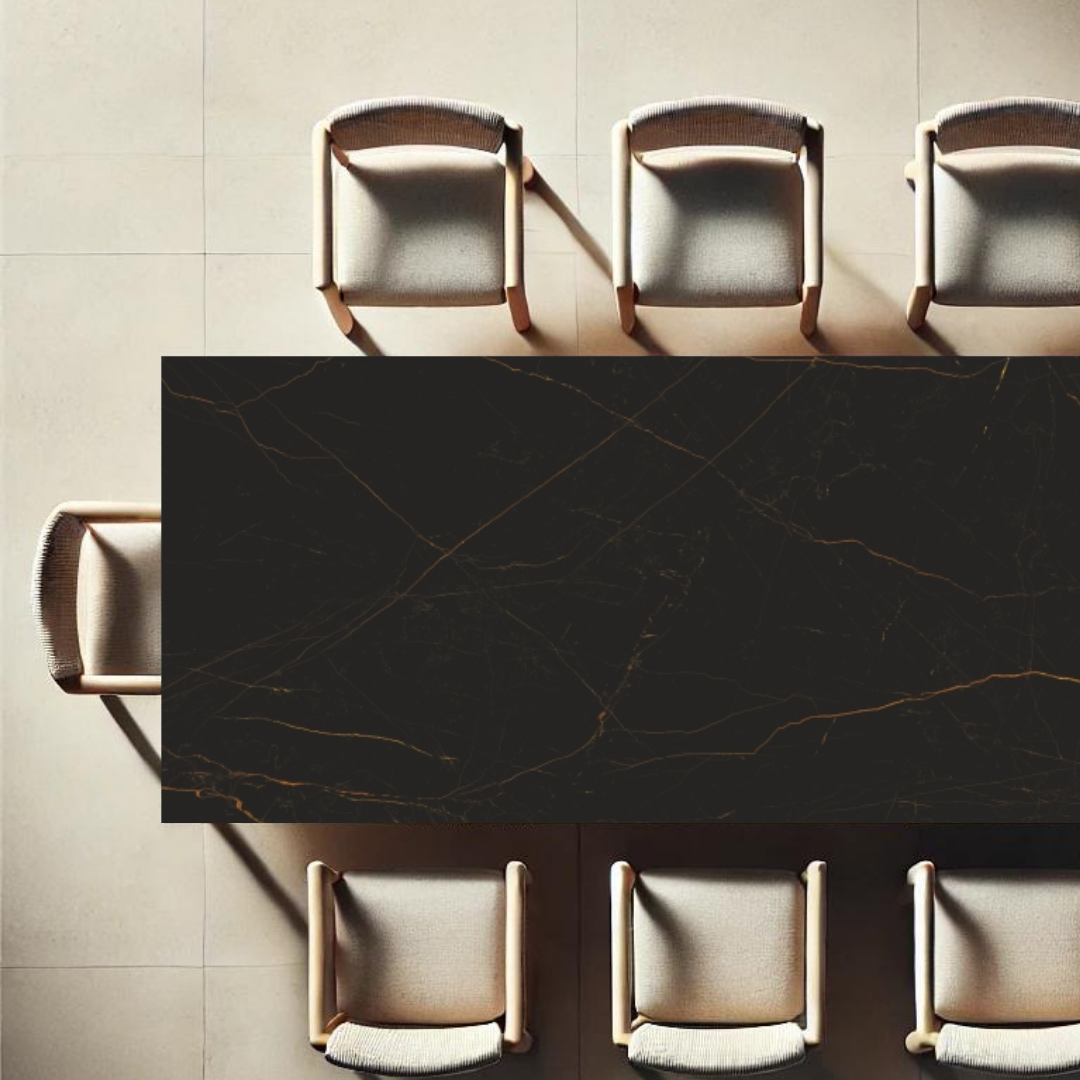
Recycled porcelain slabs are increasingly popular for flooring applications due to their durability and ease of maintenance. They can mimic the look of natural stone while providing the benefits of recycled content, making them an ideal choice for high-traffic areas.
Wall Cladding
Using recycled slabs for wall cladding not only enhances the aesthetic appeal of a space but also contributes to energy efficiency. The insulating properties of certain recycled materials can help regulate indoor temperatures, reducing energy consumption.
Comparing Traditional vs. Recycled Content Slabs
To better understand the advantages of recycled content slabs, let’s compare them with traditional slabs in a detailed table:
| Feature | Traditional Slabs | Recycled Content Slabs |
|---|---|---|
| Environmental Impact | High (quarrying and processing) | Low (reuses existing materials) |
| Durability | Varies by material | Often enhanced through engineering |
| Aesthetic Options | Limited to natural variations | Wide range of colors and patterns |
| Cost | Varies; potential higher long-term costs | Competitive; potential subsidies available |
| Maintenance | Varies; some require sealing | Low maintenance; often resistant to stains |
Future Trends in Sustainable Surface Manufacturing
As the demand for sustainable building materials continues to grow, several trends are emerging in the realm of recycled content slab technology:
- Increased Use of Nanotechnology: Innovations in nanotechnology are leading to stronger and more durable recycled slabs, improving their performance characteristics.
- Enhanced Customization: Manufacturers are offering more customization options, allowing architects and designers to specify colors, patterns, and finishes that align with their project visions.
- Collaborative Initiatives: Partnerships between manufacturers, designers, and environmental organizations are fostering the development of new sustainable materials and practices.
- Regulatory Support: Government policies and incentives are increasingly supporting the use of recycled materials in construction, making them more accessible to builders and consumers.
FAQs
1. What are recycled content slabs?
Recycled content slabs are surfaces made from materials reclaimed from previous products or waste, reducing the need for virgin materials and minimizing environmental impact.
2. How is recycled content slab technology made?
The manufacturing process involves blending recycled materials, such as glass or porcelain, with resin to create durable and aesthetically pleasing slabs.
3. What are the benefits of using recycled slabs?
Benefits include reduced environmental impact, enhanced durability, aesthetic versatility, and potential cost-effectiveness.
4. Can recycled slabs be used for countertops?
Yes, recycled slabs are commonly used for kitchen and bathroom countertops due to their durability and design options.
5. Are recycled slabs more expensive than traditional slabs?
While the initial investment may be higher, the long-term benefits and potential government incentives often make them cost-effective.
6. How do recycled slabs compare to traditional stone slabs?
Recycled slabs often have a lower environmental impact, are engineered for enhanced durability, and offer a wider range of aesthetic options compared to traditional stone slabs.
7. Where can I find recycled content slabs?
Recycled content slabs can be sourced from specialized distributors such as Builder Stone Global, which offers a range of premium options.
8. What is the future of recycled content slab technology?
The future includes advancements in nanotechnology, enhanced customization, collaborative initiatives, and regulatory support promoting the use of recycled materials.
Conclusion
Recycled content slab technology is not just a trend; it is a pivotal shift towards sustainable practices in surface manufacturing. By incorporating reclaimed materials into the production of quartz, porcelain, and natural stone slabs, manufacturers are reducing waste, conserving resources, and creating high-performance surfaces that meet the needs of modern architecture. As the industry moves forward, embracing these innovative technologies will be essential for designers, builders, and homeowners alike. For those looking to explore premium recycled content slabs, contact Builder Stone Global today to speak with our surface specialists and discover how we can help elevate your spaces with sustainable materials.