Atlanta Slab Industry Trends You Should Know
Atlanta Slab Industry Trends You Should Know
Updated on August 13, 2026
The slab industry in Atlanta is experiencing significant transformations driven by evolving consumer preferences, technological advancements, and economic factors. As the demand for high-quality architectural surfaces continues to rise, it is essential for countertop fabricators, designers, and homeowners to stay informed about the latest trends shaping the landscape of slab materials.
Why Choose Premium Quartz, Porcelain & Natural Stone Slabs?
In the competitive market of slab materials, premium quartz, porcelain, and natural stone slabs stand out for their durability, aesthetic appeal, and versatility. Homeowners and designers increasingly prioritize these materials for their projects due to their ability to provide both functionality and beauty. The choice of slab material can significantly impact the look and feel of a space, making it crucial to consider the latest trends when selecting surfaces.
Trend 1: Sustainable Sourcing and Eco-Friendly Materials
As sustainability becomes a central focus in home design, many manufacturers are adopting eco-friendly practices. Consumers are increasingly looking for materials that are not only beautiful but also sustainable. This has led to a rise in the popularity of recycled and eco-conscious materials in the slab industry. Fabrics made from recycled quartz and porcelain are gaining traction, appealing to environmentally conscious buyers who want to reduce their carbon footprint while achieving stunning design aesthetics.
Trend 2: Large Format Slabs
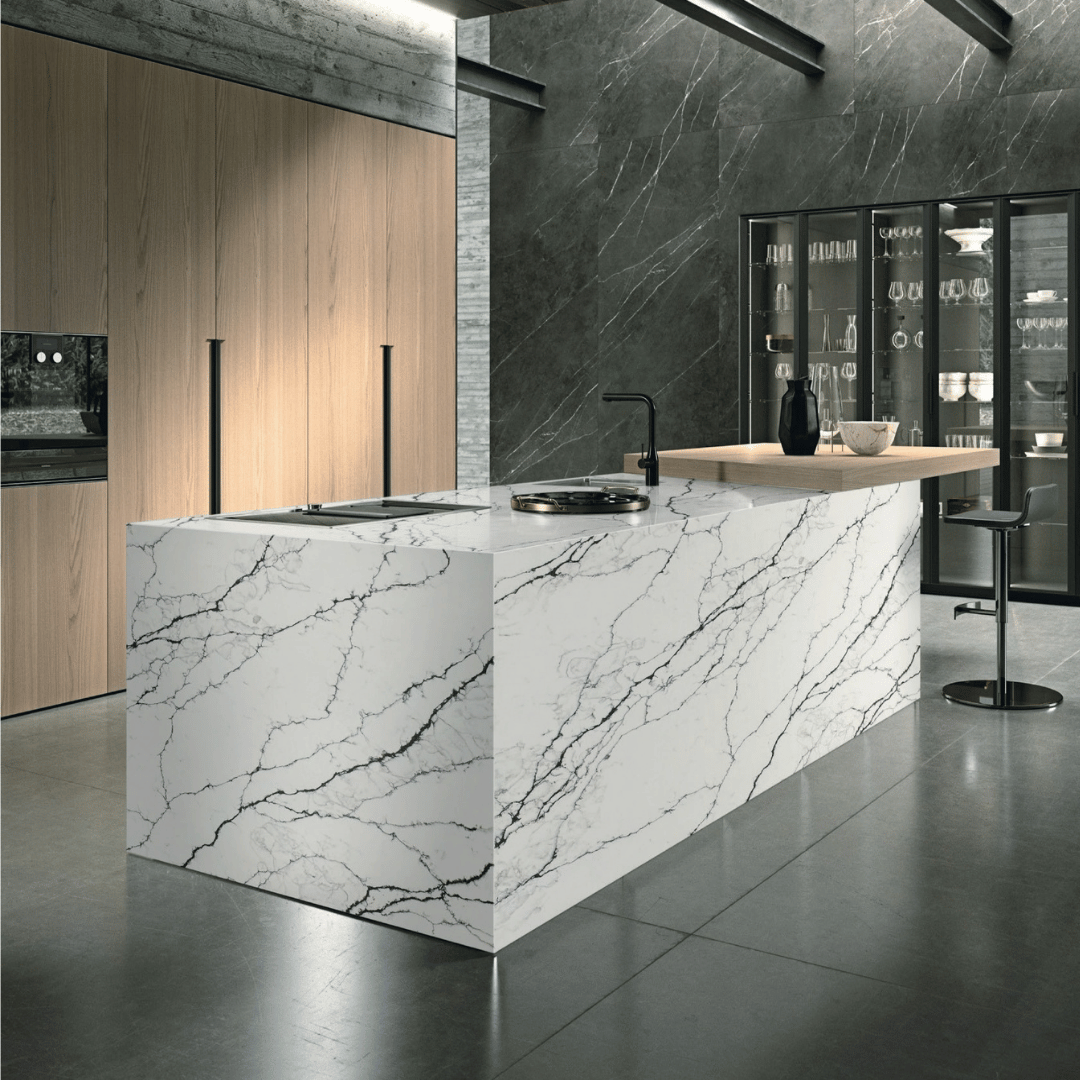
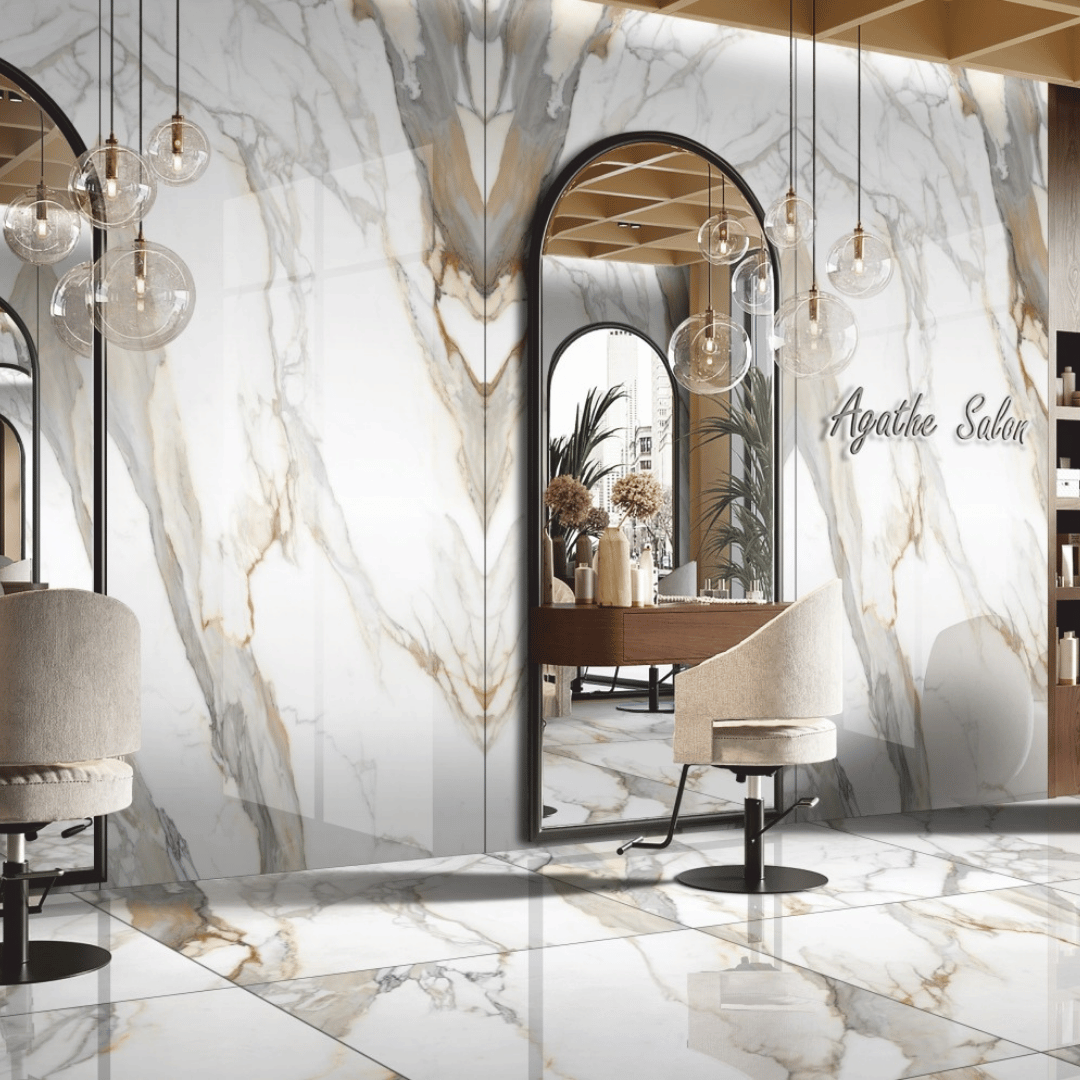
Large format slabs are making waves in the Atlanta slab market. These expansive pieces offer a seamless look that is perfect for modern designs. With fewer grout lines and an uninterrupted surface, large format slabs create a clean, elegant aesthetic that is highly sought after in both residential and commercial projects. Designers appreciate the versatility of these slabs, as they can be used for countertops, backsplashes, and even feature walls.
Trend 3: Customization and Personalization
Customization is becoming increasingly important in the slab industry. Homeowners and designers are looking for unique options that reflect personal style and preferences. This trend has led to a demand for bespoke designs, including custom colors, finishes, and sizes. Manufacturers are responding by offering more options for personalization, allowing customers to create one-of-a-kind surfaces that stand out.
Trend 4: Technological Advancements in Slab Manufacturing
Technological innovations are transforming the way slabs are produced and installed. Advances in manufacturing processes, such as water jet cutting and digital printing, enable the creation of intricate designs and patterns that were previously difficult to achieve. Additionally, improved quality control measures ensure that slabs meet high standards for durability and performance. These technologies not only enhance the visual appeal of slabs but also improve their overall functionality.
Trend 5: The Rise of HD Quartz Surfaces
High-definition (HD) quartz surfaces are gaining popularity for their superior performance and aesthetic qualities. Unlike traditional quartz, HD quartz offers enhanced durability and resistance to stains, scratches, and heat. This makes it an ideal choice for kitchen countertops and high-traffic areas. As homeowners seek long-lasting solutions that require minimal maintenance, HD quartz surfaces are becoming a preferred option in Atlanta.
Kitchen & Bathroom Applications
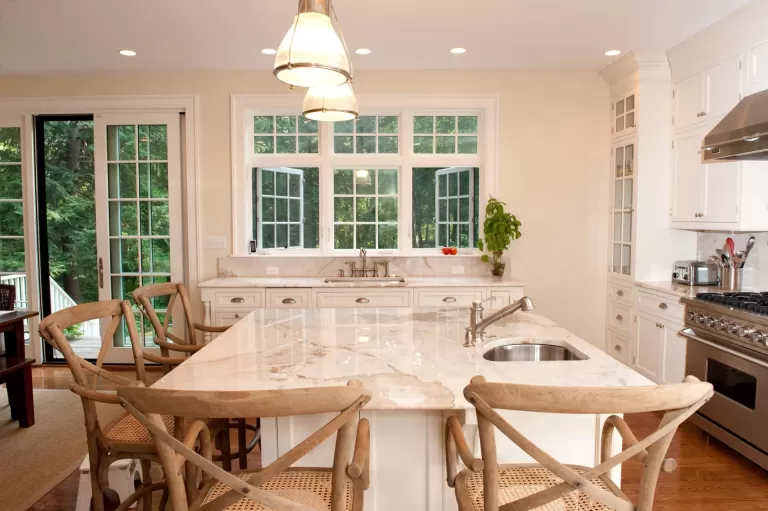
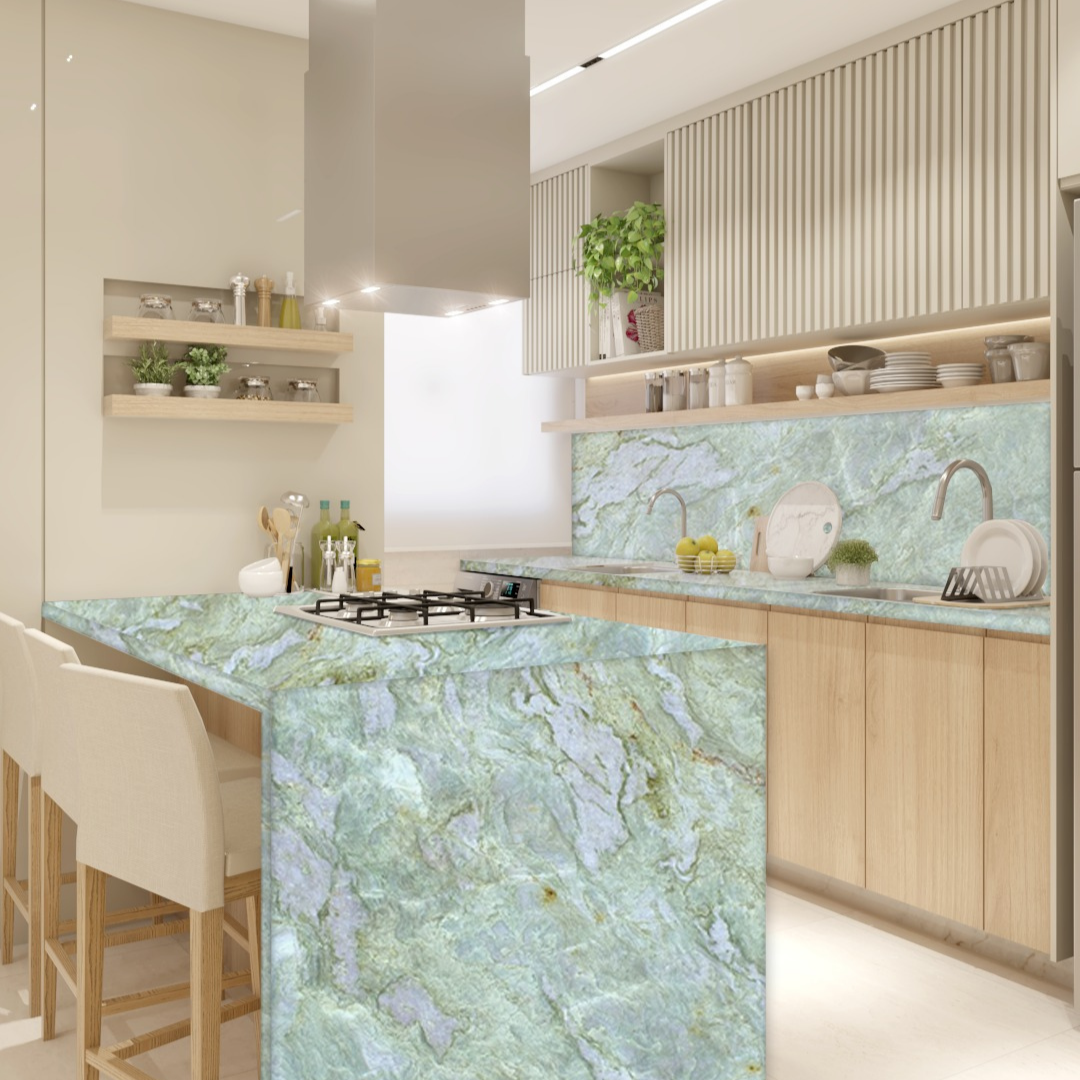
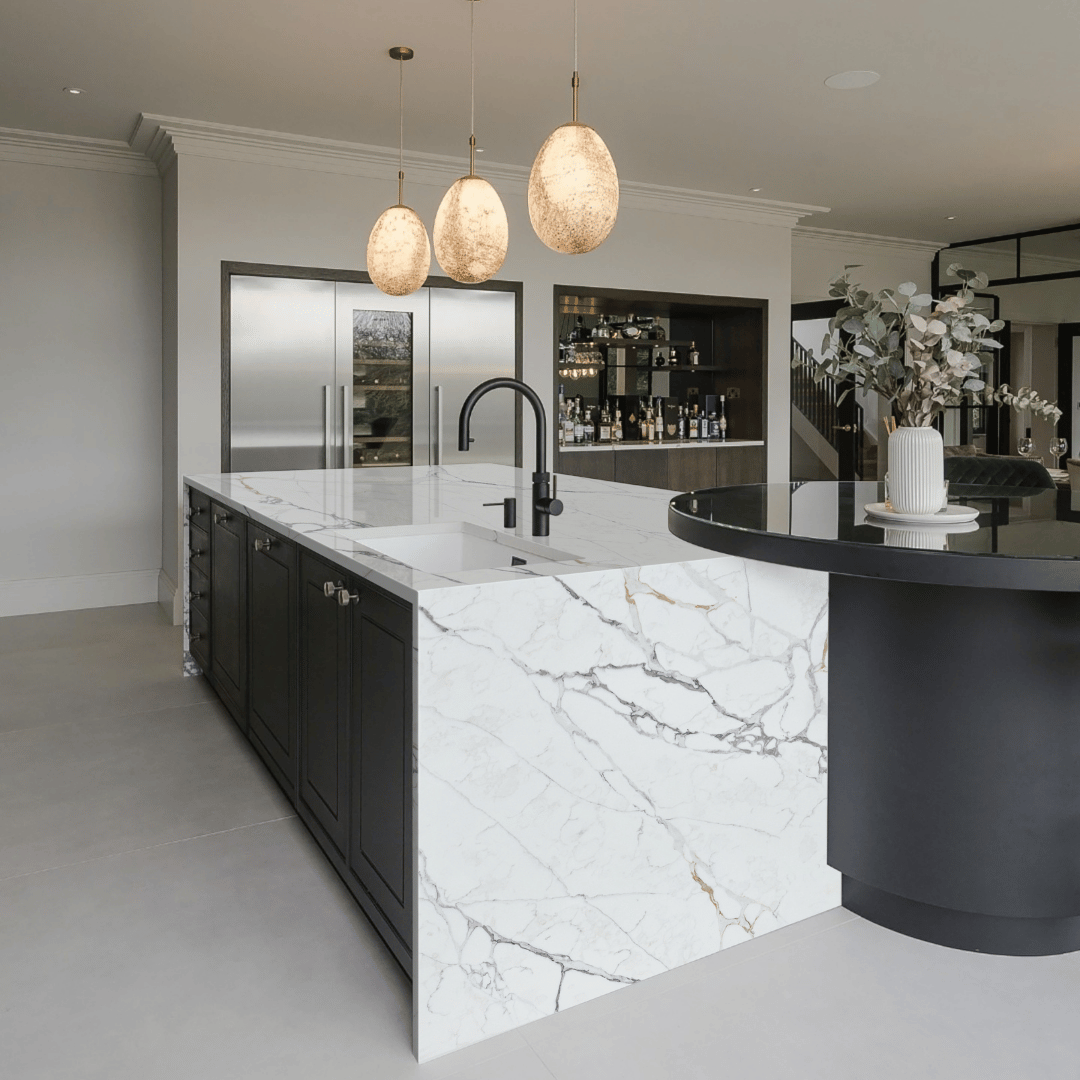
The kitchen and bathroom remain the focal points for slab applications, driving trends in both residential and commercial spaces. In kitchens, the preference for open-concept designs has led to the use of large islands and countertops that can accommodate family gatherings and social interactions. Porcelain and quartz slabs are favored for their ability to withstand heat and spills while maintaining a sleek appearance.
In bathrooms, the trend leans toward luxurious spa-like experiences. Homeowners are opting for slabs that offer both beauty and functionality, such as large-format porcelain tiles for shower walls and elegant quartz vanities. The combination of durability and aesthetic appeal makes premium slabs the go-to choice for creating stunning bathroom retreats.
Architectural & Commercial Projects
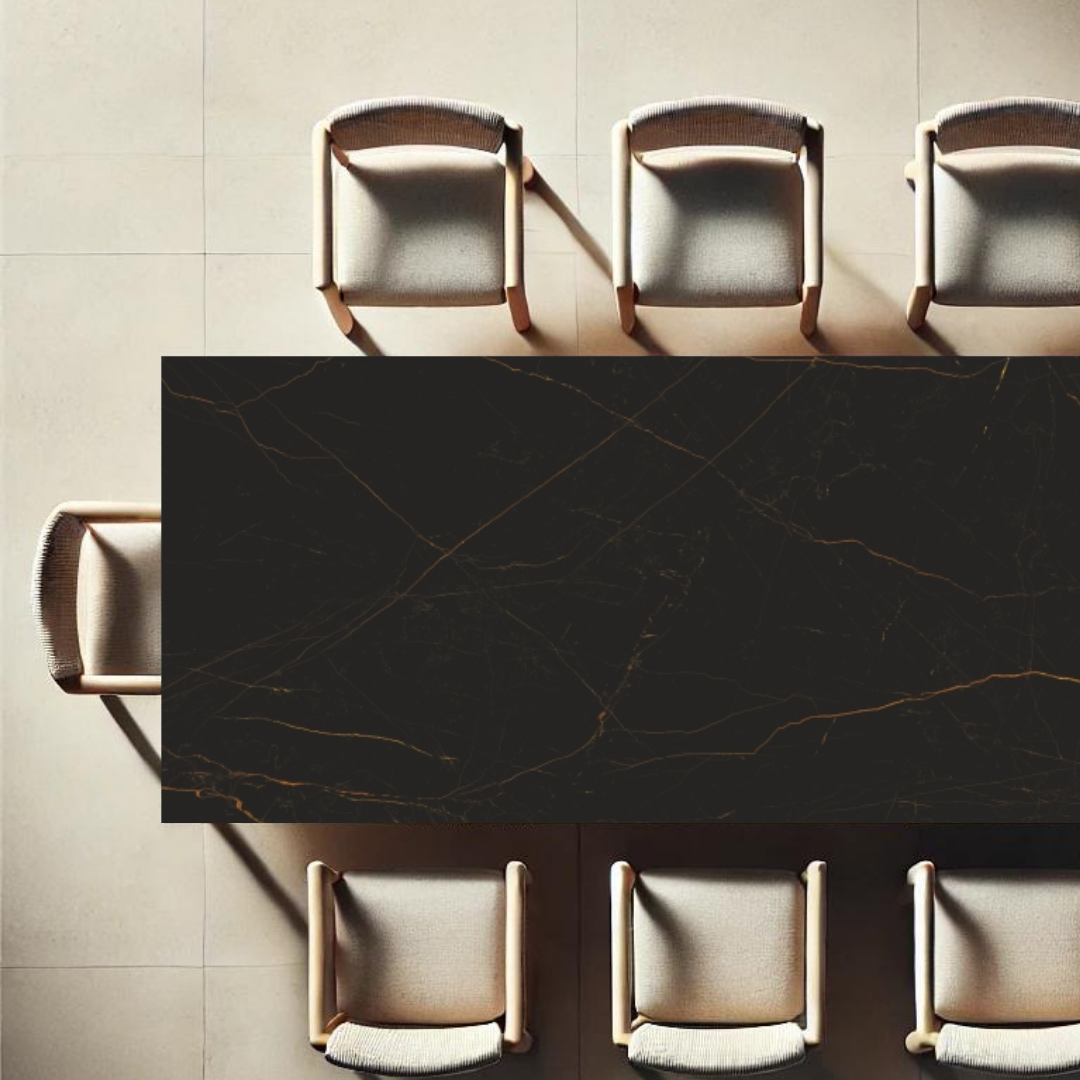
In the realm of architectural and commercial projects, the demand for premium slabs is on the rise. Architects and builders are increasingly incorporating natural stone and high-performance surfaces into their designs. The versatility of quartz, porcelain, and granite slabs makes them suitable for various applications, from office spaces to retail environments. The trend toward open spaces and collaborative work areas has further fueled the demand for durable and visually striking surfaces that enhance the overall design.
Dealer & Fabricator Partnership Program
In response to the growing demand for premium slabs, many companies are establishing partnerships with dealers and fabricators. These programs aim to streamline the supply chain and ensure that high-quality products are readily available to designers and contractors. By fostering strong relationships within the industry, companies can better meet the needs of their customers and adapt to changing market trends.
Frequently Asked Questions About Quartz, Porcelain & Natural Stone Slabs
As consumers become more informed about slab materials, they often have questions regarding their options. Here are some common inquiries:
1. What is the difference between HD quartz and standard quartz?
HD quartz offers enhanced durability and performance, making it more resistant to stains and scratches compared to standard quartz.
2. What is the difference between full body and non-full body porcelain?
Full body porcelain contains color and pattern throughout the entire slab, while non-full body porcelain has a printed surface layer.
3. What slab thickness options are available?
Common thicknesses include 2 cm and 3 cm, depending on the specific application and design requirements.
4. Are there edge profile limitations?
Edge profiles can vary, but most manufacturers offer a range of options to enhance the overall look of the slab.
5. How durable is porcelain?
Porcelain is highly durable and resistant to scratches, stains, and heat, making it suitable for various applications.
6. What is the heat resistance of quartz and porcelain?
Both quartz and porcelain have good heat resistance, but it is advisable to use trivets or hot pads to protect the surfaces.
7. What are the fabricator requirements for installing slabs?
Fabricators should have experience with the specific materials and proper tools to ensure a seamless installation process.
8. How can I check for inventory availability?
Contact your supplier or check their live inventory online for the most accurate information.
9. What are the typical lead times for slab orders?
Lead times can vary depending on the material and supplier but generally range from a few days to several weeks.
How to Contact Builder Stone Global
If you’re interested in exploring the latest trends in premium quartz, porcelain, and natural stone slabs, contact our team at Builder Stone Global. Our surface specialists are ready to assist you in finding the perfect materials for your next project. Call us at +1 470-551-2092 or visit our contact page to get in touch and schedule a showroom visit in Norcross, GA.
Conclusion
As the slab industry in Atlanta continues to evolve, staying informed about the latest trends is essential for professionals and homeowners alike. By understanding the dynamics of sustainable materials, technological advancements, and consumer preferences, you can make informed decisions that enhance the beauty and functionality of your spaces. Whether you’re selecting slabs for a residential project or a commercial venture, embracing these trends will ensure that your designs are both contemporary and timeless.