
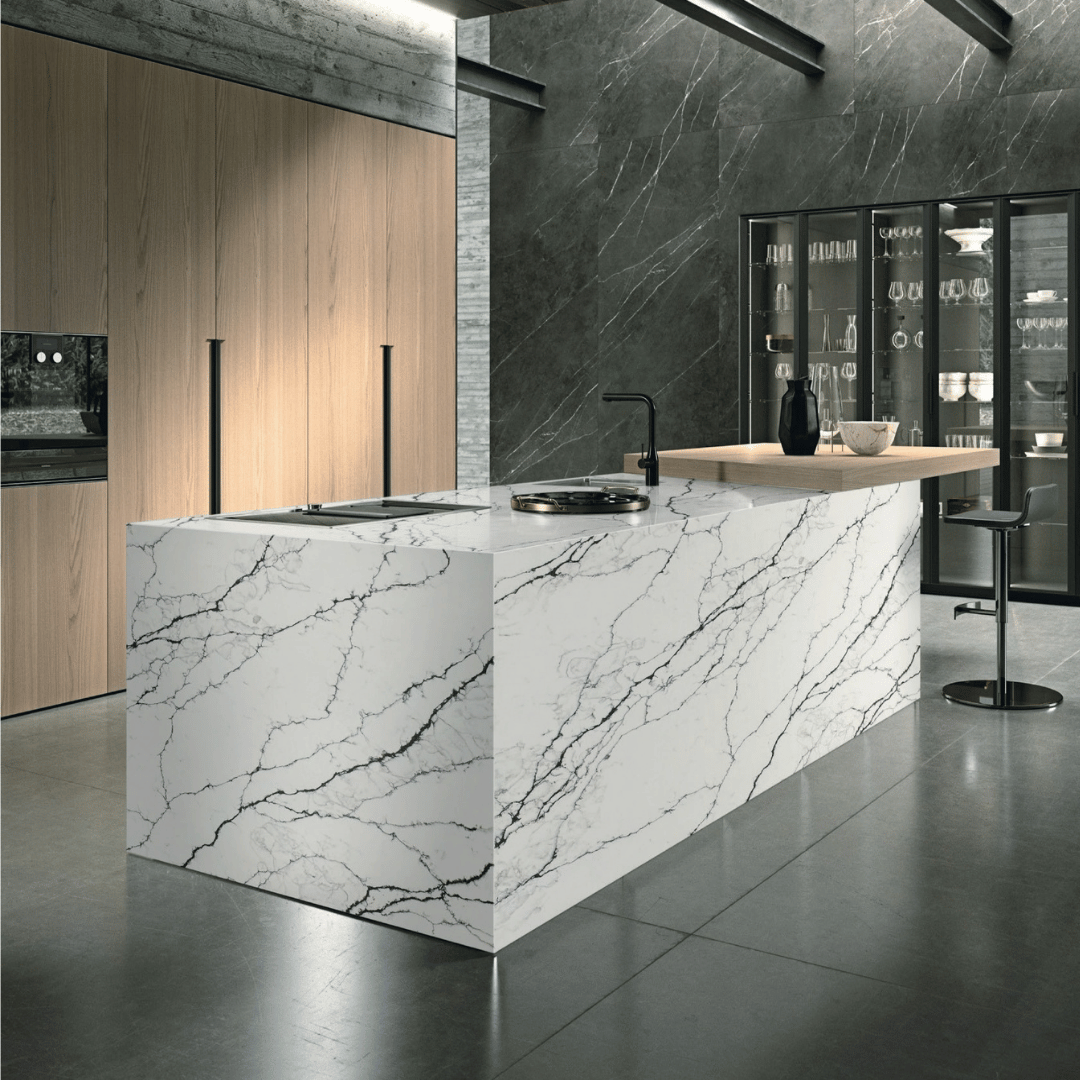





The Comprehensive Overview of the Porcelain Slab Production Process
The Comprehensive Overview of the Porcelain Slab Production Process
Porcelain slabs have gained immense popularity in recent years due to their durability, aesthetic appeal, and versatility in various applications. Understanding the production process of porcelain slabs can provide insights into their quality and performance. This article delves into the intricate steps involved in producing porcelain slabs, highlighting the technology and craftsmanship that contribute to their excellence.
1. Raw Material Selection
The journey of creating porcelain slabs begins with the careful selection of raw materials. High-quality clay, feldspar, and quartz are the primary components used in the production process. These materials are sourced from reputable suppliers to ensure consistency and quality. The selection of raw materials is crucial, as it directly affects the properties of the final product, including strength, color, and finish.
2. Material Preparation
Once the raw materials are selected, they undergo a thorough preparation process. This includes crushing, grinding, and mixing the materials to achieve the desired particle size and consistency. The grinding process is typically conducted using ball mills, which help break down the materials into fine powders. This fine powder is essential for achieving a uniform blend that will result in high-quality porcelain slabs.
3. Formulation and Mixing
After grinding, the prepared materials are precisely weighed and blended to create a homogeneous mixture. This mixture may also include additives that enhance specific properties, such as workability, firing behavior, and surface finish. The formulation process is critical, as it allows manufacturers to customize the properties of the porcelain slabs according to market demands and customer preferences.
4. Pressing
The blended mixture is then subjected to a pressing process, where it is formed into slabs using hydraulic or mechanical presses. During this process, high pressure is applied to the mixture, compacting it into a dense slab shape. The pressing stage is vital, as it determines the overall density and strength of the porcelain slabs. Manufacturers often use specific molds to create different sizes and thicknesses of slabs, catering to various applications.
5. Drying
Once the slabs are pressed, they undergo a drying process to remove excess moisture. This step is essential to prevent defects during the firing stage. Drying can be achieved using natural air drying or controlled drying chambers, where temperature and humidity are closely monitored. The drying process ensures that the slabs reach the optimal moisture content before entering the kiln.
6. Firing
The firing process is where porcelain slabs undergo significant transformation. The dried slabs are placed in high-temperature kilns, where they are heated to temperatures ranging from 1,200°C to 1,400°C (2,192°F to 2,552°F). This intense heat causes the raw materials to undergo vitrification, a process that results in the formation of a dense, glass-like structure. Firing not only enhances the strength and durability of the porcelain slabs but also develops their final colors and finishes.
7. Surface Treatment
After firing, the porcelain slabs may undergo various surface treatments to enhance their appearance and performance. This can include polishing, glazing, or applying special coatings. Polishing achieves a smooth, glossy finish, while glazing adds color and a protective layer. Surface treatments are crucial for achieving the desired aesthetic appeal and ensuring that the slabs are suitable for a wide range of applications.
8. Quality Control
Quality control is a vital aspect of the porcelain slab production process. Manufacturers implement rigorous testing procedures to ensure that the slabs meet industry standards and customer specifications. This includes checking for dimensional accuracy, surface quality, and mechanical properties. Any defective slabs are identified and removed from the production line to maintain the overall quality of the final product.
9. Packaging and Distribution
Once the porcelain slabs pass quality control, they are carefully packaged to prevent damage during transportation. Manufacturers often use protective materials, such as foam or cardboard, to safeguard the slabs. After packaging, the slabs are distributed to various suppliers, fabricators, and customers, making them accessible for a wide range of projects.
Conclusion
The production of porcelain slabs involves a meticulous process that combines advanced technology with skilled craftsmanship. From raw material selection to packaging, each step plays a crucial role in determining the quality and performance of the final product. By understanding the porcelain slab production process, customers can appreciate the value of these high-performance materials and make informed choices for their architectural surfaces.
For premium porcelain slabs and a vast selection of architectural surface materials, contact Builder Stone Global at +1 470-551-2092 or visit our contact page to schedule a showroom appointment in Norcross, GA.