What Makes a Slab Durable? Technical Breakdown of Premium Quartz, Porcelain & Natural Stone Slabs
What Makes a Slab Durable? Technical Breakdown of Premium Quartz, Porcelain & Natural Stone Slabs
When it comes to selecting materials for architectural surfaces, durability is one of the most critical factors that homeowners, designers, and contractors consider. With the vast array of options available in the market, understanding what makes a slab durable is essential to ensure long-lasting performance in kitchens, bathrooms, and commercial projects. In this article, we will delve into the technical aspects that contribute to the durability of premium quartz, porcelain, and natural stone slabs, as well as how these materials can benefit various applications.
Understanding Durability in Slabs
Durability refers to a material’s ability to withstand wear, pressure, or damage over time. For slabs, this encompasses resistance to scratches, stains, heat, moisture, and impact. The durability of a slab is influenced by its composition, manufacturing processes, and surface treatments. Let’s break down the key factors that contribute to slab durability.
1. Material Composition
The durability of a slab starts with its material composition. Each type of slab—quartz, porcelain, and natural stone—has unique properties that impact its longevity:
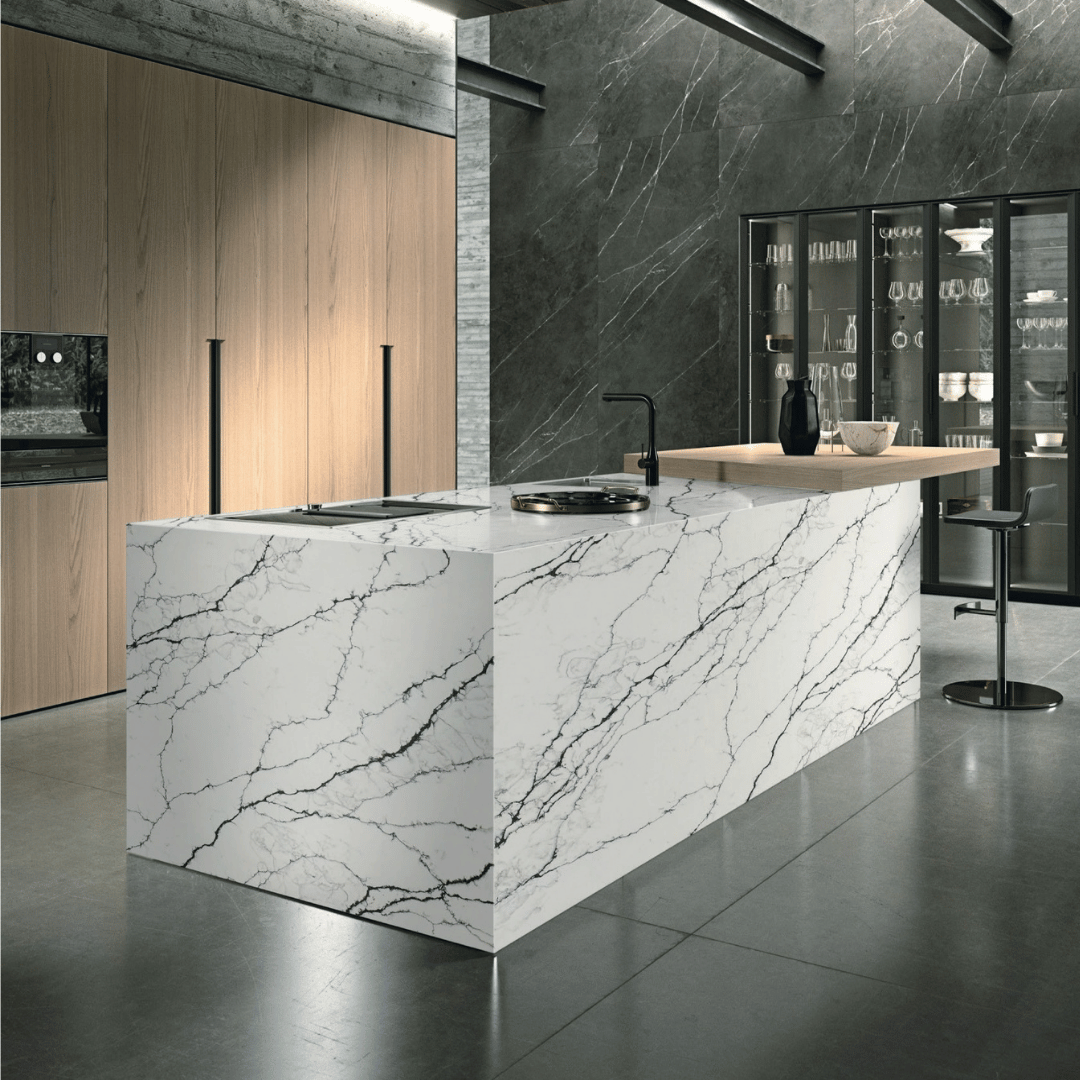
- Quartz Slabs: Engineered from about 90-95% crushed natural quartz, combined with resins and pigments, quartz slabs are non-porous and resistant to staining. The high quartz content gives them excellent hardness, making them less susceptible to scratches and impacts compared to other materials.
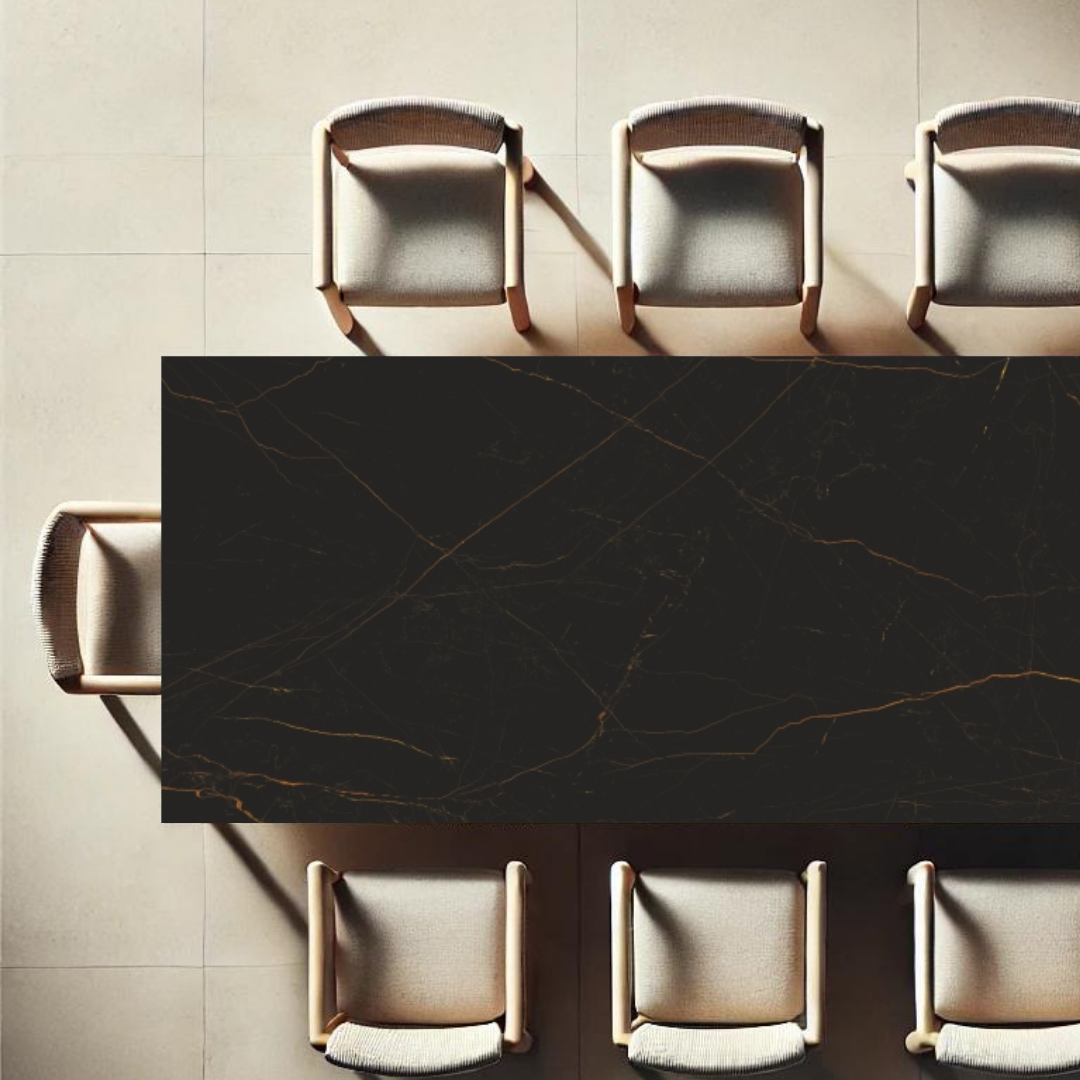
- Porcelain Slabs: Made from refined clay and other raw materials, porcelain slabs are fired at extremely high temperatures, resulting in a dense and durable product. This process makes them highly resistant to moisture and staining, suitable for both indoor and outdoor applications.
- Natural Stone Slabs: Comprising materials like granite, marble, and quartzite, natural stone slabs are known for their unique aesthetics and inherent durability. However, their durability can vary significantly based on the specific type of stone and its geological characteristics.
2. Manufacturing Process
The manufacturing process plays a crucial role in determining the durability of slabs. For instance:
- Heat Treatment: In the case of porcelain slabs, the high-temperature firing process creates a dense and hard surface that enhances durability. This heat treatment is crucial for achieving the desired strength and resistance to thermal shock.
- Resin Bonding: Quartz slabs utilize resin bonding during production, which helps create a non-porous surface that resists moisture and staining. The quality and type of resin used can significantly affect the slab’s performance.
- Surface Treatments: Many natural stones undergo treatments such as sealants or coatings to enhance their resistance to stains and moisture. These treatments can improve long-term durability when properly maintained.
3. Surface Finish
The surface finish of a slab can also impact its durability. Finishes such as polished, honed, or textured may provide varying levels of resistance to wear and tear:
- Polished Finishes: These surfaces are typically more resistant to stains and scratches, making them ideal for high-traffic areas. However, they may require more maintenance to keep their shine.
- Honed Finishes: While honed surfaces are less reflective and may show scratches more easily, they can provide better slip resistance, making them suitable for wet areas.
- Textured Finishes: Textured finishes can enhance grip but may be more prone to trapping dirt and grime, requiring more frequent cleaning.
4. Resistance to Environmental Factors
Durable slabs must withstand various environmental factors:
- Heat Resistance: Both quartz and porcelain slabs exhibit excellent heat resistance, making them suitable for kitchen countertops where hot pots and pans may be placed directly on the surface.
- Moisture Resistance: Non-porous materials like quartz and porcelain are highly resistant to moisture, preventing mold and mildew growth, which is crucial in humid environments like bathrooms.
- UV Resistance: For outdoor applications, UV resistance is vital to prevent fading and discoloration. Porcelain slabs, in particular, are known for their ability to maintain color stability under sunlight.
Applications of Durable Slabs
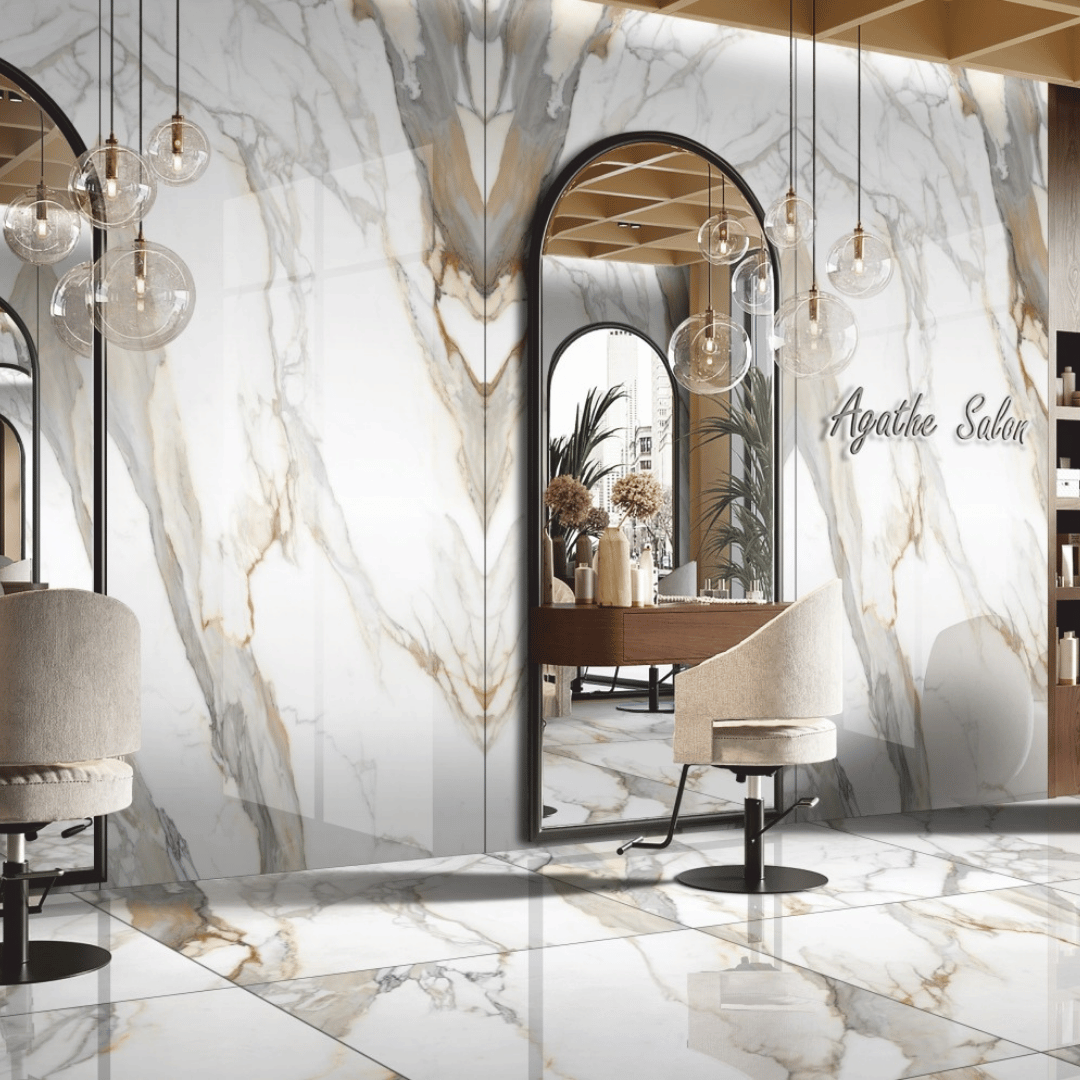
The durability of premium quartz, porcelain, and natural stone slabs makes them suitable for a wide range of applications, including:
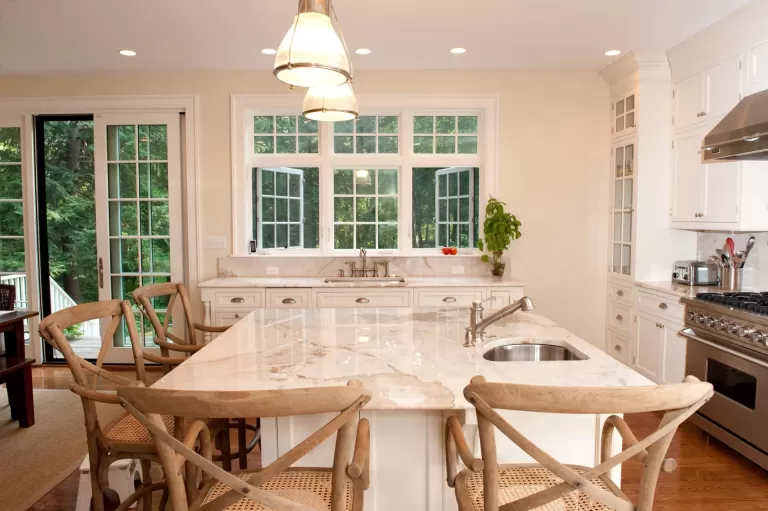
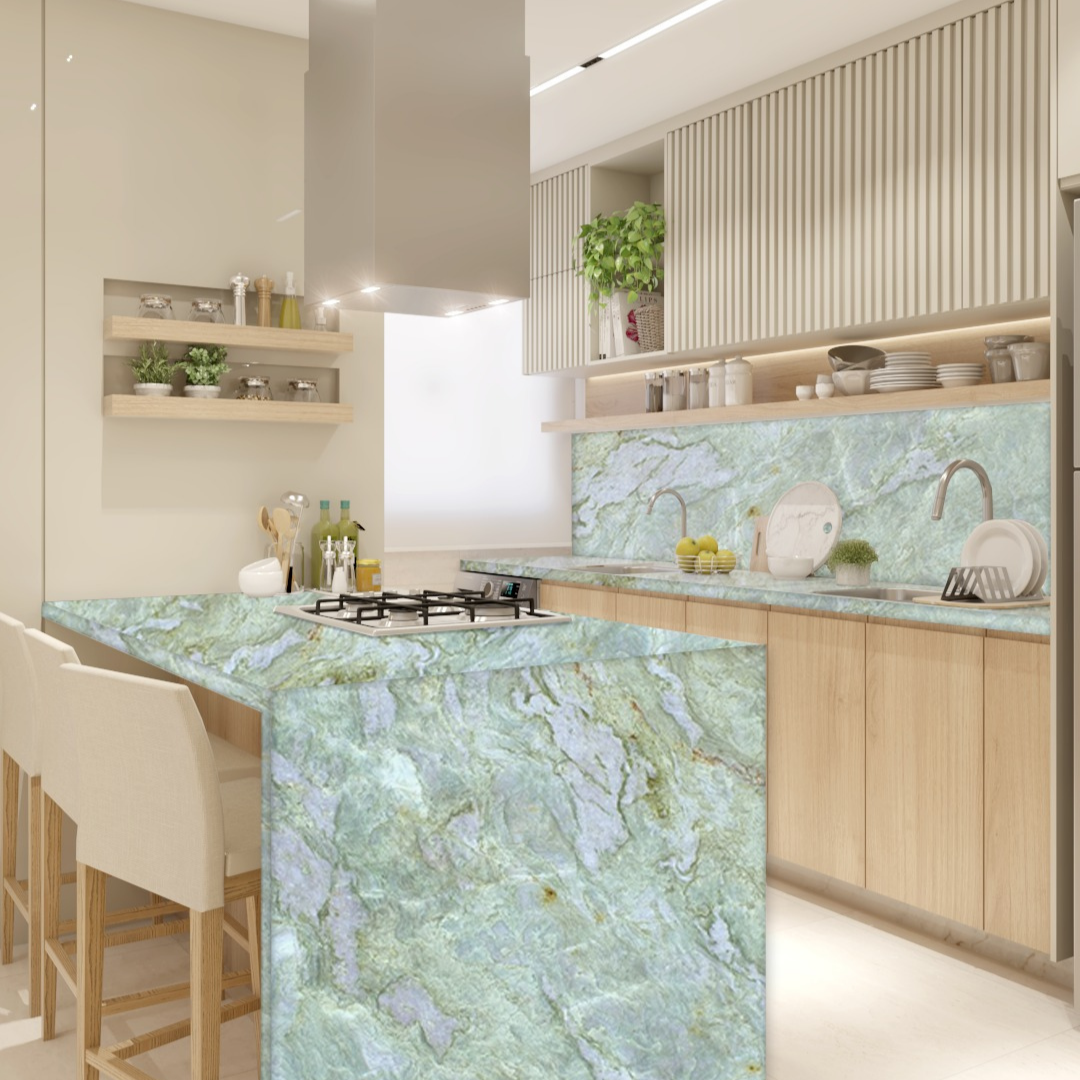
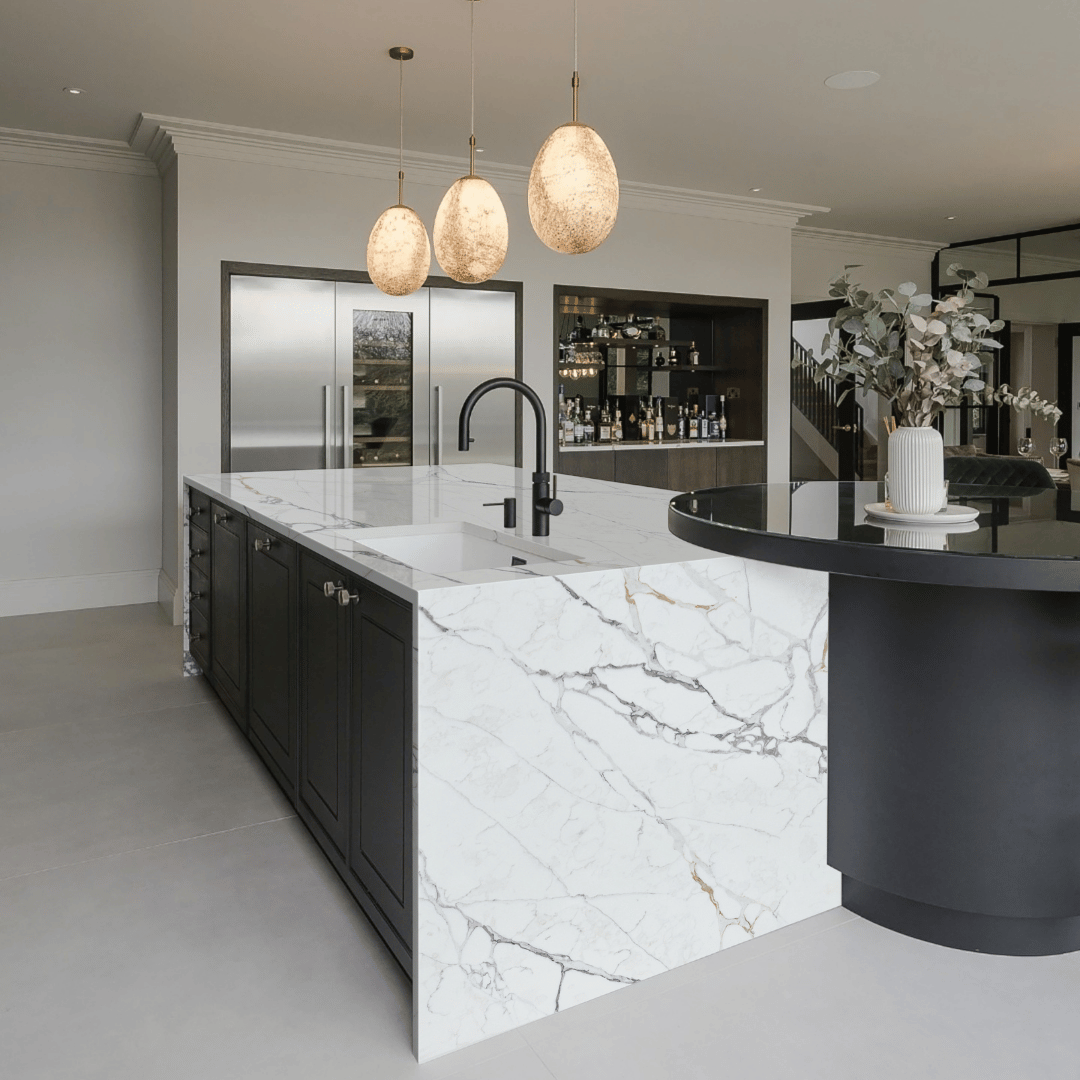
- Kitchen Countertops: Durable slabs can withstand daily use, making them ideal for food preparation and cooking.
- Bathroom Vanities: Non-porous materials resist water and stains, ensuring longevity in wet environments.
- Commercial Spaces: High-traffic areas benefit from the strength and durability of these slabs, which can handle heavy loads and frequent use.
- Outdoor Applications: Porcelain slabs, in particular, are well-suited for patios and outdoor kitchens due to their resistance to weather elements.
Conclusion
Choosing the right slab material is critical for achieving durability in any project. Understanding the factors that contribute to a slab’s durability—such as material composition, manufacturing processes, surface finishes, and resistance to environmental factors—can help you make informed decisions. At Builder Stone Global, we offer an extensive selection of premium quartz, porcelain, and natural stone slabs, ensuring you find the perfect material for your needs. For more information, contact our team today and explore our offerings to achieve the durability and aesthetic appeal you desire in your projects.
For any inquiries regarding slab availability, check our live inventory or visit our Norcross showroom to see our collections firsthand.