The Complete Guide to Selecting Porcelain Slabs for High-Performance Architectural Surfaces
The Complete Guide to Selecting Porcelain Slabs for High-Performance Architectural Surfaces
Updated on August 14, 2026
When it comes to designing high-performance architectural surfaces, selecting the right material is crucial. Porcelain slabs have emerged as a favored choice among architects, designers, and builders due to their versatility, durability, and aesthetic appeal. In this comprehensive guide, we will explore the essential factors to consider when selecting porcelain slabs, ensuring you make an informed decision that meets both functional and design requirements. By the end of this article, you will understand how to leverage the benefits of porcelain slabs to elevate your architectural projects.
1. What Are Porcelain Slabs?
Porcelain slabs are large-format tiles made from a mixture of natural clay, feldspar, and other minerals. They are fired at high temperatures, resulting in a dense, durable surface that is ideal for a variety of applications, including countertops, flooring, and wall cladding. Unlike traditional ceramic tiles, porcelain slabs are less porous, making them resistant to stains and moisture, which is essential for high-performance architectural surfaces that demand durability and longevity.
2. Benefits of Using Porcelain Slabs
The popularity of porcelain slabs in architectural design stems from their numerous benefits. Here are some key advantages:
- Durability: Porcelain slabs are highly resistant to wear and tear, making them suitable for high-traffic areas.
- Stain Resistance: Their low porosity ensures that spills do not penetrate the surface, facilitating easy cleaning.
- Versatility: Available in various colors, patterns, and finishes, porcelain slabs can mimic natural stone, wood, or even concrete.
- Heat and Scratch Resistance: Porcelain can withstand high temperatures and is less prone to scratching than other materials.
- Eco-Friendly Options: Many manufacturers offer porcelain slabs made from recycled materials, contributing to sustainable building practices.
3. Key Factors to Consider When Selecting Porcelain Slabs
Choosing the right porcelain slabs involves several critical considerations, including:
3.1 Aesthetic Appeal
The first step in selecting porcelain slabs is to consider the design intent. Do you want a modern, sleek look or a more traditional aesthetic? The color, pattern, and finish of the slabs will significantly impact the overall appearance of your space. For instance, a matte finish may provide a more understated elegance, while a polished finish can add a touch of luxury.
3.2 Thickness
Porcelain slabs come in various thicknesses, typically ranging from 6mm to 20mm. The thickness you choose will depend on the application and the structural requirements. For countertops, a thickness of 12mm to 20mm is recommended for added durability. For wall applications, thinner slabs can be sufficient. Understanding the implications of thickness is crucial for both aesthetics and functionality. You can learn more about slab thickness options in our detailed guide on 2cm vs. 3cm Slabs.
3.3 Surface Finish
The finish of a porcelain slab can significantly affect its performance and appearance. Common finishes include:
- Polished: Offers a shiny, reflective surface that enhances color depth but may require more maintenance.
- Matte: Provides a more subdued look and is less prone to showing fingerprints and smudges.
- Textured: Adds grip and can be beneficial for flooring applications to prevent slips.
3.4 Color and Pattern
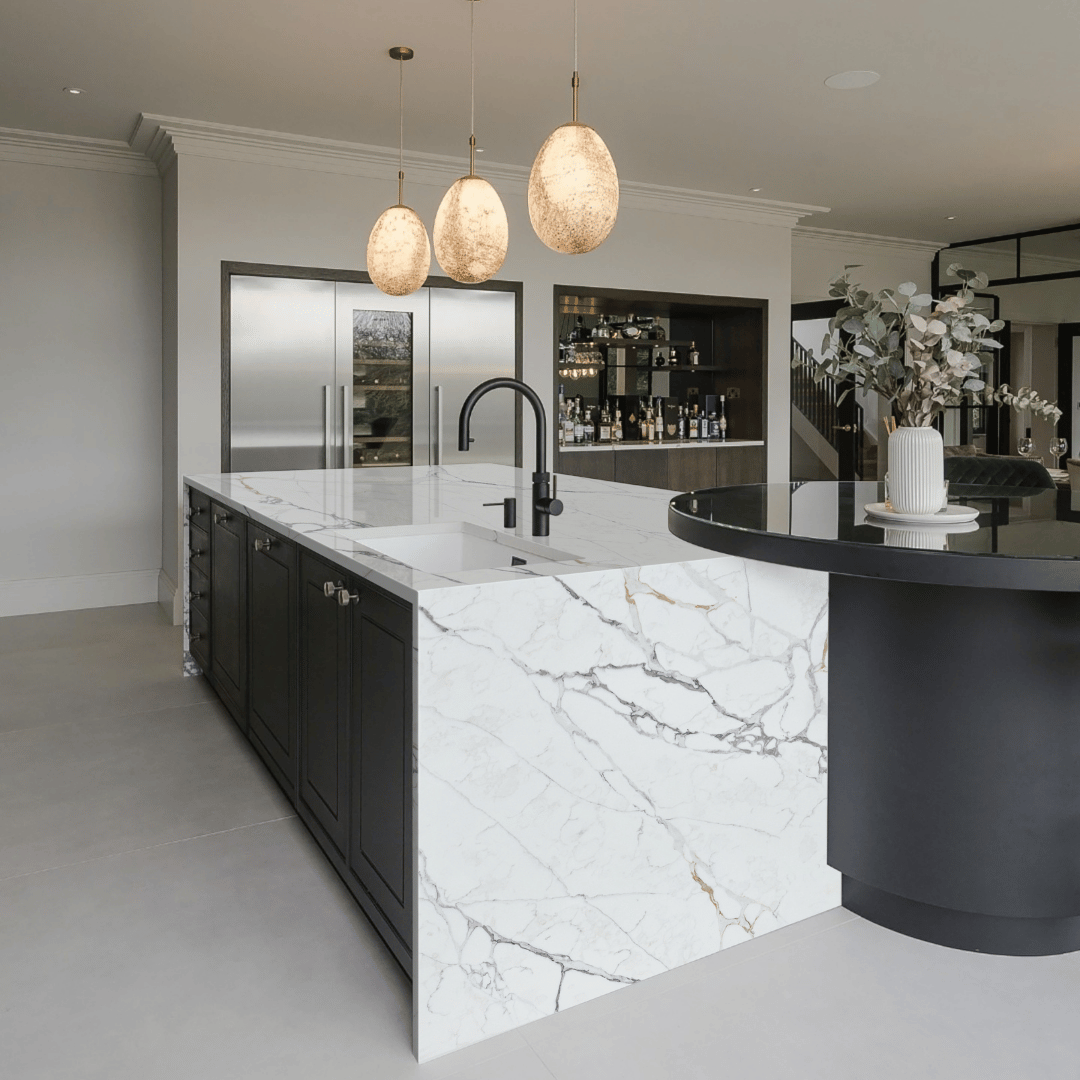
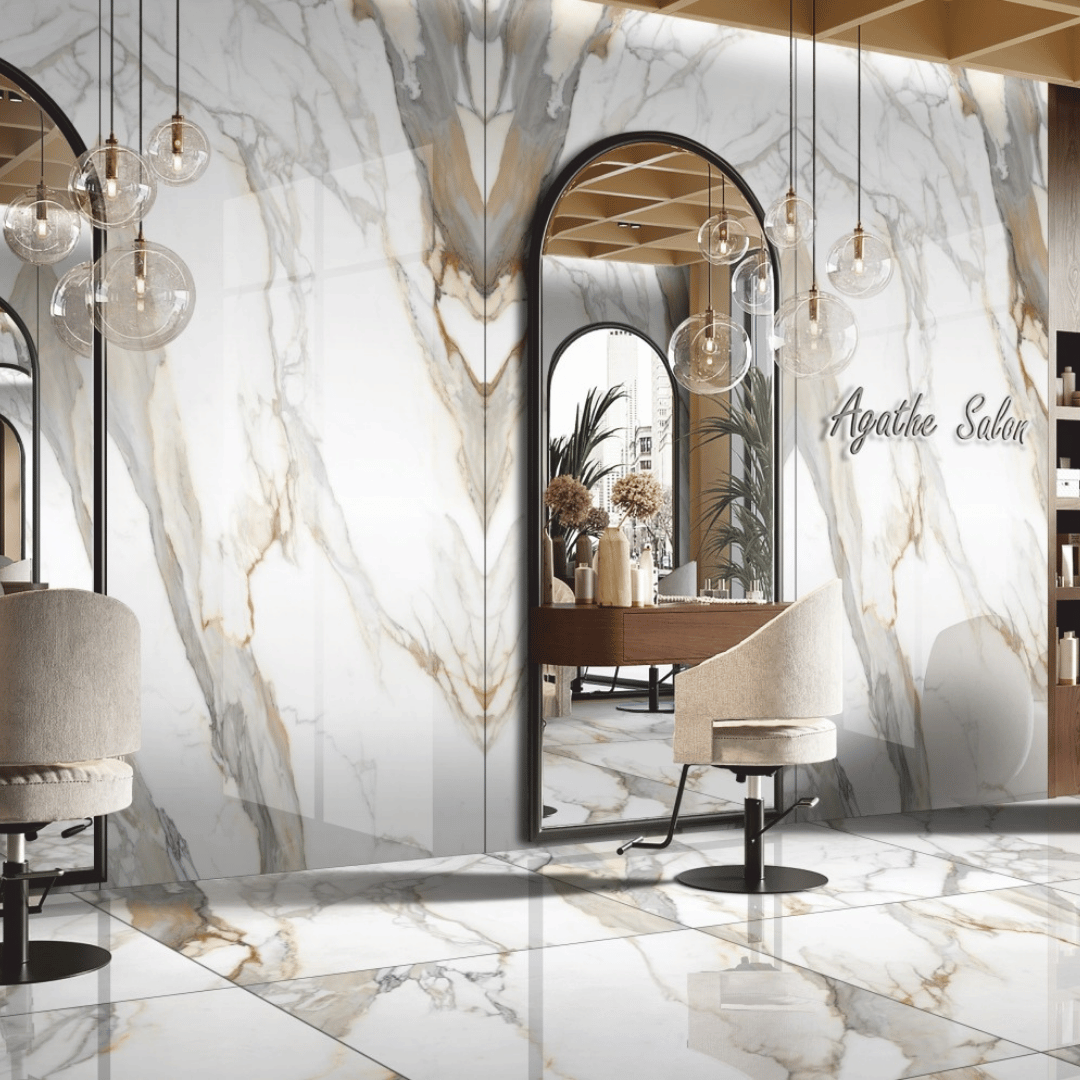
Choosing a color and pattern that complements the overall design scheme is essential. Porcelain slabs can mimic the look of natural stone, such as marble or granite, offering the aesthetic appeal of luxury materials without the maintenance drawbacks. Consider how the slabs will interact with other elements in the space, including cabinetry, fixtures, and lighting.
3.5 Application
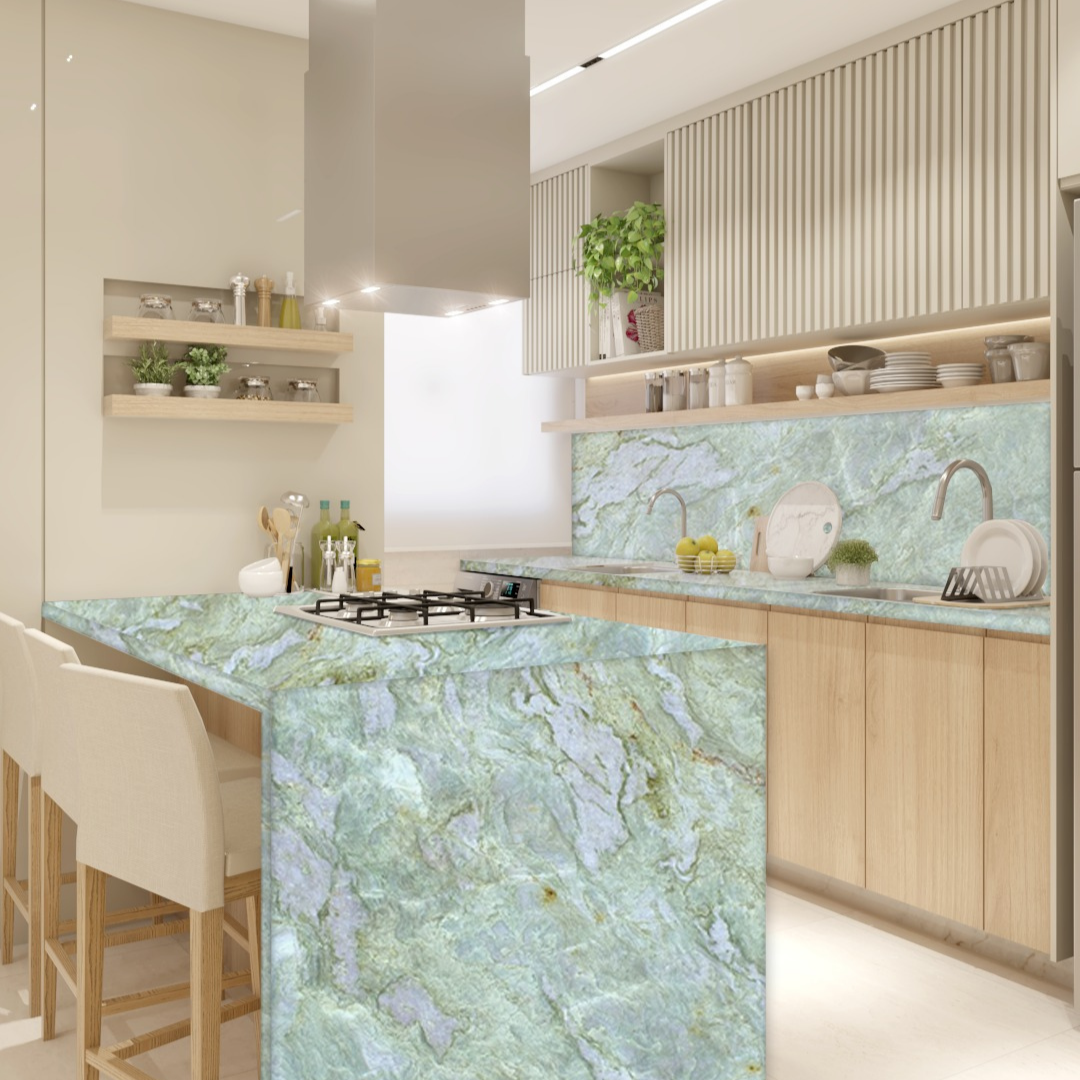
Understanding the intended application for your porcelain slabs will guide your selection process. Are the slabs for a kitchen countertop, bathroom vanity, or exterior façade? Each application may have different performance requirements. For instance, slabs used in outdoor settings need to withstand weather conditions, while those used indoors may prioritize aesthetics.
4. Comparing Porcelain Slabs with Other Materials
To make an informed decision, it’s helpful to compare porcelain slabs with other popular materials used in architectural surfaces. Below is a comparison table illustrating key attributes:
| Material | Durability | Maintenance | Cost | Design Options |
|---|---|---|---|---|
| Porcelain | High | Low | Medium | Extensive |
| Granite | High | Medium | High | Limited |
| Quartz | Medium | Low | Medium | Extensive |
| Marble | Medium | High | High | Extensive |
This comparison highlights that while granite and marble offer durability, they often come with higher maintenance requirements and costs. Porcelain slabs provide an attractive alternative that balances performance and aesthetic versatility, ideal for various architectural applications.
5. Choosing the Right Finish and Thickness
As previously discussed, selecting the appropriate finish and thickness for your porcelain slabs is essential. Here are some actionable tips:
5.1 Selecting the Finish
When choosing a finish, consider the following:
- For high-traffic areas, a matte or textured finish may be beneficial to prevent slips.
- In spaces where maintenance is a priority, such as kitchens, opt for a polished finish that is easier to clean.
- For outdoor applications, ensure that the finish is suitable for weather resistance.
5.2 Determining Thickness
To determine the right thickness, consider:
- The weight-bearing capacity of the substrate where the slabs will be installed.
- The aesthetic impact of thickness on the overall design.
- Consulting with fabricators for recommendations based on your specific project needs.
6. Installation and Maintenance Tips
Proper installation and maintenance are vital to maximizing the performance of your porcelain slabs. Here are some expert insights:
6.1 Installation
Always hire a professional installer with experience in working with porcelain slabs. Proper installation techniques will ensure that the slabs are securely anchored and that seams are minimized for a seamless appearance. Additionally, using the right adhesives and tools is crucial for achieving a lasting installation.
6.2 Maintenance
Porcelain slabs are relatively low maintenance, but some care is still necessary:
- Regularly clean the surface with a pH-neutral cleaner to avoid damaging the finish.
- Wipe up spills promptly to prevent any potential staining.
- Avoid using abrasive cleaners or tools that could scratch the surface.
7. FAQs
What are porcelain slabs used for?
Porcelain slabs are versatile and can be used for countertops, flooring, wall cladding, and various architectural applications.
How do I clean porcelain slabs?
Use a pH-neutral cleaner and a soft cloth or sponge. Avoid abrasive cleaners to maintain the surface integrity.
Are porcelain slabs resistant to stains?
Yes, porcelain slabs have low porosity, making them highly resistant to stains and moisture.
What thickness of porcelain slab should I choose for countertops?
A thickness of 12mm to 20mm is recommended for countertops to ensure durability.
Can porcelain slabs be used outdoors?
Yes, many porcelain slabs are suitable for outdoor use, provided they are rated for external applications.
What is the difference between polished and matte porcelain slabs?
Polished slabs have a shiny finish that enhances color depth, while matte slabs have a more subdued appearance and are less prone to showing fingerprints.
How do porcelain slabs compare to granite?
Porcelain slabs are generally more affordable and easier to maintain than granite while offering similar durability.
Where can I find premium porcelain slabs?
Builder Stone Global offers an extensive range of premium porcelain slabs for architectural surfaces. Check our live inventory for options.
Conclusion
In summary, selecting the right porcelain slabs for high-performance architectural surfaces requires careful consideration of aesthetic appeal, thickness, surface finish, and application. By understanding these factors and leveraging the benefits of porcelain, designers and builders can create stunning, durable spaces that stand the test of time. For your next project, visit our Norcross showroom or call +1 470-551-2092 to speak with our surface specialists and explore our premium inventory.